
Quick Take
- One animal's death performance is so thorough that it cannot even be switched off voluntarily, and it can last an hour. See the hour-long act →
- For two spider species, playing dead is not about escaping a predator but rather a survival tactic used during romance. Playing dead for romance →
- One snake's fake-death act has a hilarious flaw that exposes the whole bluff, but only if you know what to look for. Spot the snake's blunder →
- Some predators are fooled not by stillness alone, but by something far more unsettling that these animals produce on demand. The foul-smelling deception →
Many animals survive predation by running, fighting, or hiding. However, some take a much stranger approach: they play dead. This odd behavior is known as thanatosis or tonic immobility. The strategy can fool predators into losing interest because they prefer fresh prey and will naturally avoid animals that appear dead. After all, the poor animal may have dropped dead due to disease. In some cases, animals are quite convincing; they go limp, roll over, release foul odors, or even stick out their tongues! The natural world is full of talented performers who will gladly fake their death to stay alive.
Virginia Opossum

©Karel Bock/Shutterstock.com
The Virginia opossum is probably the most famous “play dead” expert in the animal kingdom. When threatened, it will collapse onto its side, go completely limp, and even let its tongue hang out of its mouth dramatically. Incredibly, possums may also release a terrible-smelling fluid that smells like decomposing flesh, making predators think the meal has already begun to rot. Interestingly, this defense mechanism is automatic and can last anywhere from a few minutes to several hours. Once the danger passes, the opossum simply gets up and walks away as if nothing happened.
Hognose Snake
©Wxchsr/Shutterstock.com
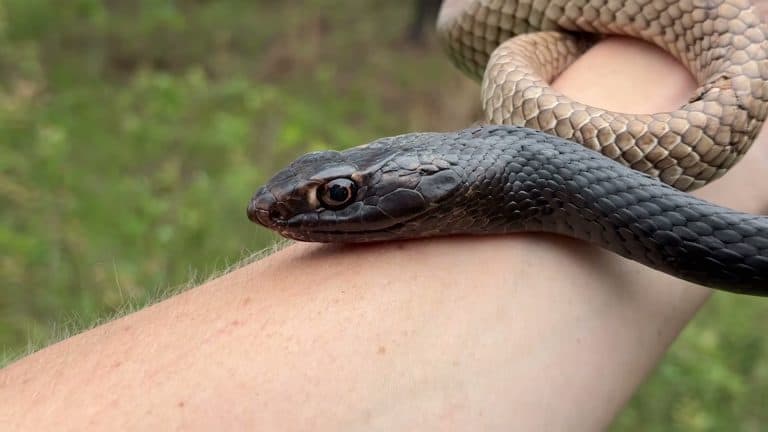
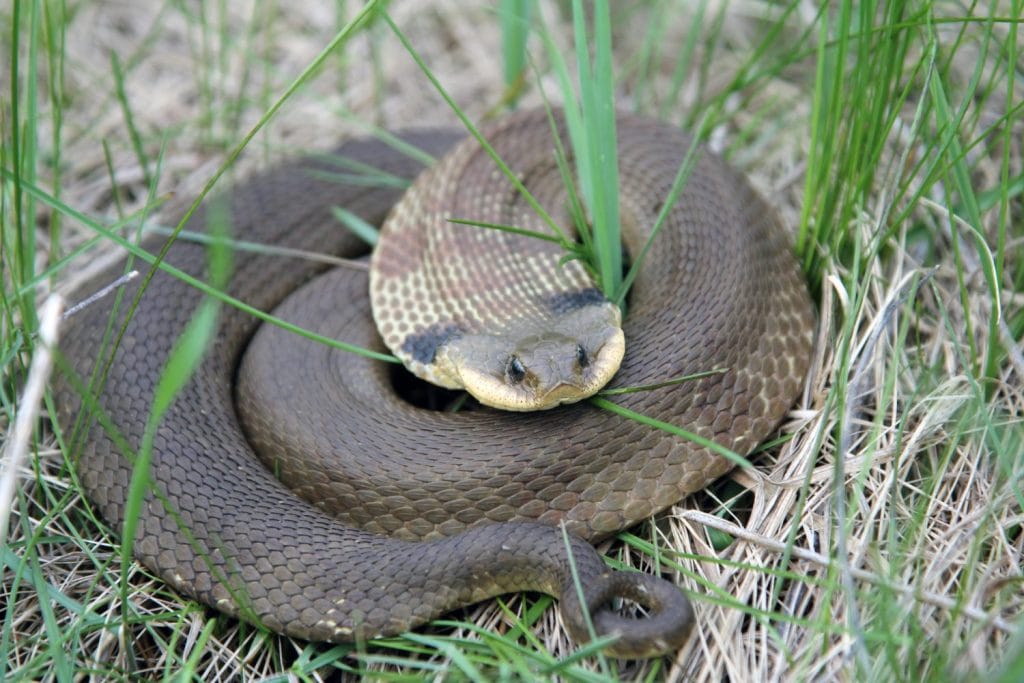
The eastern hognose snake turns survival into theater. When threatened, this snake often hisses loudly, spreads its neck like a cobra, and strikes dramatically with a closed mouth. If this intimidation tactic fails, the snake moves on to faking its death. It flips onto its back and becomes motionless with its mouth open. Some even excrete musk or blood from the mouth to make the fake-out more believable. Comically, if someone flips the snake upright, it will often roll right back over (dead snakes are apparently supposed to stay upside down).
Redback Spider
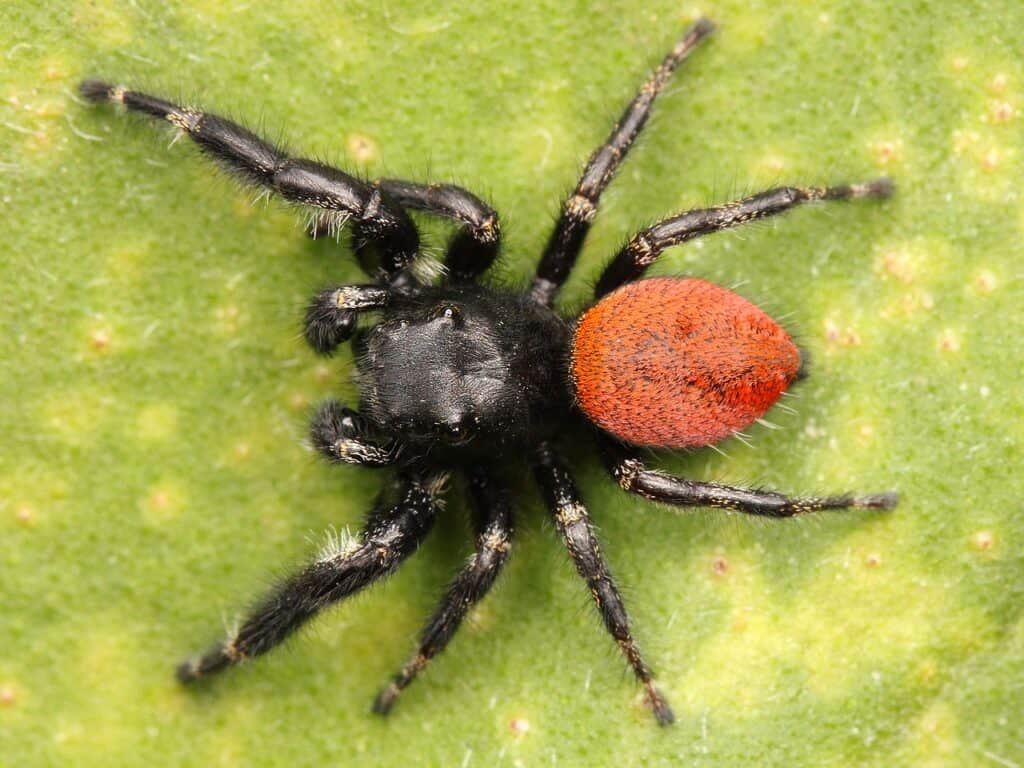
In perhaps the most unique dating strategy, male redback spiders will play dead during mating. The reason they do so is even stranger: females are known to eat their partners. However, by going motionless, the males can avoid triggering an attack response in the much larger females. Researchers think this behavior can improve the male’s chances of surviving long enough to reproduce. In nature, even romance can necessitate award-winning acting skills.
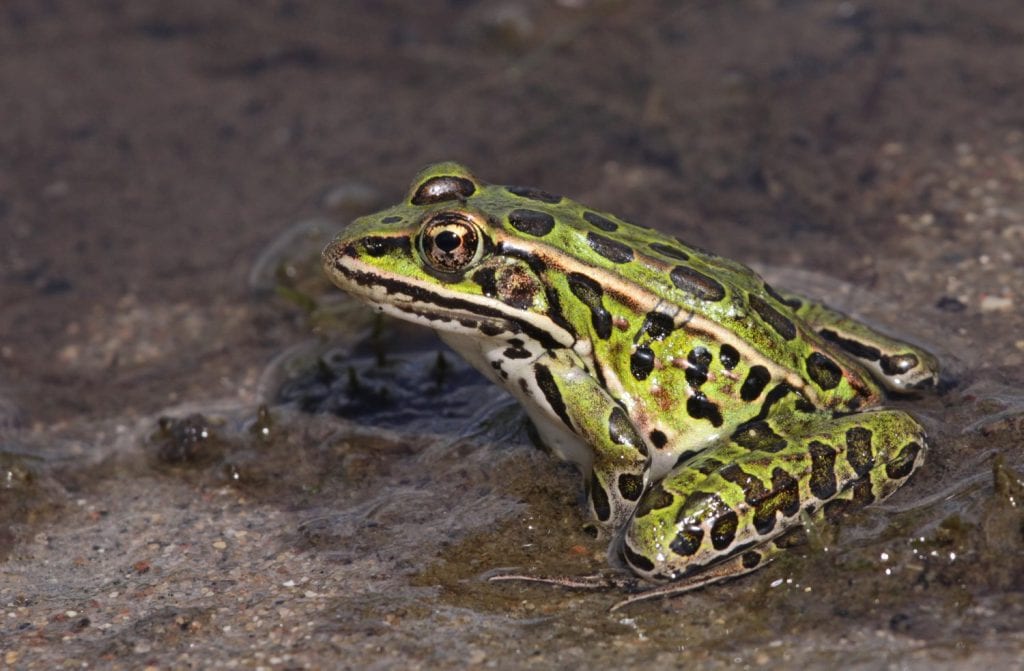
Leopard Frog
©Chris Hill/Shutterstock.com
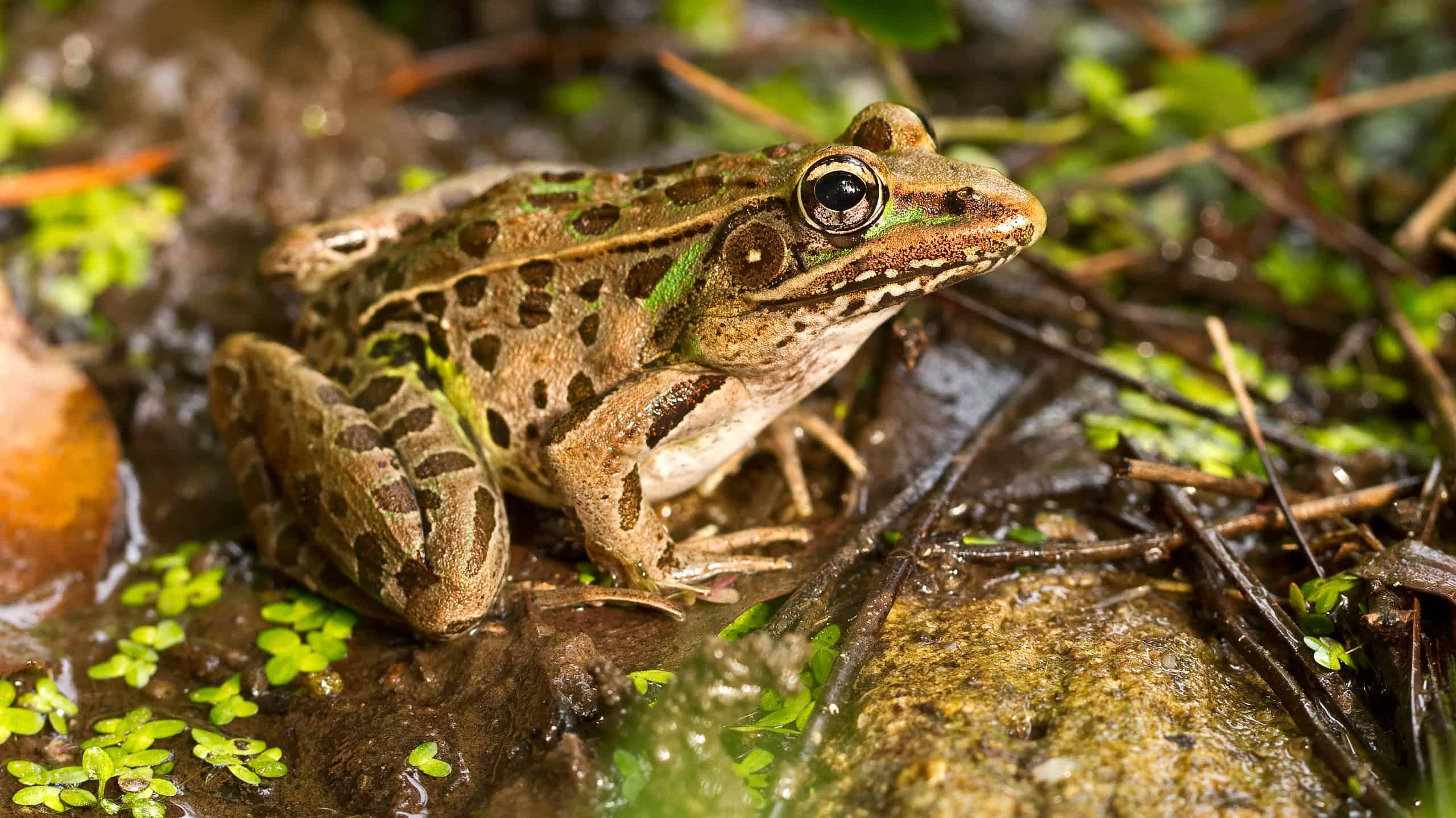
Several frog species, including the northern leopard frog, play dead in a defensive effort. This temporary paralysis is often a last-ditch attempt at survival. If grabbed by a predator, the frog suddenly goes limp and stops struggling. Because some predators rely on movement to confirm prey is alive, freezing completely can offer a lifeline for the victim. In a moment of confused hesitation, the predator loses its grip, giving the frog an opportunity to escape. It is a simple strategy, but even a second of extra time can help with survival in the wild.
Nursery Web Spider
©SDeming/Shutterstock.com
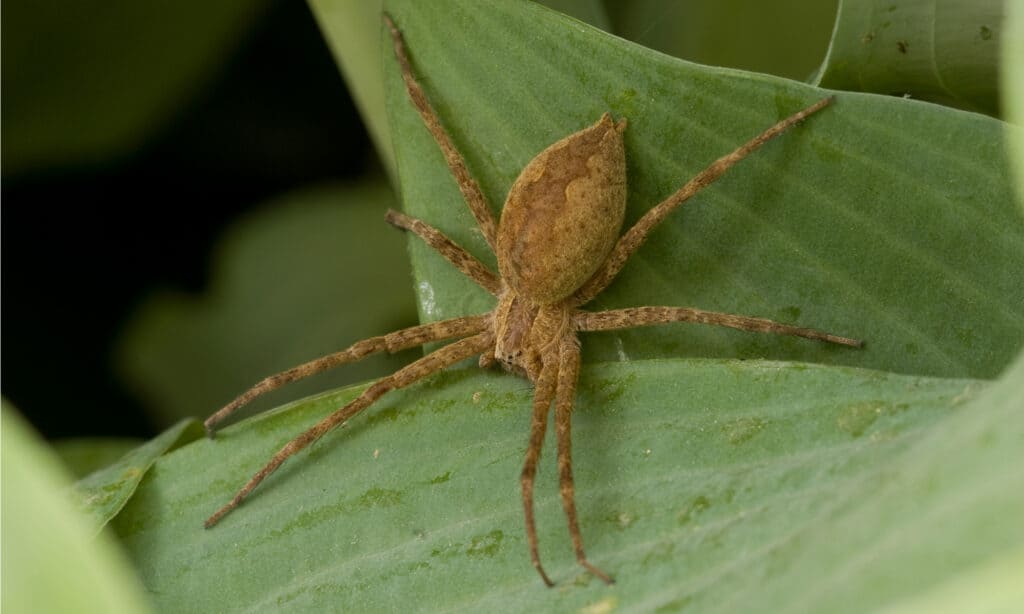
Male nursery web spiders have evolved a version of playing dead similar to red-backed spiders. During courtship, males give females silk-wrapped prey as a present. If the female tries to grab the gift too aggressively, the male may end up being attacked in the process. So, the male fakes his death while presenting the well-wrapped gift. Scientists think this behavior reduces the chance of being eaten by the female during mating. Once the situation calms down, the spider “comes back to life” and resumes his wooing.
Ducklings
©iStock.com/Agus Prianto
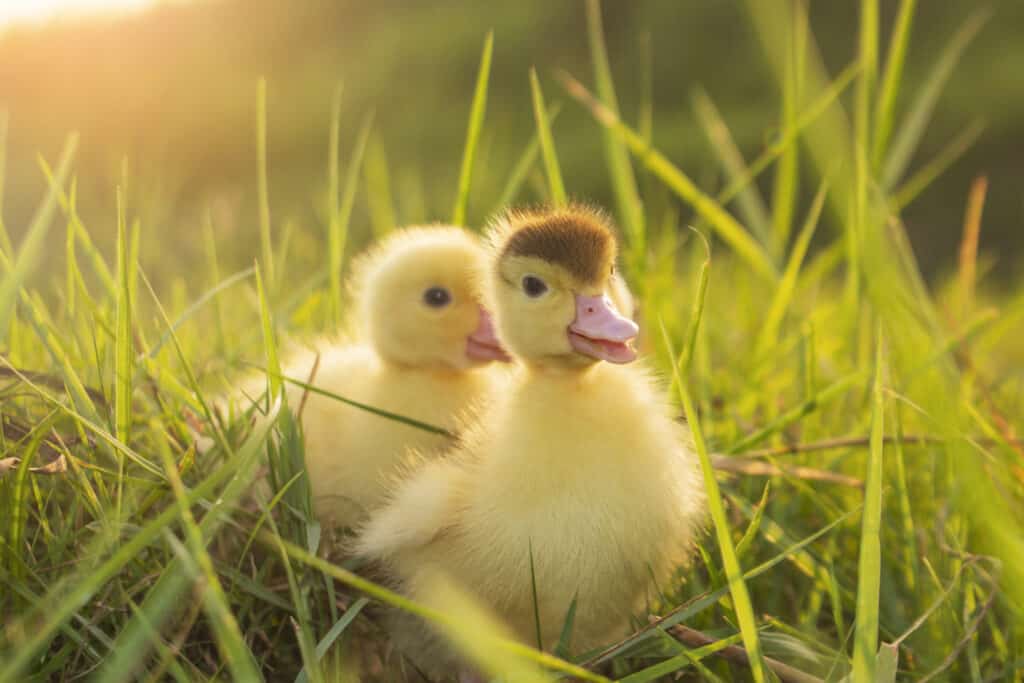
Some young birds, including ducklings, instinctively freeze or collapse when danger is close by. Instead of fleeing an approaching predator, baby ducks may stay perfectly still in grass or mud hoping they can’t be spotted. This behavior can actually work because many predators notice movement first. The fluffy chicks can look unconscious while remaining completely alert. Once the threat disappears, the tiny birds quickly spring back to life and run off to find their mother.
Antlion Larvae
©Queserasera99/Shutterstock.com
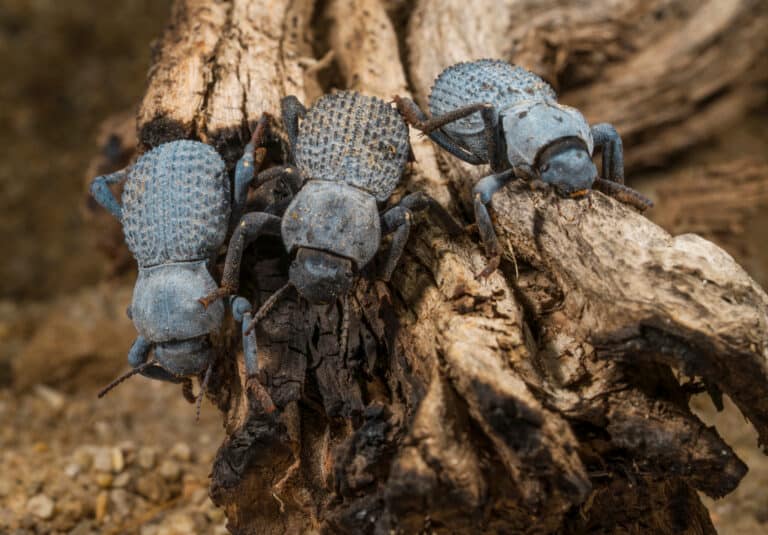
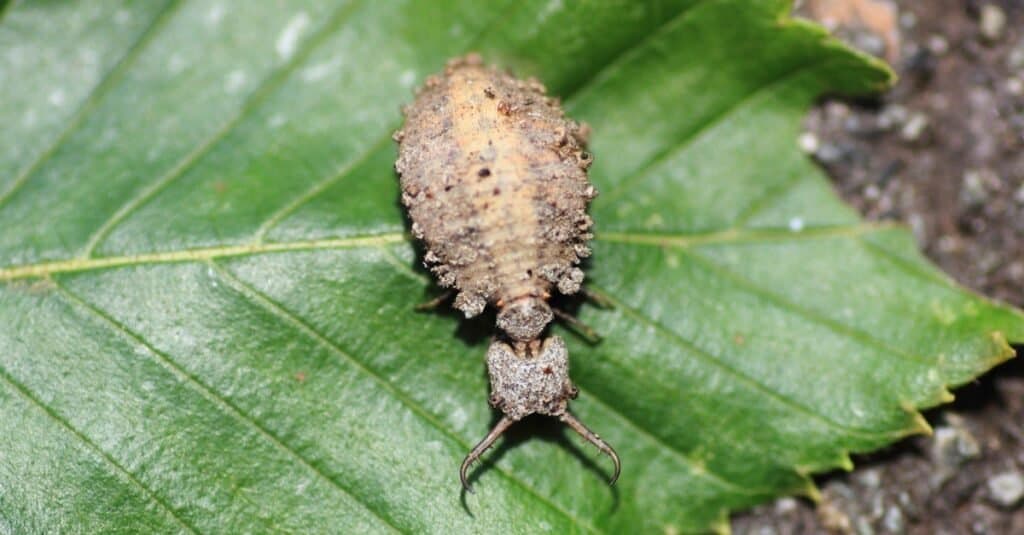
Antlion larvae, sometimes called doodlebugs, occasionally turn to stillness to avoid becoming prey. When disturbed by larger predators, remaining completely motionless can help these small insects blend into the environment. They are so committed to the performance that they can remain in this lifeless state for over an hour. For an insect only a few centimeters long, feigning death can be surprisingly effective.
European Rabbit
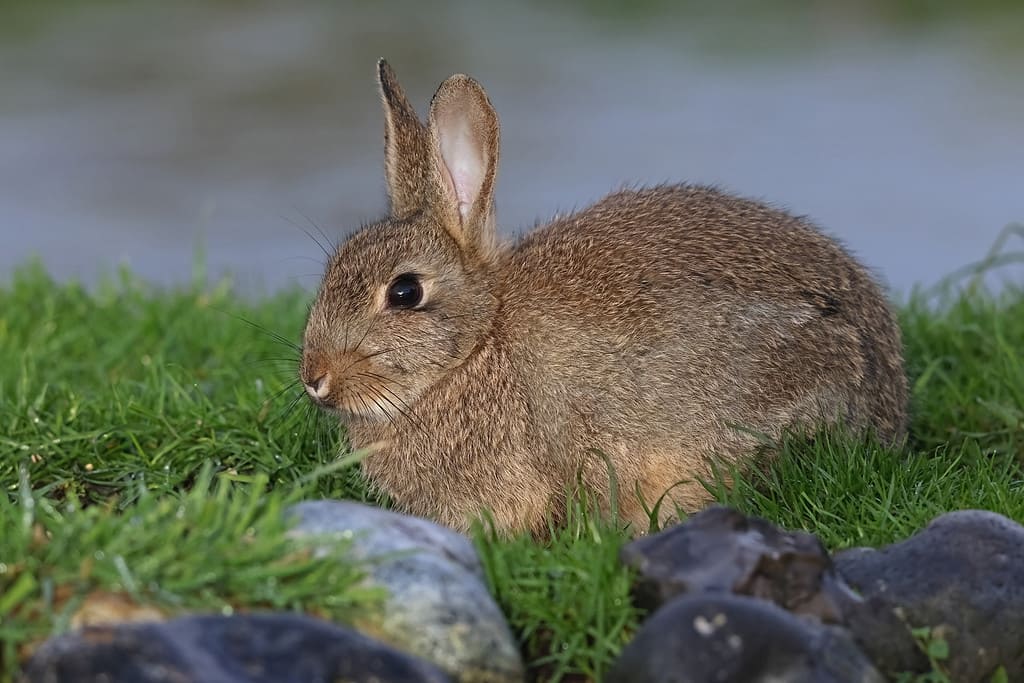
©neil bowman/iStock via Getty Images
The European rabbit sometimes plays dead when captured and there is a fancy name for their behavior: tonic immobility. In this short state, the rabbit may appear frozen and lifeless. Scientists debate whether this is a true defensive strategy or simply a panicked fear response caused by extreme stress. Either way, it can reduce a predator’s interest long enough for the rabbit to escape. Even for an animal known for its speed, sometimes survival means doing absolutely nothing at all.