
Quick Take
- Lions are being poached for their teeth, claws, bones, and skin.
- There are an estimated 20,000 to 30,000 African lions left in the wild.
- Poaching of African lions increased after it became more difficult to get tiger parts in Southeast Asia.
- With intervention, there is still time to save African lion populations from poaching and prevent their extinction in additional countries across Africa.
Lions are synonymous with Africa. These majestic cats have lived side-by-side with humans for hundreds of thousands of years. While encroachment on territory and being hunted by ranchers have significantly decreased the population of African lions over the past several decades, there is a new, significantly worse threat the lions now face. That threat is a crisis in the savannah, as poaching is targeting African lions. If these lions are not protected now, experts warn there is a very real risk of losing Africa’s big cats.
Why Is There an Increase in African Lion Poaching?
In recent years, there has been a significant uptick in the number of African lions being poached from both their traditional habitats and protected park regions. What was once farmers and ranchers targeting lions to protect their livestock has turned into the killing of multiple lions at once, all to sell their body parts on the black market.
A new study published in Conservation Letters is sounding the alarm regarding the future of African lions. This is because the poaching of lions has increased dramatically over the past several years. According to the study, action needs to be taken now if lion populations across Africa are to be saved.
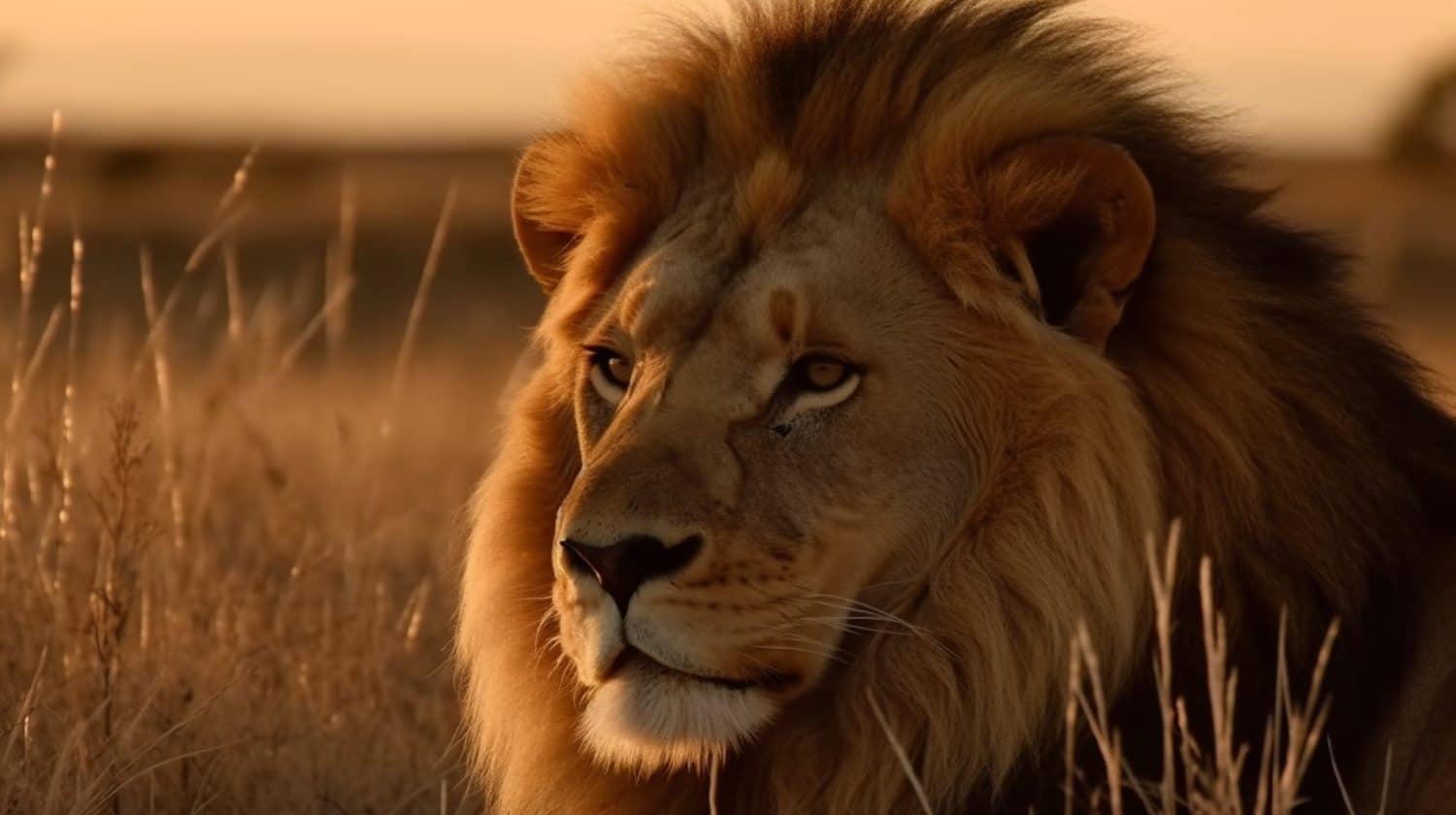
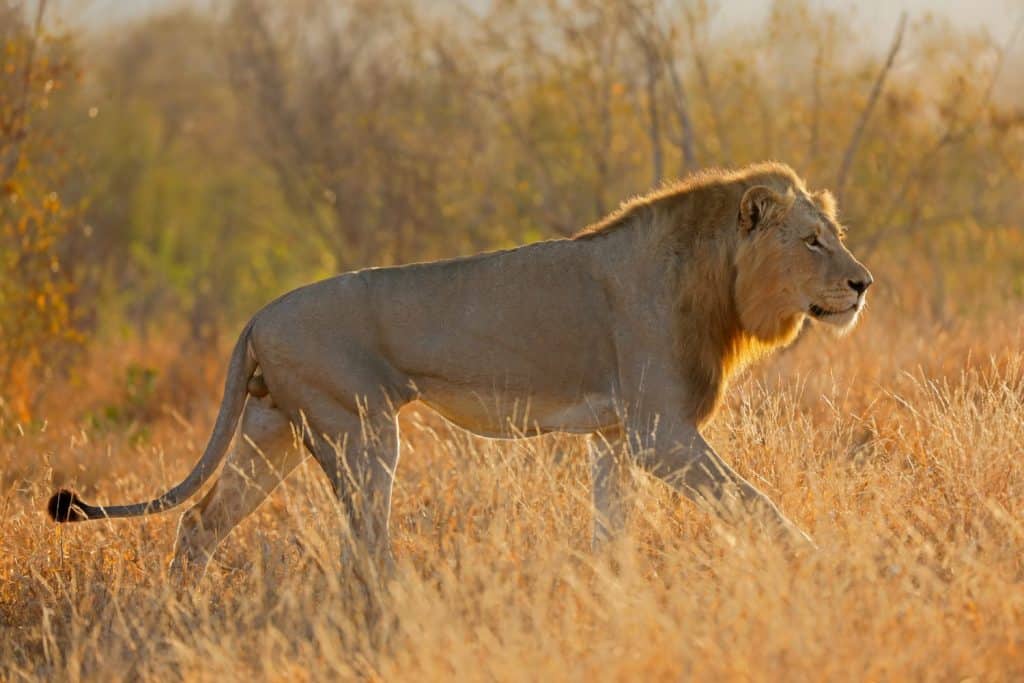
African lions are being poached for their claws, teeth, bones, and skin.
©Mahir Rustemov/Shutterstock.com
The increased demand for lion body parts began several years ago, when it became increasingly difficult to import tiger parts into Southeast Asia. This, combined with cultural and spiritual uses for lion parts in nearly 40 countries across Africa, has created an insatiable demand for lion bones, teeth, claws, and skin.
To make matters worse, the poaching of lions has gone from small-scale poaching to massive criminal networks. These are the same networks that sell rhino horns, ivory, and other wildlife products on the black market. Consequently, it has become difficult to track lion poachers, both due to the remoteness of locations where poaching takes place and the fact that poaching lions is notoriously easier than poaching other animals.
Why African Lions Are Easy to Poach
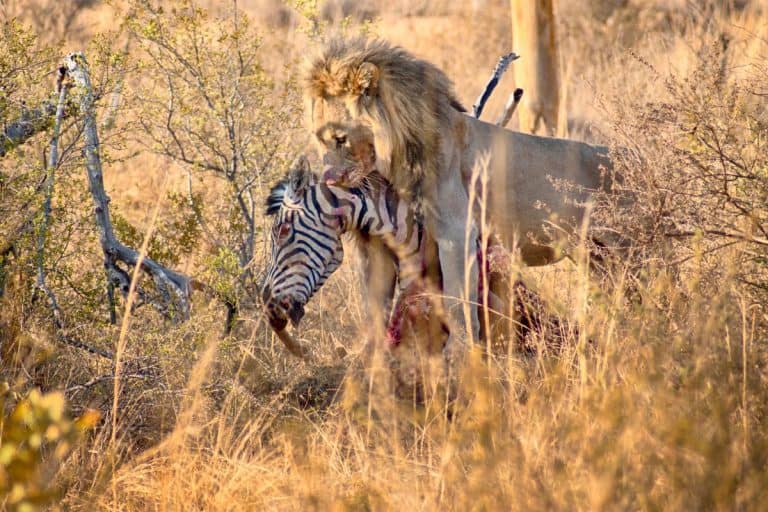
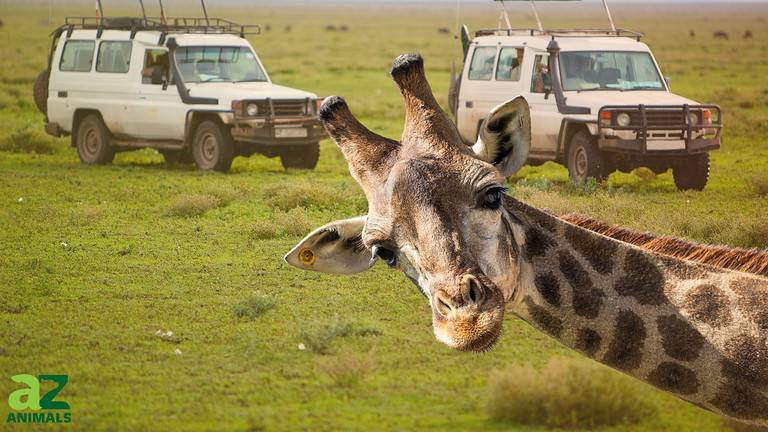
From a poacher’s perspective, African lions are easier targets than other animals, given that they are social animals. While it may take time to hunt down a solitary rhino, a significant number of African lions can be poached at once, simply by offering a meal laced with poison. Over the last two years, the authors of the study state that giraffes have been killed by poachers to lure African lions to what will ultimately be their last meal. This is because the poachers will poison the carcass of the giraffe, potentially leading to the death of several African lions at once.
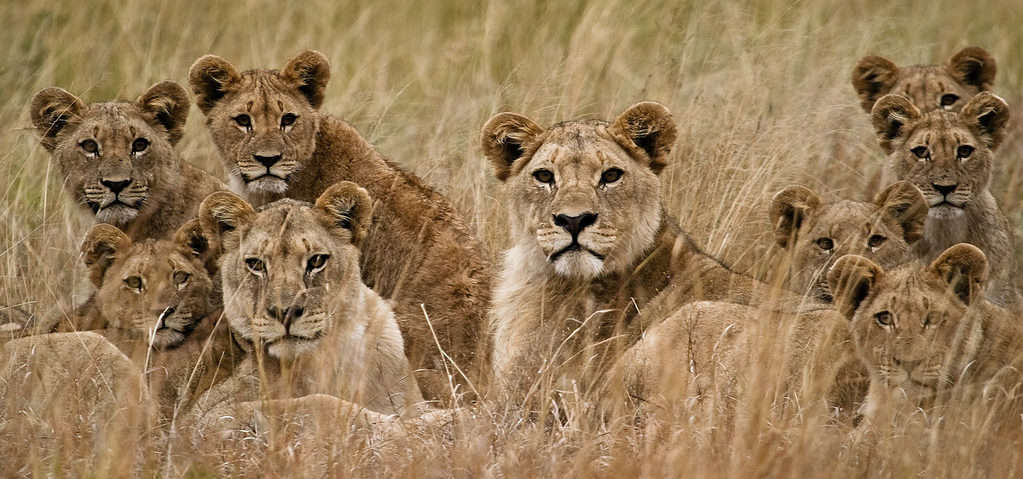
African lions are social animals, making it easy to poison several of them at once.
©Riaan van den Berg/Shutterstock.com
“This deliberate method of luring lions using carcasses demonstrates a level of forethought and coordination characteristic of experienced and organized poaching networks,” the authors write. “Poison baits can kill multiple individuals in a single event with limited risk to the poachers.”
In remote areas, poachers are even less likely to be detected. Consequently, they can come to a region, poison bait, and kill African lions for their body parts, all before anyone is the wiser. The rapid pace at which this poaching is taking place is already having negative effects on the lion populations across Africa. If left unchecked, conservationists warn, the situation will only get worse, as it has in the past several years.
The Effects of Poaching on the African Lion Population
The African lion population is listed as being vulnerable by the International Union for the Conservation of Nature (IUCN). Across Africa, lion populations are decreasing. Regions where the African lion once roamed have now declared the magnificent creature extinct, leaving African lions largely depleted across the continent.
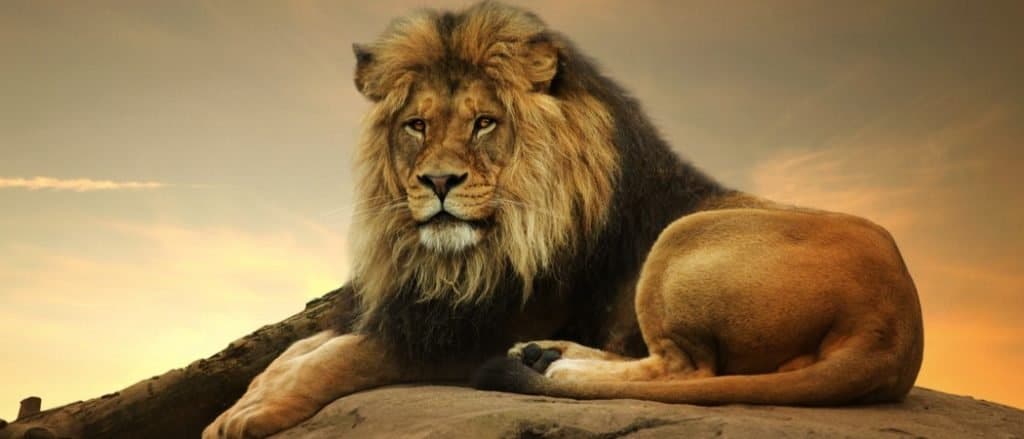
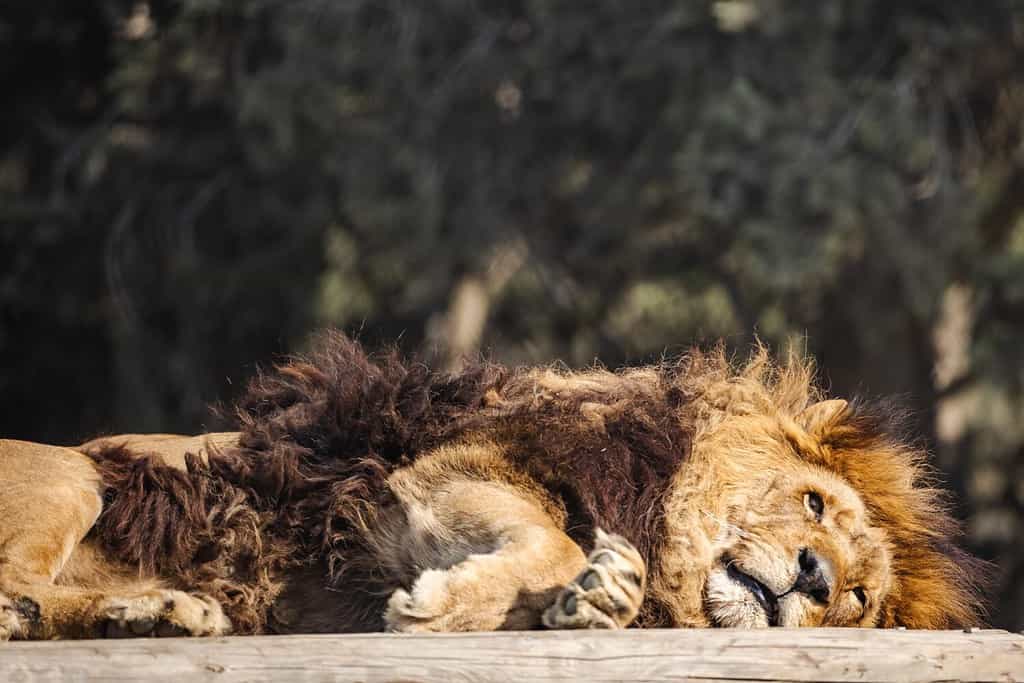
African lion populations were already in decline before poaching started, with no more than 30,000 lions left in the wild.
©St. Nick/Shutterstock.com
In the past, the reasons for the decline in African lion populations were similar to those experienced by other wild animals in Africa. The reasons include:
- Habitat loss, both from fragmentation and urbanization
- Coming in contact with livestock and being hunted by people
- Being poisoned to keep from targeting livestock
- Lack of food, leading to competition among lions
- Trophy hunting
These reasons all contributed to the annual loss of African lions. Now, with poaching being added to the mix, the reality is that more lions are going to lose their lives. With no more than 30,000 wild lions left in Africa (some say the number is closer to 20,000), down from an estimated 200,000 that were present across the continent just 100 years ago, it is clear the population is shrinking quickly.
Over the past two decades alone, one-third of the African lion population has disappeared. The lions now only live in 20% of their historic range, making it easier than ever for poachers to target them. If poachers are not stopped, the future of the African lions looks quite bleak.
What Is Being Done to Stop the Poaching of African Lions?
As demand for lion bones, teeth, claws, and skin has increased, poaching has risen across Africa. What was once just a localized problem is spreading like a disease across the continent, making all African lions potential targets for black-market financial gain.
For years, organizations like Panthera and African Parks have worked tirelessly to save African lions. By removing wire snares, installing the “PoacherCam,” hiring an incredible number of rangers, and providing lions with a sanctuary in one of six parks across the country, some populations of African lions increased. Now that more people are involved in poaching, these tactics are simply not enough to stop those who want to kill lions.
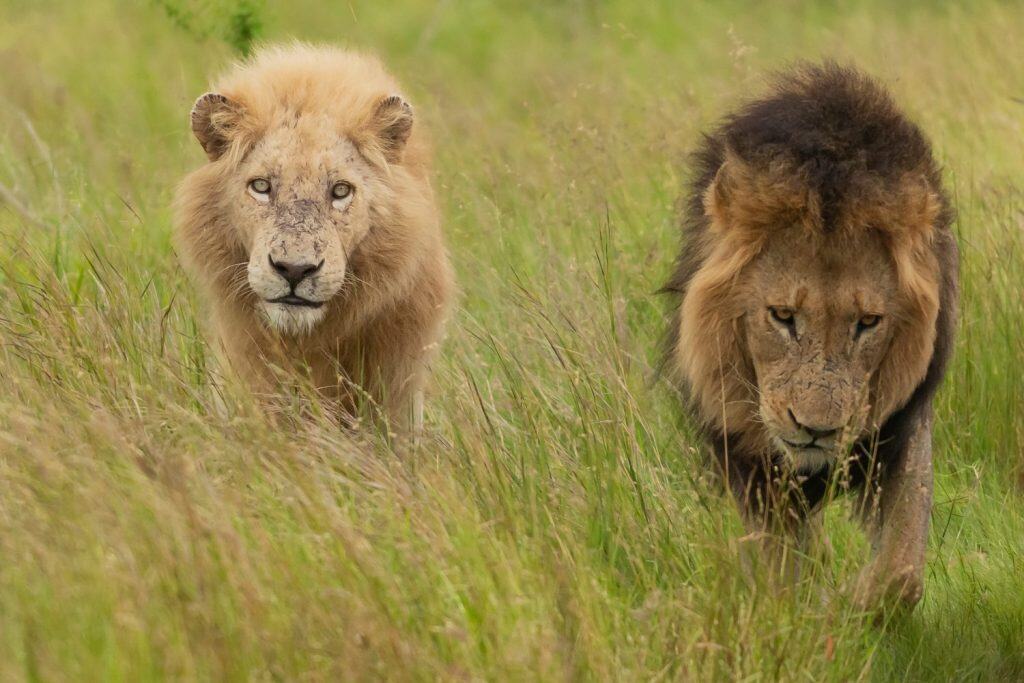
African lions are being protected by removing snares, installing ‘PoacherCam’ camera traps, and increasing the number of rangers, but there is still more that can be done to stop poaching before it gets worse.
©Piotr Poznan/Shutterstock.com
To combat poachers, the study suggests more needs to be done. The author’s suggestions include:
- Better protection of lions in their current habitats
- Increased monitoring of lions
- Educating local communities as to the environmental importance of lions
- Better understanding of the black-market trade of African lions
- Stopping trafficking routes before poachers are able to get the lions to market
- Make the punishments harsher for those convicted of poaching
- Decrease the demand for lion body parts through culturally informed behavior-change campaigns
If these and traditional methods of stopping poaching are followed, the authors of the study believe it is possible to stop poaching and help strengthen African lion populations. This is why they state action needs to be taken now before it is too late.
What Will Happen to the African Lion If Poaching Doesn’t Stop?
It should come as no surprise that if poaching is not ended in Africa, the African lion populations will continue to decline. If this happens, more regions of Africa will lose their lion populations, eventually leaving very few African lions in the wild to sustain future generations.
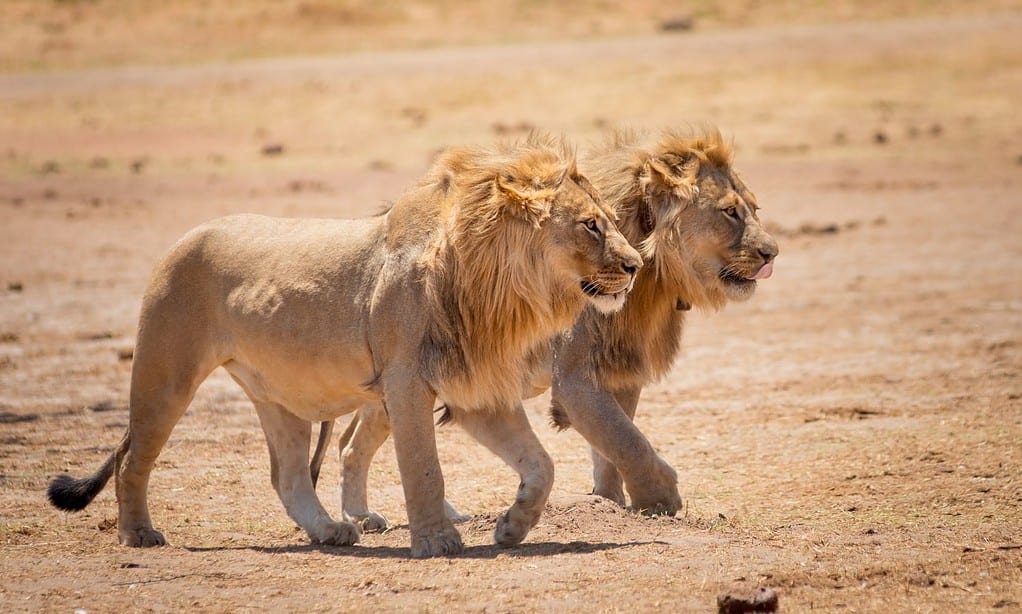
If poaching does not end, the populations of African lions will become dangerously low.
©Gray Aletter/Shutterstock.com
Currently, 62 lion populations have been identified in Africa. Of those, approximately 50% have fewer than 100 members in the pride. These numbers indicate that lion populations are unstable in their current environments, making survival difficult for African lions. With the added threat of poaching, it is unlikely that all 62 lion populations will survive.
However, it is not all bad news. The study’s authors state that it is still early enough to stop poaching and turn the population decline around. When this happens, other species affected by lion poaching will also benefit.
Effects of Poaching Lions on Other Species
What poachers may not realize (or care about) when they poison giraffe carcasses to lure African lions is that other animals also fall victim to the poison, not just the lions.
When African lions are poisoned by tainted giraffe carcasses, other scavenging species die as well.
©EcoPrint/Shutterstock.com
Africa is filled with scavengers. These animals wait their turn until the apex predators have had their fill and then descend on the remains of a deceased creature. In the case of poisoned giraffes, this has resulted in the deaths of many other animals. Specifically, as the study points out, in 2019, when four lions were poisoned, there was major fallout. This included the deaths of:
- One black-backed jackal
- 70 white-backed vultures
- One steppe eagle
When poachers target African lions, they are targeting the entire ecosystem in which the lions live. Animals across Africa lose their lives as lions continue to be killed. Lions need to be protected from poachers, whether through education or judicial punishment. Only when this is accomplished will the natural order be restored in the savannah, benefiting not only lions but all other animals as well.