
Quick Take
- Rarity can be caused by a small population, a restricted range, or severe population fragmentation. Meet the rarest animal →
- A bird with fewer than 50 individuals hasn't been confirmed seen since the 1990s, but scientists insist it still exists. The vanished bird →
- * Fewer than 100 Javan rhinos remain, all living in a single national park on the island of Java. Volcano threat to rhinos →
There are millions of animal species worldwide, but some are far rarer than others. Different animals face various threats, such as habitat loss and hunting. When an animal is endangered, its population can dwindle until extinction becomes a real possibility. Some of the rarest animals survive in small, isolated habitats with only a few individuals left. Continue reading to learn about some of the rarest animals in the world!
Continue reading
What Makes an Animal Rare?
Rarity is a challenging concept to define precisely, as there isn’t a universally accepted set of rules. Generally, an animal is considered rare if it has a small population, resides in a very restricted geographical area, or has a severely fragmented population.
Animals with extremely small populations are particularly vulnerable to extinction, especially when their numbers continue to decline. However, no fixed population size makes an animal rare, since what counts as a small population can vary between species. Population size can also be difficult to accurately determine, particularly for animals that live in remote habitats. An animal’s conservation status can provide insight into how rare it is, with many of the world’s rarest animals classified as Critically Endangered by the IUCN.
The rarest animals often have small, isolated populations.
©iStock.com/opposable-toothed mandibles
This means that there is no single, definitive ranking of the world’s rarest animals. However, we’ve put together a list of animals that can be considered among the rarest in the world, based on their population size, range, and degree of fragmentation.
Vaquita
The vaquita is generally considered to be the rarest animal in the world. Vaquitas are small porpoises that live only in the Sea of Cortez. They are the smallest cetaceans in the world at only five feet long, and can be distinguished by black rings around their eyes. It is estimated that there are around ten vaquitas left, possibly fewer, and they are at real risk of becoming extinct within the next few years. The biggest reason for the decline is entanglement in fishing nets. The vaquita’s habitat is protected, but illegal totoaba fishing still takes place. However, vaquitas also have a very slow reproductive rate and only give birth once every two years. This means the population struggles to recover after losses.
Amur Leopard
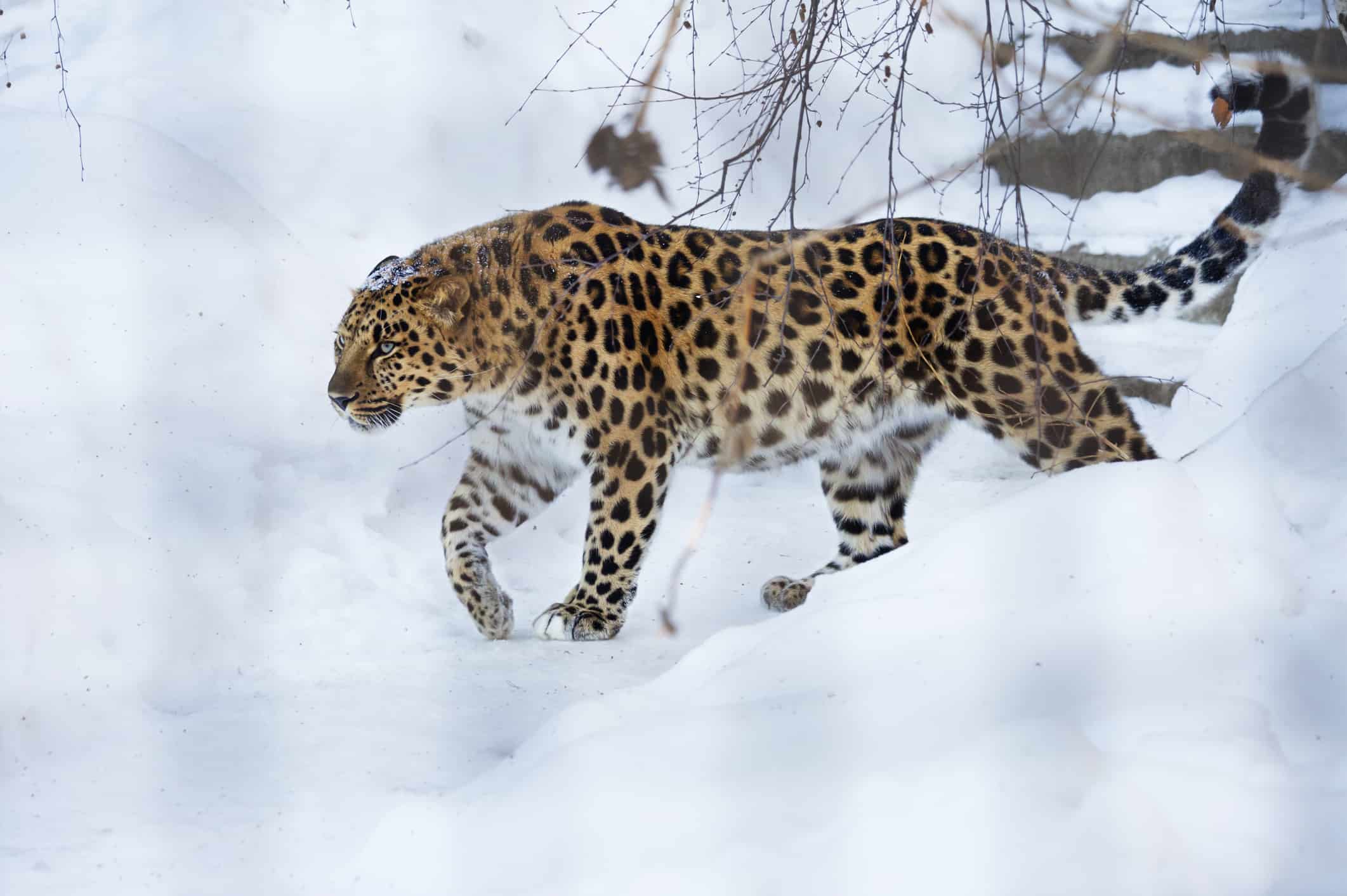
The Amur leopard is a subspecies of leopard native to China and Russia. They are fairly small and can be distinguished from other leopards by their pale appearance and widely spaced rosettes. Amur leopards live in temperate forests and mountainous regions. There are approximately 100 to 130 Amur leopards left in the wild. However, their population is fragmented due to habitat loss from expanding infrastructure and forest fires, which are lit annually to clear land. Repeated burning of the forests eventually causes the trees to stop growing and turns the area into grassland. Poaching is also a threat to Amur leopards, as they are hunted for their skins. However, many are also killed when they are found in close proximity to human settlements or livestock.
Javan Rhino
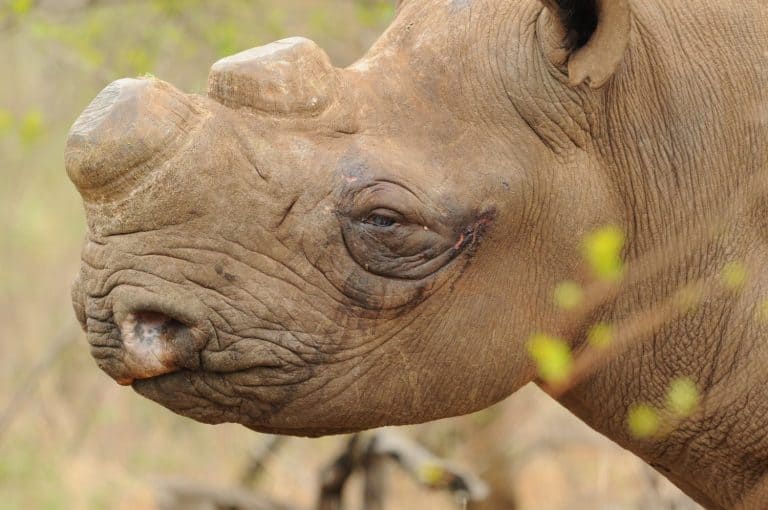
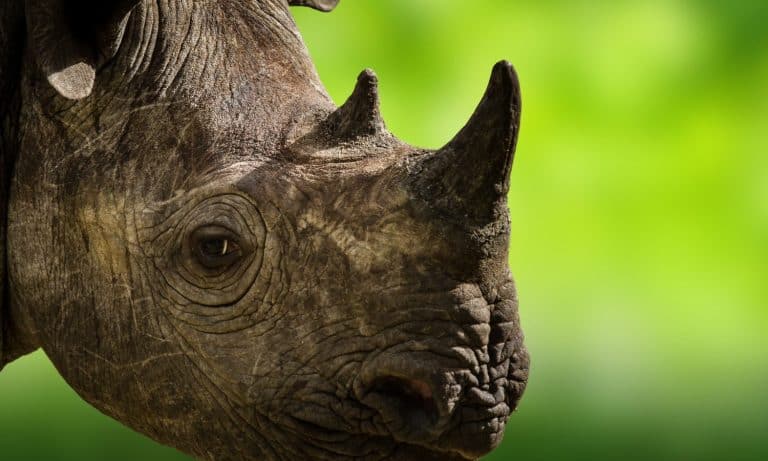
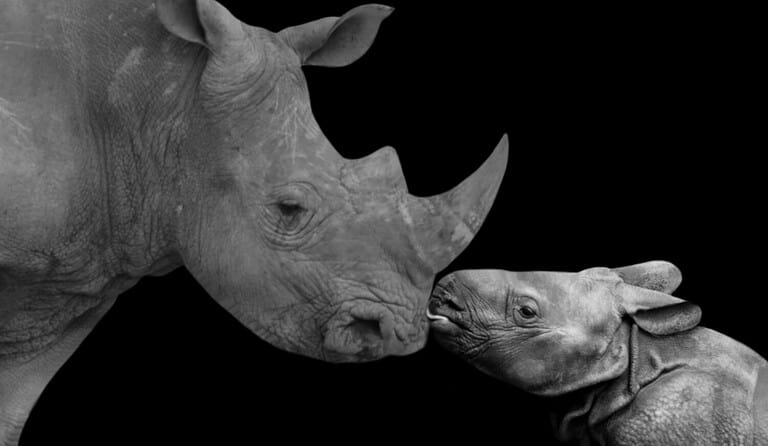
Javan rhinos were historically widespread across several countries, including Myanmar, Bangladesh, Thailand, and Cambodia. However, they are now only found in the Ujung Kulon National Park on the island of Java. Javan rhinos are one of the smallest species of rhinos, reaching around 10.5 feet long. They have just one horn, which is also smaller than the horns of other rhino species. There are fewer than 100 Javan rhinos left, although some estimates suggest that there may be as few as 50. Poaching remains a major threat to Javan rhinos, as they are still hunted for their horns. However, they are also threatened by a lack of available habitat. Natural disasters are also an issue, such as tsunamis and the proximity of Krakatoa, which remains an active volcano.
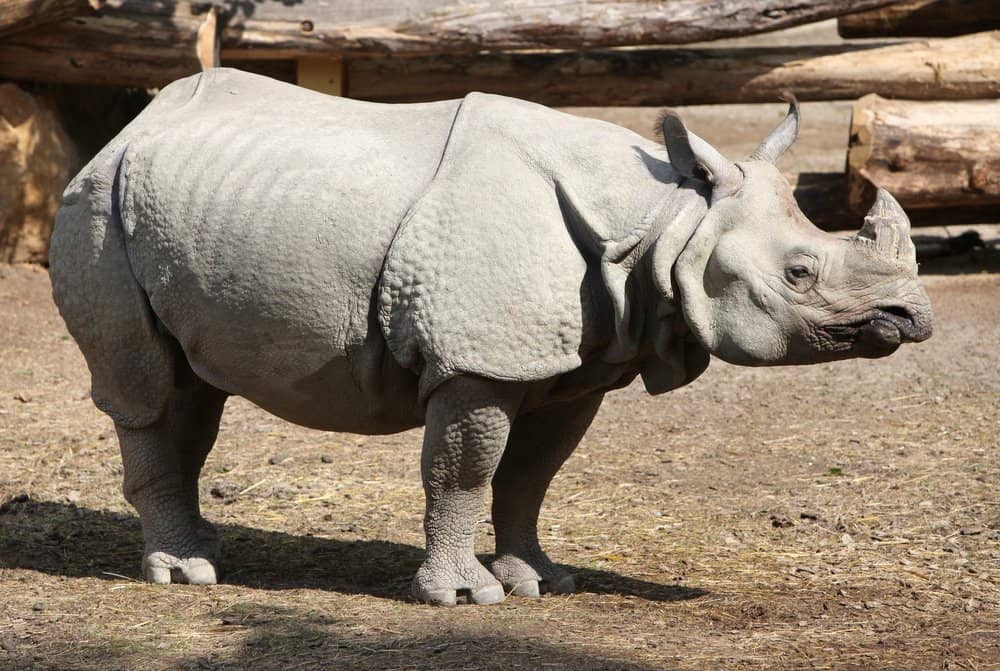
There may be as few as 50 Javan rhinos left in the world.
©Reinhold Leitner/Shutterstock.com
Sumatran Rhino
Another rare Asian rhino is the Sumatran rhino, which lives in just four isolated pockets of land on Sumatra and Indonesian Borneo. Sumatran rhinos live in forests, marshlands, and mountainous regions, where they eat a variety of fruit and vegetation. Sumatran rhinos have two horns and are often targeted by poachers, who take the horns for sale on the black market. Logging and the expansion of palm oil plantations are also significant threats to these rhinos. This is because habitat loss has driven them into smaller and smaller areas of forest. Although populations were once in the hundreds a few decades ago, it is now estimated that there are fewer than 50 surviving Sumatran rhinos.
Cebu Flowerpecker
Cebu flowerpeckers are pretty birds around five inches long. Males and females look very different, with males having a red back and an orange rear, with black upper parts and a white underside. Females have a more muted appearance, with brown upper parts and olive-green on their wings. Cebu flowerpeckers are endemic to the island of Cebu in the Philippines. Habitat loss is their greatest threat, and they can now be found in just four forests. Cebu flowerpeckers were thought to be extinct at the start of the 20th century because of how much their habitat had shrunk. However, a few sightings proved otherwise. Their total population across the four sites is estimated to consist of fewer than one hundred birds. The largest population is estimated at 50 to 60 in the Nug-as Forest.
Tapanuli Orangutan
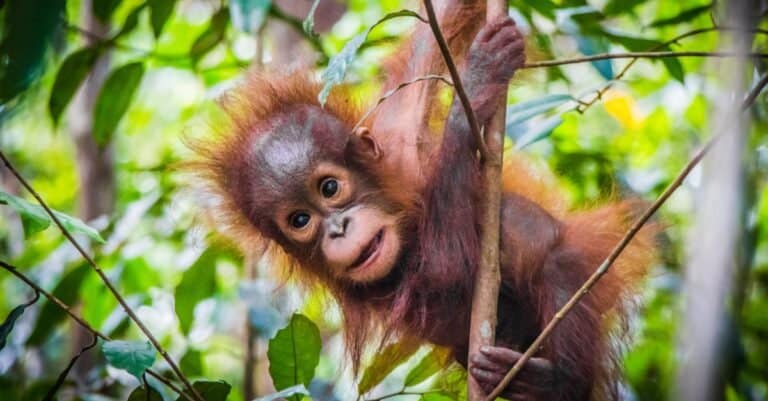
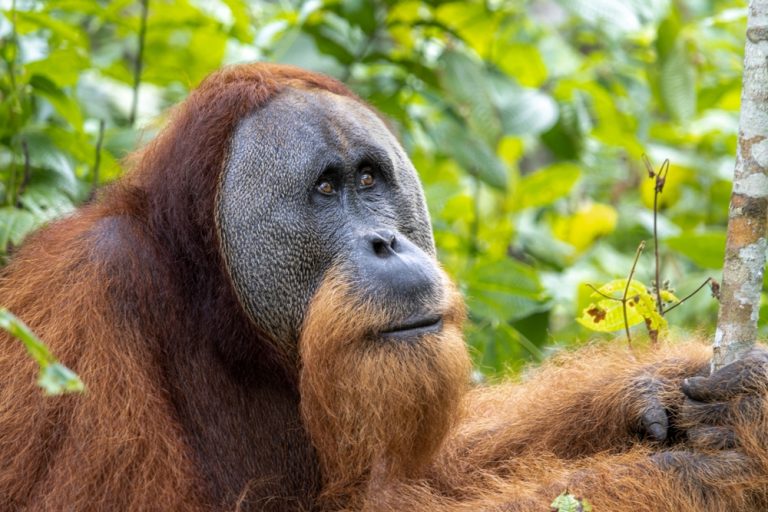
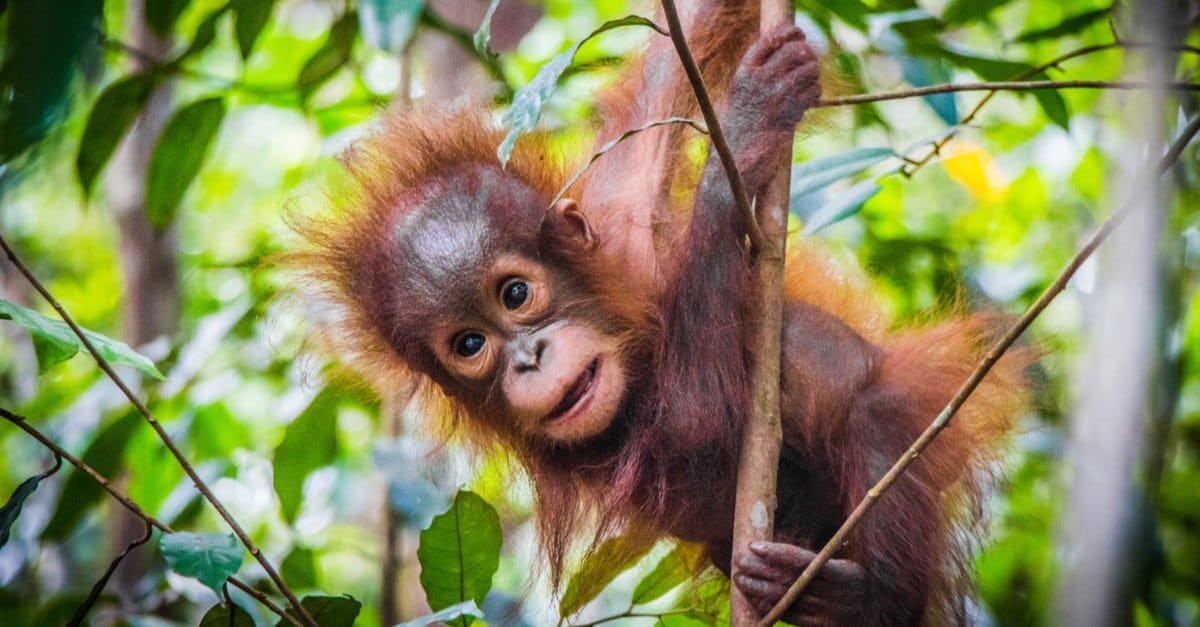
All orangutans are classified as endangered. However, the smallest and most at-risk population is the Tapanuli orangutan, of which there are just 800 individuals. Tapanuli orangutans live only in a section of upland rainforests in the Batang Toru Ecosystem of Sumatra. The population is separated into three small groups, and Tapanuli orangutans were originally thought to be part of the Sumatran orangutan species but were finally recognized as a separate species in 2017. Illegal logging and forest clearing are among the greatest threats to their forest habitat. They may also be killed in retaliation when they enter farmland and damage crops. Young orangutans continue to be seized for the illegal wildlife trade, despite the efforts of government and conservation agencies.
Tigers
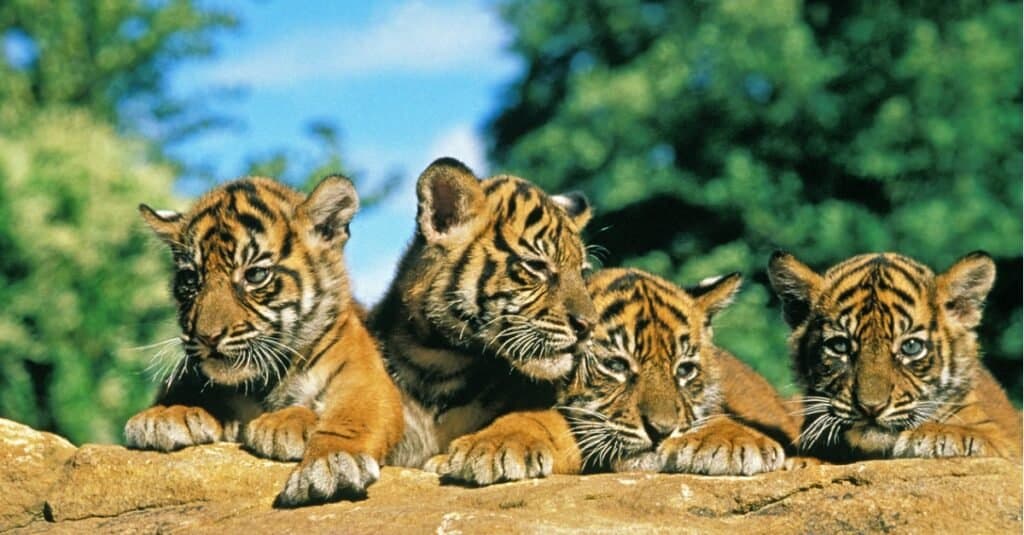
Sumatran tigers have an extremely fragmented population.
©iStock.com/slowmotiongli
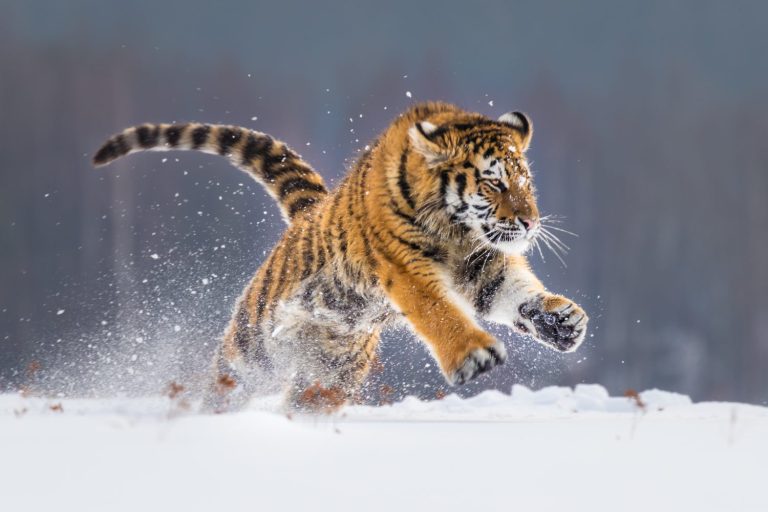
There are around 4,000 tigers left in the wild, and they are split into several distinct populations. Many of these populations are extremely fragmented. One of the most fragmented populations is the Sumatran tiger, which lives on Sumatra but is extremely vulnerable to habitat loss. This is due to vast swaths of forest being cleared for palm oil production. Indochinese and Malayan tigers also face similar fragmentation, with both populations being split into isolated pockets of habitat in their respective regions. Malayan tigers have one of the smallest populations, with just 80 to 100 mature animals.
Saola
Saolas are small bovines living in the Annamite Mountain region of Laos and Vietnam. There are no formal surveys of the population, but it’s estimated that only a few hundred survive, possibly fewer. The population is extremely fragmented by expanding agriculture and human settlements. Hunting is also a major threat to saolas, although they aren’t usually the target. Instead, they are caught in snares, shot, or hunted with dogs by poachers who are hunting animals such as tigers and deer within the saola’s range.
New Caledonian Owlet-Nightjar
One of the rarest birds in the world is the New Caledonian owlet-nightjar. These birds are greyish-brown to black, with a rounded tail and wings. They are endemic to the islands of New Caledonia in the Pacific Ocean and live in extremely remote forests. Confirmed sightings are rare, with the last potential one coming in 1998. Scientists believe these birds still exist, but the population is estimated to consist of fewer than 50 individuals. The greatest threats to them are thought to be predation of eggs and chicks by animals such as rats, which have been introduced to the islands.
Cross River Gorilla
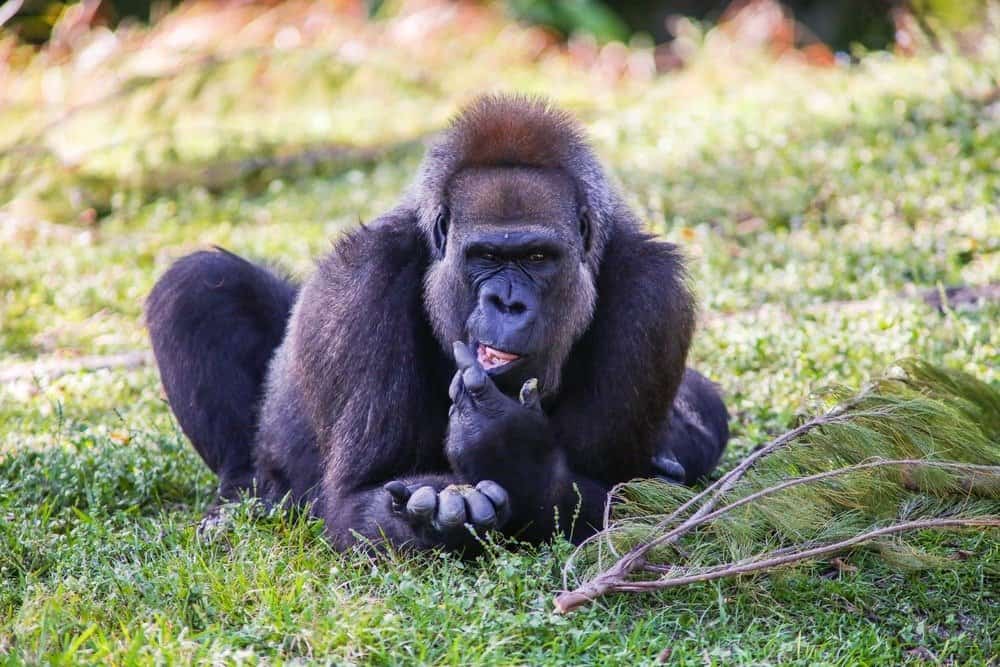
Cross River gorillas are completely isolated from other gorilla populations.
©Kit Korzun/Shutterstock.com
The Cross River gorilla is a rare subspecies of the western gorilla that lives in dense forests around the Cross River on the Nigeria-Cameroon border. Cross River gorillas are completely isolated from other western gorilla populations, with the nearest being around 120 miles away. There are fewer than 300 Cross River gorillas, and they live in small groups of around four to seven individuals. Groups usually consist of a male, several females, and their offspring. Cross River gorillas have a slow reproduction rate and give birth just once every four to five years. Expanding human settlements and agricultural land are among the greatest threats to these gorillas, as they risk pushing gorillas into smaller areas and fragmenting the population further. However, fragmentation and the small population size are also leading to a lack of genetic diversity, making them more vulnerable to disease.
Rice’s Whale
One of the rarest whales in the world is the Rice’s whale, which lives only in the northeastern region of the Gulf of Mexico. Rice’s whales can reach 40 feet long, with their head being around one quarter of their entire length. Rice’s whales are baleen whales, so they feed on crustaceans and small fish. They typically spend their days diving down to the ocean floor but spend the night near the surface. This puts them at risk of vessel strikes due to the high amount of traffic in the area. However, entanglement in fishing gear is also an issue. It is estimated that there are just 51 Rice’s whales left, and the population continues to decline.