
Quick Take
- Arizona's Salt River horses face pressure from a population that is considered too high for their range to sustainably support. See the herd's history →
- Plans to reduce the herd have raised concerns about maintaining its genetic diversity and avoiding inbreeding. Explore the hidden risk →
- Researchers are using a non-invasive DNA study to investigate the genetic health and long-term viability of the horses. See the DNA method →
- The target herd size has been increased from 120 to 170, while removals have been suspended through 2027.
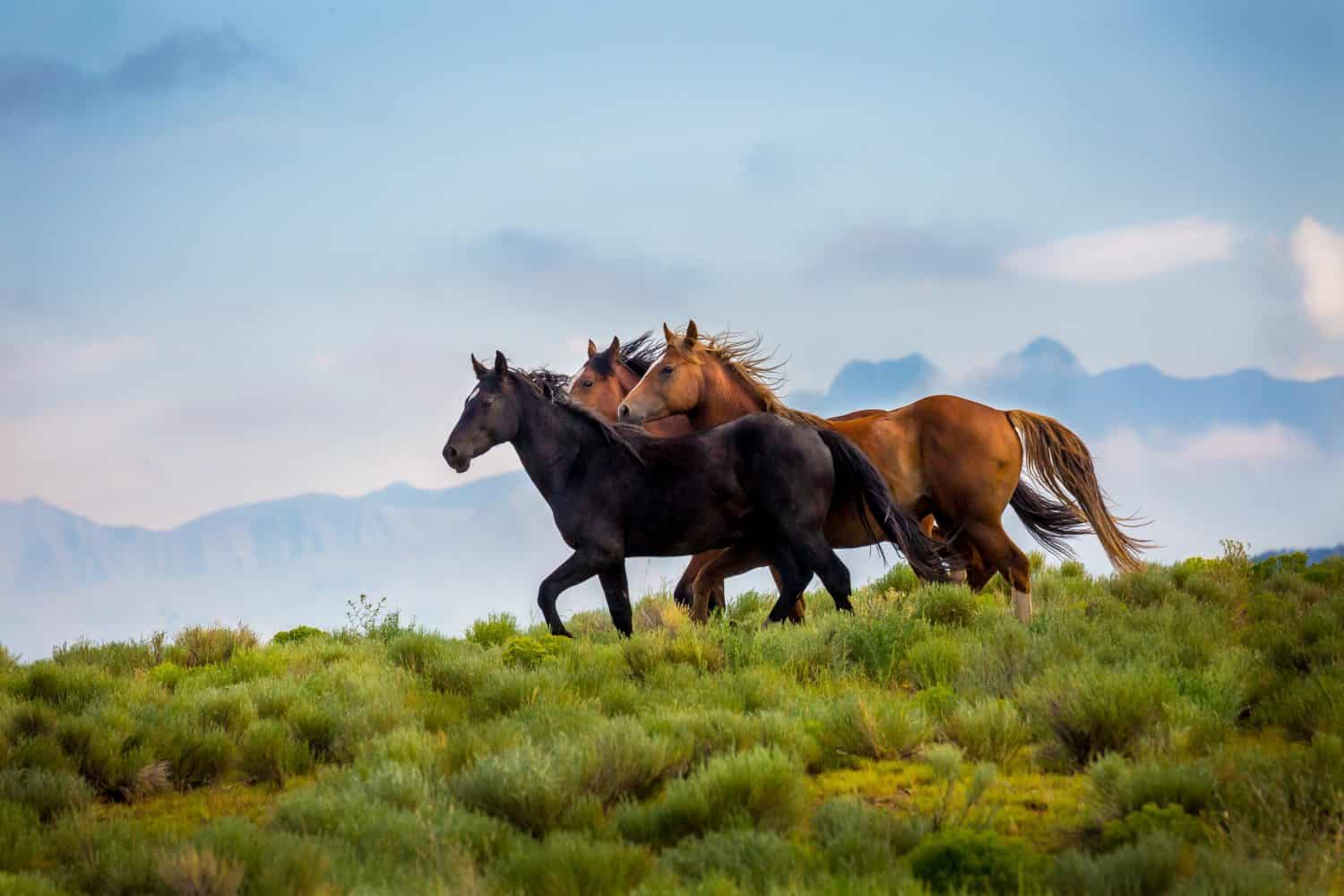
Wild horses roaming free across the landscape are a joy to watch. One of the United States’ most unique populations is Arizona’s Salt River horses, which have been living along the lower Salt River for more than one hundred years. Protecting these horses is a challenge, which is why the state has just launched a new DNA study to help assess the overall herd health. Let’s discover what it can tell us and why it’s important for the long-term prospects of these horses.
How Many Horses Can the Range Support?
Arizona has a long history of wild horses, with some populations originating from the horses brought over by the Spanish in the 1600s. Arizona’s most iconic population is the Salt River herd, which lives in a 20,000-acre area of land in the Tonto National Forest. Their range includes a 16-mile stretch of the Salt River, which provides some of the richest grazing land in the region. The herd has lived there for well over a century. They were even there before the National Forest was formed in 1905, making them an important part of the state’s heritage.
Although the horses are truly wild, their population is monitored to ensure that the landscape can accommodate them. The herd currently consists of around 274 horses. However, this is significantly less than the almost 500 individuals that made up the herd just a few years ago.
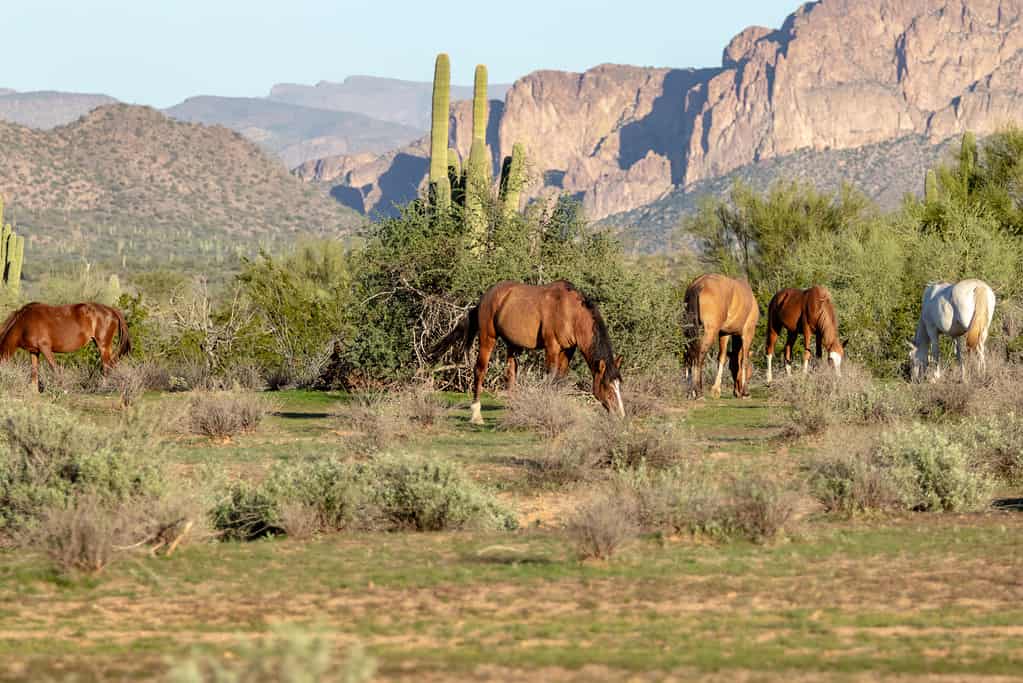
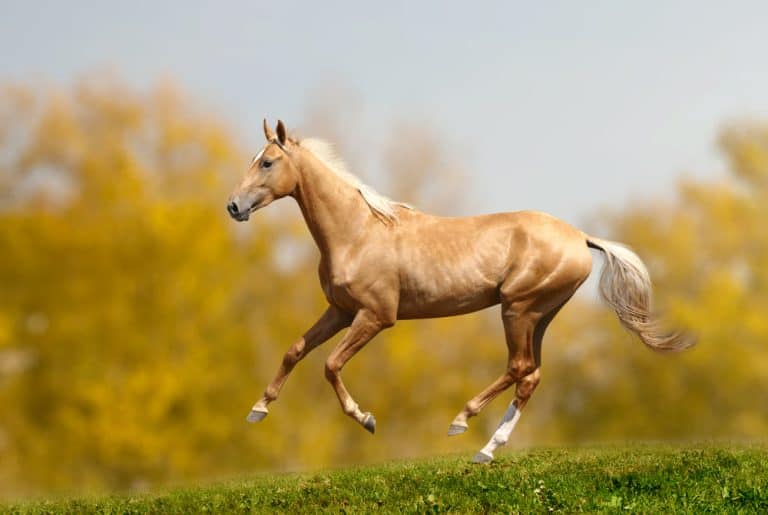
Arizona’s Salt River horses are at risk of putting too much pressure on their habitat.
©Mary Herron/iStock via Getty Images
Currently, the number of wild horses is too high for the area to sustain long-term. If the numbers remain too high, the herd will continue to put pressure on the ecosystem. This can lead to poorer grass and vegetation, which means a lack of food for the horses. Water levels are also an important consideration. The lower Salt River is closely linked with the Stewart Mountain Dam, and in winter the river is sometimes reduced to just a trickle. These factors have led to proposals to reduce the size of the herd. However, reducing the number of horses to ease pressure on the ecosystem comes with its own challenge, as it’s also important to make sure that the herd maintains its genetic diversity.
Why Is Managing the Herd So Difficult?
Finding the right balance between protecting the ecosystem and maintaining a healthy population has proved challenging. The target herd size was initially set at 120, with 25 horses per year being scheduled for removal until the target was reached. Although removing horses would protect the landscape, concerns were raised that removing too many could leave the herd too small or affect its genetic diversity. A smaller population can be more vulnerable to inbreeding if the remaining horses are too closely related.
To combat these risks, a recent policy change has now seen the target herd size increased to 170. The state governor has also suspended the removal of horses from the range through 2027. To try and ensure the long-term health of the horses, Arizona has also launched a new DNA study to assess the health and genetics of the herd.
What Can the DNA Study Tell Us?
The two-year study is going to be carried out by researchers from the University of Arizona and Northern Arizona University. Rather than using any invasive methods, the research team will track the herd and collect and analyze manure samples. They will document which sample belongs to each horse.
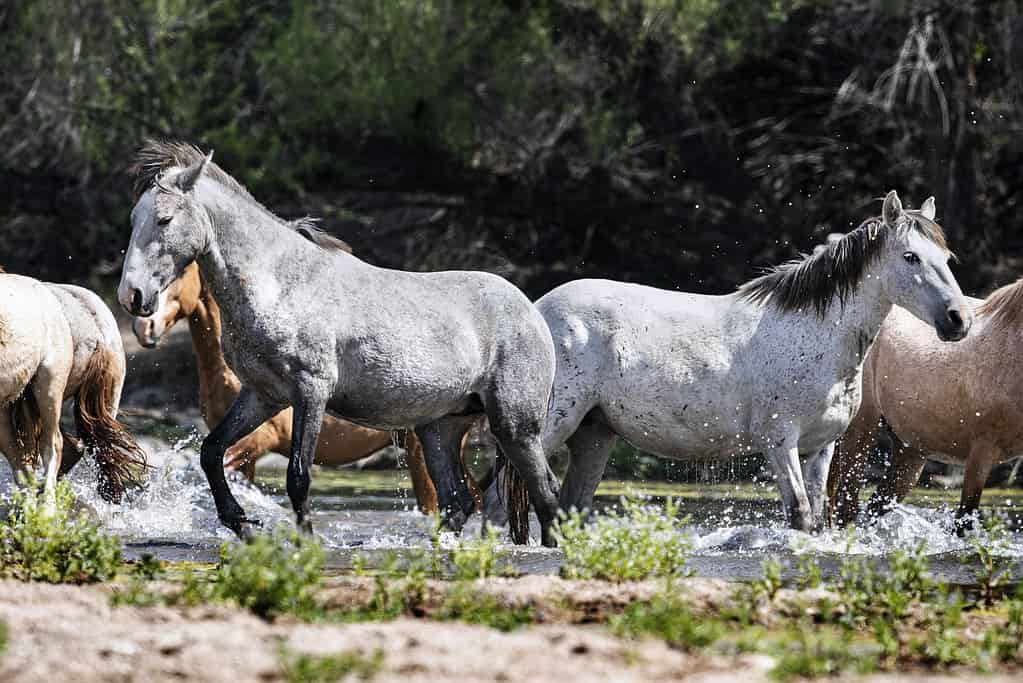
The study will assess the genetic diversity of the herd.
©Carol Gray/iStock via Getty Images
The study will use DNA to assess which horses are contributing to the herd’s population. This will help researchers understand if reducing the population could affect the herd’s genetic diversity.
Removing horses randomly could have resulted in high risk of inbreeding, leading to more long-term health issues. The study will help to determine which horses can be safely removed from the herd and which ones should be left, protecting the overall genetic diversity. The suspension of removals through 2027 provides time for the researchers to carry out the study and analyze the results. Future decisions will be made with a clearer understanding of herd health, rather than based on population size alone.