
Where there is water, there is life, they say, and Iowa — a state in the Midwestern region of the United States — has two prominent rivers bordering it. The Mississippi River defines Iowa’s eastern border, while the Missouri River outlines its western edge. It is no surprise that Iowa makes an excellent breeding ground for various species. In fact, no other state comes close to Iowa in terms of pork production — Iowa has the highest population of pigs in the United States. Aside from pigs, though, there are a lot of fascinating animals in Iowa. Today, we’ll focus on the largest animals in Iowa and where you can find them.
1. Bison
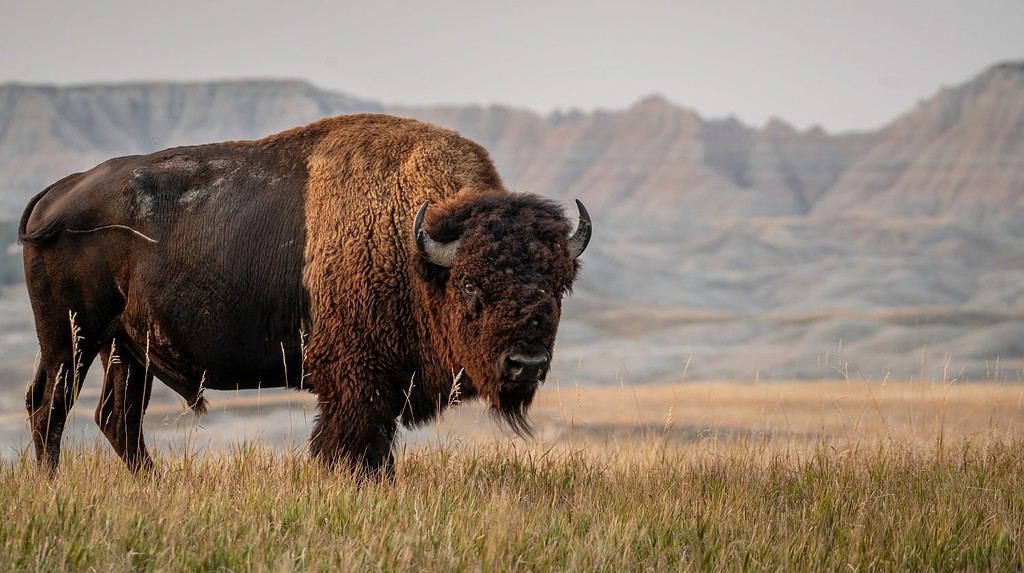
Bison are the largest animals in Iowa.
©Tim Malek/Shutterstock.com
The largest animal in Iowa is the bison. Although bison once roamed the state in vast herds, they were hunted to extinction. However, bison have once again returned to the state, and there are several captive herds, including at the Neal Smith National Wildlife Refuge, where they live in an 800-acre area to help the prairie ecosystem. Bison are huge animals and weigh in at anything between 700 and 2,600 pounds. They can also reach 6ft 7in at the shoulder.
2. Black Bear
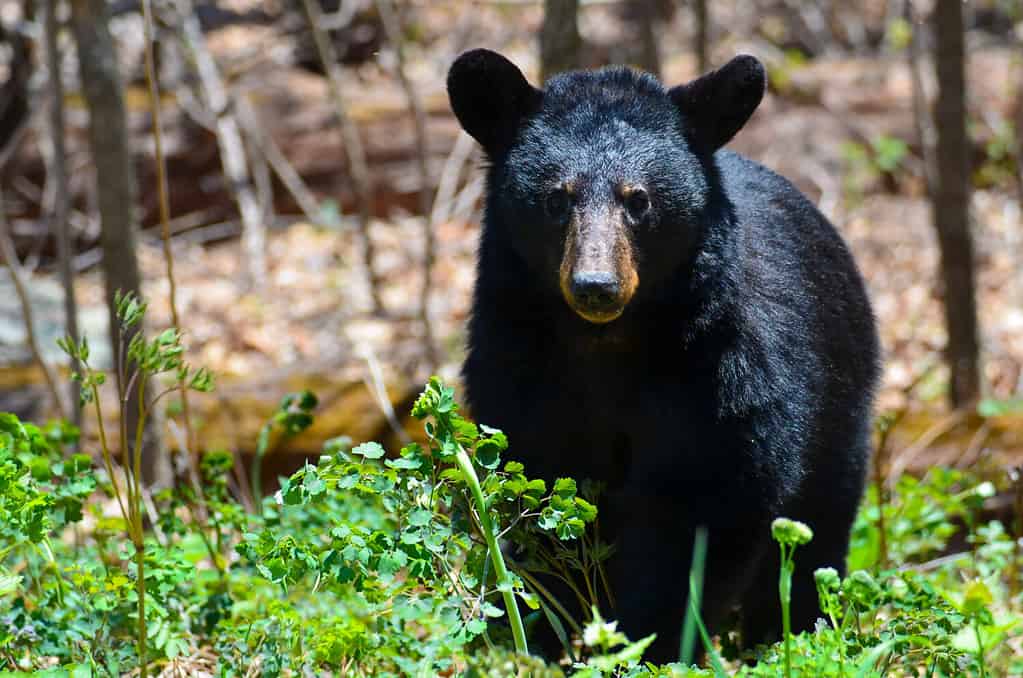
There is a smattering of black bears in the woods around rivers in Iowa.
©Orhan Cam/Shutterstock.com
Black bears aren’t uncommon in the Upper Midwest. They live in deciduous forests and the alpines. They rarely inhabit open plains. Black bears do not currently inhabit Iowa, but there are a handful of sightings of them in the state every year when they have strayed across the border.
Black bears are omnivores and can eat berries, grains, and meat. Only about 30% of a bear’s diet comes from animal proteins. Bears rarely attack humans; they prefer to keep their distance, but you should always take care when in an area that bears could inhabit. American black bears reach around 47 to 79 inches long, and adult males can weigh up to 550 pounds.
3. Mountain Lion
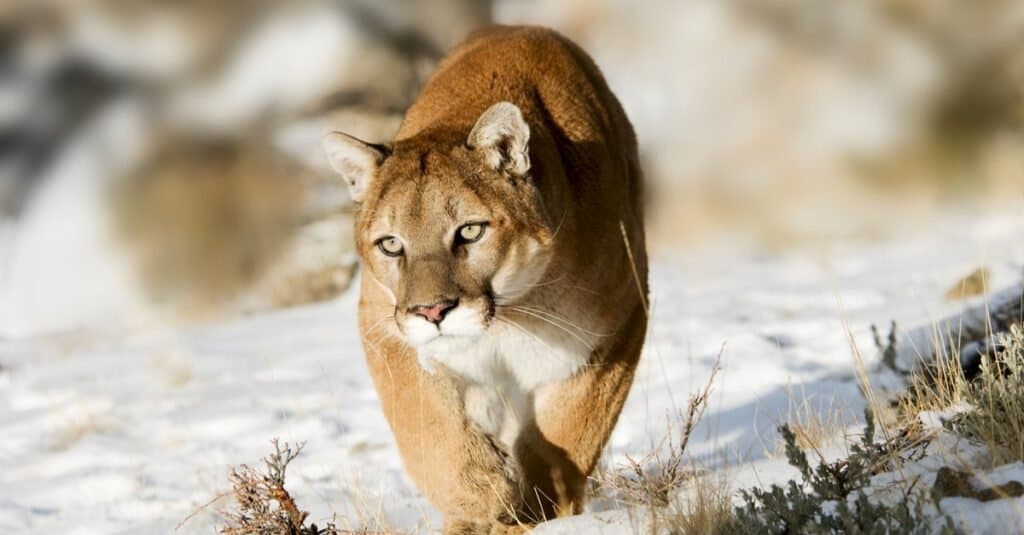
Mountain lions have been spotted in Iowa.
©Scott E Read/Shutterstock.com
Call it a panther, puma, or cougar, the mountain lion is one of the largest cats we know. Mountain lions are excellent ambush predators. They prey on a variety of mammals, but have a preference for deer. Mountain lions are adaptable animals and live in a wide range of habitats, including forests and mountains. An adult male lion weighs up to 200 pounds, although females are generally smaller.
4. White-tailed Deer
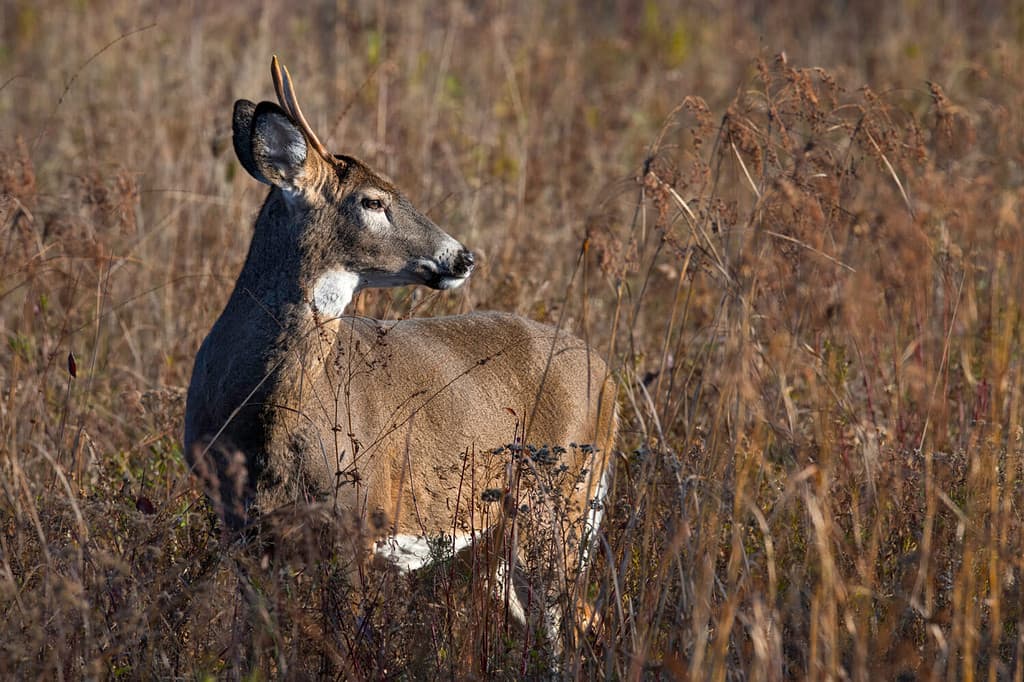
Whitetail deer can be found throughout Iowa.
©Dean Bouton/Shutterstock.com
White-tailed deer live right across Iowa, where they typically inhabit forests and fields. These deer are named for the distinctive white patch on their tail, which can be seen when they raise their tail in alarm. White-tailed deer are medium-sized animals and exhibit sexual dimorphism, with the males being larger than the females. Male white-tailed deer typically weigh between 150 and 300 pounds and have a shoulder height of up to 47 inches. Females are usually between 90 and 200 pounds.
5. Foxes
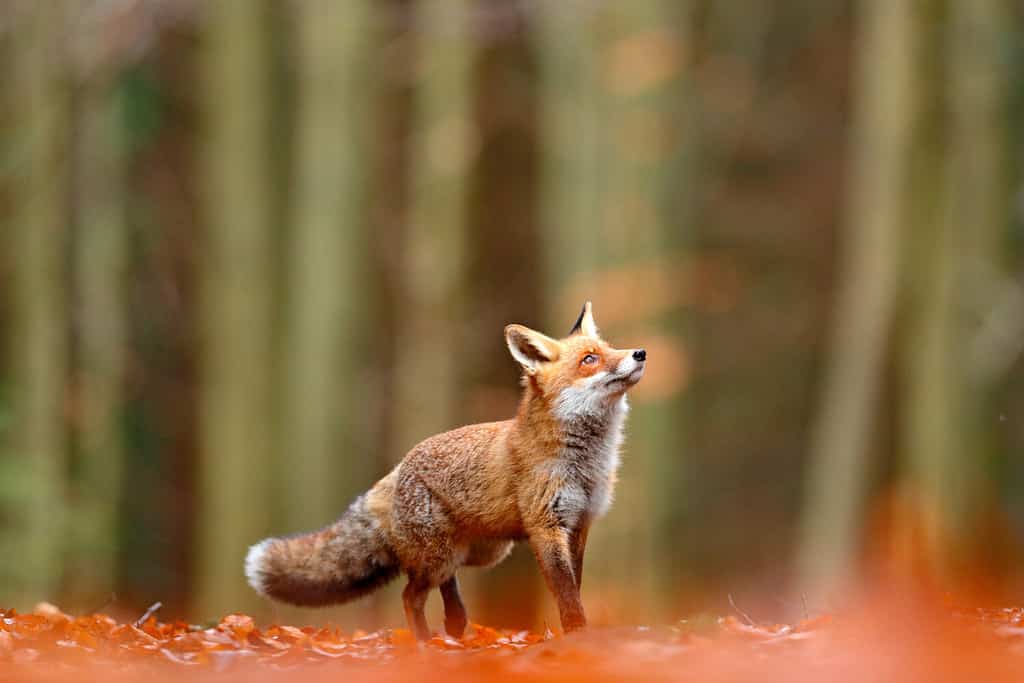
There are two species of foxes in Iowa.
©Ondrej Prosicky/Shutterstock.com
Foxes are some of the most common animals in Iowa, and the state is home to two species — the red fox and the grey fox. Red foxes are the larger of the two and are around 14 to 20 inches at the shoulder and 18 to 35 inches long, not including their tail. They can also weigh up to 30 pounds, although females are smaller than males. Foxes are extremely adaptable animals and can be found in a wide range of habitats, including urban areas. They are omnivores and eat fruit, insects, worms, and small mammals.
6. Coyotes
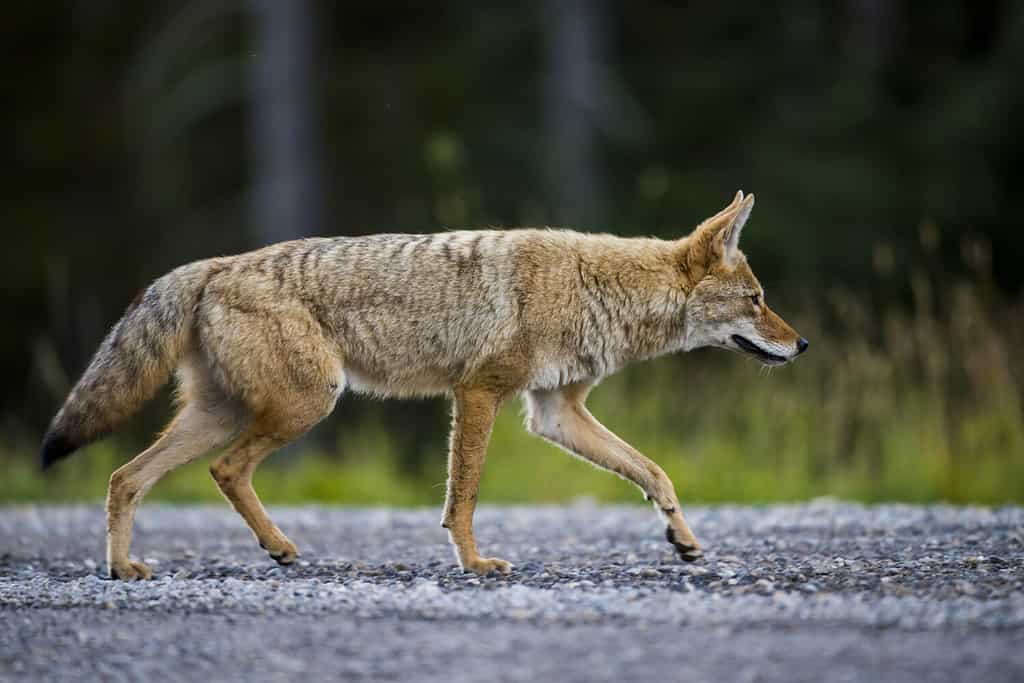
One of the most common predators in Iowa is the coyote.
©BGSmith/Shutterstock.com
Another animal that is widespread across the state is the coyote. Coyotes mainly inhabit forests, grasslands, and mountains. However, they have also been observed close to human areas. Coyotes predominantly have a light grey appearance, and males can weigh up to 44 pounds, with females being a little smaller at up to 40 pounds. They can be up to 4.5 feet long, including their tail. Coyotes prey on a variety of small mammals, but may also eat birds and reptiles.
7. Bobcats
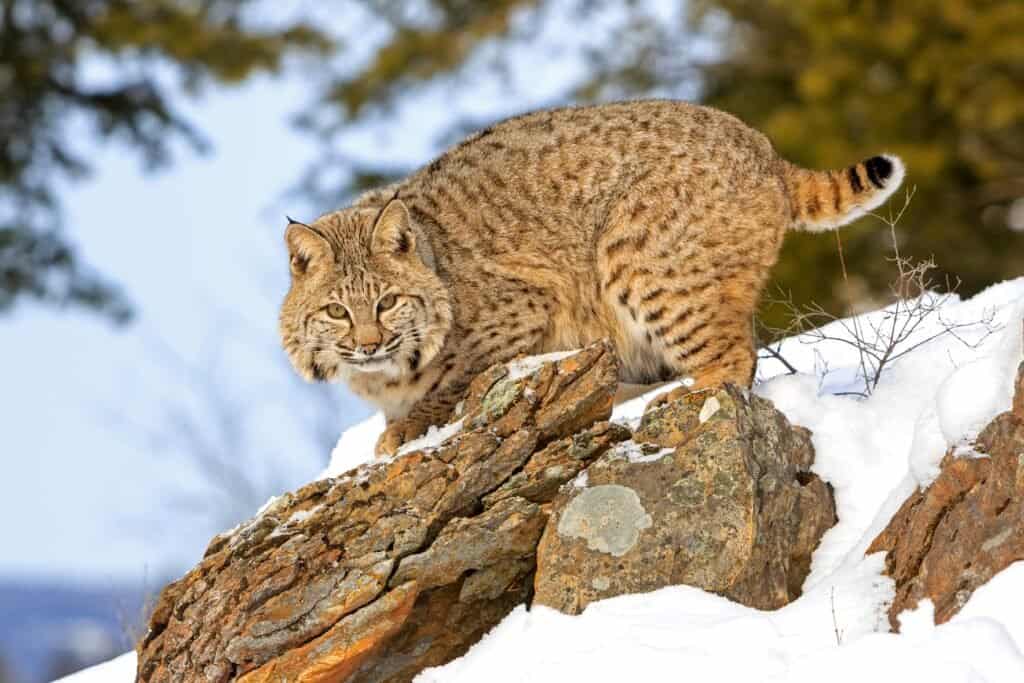
Bobcats can be found in Iowa’s southern region, but they are not easy to spot.
©Jack Bell Photography/Shutterstock.com
The final animal on our list is the bobcat, which is named for its distinctive, short tail. Bobcats typically have a greyish brown appearance and can be up to 50 inches long, including their tail. Males can weigh up to 40 pounds, but females are a little smaller. Bobcats are opportunistic predators and prey on small to medium-sized mammals, including rodents, rabbits, and small deer. Bobcats mainly inhabit the southern region of Iowa, where they can be found in forests and grasslands. The population of bobcats in Iowa now exceeds 4,000, which is an incredible comeback, as they were almost extinct within the state at one point and were named as a state-endangered animal in 1977.
What to Do if You Encounter a Predator
If you do happen to come across a large predator while out and about in Iowa then it’s important to remain calm. Maintain eye contact and don’t crouch. The animal may think you want to attack if you assume a low stance. Stay upright, maintain eye contact, and back away slowly. Don’t run. Running stimulates an animal’s survival instincts. They assume you are prey if you run, so they’ll chase you.
There are also a couple of ways that you can minimize the chances of running into a large animal in the first place. For one, never attempt to feed a wild animal. Also, make some loud sounds. Don’t make startling noises, but don’t try to conceal your presence. Making some noise lets animals know there are humans around, and they can give you a wide berth or walk away. Surprisingly, animals are as unwilling to run into us as we are them. Making loud noises will help scare off the animal.