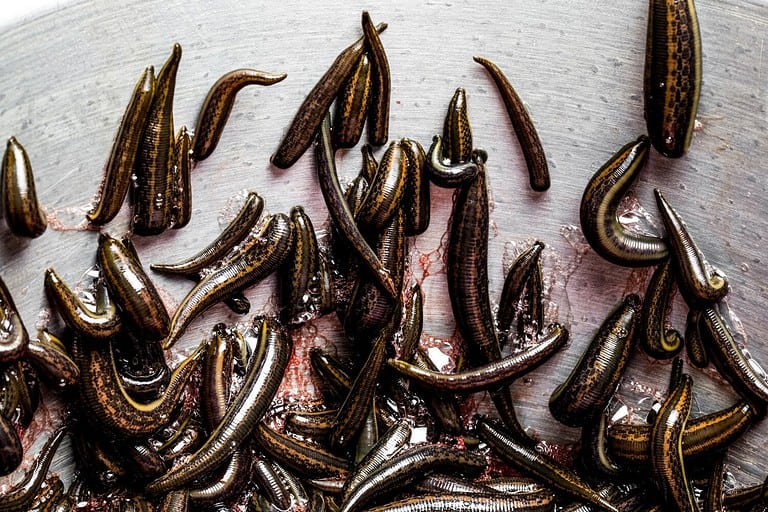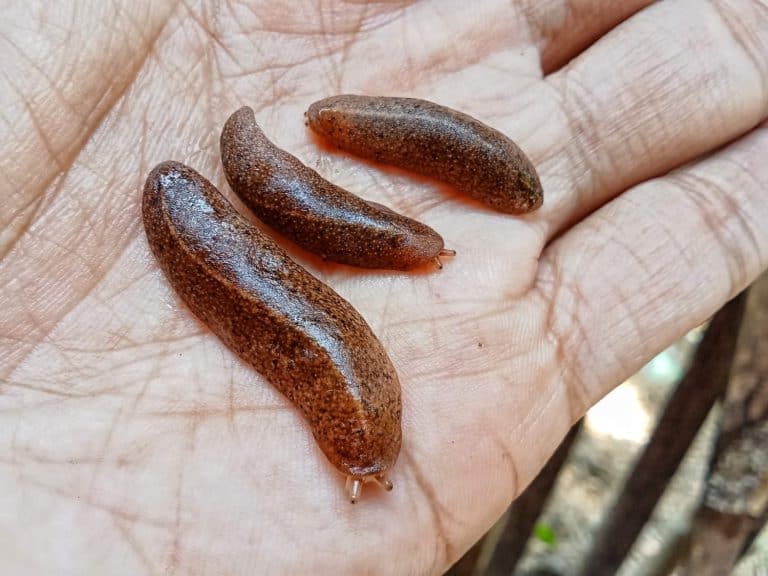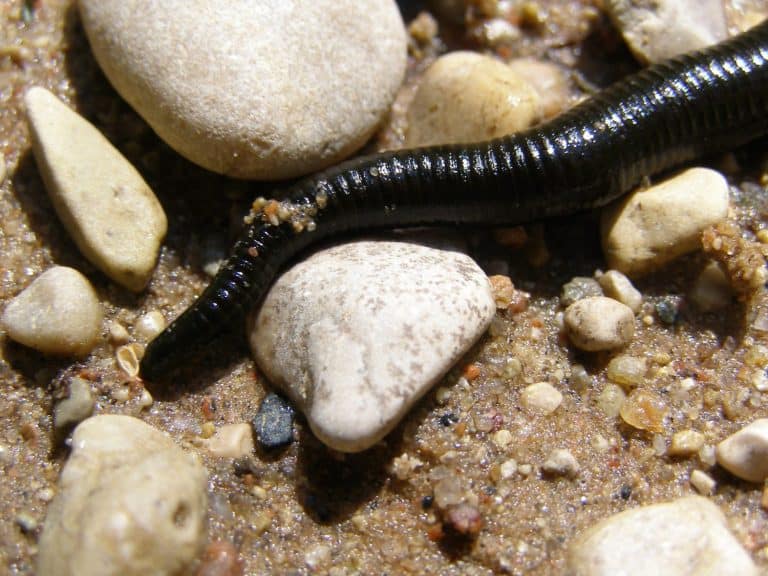

There is a lot more to this blood-sucking, wound-cleaning relative of the earthworm than most people realize. The surprising truth is that not all leeches suck blood; many of them simply scavenge for detritus, and some eat baby toads! They also play a vital role in maintaining the health of delicate ecosystems, so they deserve to be admired rather than reviled. Here we will lead you beyond the blood to the fascinating world of leeches.
All About Leeches
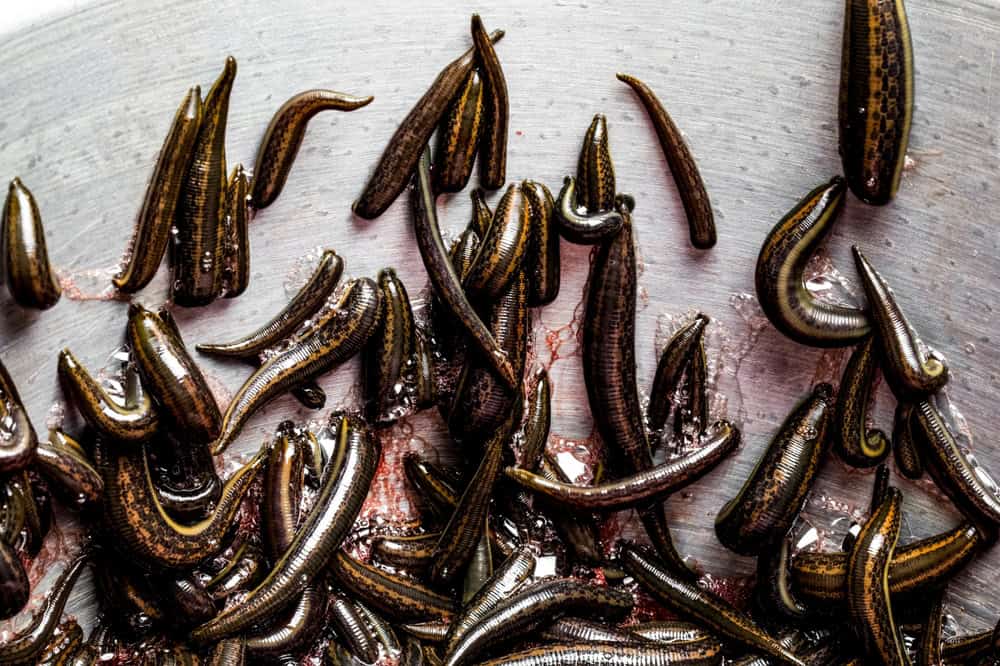
Leeches are segmented worms known as annelids, and they are more complex and specialized than their simpler relative, the earthworm. Overall, there are more than 600 species belonging to two major infraclasses. Most of them have suckers at both ends of their bodies, but the Acanthobdellida only have suckers at the front. Leeches are hermaphrodites and have both male and female sex organs, which are located in a swelling near their head.
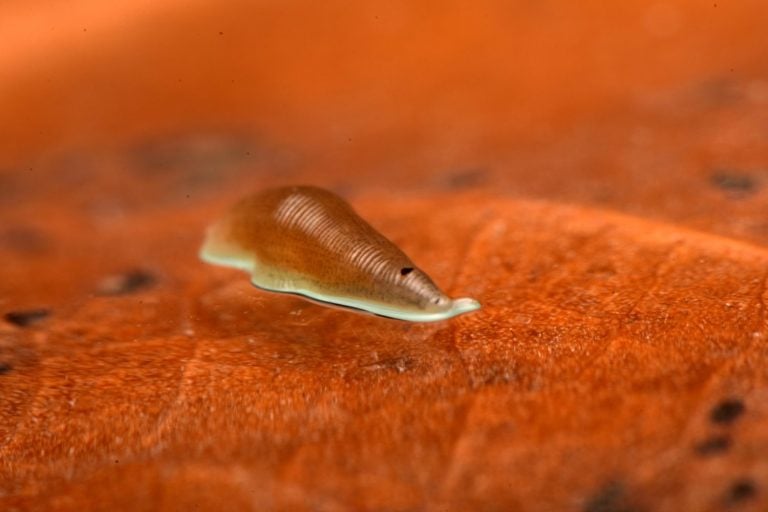
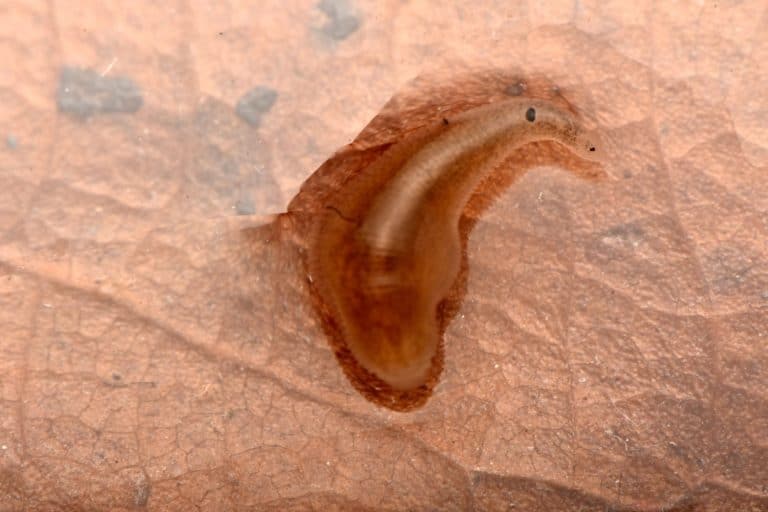
They have flattened, bilaterally symmetrical bodies, meaning their right and left sides are mirror images of each other. However, leeches vary greatly in other aspects of body shape and size. Some are long and thin, while others are more pear-shaped and broad. Because leeches are segmented and their bodies can elongate and contract, their shapes can change significantly. Additionally, they look very different after feeding compared to when they are starving. The giant Amazon leech can be 17.7 inches long!
Sanguivorous Creatures
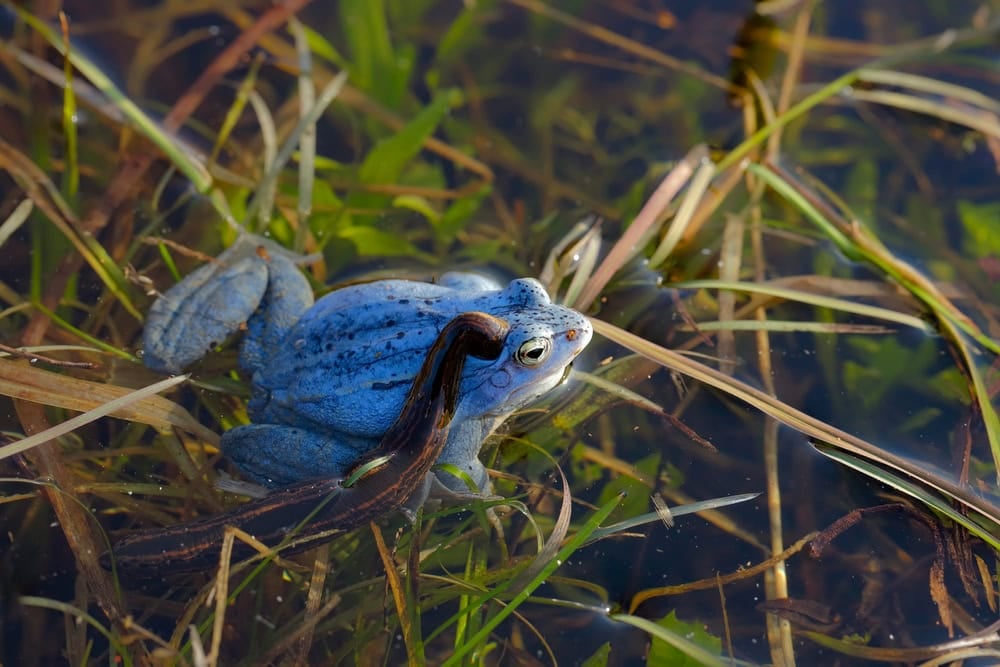
Not all leeches feed on mammals.
©Marek Mierzejewski/Shutterstock.com
Of course, leeches do indeed suck blood, and these are called sanguivorous. However, they are not all waiting to latch onto humans! Each leech species has a preferred host and will only feed on other animals if that host is not around. Contrary to popular opinion, not all of these hosts are warm-blooded animals.
The jawed leeches or Gnathobdellida use their jaws armed with teeth to bite their host, and sometimes that can be a human. However, most of them feed on other invertebrates, particularly snails. Some feed on the bodily fluids of fish and amphibian tadpoles. Other target hosts include adult amphibians, water birds, and mammals. One species, Theromyzon tessulatum, specializes in feeding in the nasal cavity of ducks!
Meanwhile, jawless leeches, or Rhyncobdellida, have a needle-like protrusion called a proboscis. Many of them feed on the body fluids of worms and small freshwater snails. The Piscicolidae, however, feed exclusively on fish and use their proboscis to penetrate the skin on the underside of the fish’s body. Some leeches suck the blood of other leeches, which die after the attack. After gorging themselves on blood, they can go several months before needing another meal.
Leeches That Swallow Prey Whole
Around half of all leech species do not suck blood at all! They either have no jaws or teeth, or they have very weak jaws. They also do not have any sucking apparatus. Instead, they swallow their prey whole. The horse leech, Haemopis sanguisuga, is one such example. They swallow small invertebrates and amphibians, including baby toadlets. Other species feed on invertebrates.
Helobdella species of freshwater leeches can catch and eat California blackworms, despite the worms’ ability to swim in a corkscrew-like path (helical swimming) to evade most predators. It does this by using its anterior sucker to latch onto a worm and swiftly envelops it in a spiral cocoon in what is termed an “entombment” process.
Scavenging Leeches
In addition to using the above feeding methods, some leech species will also scavenge for detritus in aquatic habitats. The horse leech feeds on the bodies of wounded or dead fish and amphibians. Others feed on insect larvae and other tiny creatures.
Leeches and Ecosystems
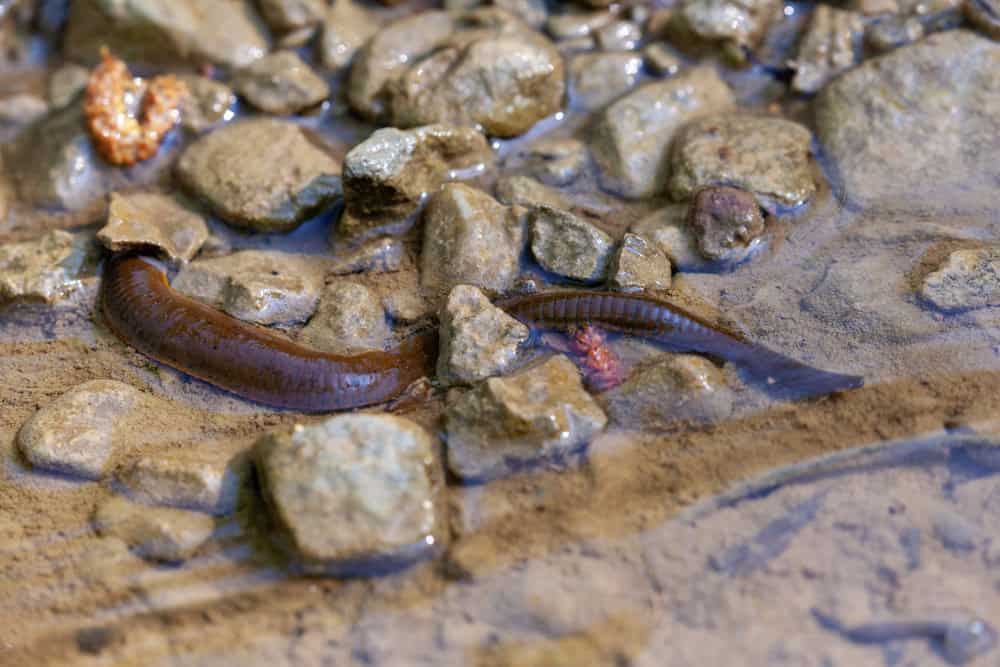
As detritivores, leeches clean up ecosystems.
©goran_safarek/Shutterstock.com
The humble leech has been described as an ‘ecological engineer’ in the areas it inhabits. They play a vital role in maintaining the balance of delicate ecosystems. Because they prey on invertebrates such as insects, they help regulate their populations and prevent them from growing to numbers that would strip the area of resources. They are also superb at recycling nutrients in aquatic ecosystems. After feeding, they excrete waste into the water, which can be absorbed by other organisms, including aquatic plants, bacteria, and algae.
Their role as detritivores (animals that eat detritus) is also essential for cleaning up ecosystems. They clear away dead and decaying matter that would otherwise cause a damaging build-up of harmful bacteria and algae. This could deplete the water’s oxygen content and put other aquatic animals in danger. There are some reports, such as a Chinese patent, suggesting that leeches raised in rice paddy fields may help eliminate certain pests due to their feeding habits. Some have speculated about a potential role for leeches in sustainable farming.