
Could monkeys become our new favorite drinking buddies? As a rule of thumb, alcohol is not recommended for animals as it can be toxic to them. However, some clever chimpanzees have gotten around this by figuring out a different way to get a buzz — and we are suitably impressed! (Not to mention, we are grateful for this evolutionary advancement).
A Sept. 2025 study published in the Science Advances journal provides new evidence consistent with the long-held “drunken monkey” hypothesis. The drunken monkey hypothesis suggests that humans can consume alcohol because we evolved this trait from monkeys, who needed to break down highly fermented fruit containing a high percentage of ethanol. This new study estimates how much ethanol they ingest daily based on fruit consumption.
How Did the Study Work?
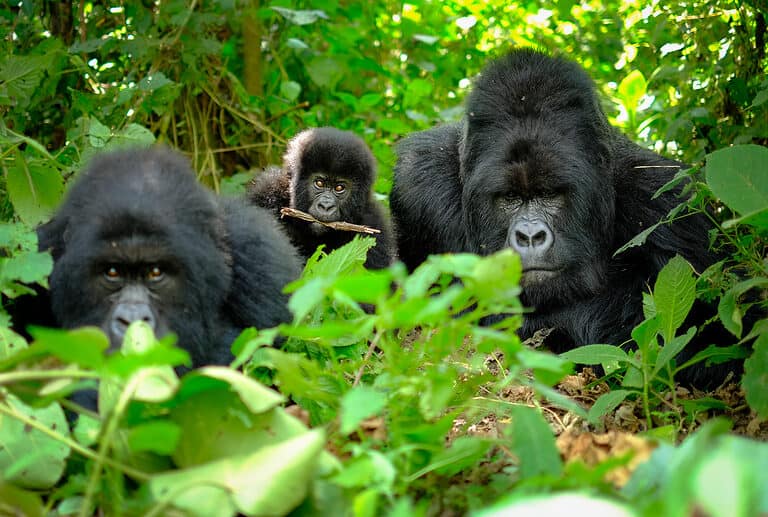
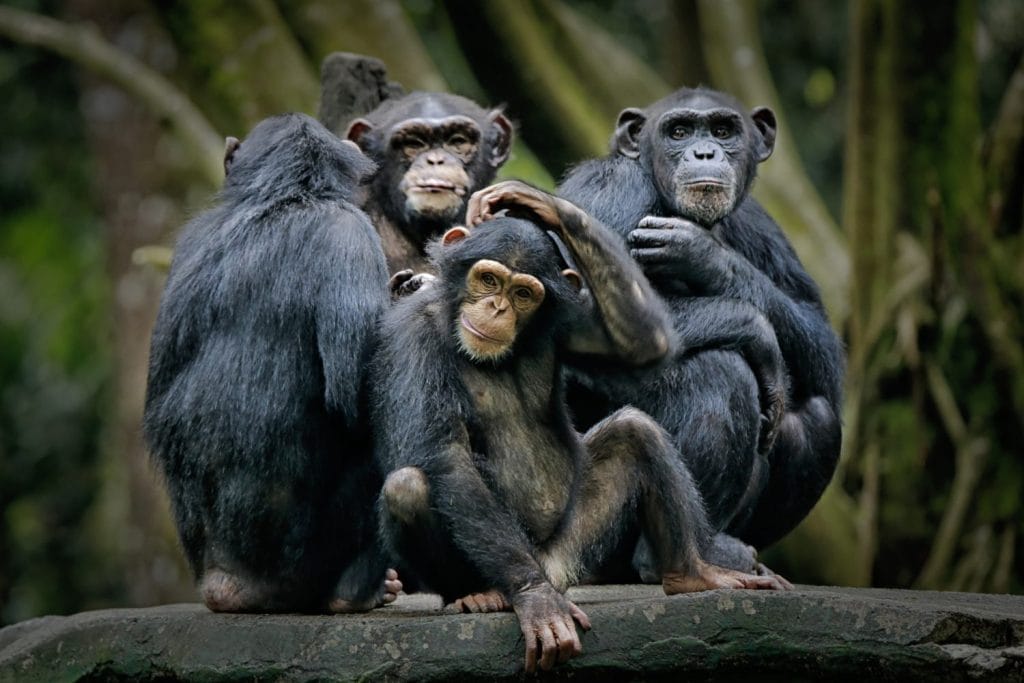
Chimpanzees may be to thank for our bodies being able to break down alcohol.
©Sam DCruz/Shutterstock.com
Researchers studied groups of chimpanzees in both the Ivory Coast and Uganda, estimating that the animals consumed approximately 14 grams (0.5 ounces) of ethanol per day through their fruit intake. This is equivalent to about 1.4 alcoholic drinks for a human. When adjusted for the chimp’s smaller size, it would be similar to a human consuming 2.6 alcoholic drinks per day. Talk about a good time!
“The chimps are eating 5 to 10% of their body weight a day in ripe fruit, so even low concentrations yield … a substantial dosage of alcohol,” Robert Dudley, senior study author and professor of integrative biology at the University of California, Berkeley, said in a statement, per CNN. He explained that this number is just an estimate, but if the chimps prefer riper or more sugar-rich fruits, they could potentially be consuming even more ethanol.
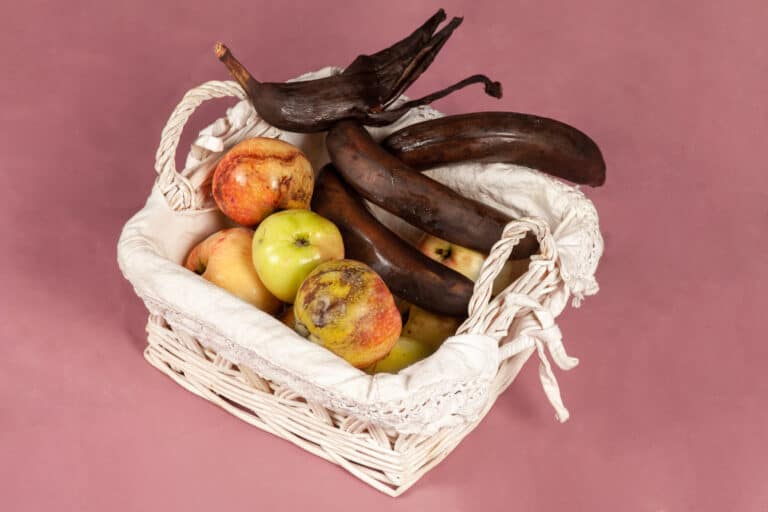
To gather data for this study, researchers sampled fruit pulp that chimps had eaten and discarded on the ground. They found that the fruit contained an average of 0.31 percent to 0.32 percent of ethanol, with the most commonly eaten fruits containing the highest alcohol content. In Uganda, the most commonly eaten fruit was a type of fig, while in the Ivory Coast, it was a plum-like fruit.
‘Drunken Monkey’ Hypothesis
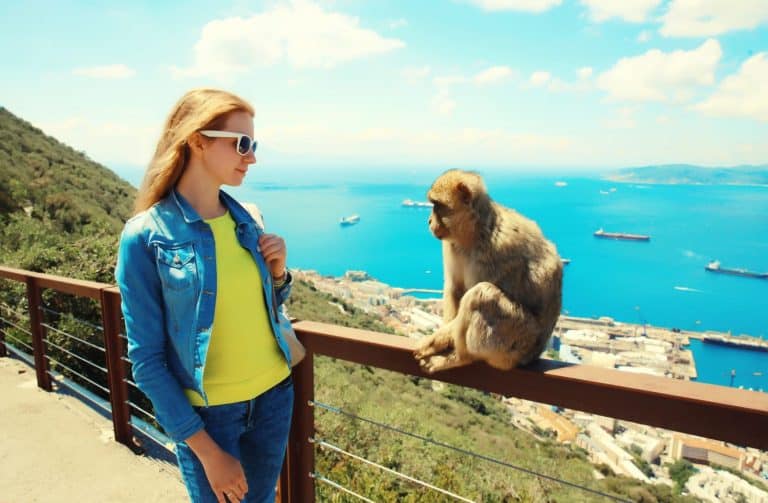
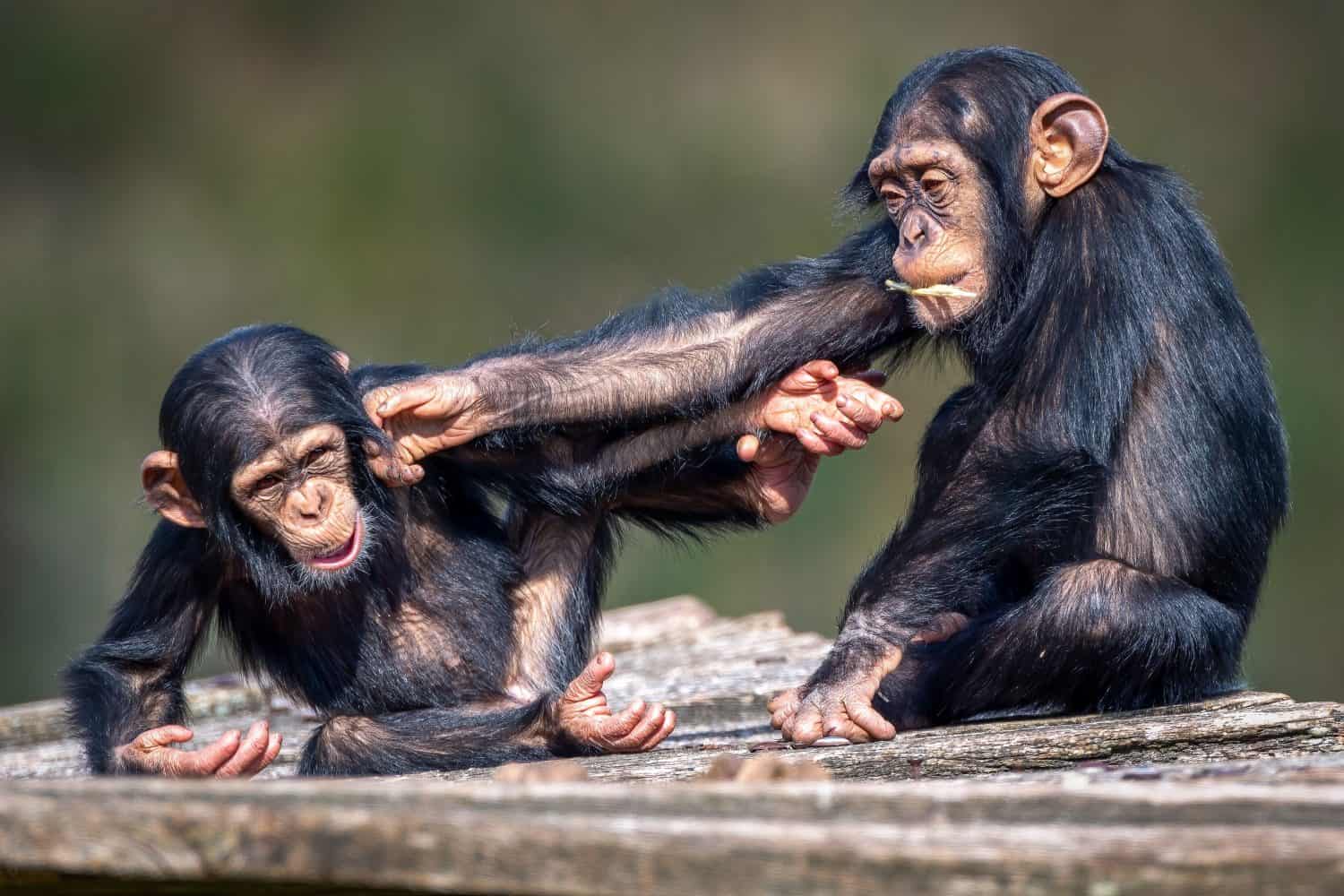
Monkeys may be drawn to the scent of fermenting fruit.
©Ari Wid/Shutterstock.com
The UC Berkeley biologist has been studying monkeys’ relationship with alcohol for years. Dudley is the one who first coined the idea that humans are attracted to spirits because apes from millions of years ago followed the scent of alcohol to ripe and fermenting fruit, which he called the “drunken monkey” hypothesis. Because their bodies evolved to break down alcohol, they may have passed this special ability on to us—so you can raise a glass to toast these amazing chimps.
A 2022 study seemed to confirm this, as primatologists from California State University, Northridge, found that black-handed spider monkeys in Panama consumed fruit with an alcohol fermentation between 1% and 2% by volume. This alcoholic fruit resulted from the natural fermentation process. The scientists collected urine samples after the primates ate the fruit and found evidence that the monkeys were metabolizing alcohol and using it for energy.
CSUN primatologist Dr. Christina Campbell said in a statement, “For the first time, we have been able to show, without a shadow of a doubt, that wild primates, with no human interference, consume fruit-containing ethanol.”
“This is just one study, and more need to be done, but it looks like there may be some truth to that ‘drunken monkey’ hypothesis — that the proclivity of humans to consume alcohol stems from a deep-rooted affinity of frugivorous (fruit-eating) primates for naturally-occurring ethanol within ripe fruit,” she added.
Are Chimps Getting Drunk?

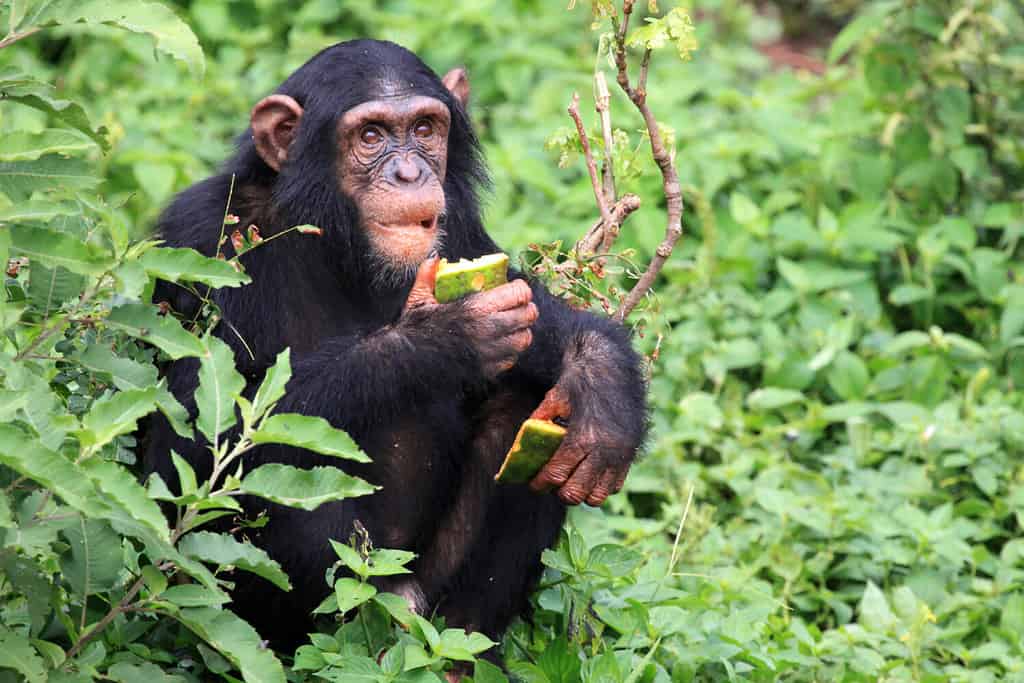
Despite being drawn to these alcoholic fruits, chimps don’t actually get drunk.
©Sergey Uryadnikov/Shutterstock.com
Here’s what we need to know, though: are chimps getting drunk?
Despite consuming a high level of ethanol, chimps aren’t actually getting drunk in the same way humans do. Study co-author and primatologist at UC Berkeley, Aleksey Maro, told Live Science, “They’re definitely not getting drunk. If you had two drinks split throughout the whole day, you wouldn’t feel much either.”
Chimps aren’t the only ones drawn to this type of food. In fact, many other animals will eat fruits containing ethanol, according to Dudley, who said that the animals are attracted to the smell. “It’s more characteristic of all fruit-eating animals and, in some cases, nectar-feeding animals,” he told CNN.
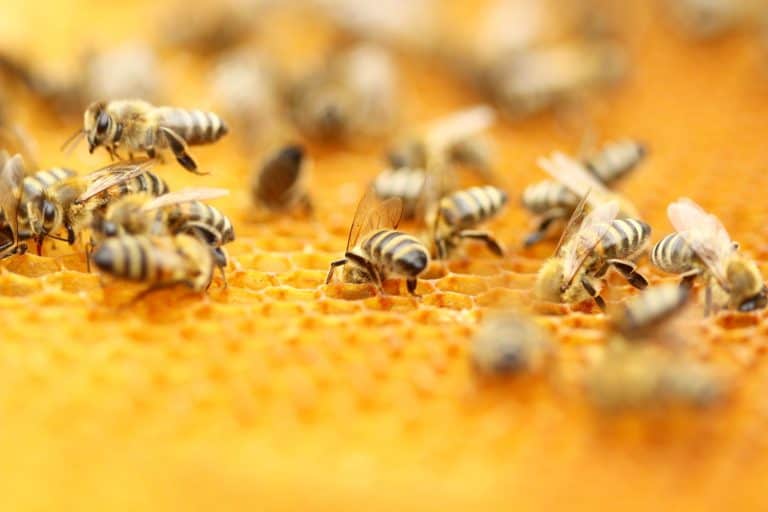
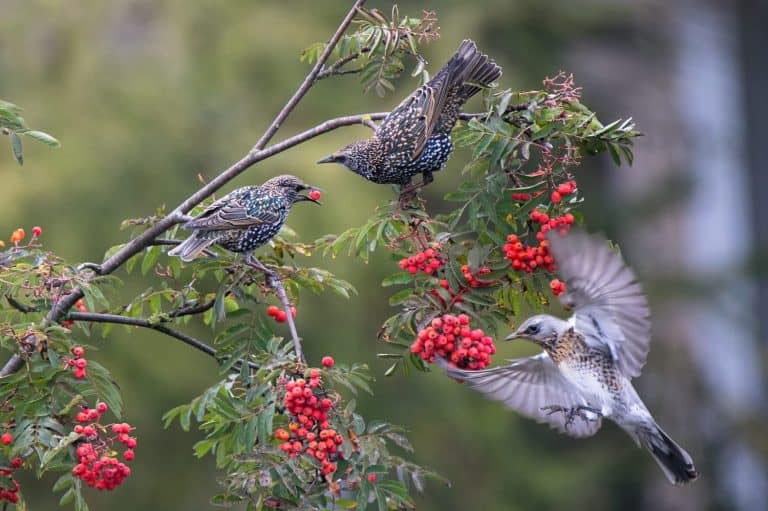
For example, bees can consume nectar that has fermented in the summer heat, causing the sugars to turn into alcohol. Different types of birds also consume this extra fermented fruit that is similar to alcohol. It’s no wonder we love a good wine-soaked sangria—the desire to consume alcoholic fruits is just part of our biology!