
Quick Take
- The animal most likely to kill a grizzly bear isn't a wolf, a mountain lion, or any other predator. The answer is far more unexpected. See the surprising answer →
- One animal on this list is usually the grizzly’s prey but has occasionally been documented killing a grizzly. How moose fight back →
- Humans are a major cause of grizzly deaths, but legal hunting is not the leading human-related cause. The leading human cause →
- A grizzly that can't find enough food before winter faces a chain of threats that goes far beyond just going hungry. Starvation's chain of threats →
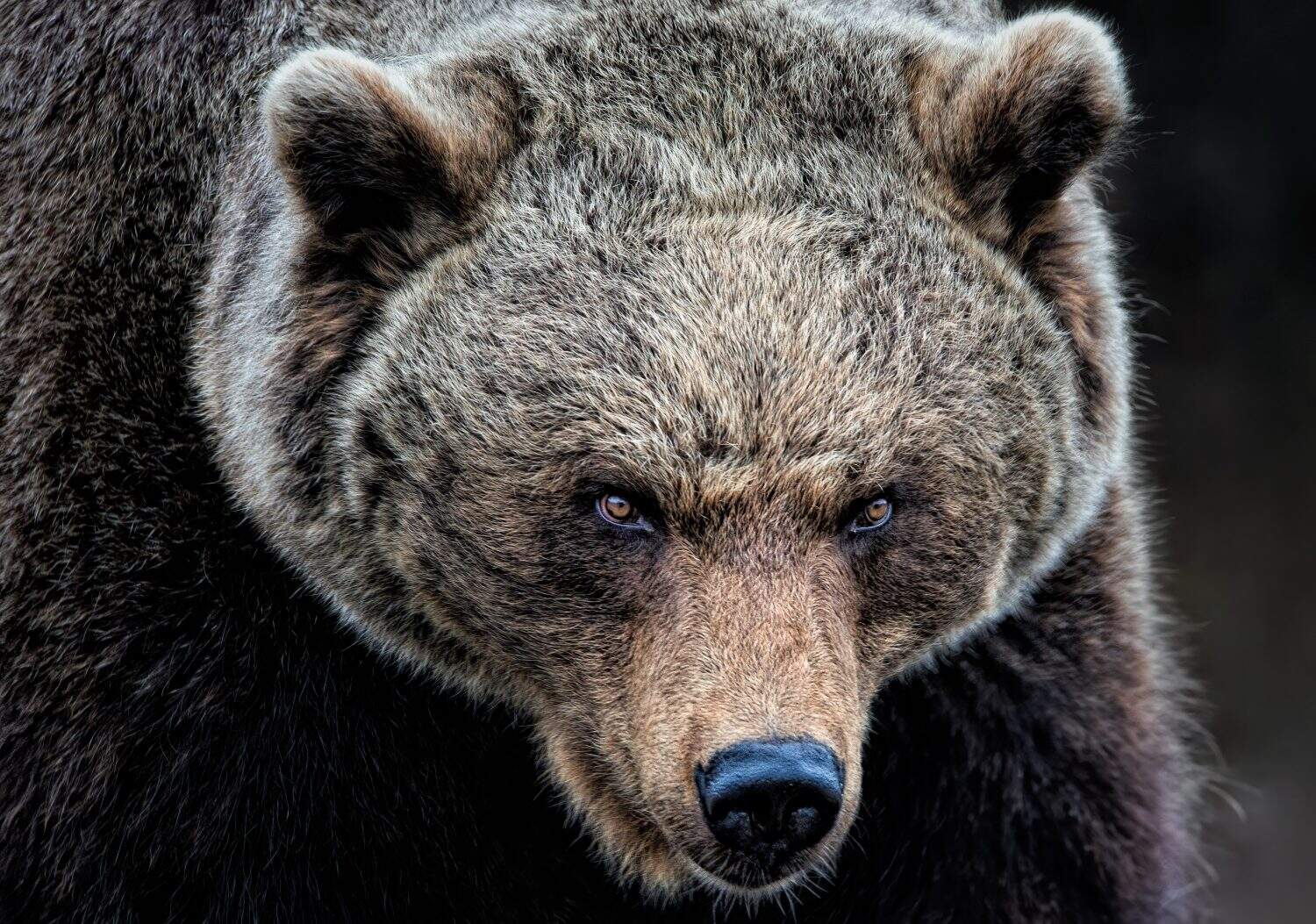
Grizzly bears are one of the largest and strongest animals found in North America. A full-grown male can weigh more than 700 pounds. Their size and power mean almost no other animal is willing to face off against a grizzly.
But that doesn’t mean these big, brown bears are invincible. While the list of animals that pose a threat to grizzly bears is short, the biggest dangers come from other factors altogether.
Here’s a breakdown of the predators and non-living threats that are most dangerous to the forest’s apex predator.
Continue reading
Other Grizzly Bears
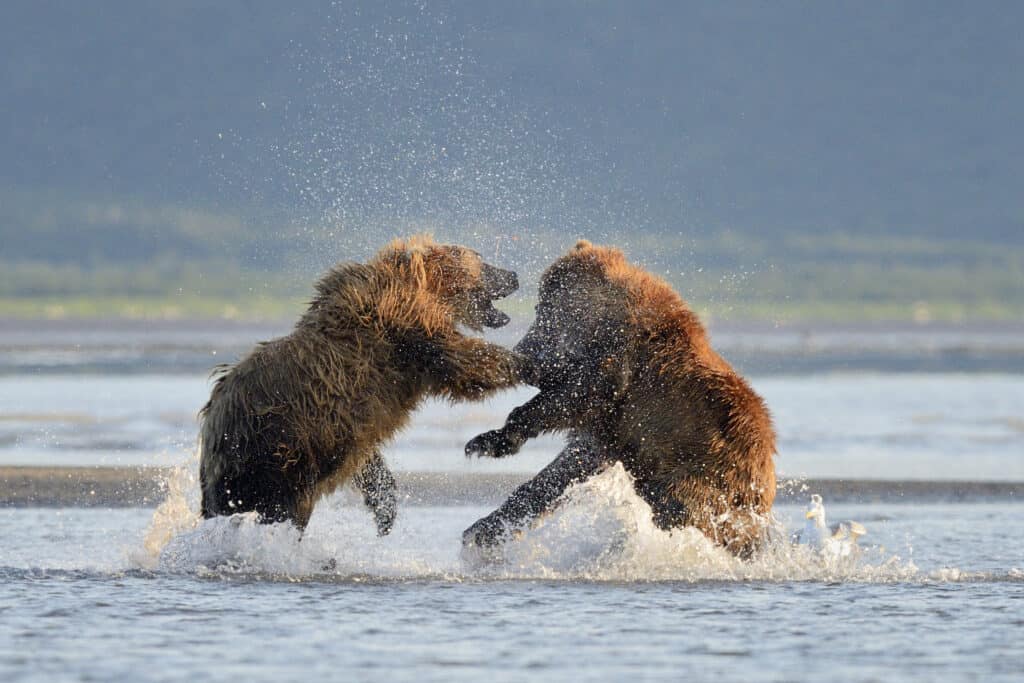
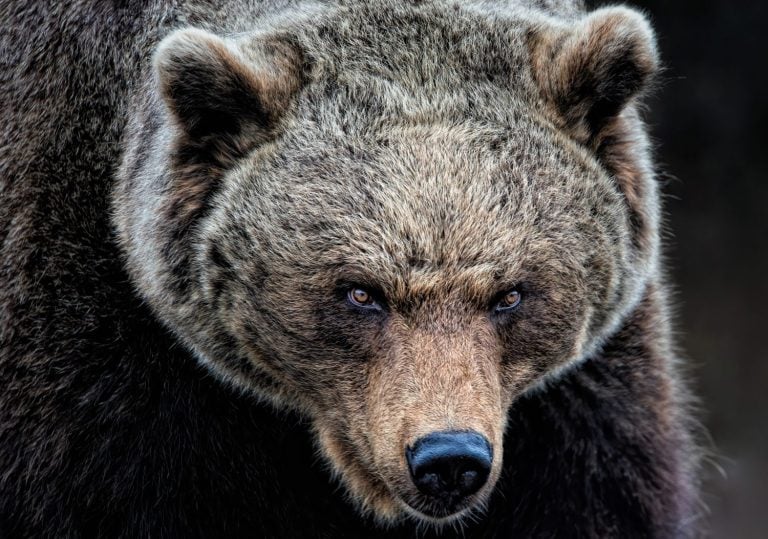
A grizzly bear’s size makes it an intimidating threat.
©AndreAnita/Shutterstock.com
When it comes to danger from other animals, the biggest risk to a grizzly is a bigger grizzly bear. However, it doesn’t always involve two adult grizzlies. Sometimes, adult males kill cubs that aren’t their own. It’s a behavior known as infanticide, and it is driven by the male’s desire to mate with the cub’s mother.
One study on cannibalism in grizzly bears shows that adult male grizzlies regularly kill dependent yearling cubs. Another study discovered that springtime is when bear remains most often turn up in the scat of Yellowstone’s grizzly population. Spring is when most cub killings occur.
Wolves
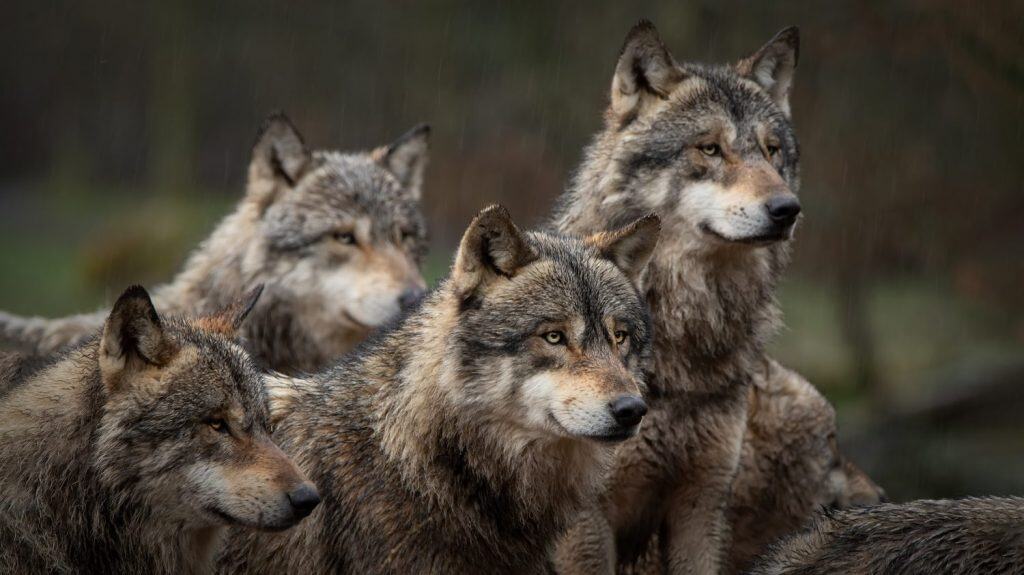
Wolf packs may occasionally target a cub, but rarely pursue adult grizzly bears.
©Pat-s pictures/Shutterstock.com
Wolves and grizzlies share the same wild territory, but it’s unusual for a wolf to willingly take on an adult grizzly bear. If wolves do target a grizzly, it is usually the entire pack going after a stray cub. However, mother grizzlies are fiercely protective of their young, making such attacks very dangerous for the wolves. Most wildlife biologists don’t consider wolves a top threat to grizzlies.
Mountain Lions
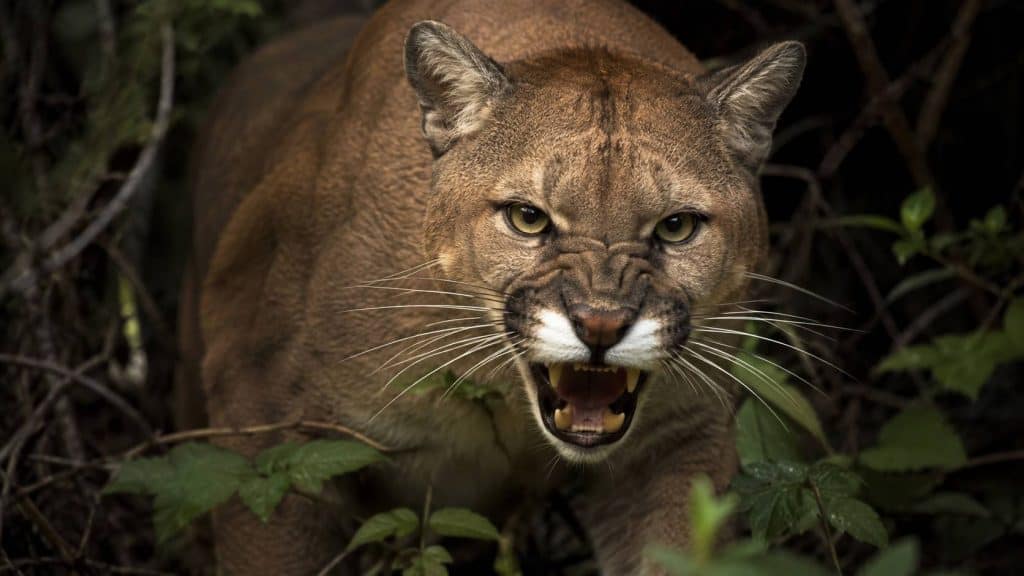
Mountain lions are solitary hunters and are no match for a full-grown grizzly bear. However, much like wolves, an adult mountain lion may go after a smaller cub. This is unusual, but not unheard of. Wildlife experts consider mountain lions only a minor threat to adult grizzly bears.
People
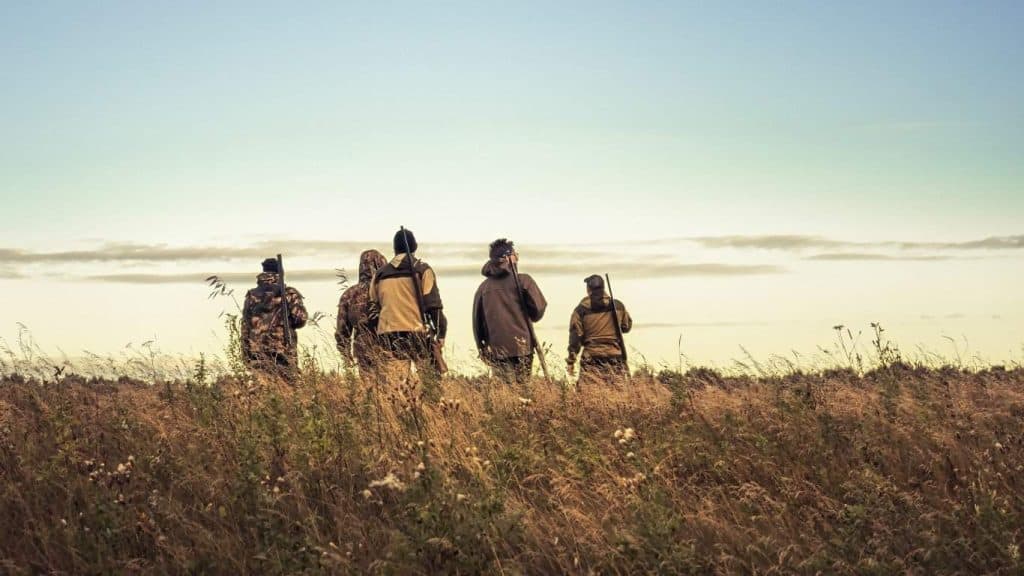
Close to half of all human-caused grizzly deaths are attributed to hunters.
©splendens / iStock via Getty Images
People are, by far, the biggest threat to grizzly bears. Whether due to hunters, poachers, or cases of mistaken identity, grizzly deaths are most often attributed to human causes. One multi-decade study of collared grizzly bears in Alberta, British Columbia, Montana, Idaho, and Washington State found that humans were responsible for up to 85 percent of all known grizzly deaths. Up to 44 percent of those deaths were due to legal hunting activities.
Illegal poaching and mistaken identity by hunters targeting black bears also contribute to the number of grizzlies killed. One conservation group, Grizzly Times, notes that hunter-related conflicts have tripled over the past 10 years, even as the number of hunters has declined.
Vehicles & Trains
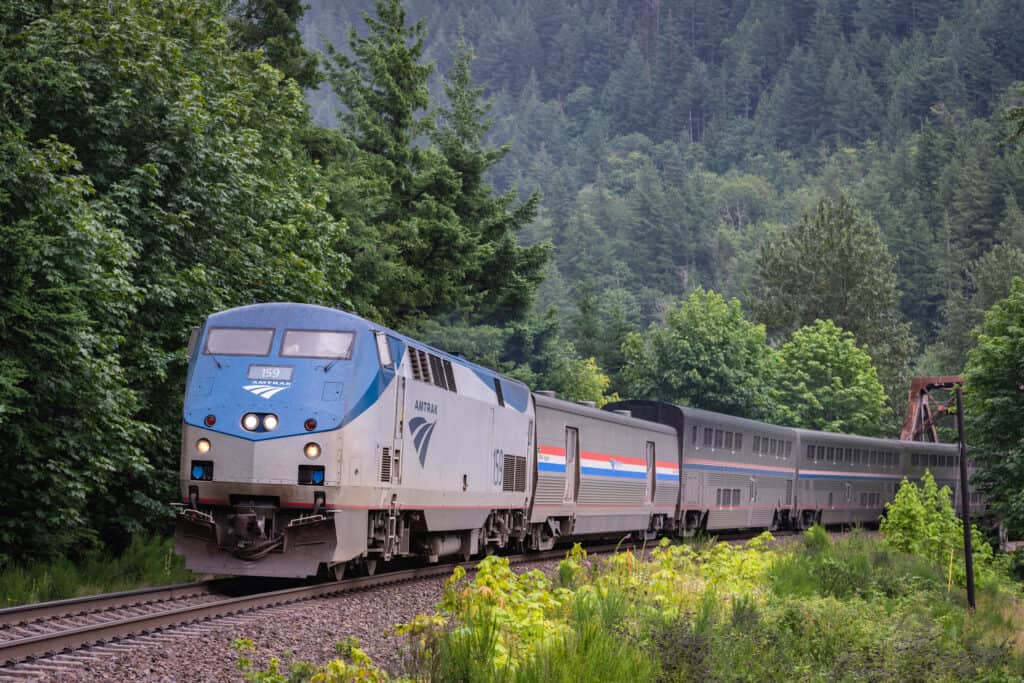
Train tracks crisscross grizzly bear habitats throughout the United States and Canada.
©Ian Dewar Photography/Shutterstock.com
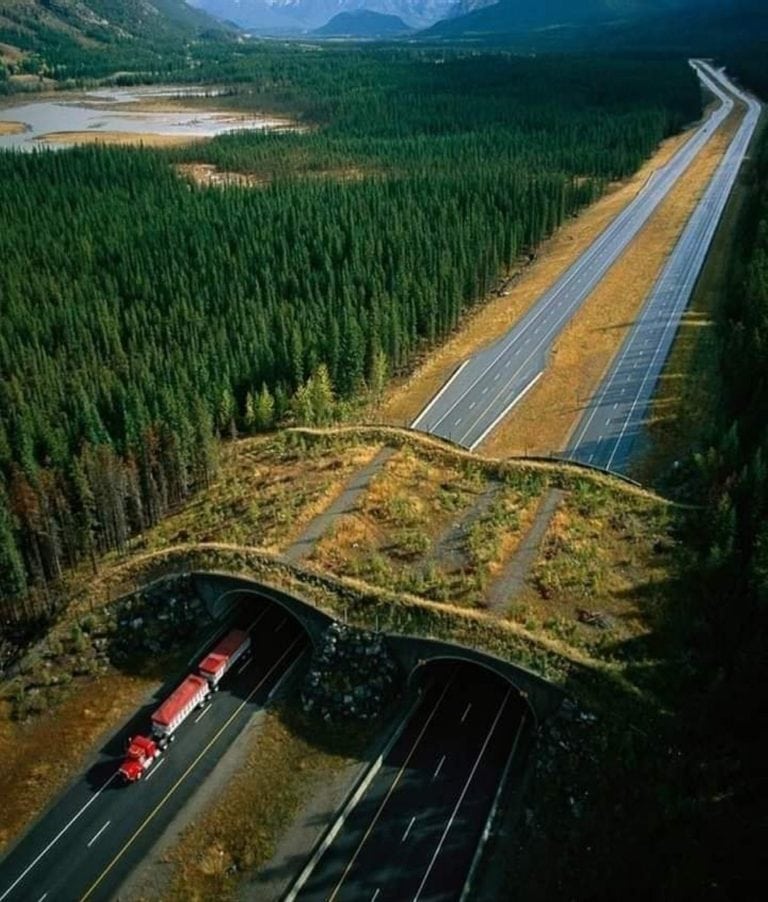
Even though grizzly habitats are often in areas free from human habitation, train tracks and highways still wind through the wild, rugged terrain. This exposes grizzlies to threats from cars, trucks, and trains traveling through their habitat.
One study focusing on the South Rockies found that of the human-caused, non-hunting grizzly death totals, more than half came from vehicle and train collisions. It is not just grizzlies hiding deep in the woods that are at risk. In October 2024, Grizzly 399, an often-photographed and very popular grizzly bear that lived near the Snake River in Wyoming, was struck and killed by a vehicle.
Wildlife Management
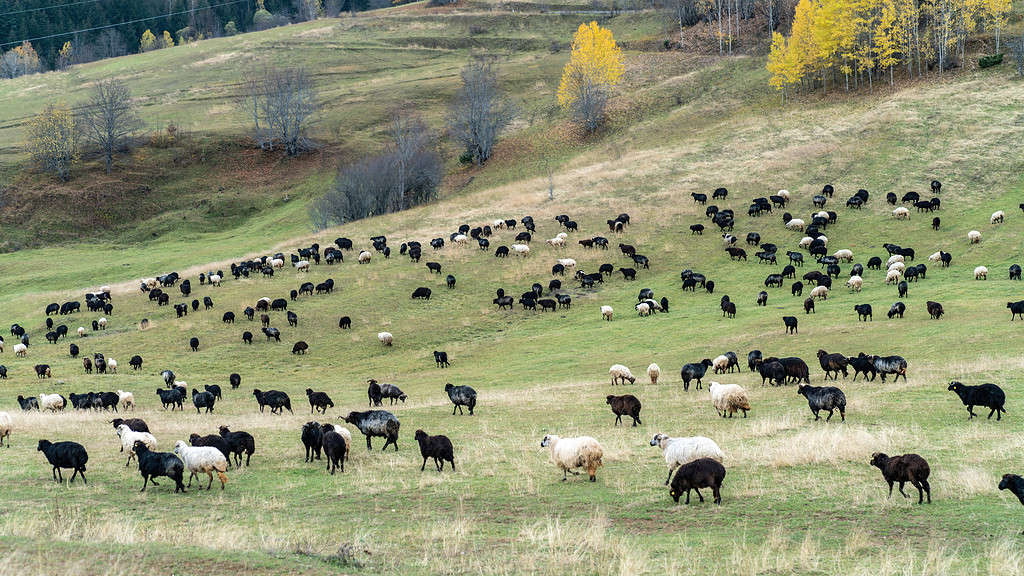
Grizzly attacks on livestock can become the bear’s death sentence.
©CanY71/iStock via Getty Images
When grizzly bears attack and kill livestock, both ranchers and local wildlife officials usually intervene. When the attacks become habitual, wildlife agencies may euthanize the problem grizzly. If wildlife officials do not, ranchers often take matters into their own hands.
In 2025, conflicts with livestock on public grazing lands were implicated in 21 grizzly deaths in the Yellowstone region. According to Grizzly Times, it was the single largest cause of death that year.
Moose
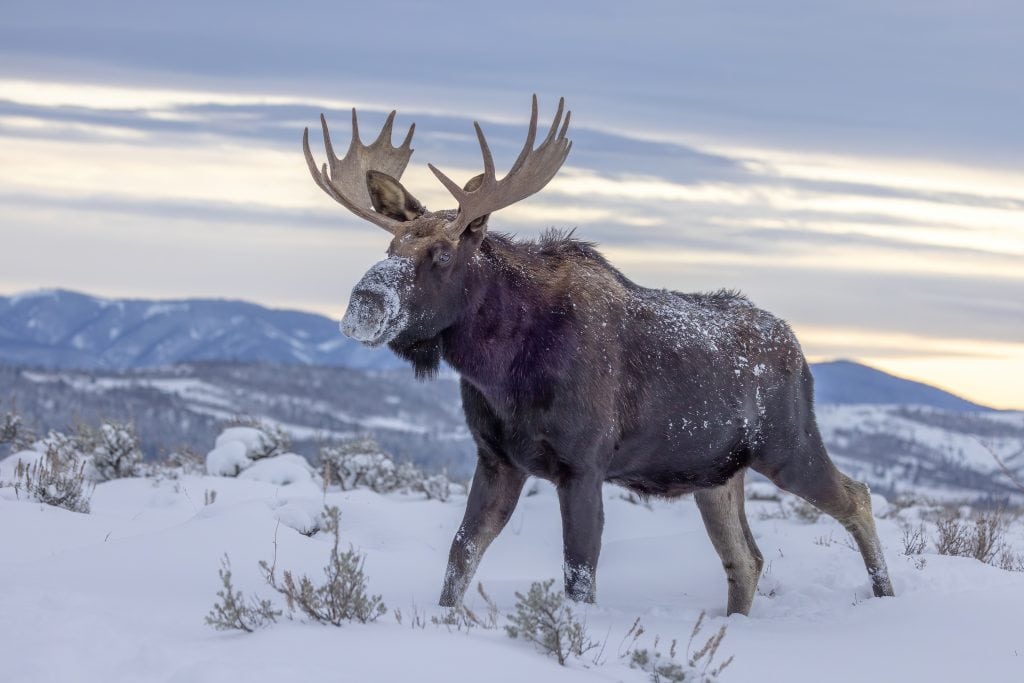
Bull moose can weigh up to 1,500 pounds.
©Thomas Torget/Shutterstock.com
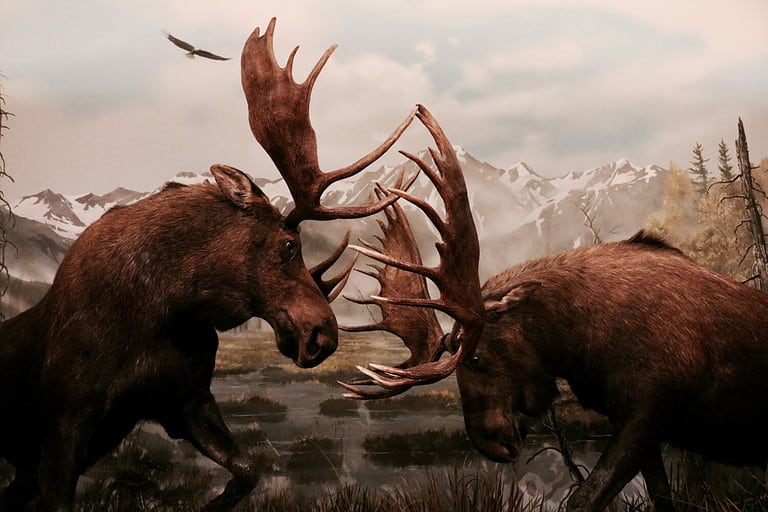
Despite their formidable size, moose can become prey for grizzly bears. However, occasionally, if a moose is injured or cornered, it will fight back. Whether it is a cow moose defending her calf or a bull moose fighting for its life, the animal’s powerful legs and sharp hooves can cause fatal injuries to a grizzly bear.
Wildlife officials don’t consider this anything more than self-defense. This is an example of prey fighting back and occasionally winning.
Starvation
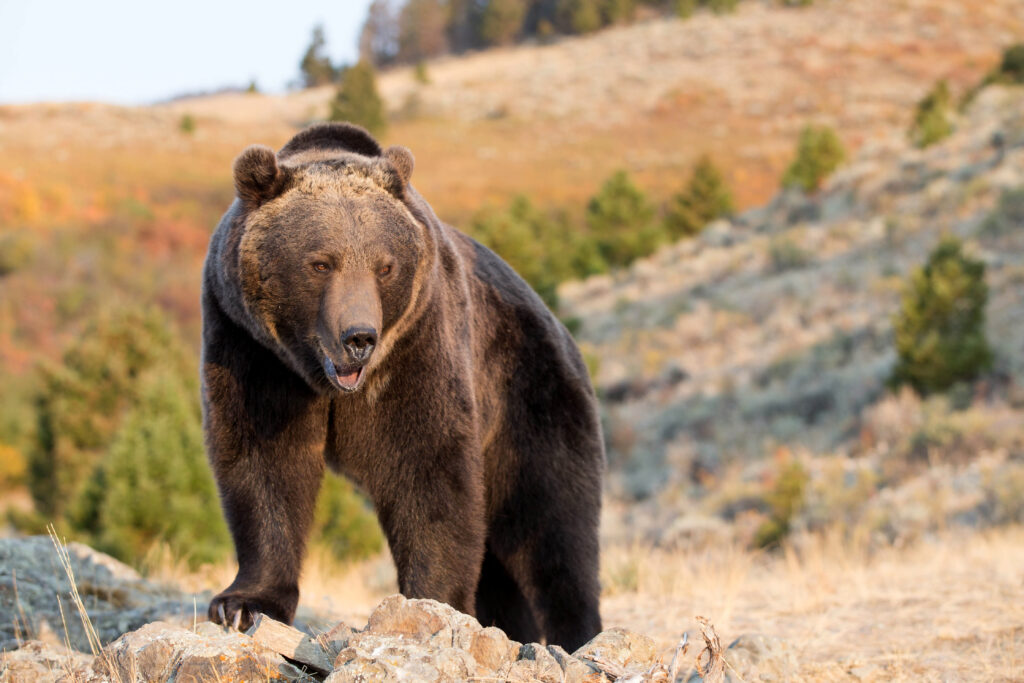
If grizzly bears don’t find enough food to sustain them during hibernation, they are at risk.
©Dennis W Donohue/Shutterstock.com
Grizzly bears hibernate during the winter and must fatten up beforehand to survive the cold months in their dens. If environmental factors result in a poor year for salmon, berries, and other foods grizzlies rely on, they may enter winter in poor condition and face a higher risk of death.
Often, a food shortage will push grizzlies into human environments in search of the nutrition they need for winter. When they do, they are often exposed to other human-related threats that can lead to their death.