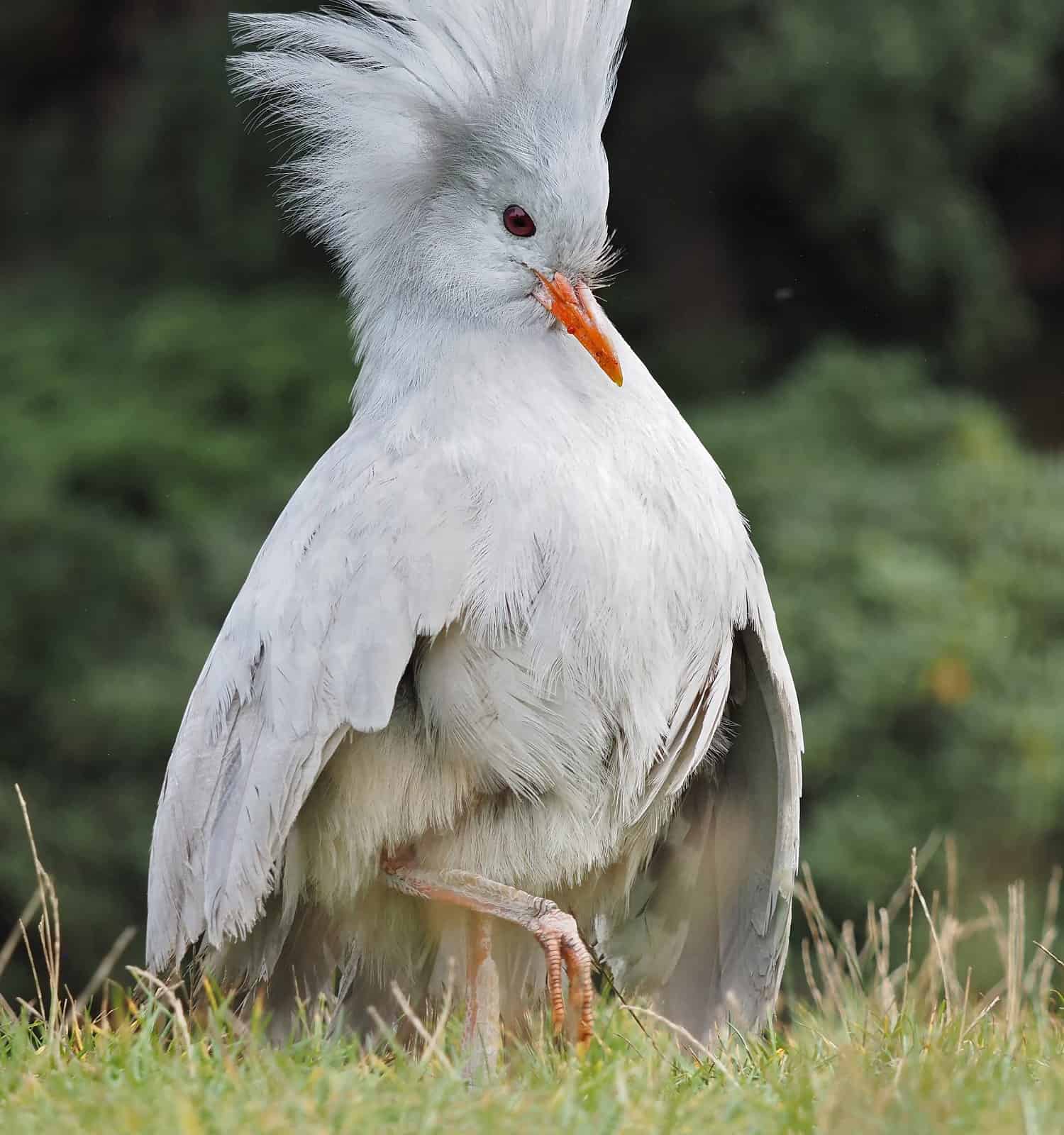

A bird that can’t fly may seem unusual, but there are several bird species with wings that cannot fly. One of these birds is the kagu. While not the most famous bird, the kagu’s inability to fly has made it intriguing to ornithologists. This video by BBC Earth shows these birds in their everyday, flightless life. Read here to learn more about why they can’t fly, and how this came to be.

Kagu are unable to fly, so they traverse the ground in search of food.
©Agami Photo Agency/Shutterstock.com
About the Kagu
The kagu bird is a species endemic to Grande Terre. Grande Terre is the largest island in New Caledonia, a group of islands in the southwest Pacific Ocean near Australia. This island contains several different biomes, including humid rainforests and dry forests. The birds prefer any place on the island that has plenty of foliage and fallen leaves. This is because they can hunt for invertebrates. Kagu are carnivorous ground hunters, using their senses to find prey such as worms, slugs, beetles, crickets, and other insects. While not common, kagu may also hunt in shallow waters for crustaceans and aquatic insects as well. Using their feet, they tap the ground in a practice called “worm charming,” enticing worms to emerge so they can eat them.
While they are great at hunting, kagu are also prey to several different animals. Ironically, kagu had no predators until humans arrived on New Caledonia, which is part of the reason they lost the ability to fly.
After humans arrived, the introduction of dogs, cats, rats, and pigs saw a sharp decline in the population. This sharp population decline has led to the kagu being classified as Endangered on the IUCN Red List. The introduction of predators highlighted the island’s history, specifically the previous lack of necessity for flying. In the past, the kagu were able to navigate island life perfectly fine without the need to fly, relying on other skills to live. However, even without the ability to fly, their wings serve important purposes for the birds.
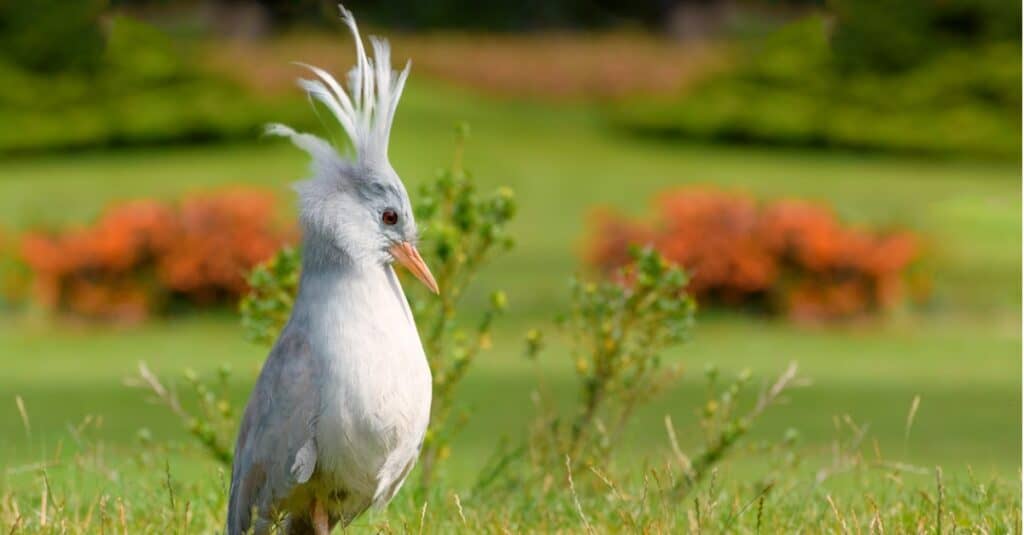
The Kagu uses its beak to find insects and invertebrates in the ground.
©iStock.com/NataliaVo
Kagu’s Flightless Wings
Kagu birds are unable to fly for a few reasons. Although kagu have the skeletal structure of birds that can fly, they lack the muscle development required for flight. Specifically, their pectoral muscles are underdeveloped compared to other birds, making their dreams of flight impossible. Similarly, their wing bones have undergone slight shifts over centuries that make it difficult to sustain flapping. Because they do not fly, kagu have developed a unique weight distribution, with heavier bodies that make flight even more difficult. While it is impossible for them to fly, their wings are important for courtship and safety.
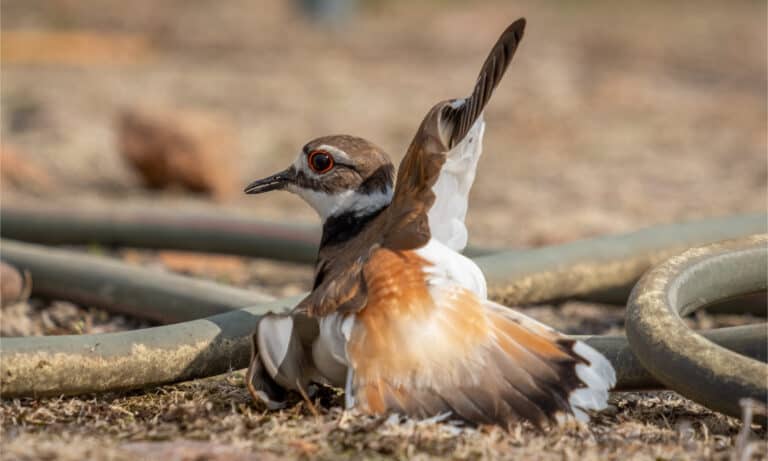
Kagu practice a courtship ritual called crest display. During mating, kagus will fan out their wings while raising their crest. Combining this with some slight swaying, it creates the image of a large, elegant, and healthy bird to attract a mate. The wings are also used for social cues, signifying different body language. For example, half-spread wings signal alarm, and the birds will flick each other slightly as a way to communicate. They also spread their wings to intimidate predators or rivals, maintain territory, or protect their chicks. One way that they defend their chicks is by using their wings in the broken-wing distraction. When their chicks are in danger, the parent will pretend to be injured by awkwardly fluttering its wings. This draws the predator to the parent while the chick escapes. Once the predator is lured in, the kagu makes a mad dash, keeping itself and its babies safe. So, while these birds may not be able to fly, they use their wings in many unique and important ways.