
Quick Take
- Their bodies seem built for anything but flight, and yet figeater beetles pull off something that would surprise most people. See their flight details →
- Spotting these beetles raiding your garden might actually be good news. Discover their garden role →
- There's a biological reason figeater beetles never touch unripe fruit, and it has nothing to do with taste preference. Explore their fruit preference →
- Before these beetles ever see a fig, they play a hidden role in your garden that most people completely overlook. Learn about larvae behavior →
Some animals get their name for pretty obvious reasons, such as the figeater beetle. Their name is a good indication of their favorite food, but there are many more amazing traits about these insects. This YouTube Short by @saramedina7299 shows a video of a group of figeater beetles all eating the same fruit.
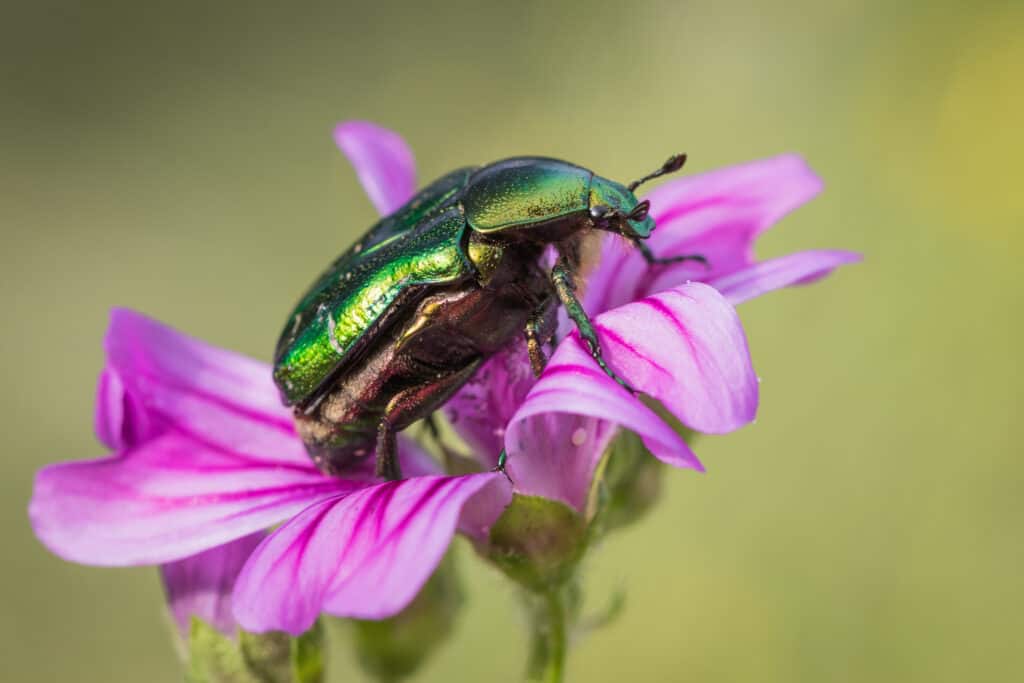
The figeater beetle spans throughout Mexico and the southwest United States, specifically between California and Texas.
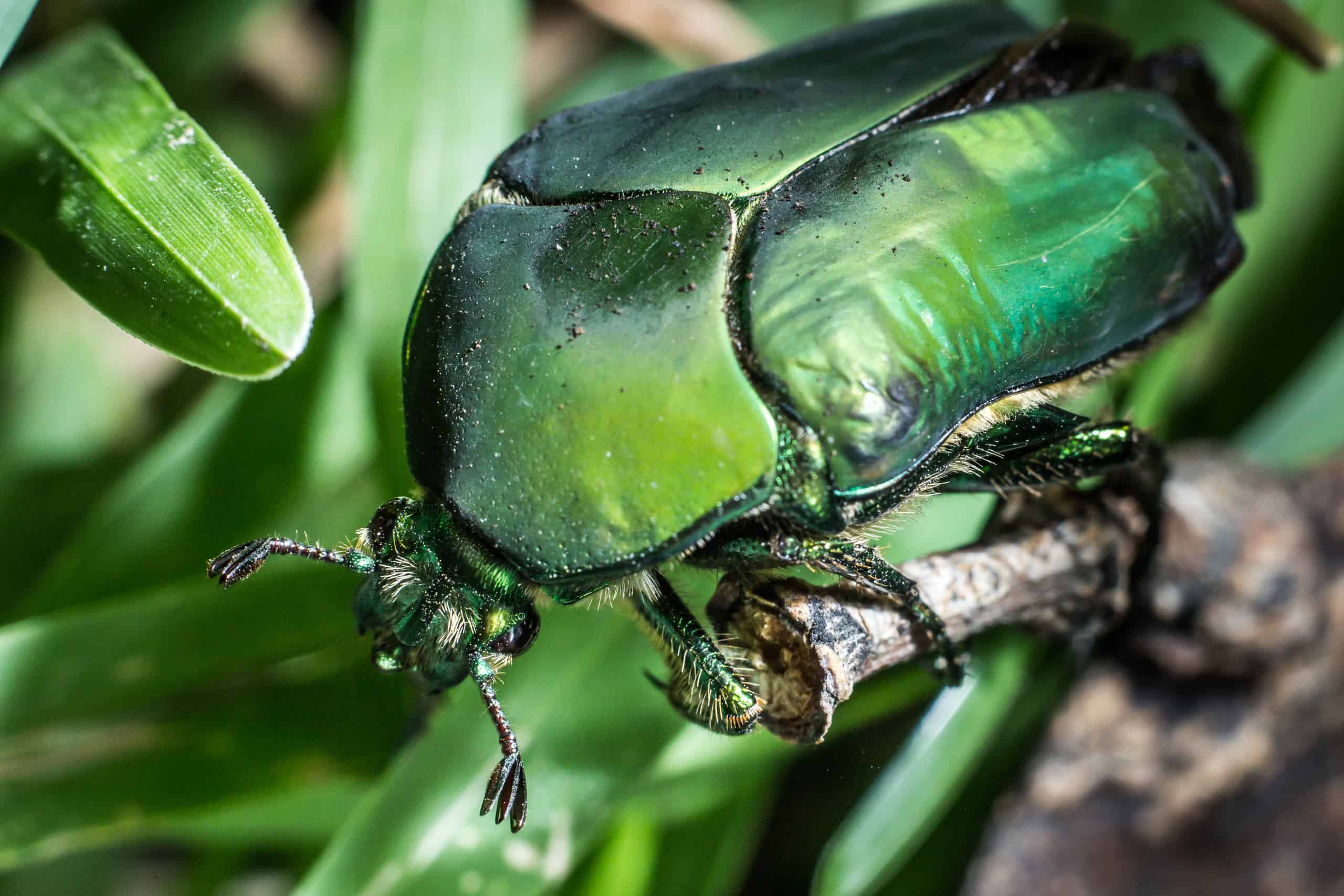
©Virginie Merckaert/Shutterstock.com
About the Figeater Beetle
Figeater beetles are a species native to North America. They span throughout Mexico and the southwest United States. These beetles inhabit warm areas and are particularly famous in Southern California. They often group in huge numbers and feed on fruit trees in late summer and early fall in gardens or parks. The iridescent coloring of these beetles is extremely beautiful. When they gather together in large groups around fruit, it can be an amazing sight.
As the name suggests, these beetles love figs, but they are not picky eaters. They also eat other fruits like grapes, peaches, plums, tomatoes, and flower pollen. They especially love damaged, soft, or rotting fruit, as the skin is easier to break. Figeater beetles’ mouths aren’t well-suited for eating unripe fruit, so you can often see them eating fruit that has fallen from trees onto the ground. While they may be unwelcome for gardeners, figeater beetles are relatively good for the environment. Like any insect, they have their own role in the ecosystem.
Figeater beetle larvae are especially important, providing an unseen benefit. Females lay their eggs in compost and decaying vegetation. When the larvae emerge, they feed on the compost around them, helping the decomposition process. When these beetles become adults, they learn to fly, but not well. Figeater beetles are large and heavy, with relatively small wings, so their bodies are not well-designed for flight. They can actually look pretty clumsy flying around. If you see one flying towards you, they’re not trying to attack you; they simply can’t control themselves enough to maneuver properly.