
Quick Take
- Achieving defense from herbivores requires plants to master 1 complex myrmecophily interaction.
- Utilizing domatia structures creates a technical constraint for tropical shrubs needing shelter.
- Parasitic organisms like rove beetles receive nurturing while inside ant colonies.
- The honeydew farming process is necessary for colony health during 1 specific cycle.
What is myrmecophily? It represents an important interaction in nature. The word can be split into two parts: myrmex and philia. These are the Greek words for ant (myrmex) and love (philia), respectively. This YouTube video by Widi Video talks about myrmecophily and some examples of relationships between ants and other organisms.
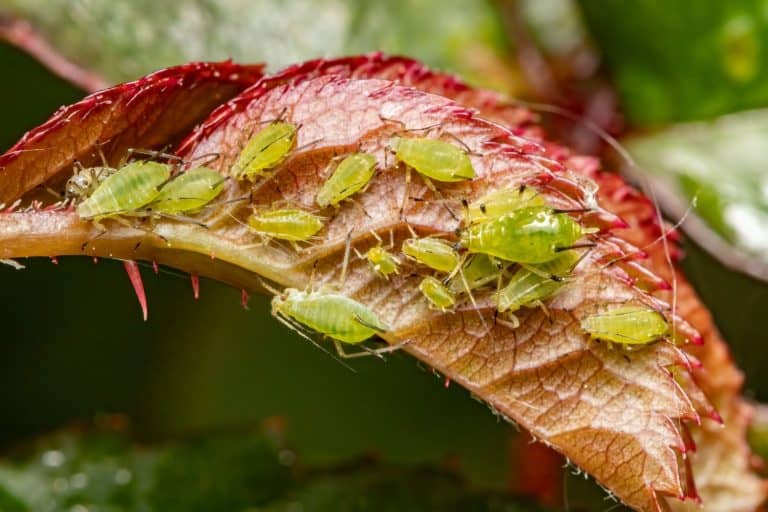
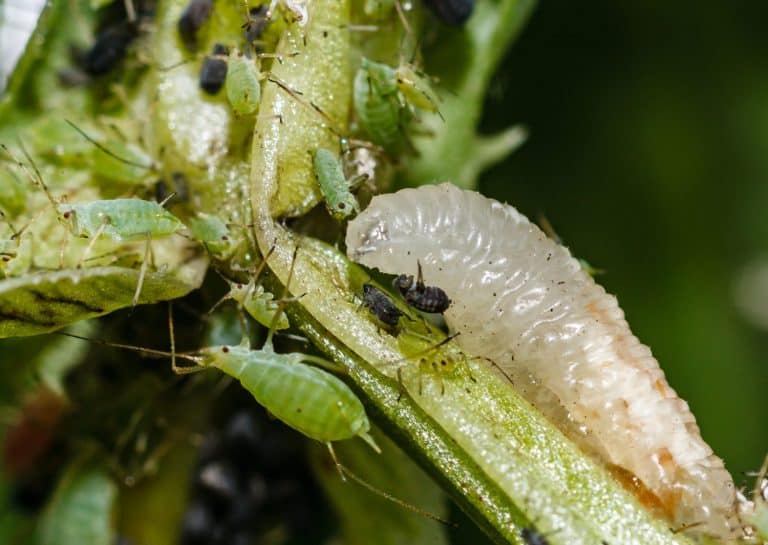
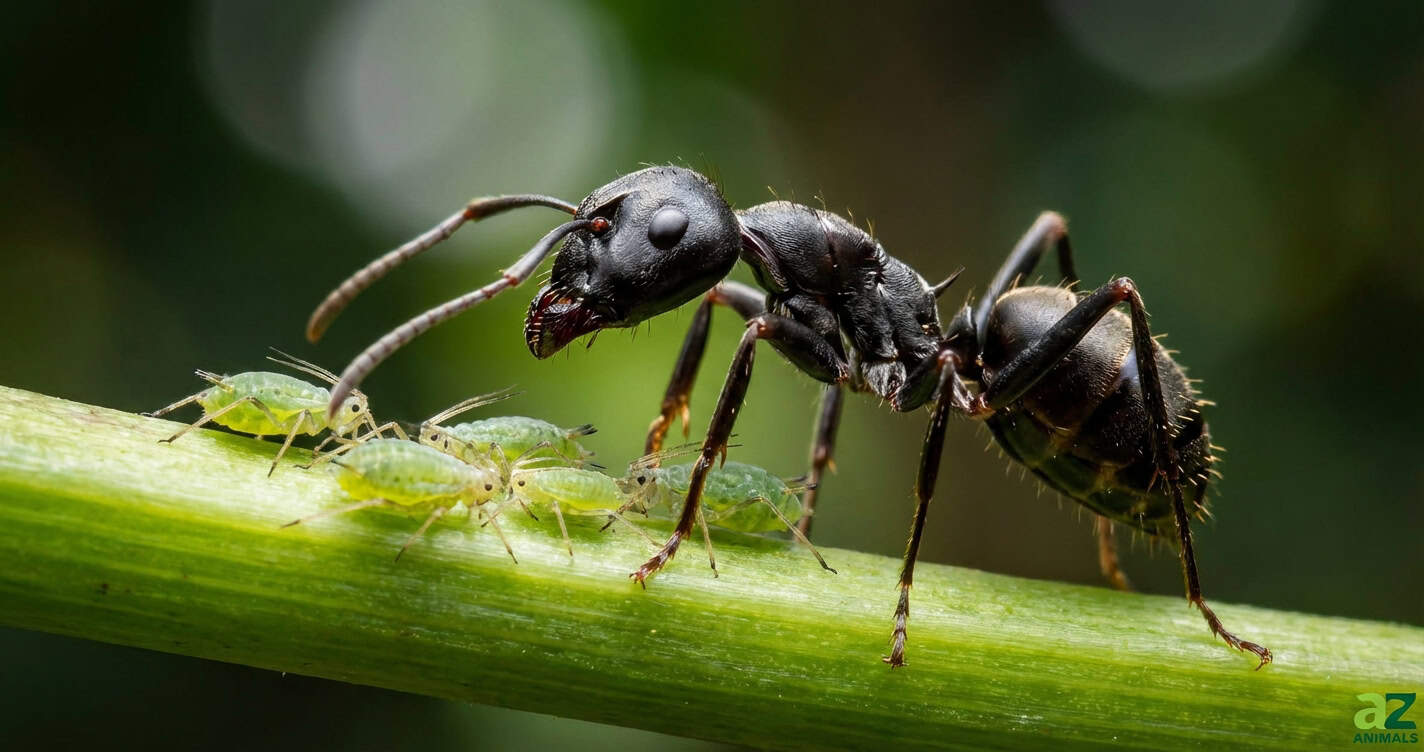
Ants have a mutual relationship with aphids where both parties benefit.
©Garmasheva Natalia/Shutterstock.com
What Is Myrmecophily?
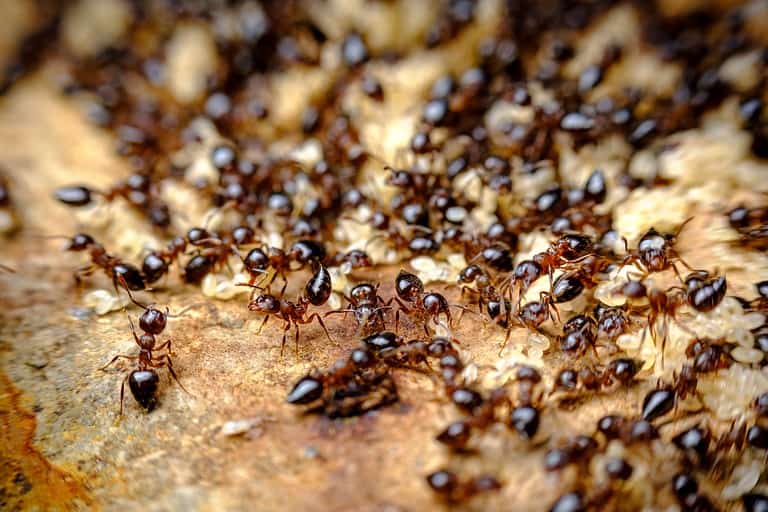
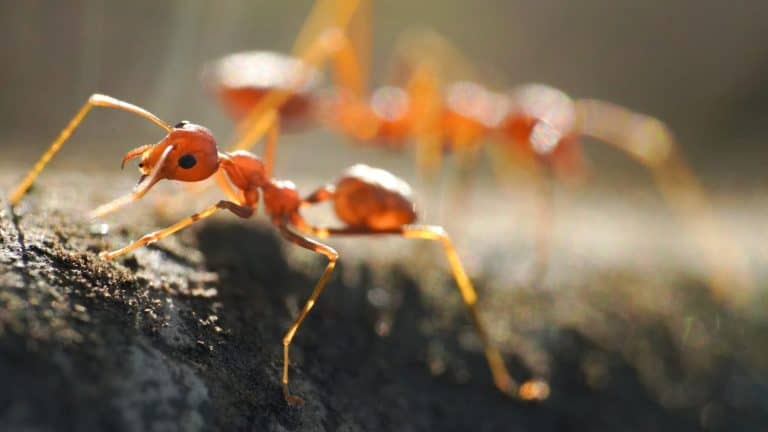
Myrmecophily is pronounced mur-muh-KOF-uh-lee and literally means ant love. With a pretty literal meaning, it refers to the positive interactions between ants and other organisms. It most often refers to associations between ants and other organisms, which are typically beneficial (mutualistic) or neutral (commensal). Some organisms may also exploit ants in parasitic relationships, which are more accurately termed myrmecoparasitism.
Organisms that benefit from ants are known as myrmecophiles. So, what does it look like? These interactions often involve other organisms using the strengths of ants to their own advantage. For example, an organism may offer something to the ants, such as food or shelter, and in return, the ants provide defense from other insects. Many different organisms are myrmecophiles, each needing the help of ants for unique reasons.
What Are Some Myrmecophiles?
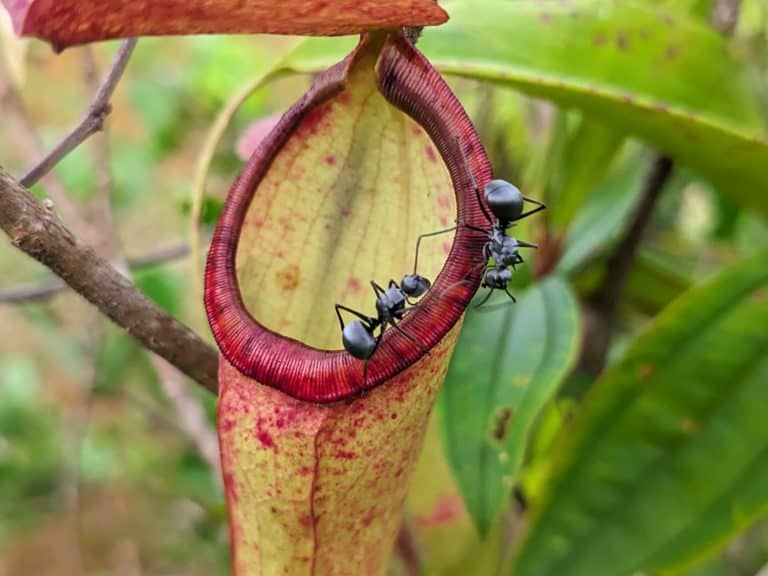
Plants are a common example. One example is domatia. Domatia are hollow pockets or structures in a plant that provide shelter for insects. They are commonly found in certain tropical and subtropical plants, such as some acacias and myrmecophyte shrubs. These hollow structures provide shelter for the ants from the elements, and in return, the ants defend the plant from herbivores. This is an example of mutualism, where both parties benefit from each other. By using the ants, the plants can live longer, and the ants can stay safe.
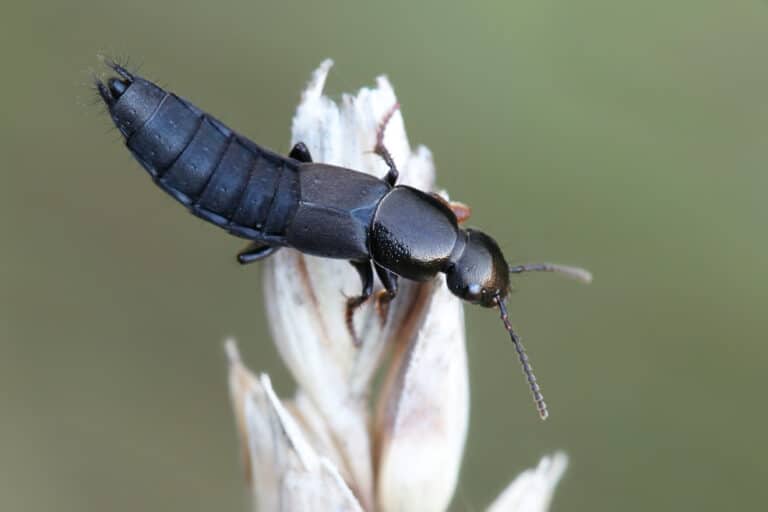
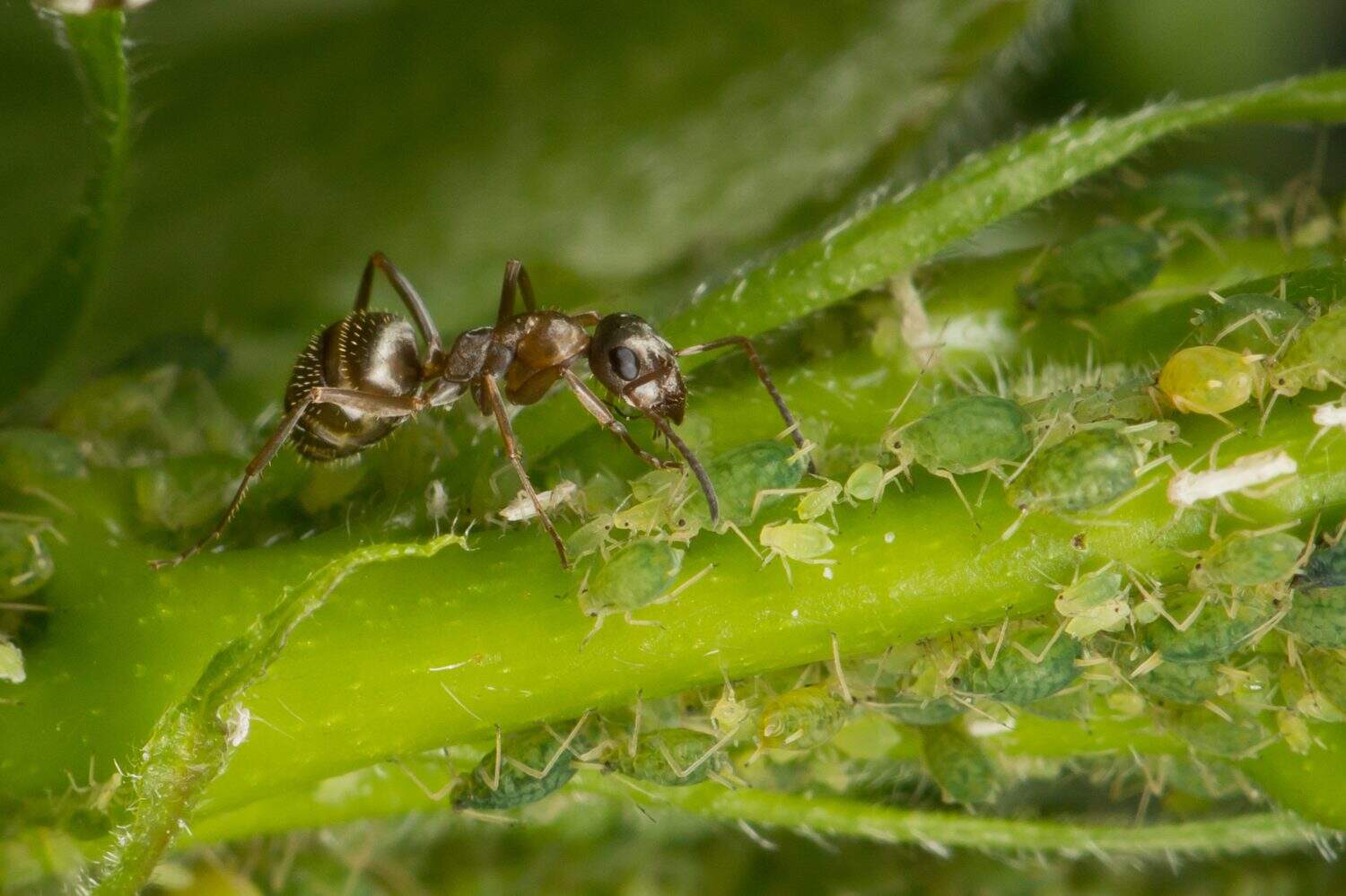
Some other insects that are myrmecophiles include aphids. Aphids produce a sugary honeydew that the ants can farm and feed on. In return, ants protect them from predators. The honeydew that the aphids provide is nutrient-rich and helps ant colonies stay healthy. Some species, such as certain rove beetles, may live inside ant colonies by mimicking ant odors and pretending to be members of the colony. Depending on the species, these beetles may be mutualistic, commensal, or parasitic, with some being cared for and fed by the ants. Myrmecophiles are truly a wonder of nature, either working alongside ants or taking advantage of them for their own benefits.