
What started out as a search for mysterious and unnamed species of squirrel led scientists to an even more exciting discovery! A team led by Professor Silvia Pavan from Cal Poly Humboldt (California State Polytechnic University) was exploring the Abiseo River National Park in Peru when they discovered a previously unrecognized marsupial species. This proves that we still have a lot to learn about our planet’s wildernesses and the animals that live there!
Where Was the New Species Discovered?
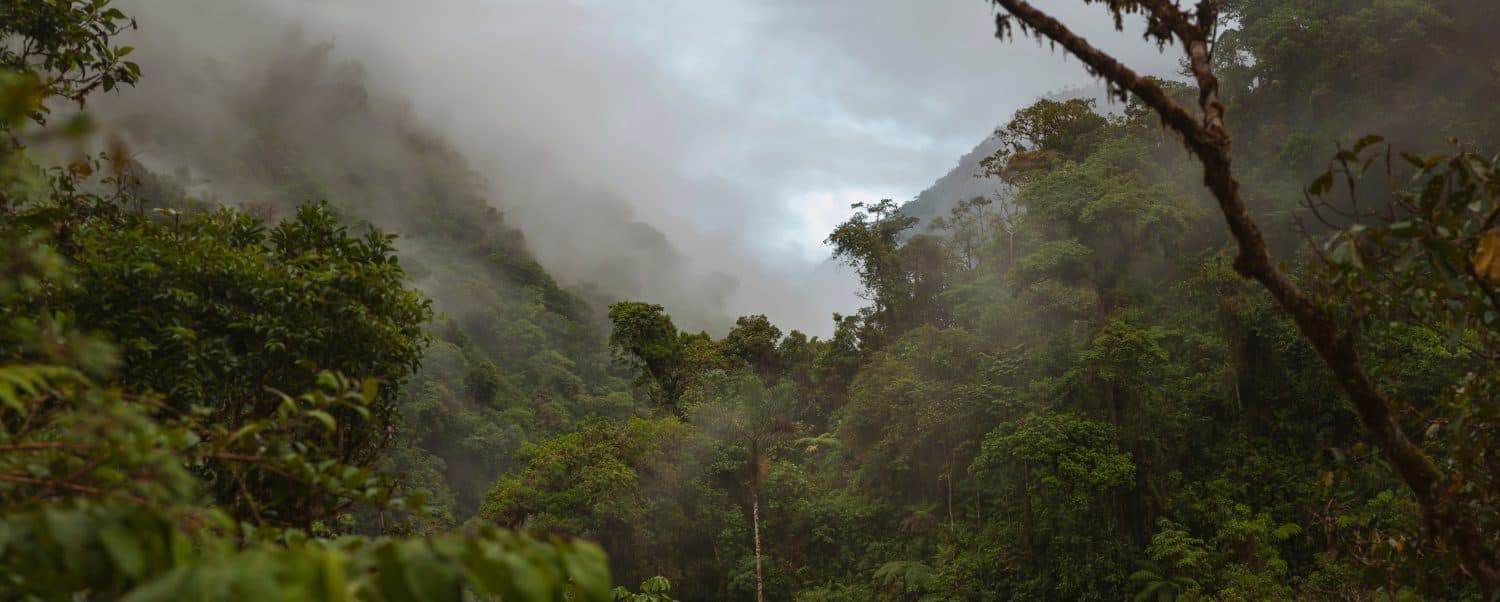
This discovery was made in a rugged river basin that takes a 12-hour drive and a two-day hike to reach! Peru’s Río Abiseo National Park is a UNESCO World Heritage site and contains many pre-Columbian archeological sites. It was once inhabited by the Chachapoya people, whose name means ‘Warriors of the Clouds’ in reference to the region’s cloud forests.
The small mammal was found in a trap set by the researchers near an archaeological site on the eastern side of the Andes. On the university’s news release, Pavan recounts, “I realized immediately that this was something unusual. We know very little about this species, including its natural history and distribution, and only one specimen has been collected so far.”
Describing the New Marsupial
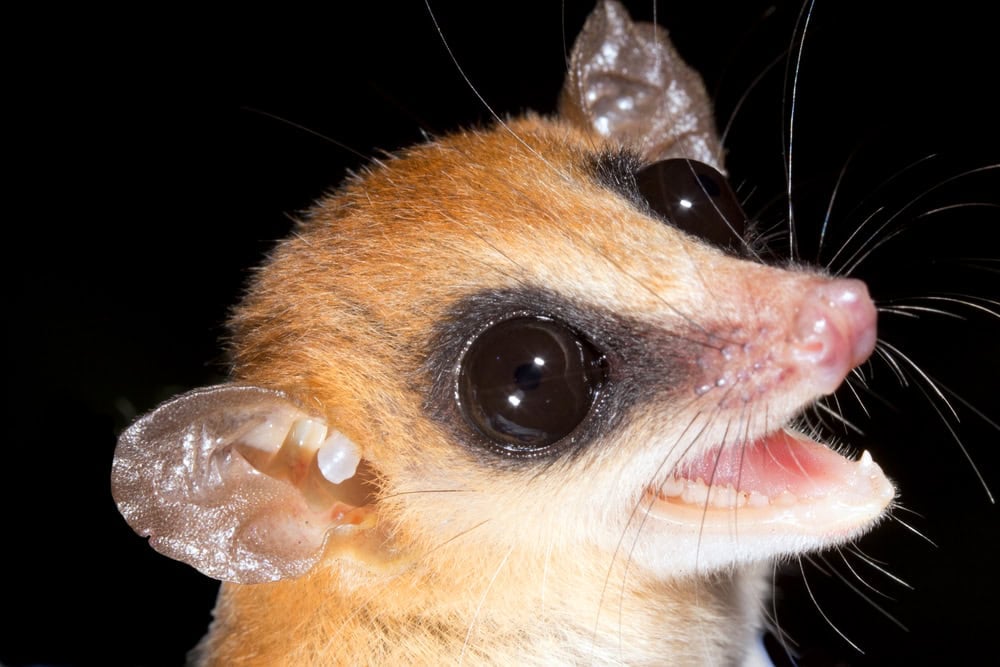
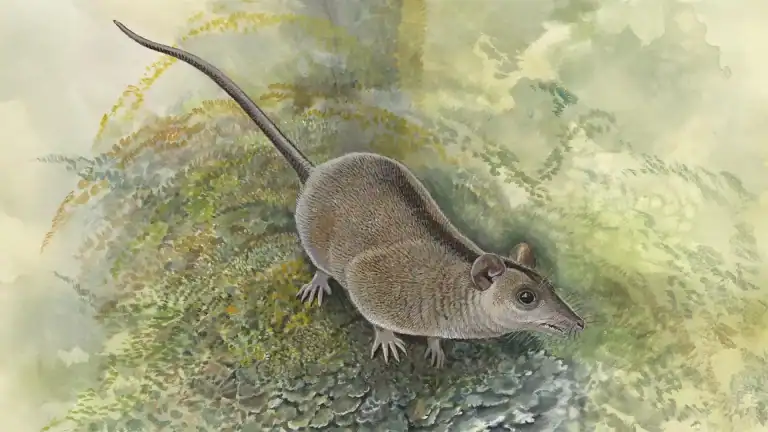
Mouse opossums are a type of marsupial.
©Dr Morley Read/Shutterstock.com
This discovery was made in 2018, and it has taken seven years of painstaking work to confirm that it is, indeed, a new species. In a scientific paper published in June 2025, Pavan and his team describe the new species, which belongs to the didelphid marsupial genus Marmosa. It is very closely related to another marsupial mouse species called Marmosa lepida, but DNA testing and careful observations of its appearance have confirmed that it is a separate species.
The new species has reddish-brown fur and a distinctive mask-like pattern on its face. Its body is around four inches long, and it has a six-inch tail. Interestingly, it was found at an altitude where this type of marsupial mouse is not normally found. This new creature was a young adult and was given the name Marmosa chachapoya in honor of the ancient people who once occupied its home territory. The intriguing news is that the researchers discovered further previously undescribed creatures during their expedition, so there could be more exciting announcements to come!