
Montana is famous for its thriving bear populations — and for the most part, bears and humans share the landscape without too much trouble. Sometimes, however, things can take a heartbreaking turn. When a mother bear dies or becomes separated from her young, her cubs are left without protection or a way to survive on their own.
That’s exactly what happened with the Cincinnati Zoo’s newest residents. Two 7-month-old female black bear cubs were found orphaned in Big Sky, Montana. Because the cubs were too young to survive in the wild and could not be safely reintroduced, Montana Fish, Wildlife and Parks (FWP) stepped in to help. Within a week, the little sisters were on their way to Ohio. There, the Cincinnati Zoo welcomed them with open arms — and a brand new home at Bear Ridge.
A-Z Animals spoke with Kim Scott, the Curator of Mammals at the Cincinnati Zoo, to learn more about the cubs’ journey and how they are settling into their new home in Ohio.
Baby Black Bears

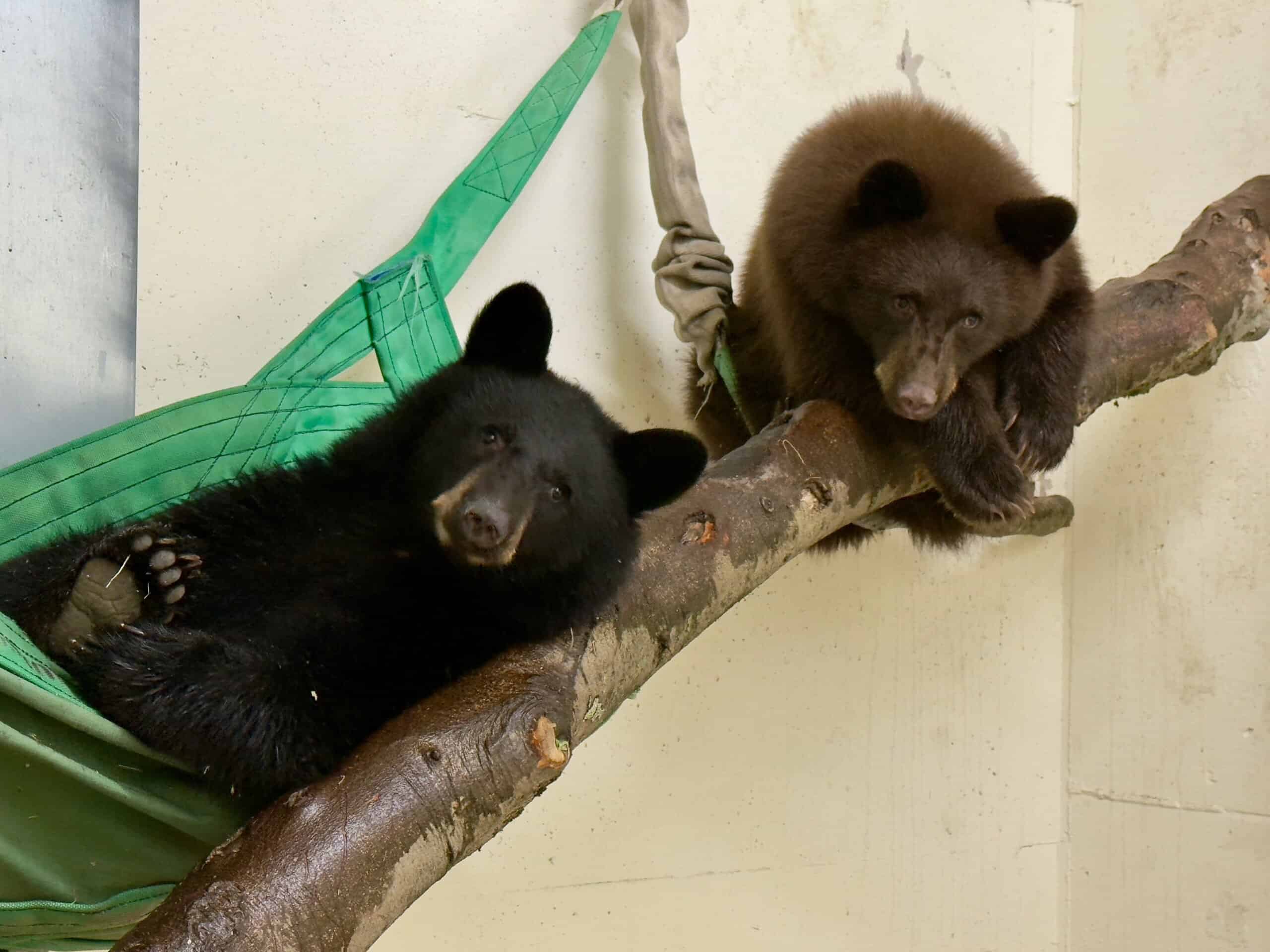
Each of the Cincinnati Zoo’s new bear cubs has its own unique personality.
©Courtesy of Cincinnati Zoo – Original
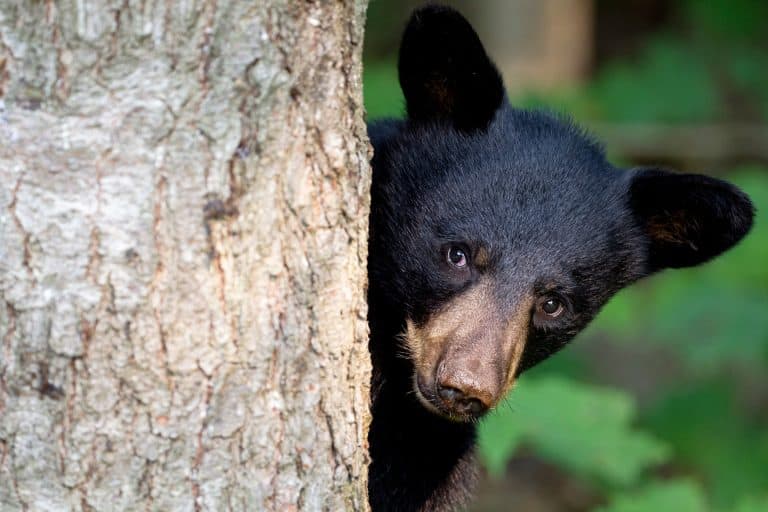
American black bears (Ursus americanus) are common throughout western and southern Montana, where wildlife agencies work to teach residents how to safely coexist with them. Despite their name, black bears come in a surprising range of colors — from deep chocolate brown to pale blonde. The Cincinnati Zoo’s new cubs demonstrate this diversity perfectly: one is black, and the other is cinnamon.
They arrived in good health, good body condition, and with very healthy appetites.
Kim Scott, the Curator of Mammals at the Cincinnati Zoo
Adult female black bears typically weigh between 120 and 180 pounds, while males can reach 180 to 250 pounds. But these big animals start life incredibly small — weighing less than a pound at birth. Born blind and with very little fur, cubs depend completely on their mothers for warmth, food, and protection.
By two to three months old, black bear cubs begin to climb and explore. However, they remain dependent on their mothers for more than a year. Usually, cubs stay with their mothers for around 17 months, which means the zoo’s new seven-month-old orphans were far too young to survive alone in the wild.
Why Orphaned Cubs Can’t Return to the Wild
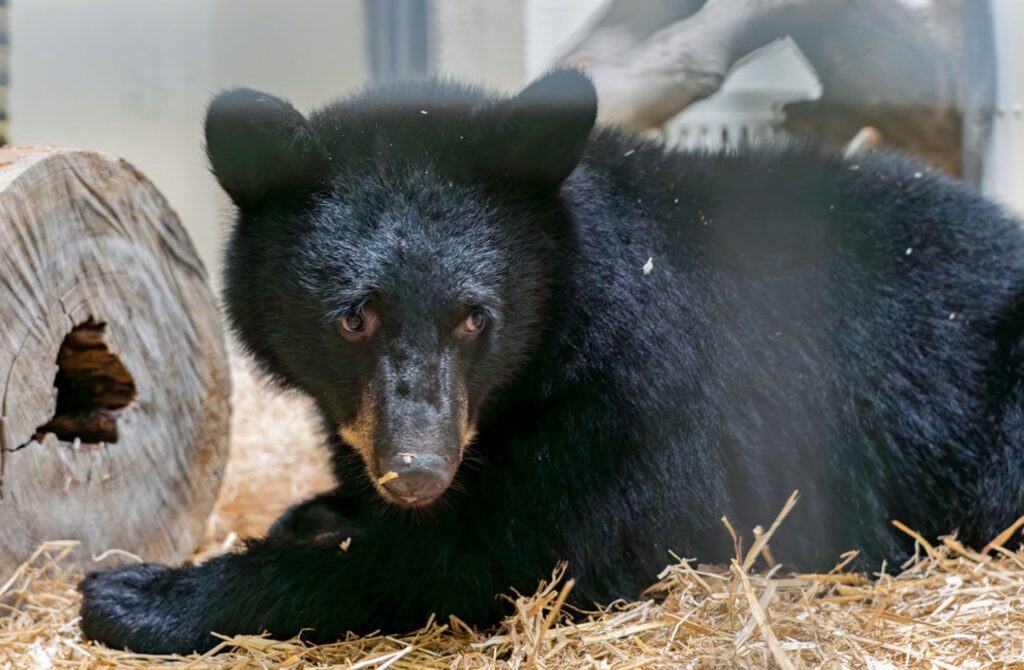
Most black bear mothers give birth to two or three cubs in a litter.
©Courtesy of Cincinnati Zoo – Original
It’s extremely difficult for orphaned bear cubs to develop the survival skills they need for life in the wild. Cubs that come into contact with humans too early can also become habituated, meaning they lose their natural fear of people. Unfortunately, habituated bears pose a much greater risk of dangerous encounters if released back into the wild.
For this reason, the Montana FWP reached out to the Cincinnati Zoo, which had just completed construction of its new Bear Ridge habitat. According to Scott, “We then arranged for a very quick transport, since there was no place for the cubs to stay in Montana for any long period of time.”
A New Life at Bear Ridge
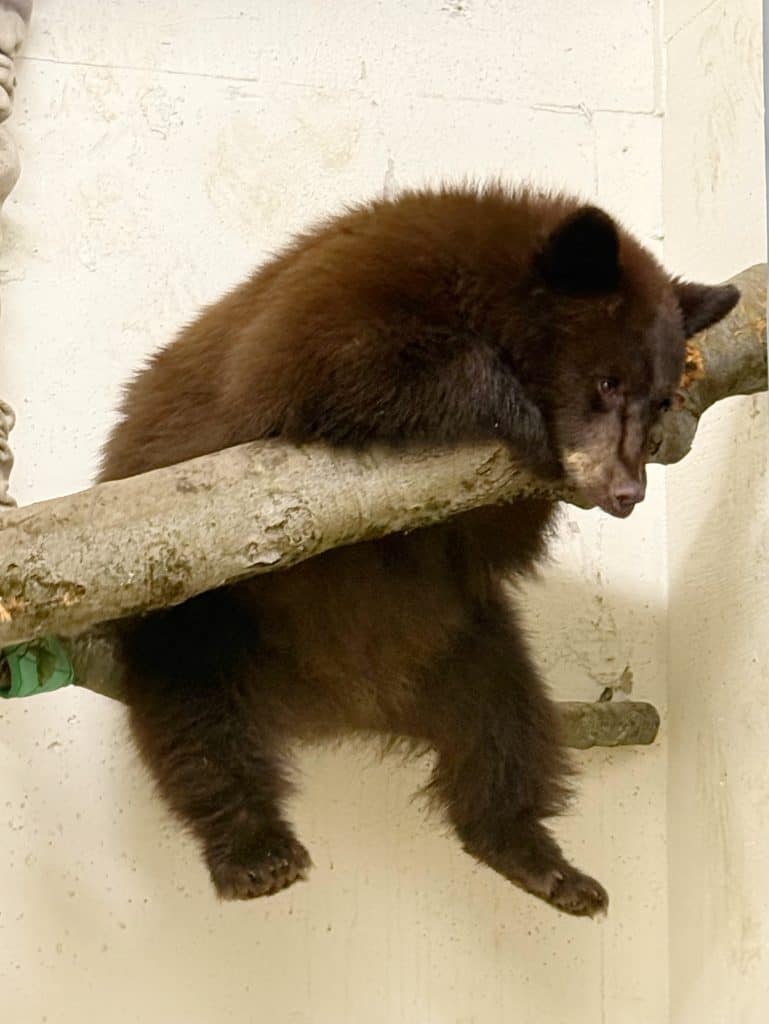
Black bears are excellent climbers.
©Courtesy of Cincinnati Zoo – Original
The two orphaned cubs arrived at the Cincinnati Zoo on September 17, 2025, and quickly began adjusting to their home. “They arrived in good health, good body condition, and with very healthy appetites,” Scott says. The cubs will spend at least 30 days in quarantine. They will be treated for common parasites and gradually acclimated to Ohio’s outdoor temperatures.
It didn’t take long for the staff to fall head over heels for the adorable duo. “The keepers are working to create a relationship with the bears through training and time spent with them,” Scott explains. “We want the bears to see us as friendly faces and the ones they feel safe and secure with.” Building this trust is vital for the cubs’ health and future care, as keepers must be able to recall them from their habitat when needed.
Over the next few weeks, the cubs will continue receiving enrichment, thorough health checks, and gradual introductions to their new environment. “We will slowly acclimate them to the habitat for about a week,” Scott adds. “Then we will announce the opening as soon as possible after that.”
Two Personalities, One Sisterly Bond
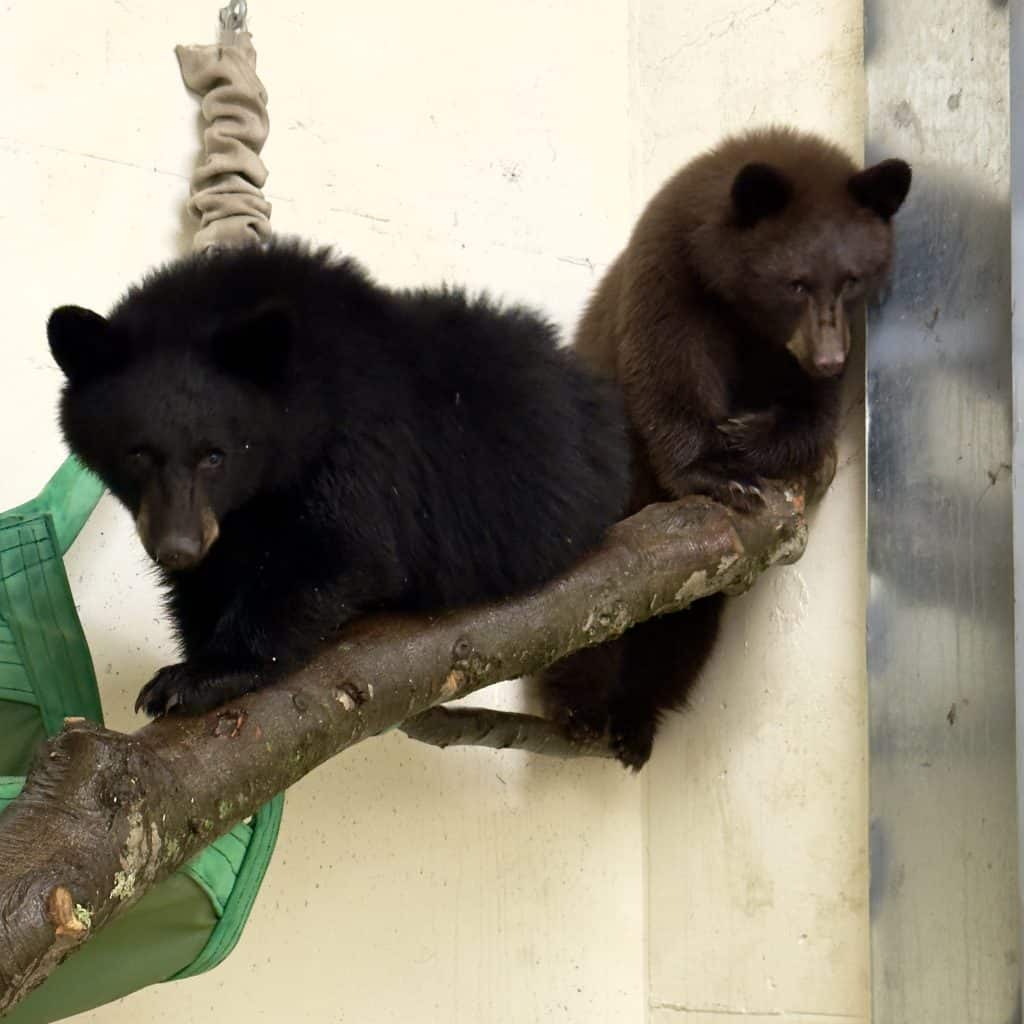
Black bear cubs spend most of their time together, playing, grooming, and sleeping.
©Courtesy of Cincinnati Zoo – Original
As the cubs get used to their new surroundings, their personalities are already shining through. “The black cub is very confident and brave, and the cinnamon one is shyer and more reserved,” says Scott. “The keepers also describe her as spicy or sassy; she lets them know when she’s not happy.”
Soon, visitors will be able to meet both sisters at Bear Ridge, a newly updated area that replaces the zoo’s former Bear Hill habitat. Bear Ridge invites guests to wander along winding paths, encounter native North American wildlife up close, and learn why protecting native species — like these resilient little bears — is so important.