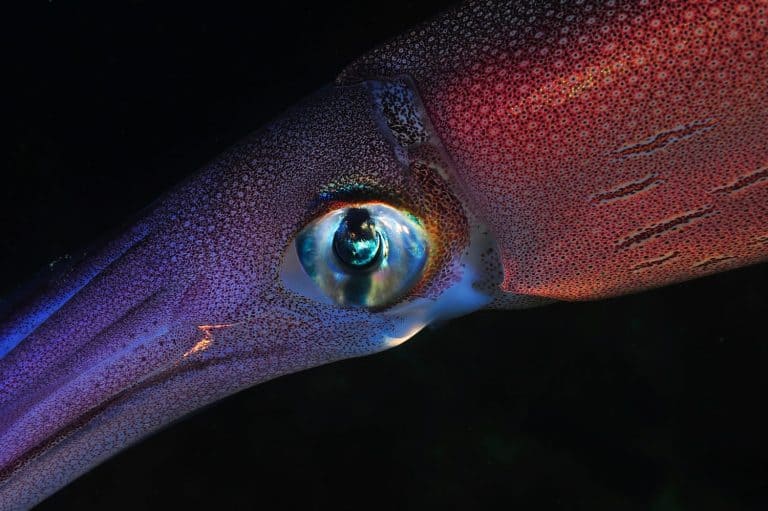

Most sea sponges are simple, yet ancient, animals that live in coral reef ecosystems. They feed by passively filtering ocean water, taking in microscopic debris such as bacteria, plankton, and other microorganisms. However, scientists have recently discovered a very different type of sponge—a carnivorous species—living in the ocean depths. The “death ball” sponge was discovered alongside nearly thirty other previously unknown deep-sea species.
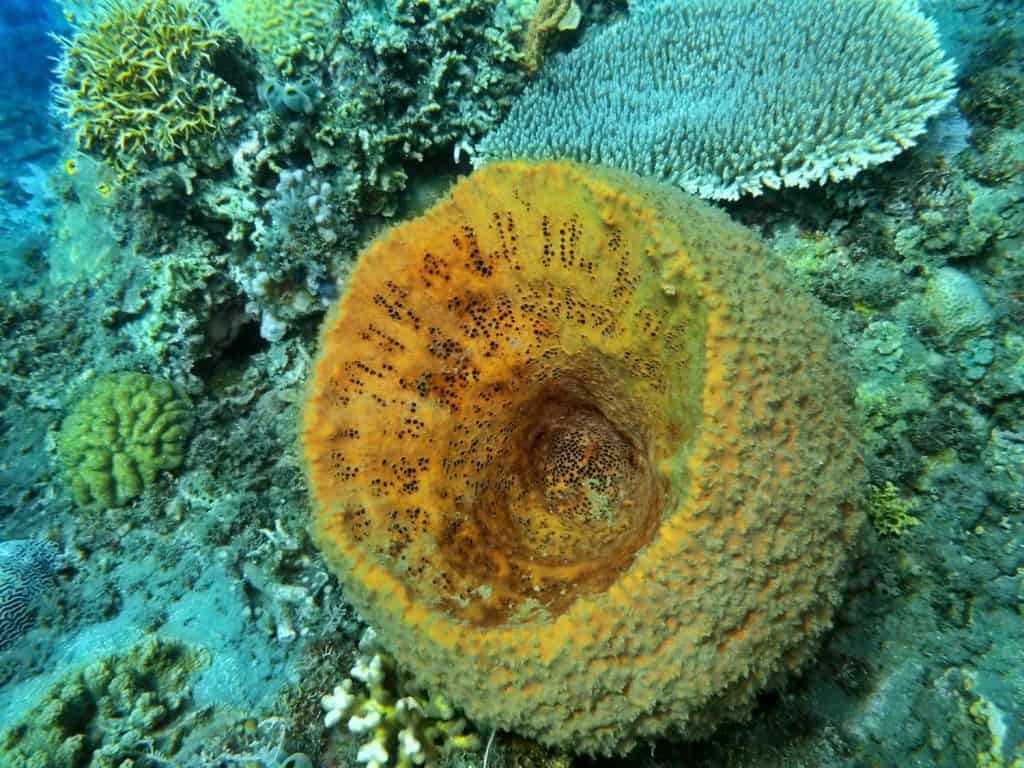
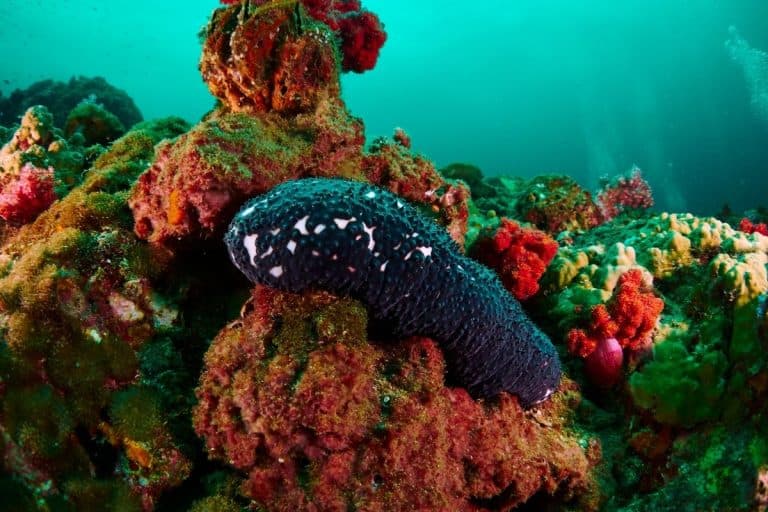
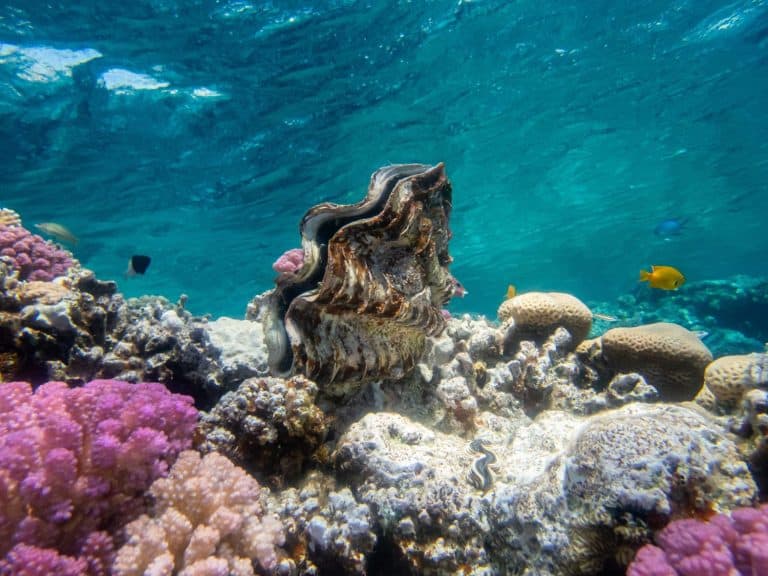
Most sea sponges that we are familiar with are passive, filter feeders.
©Ogurtsov/Shutterstock.com
30 New Species Found at the Bottom of the Southern Ocean
The Nippon Foundation–Nekton Ocean Census announced the newly discovered species in October 2025. The previously unknown species were found during two research cruises with the Schmidt Ocean Institute. In a press release, Dr Michelle Taylor, Head of Science at The Nippon Foundation-Nekton Ocean Census, said, “The Southern Ocean remains profoundly under-sampled. To date, we have only assessed under 30% of the samples collected from this expedition, so confirming 30 new species already shows how much biodiversity is still undocumented. By coupling expeditions with species discovery workshops, we compress what often takes more than a decade into a faster pathway while maintaining scientific rigour by having world experts involved.”
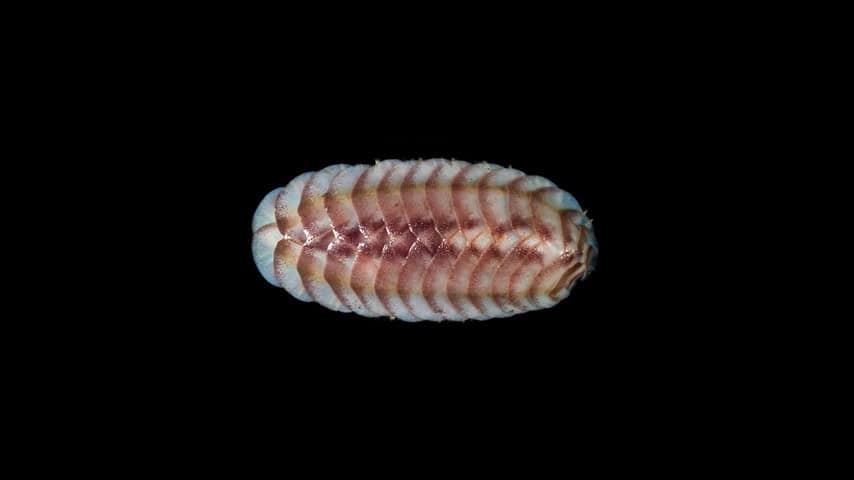
Researchers have discovered new species of small crustaceans in the deep ocean near the Sandwich Islands.
©Ocean Census / YouTube – Original
Species Spotlight: The “Death Ball” Sponge
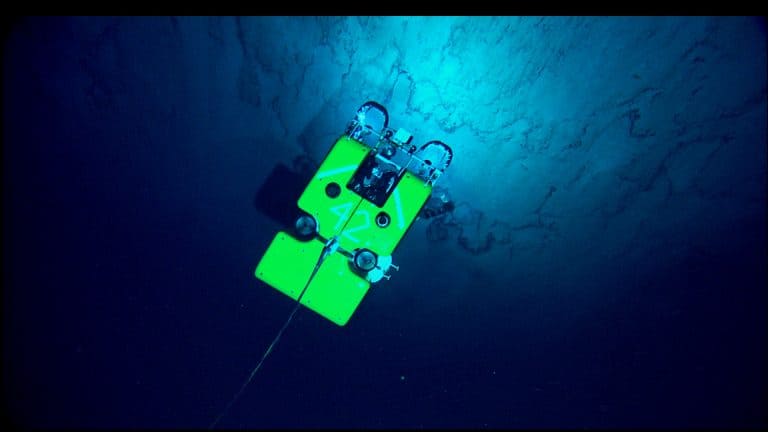
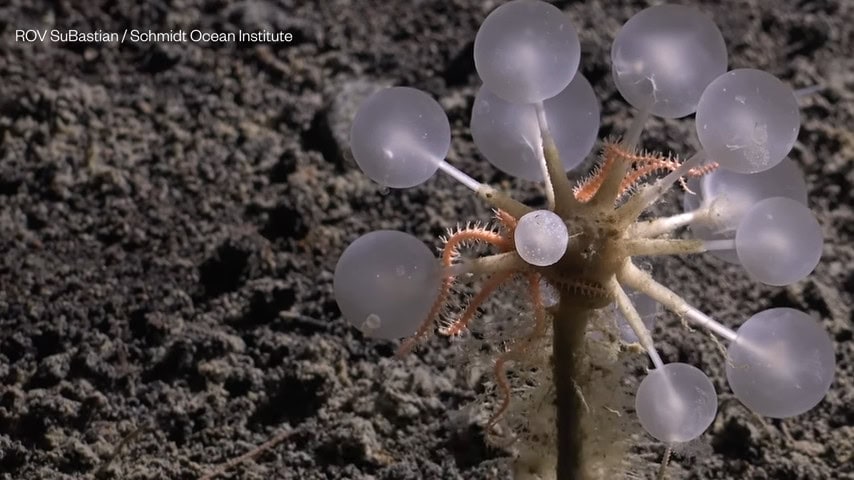
According to research in a video from Ocean Census, “We’ve been lucky enough to find some very different and special carnivorous sponges.” One of the newly discovered species is a rather unusual sea sponge. The predatory sponge (Chondrocladia sp. nov.) is unlike the passive sponges that simply sit on the ocean floor and filter microscopic particles for food. This sponge has a stalk with about 10 to 12 branches coming from it. At the end of each branch is a white spherical shape that looks like a ping pong ball. Each ball is covered in tiny, sharp hooks that trap prey. The sponge was found by the ROV SuBastian at 11,814 feet deep at a dive site east of Montagu Island, the largest of the South Sandwich Islands.
About Sea Sponges
Sea sponges are ancient. Scientists have found sponge fossils dating as far back as 600 million years ago during the Precambrian Era. There are around 8,550 species of sponges, though more are being discovered, such as the death ball sponge in the South Seas. Sponges are immobile aquatic invertebrates. Remarkably, some sponges can reassemble themselves after being passed through a sieve. They are the only known animals that can be broken down to the cellular level and then reassembled.
While many sponges filter water to obtain their food, the newly discovered death sponge is in the already known genus of carnivorous sponges, Chondrocladia. The Chondrocladia genus, also known as ping pong tree sponges, is made up of over 30 individual species. These carnivores capture prey (such as small crustaceans) by holding onto the animals with their velcro-like hooks. Once they have a grasp of the animals, they slowly absorb the prey into their system. Because sponges don’t have a mouth or stomach, the food is digested externally. Unfortunately for the prey, it’s an excruciatingly slow process.
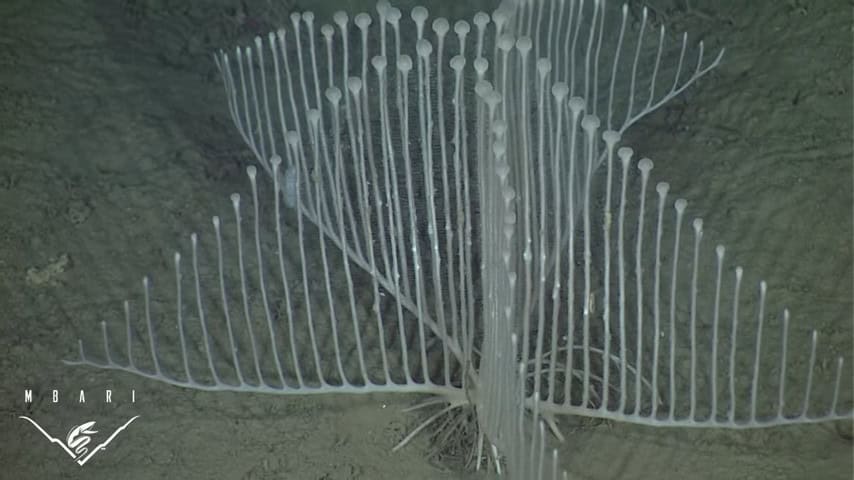
A carnivorous sponge, Chondrocladia lyra, was discovered in the deep-sea off the coast of California.
©MBARI (Monterey Bay Aquarium Research Institute) / YouTube – Original
Another species in the Chondrocladia genus is the harp sponge (Chondrocladia lyra), which was discovered in 2012 at a depth of 9843 feet off the California coast. Like the death ball sponge, the harp sponge has many branches with spheres at their ends that trap prey. However, the branches of the harp sponge are much more spread out, like that of a harp, leading scientists to give it its name.
What Other Notable Species Were Discovered?
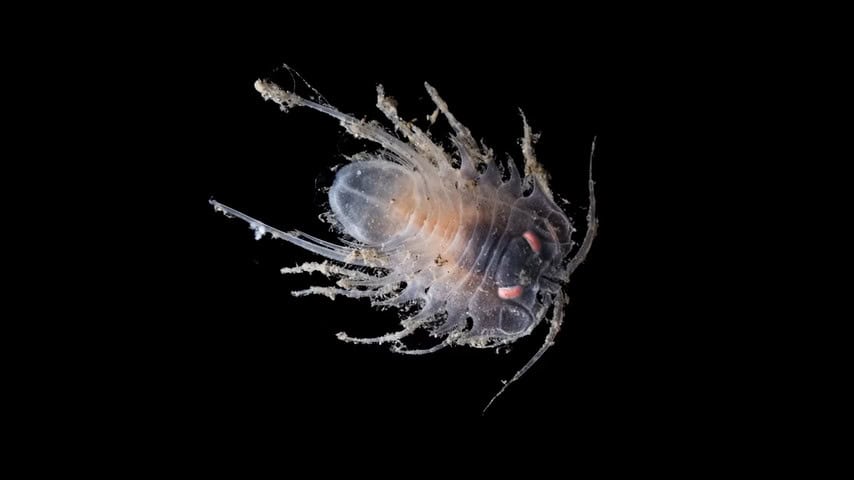
Thirty new deep-sea species were recently discovered by Ocean Census, Go South, and Schmidt Ocean Institute on their South Sandwich Islands expeditions.
©Ocean Census / YouTube – Original
On the two expeditions, researchers sampled nearly 2,000 specimens covering 14 animal groups. In addition to collecting specimens, the team compiled hours of video and thousands of high-definition images of sea creatures in the depths. Aside from living creatures, other fascinating discoveries included new hydrothermal vents and evidence of undersea volcanism.
Some other exciting finds include:
- New species of sea stars from the Brisingidae, Benthopectinidae, and Paxillosidae families
- Small crustaceans, including isopods, amphipods, and mollusks
- Armored and iridescent scale worms (Eulagisca sp. nov.)
- A juvenile colossal squid (Mesonychoteuthis hamiltoni): captured live on film in its habitat for the first time
Researchers reported that their findings may have uncovered a completely new amphipod family. They also spotted rare bivalves and gastropods that have evolved to survive in volcanic habitats. Scientists are also investigating the possibility of a new species of black coral and a new genus of sea pen.
Dr. Taylor explained the importance of the findings in the press release, “This is exactly why the Ocean Census exists—accelerating the discovery of ocean life and making it openly available. Each confirmed species is a building block for conservation, biodiversity studies, and untold future scientific endeavours.”