
Quick Take
- Dolomedes plantarius is the great raft spider.
- These spiders came back from the brink of extinction.
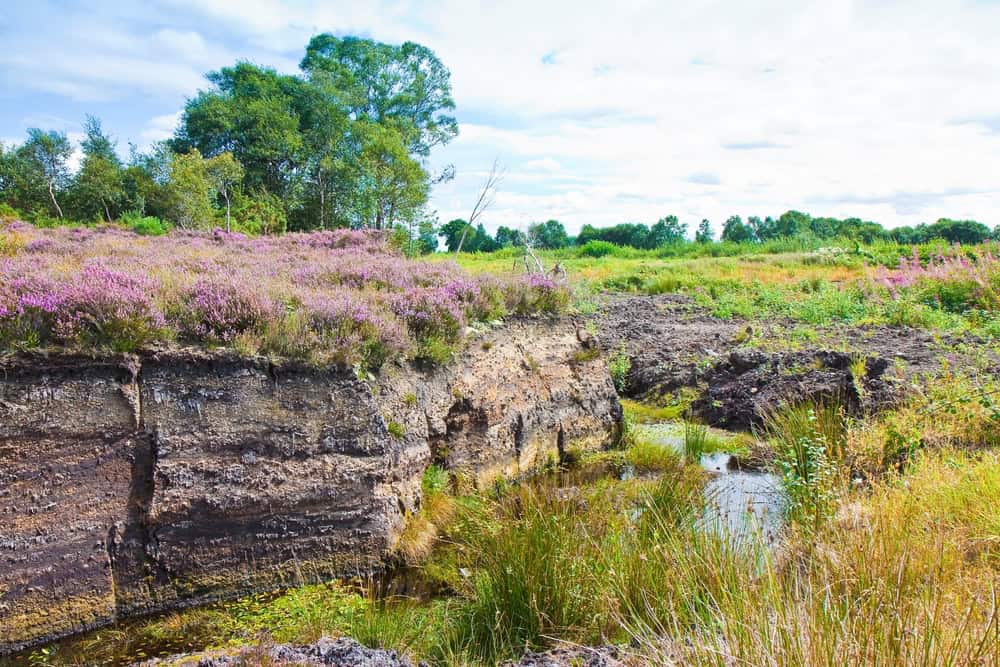
- Peat bogs and wetlands in Europe host raft spiders.
A decade ago, the fate of one of Europe’s largest native spiders actually depended on what happened inside a laboratory.
At the time, the great raft spider (Dolomedes plantarius) was teetering on the edge of disappearance in the United Kingdom. Wetlands had been drained, waterways straightened, and once-connected habitats reduced to scattered fragments. For a species so tightly bound to slow-moving water and dense vegetation, there was little room left to survive.
Today, the picture looks very different. The same species, once raised individually in test tubes and released into carefully restored wetlands, is now spreading through marshes and fens across the UK and parts of continental Europe faster than conservationists anticipated. These palm-sized spiders, formerly among Britain’s rarest invertebrates, are returning in numbers large enough to reshape the habitats they occupy.
Their comeback is one of the most striking success stories in modern invertebrate conservation. But it also brings new questions into focus: What happens when a species returns more quickly than expected? And how do ecosystems adjust when a long-absent predator reclaims its place?
A Survivor Species, Supported by Science
Raft spiders can trap a thin layer of air around their bodies, allowing them to breathe briefly underwater.
©Rudmer Zwerver/Shutterstock.com
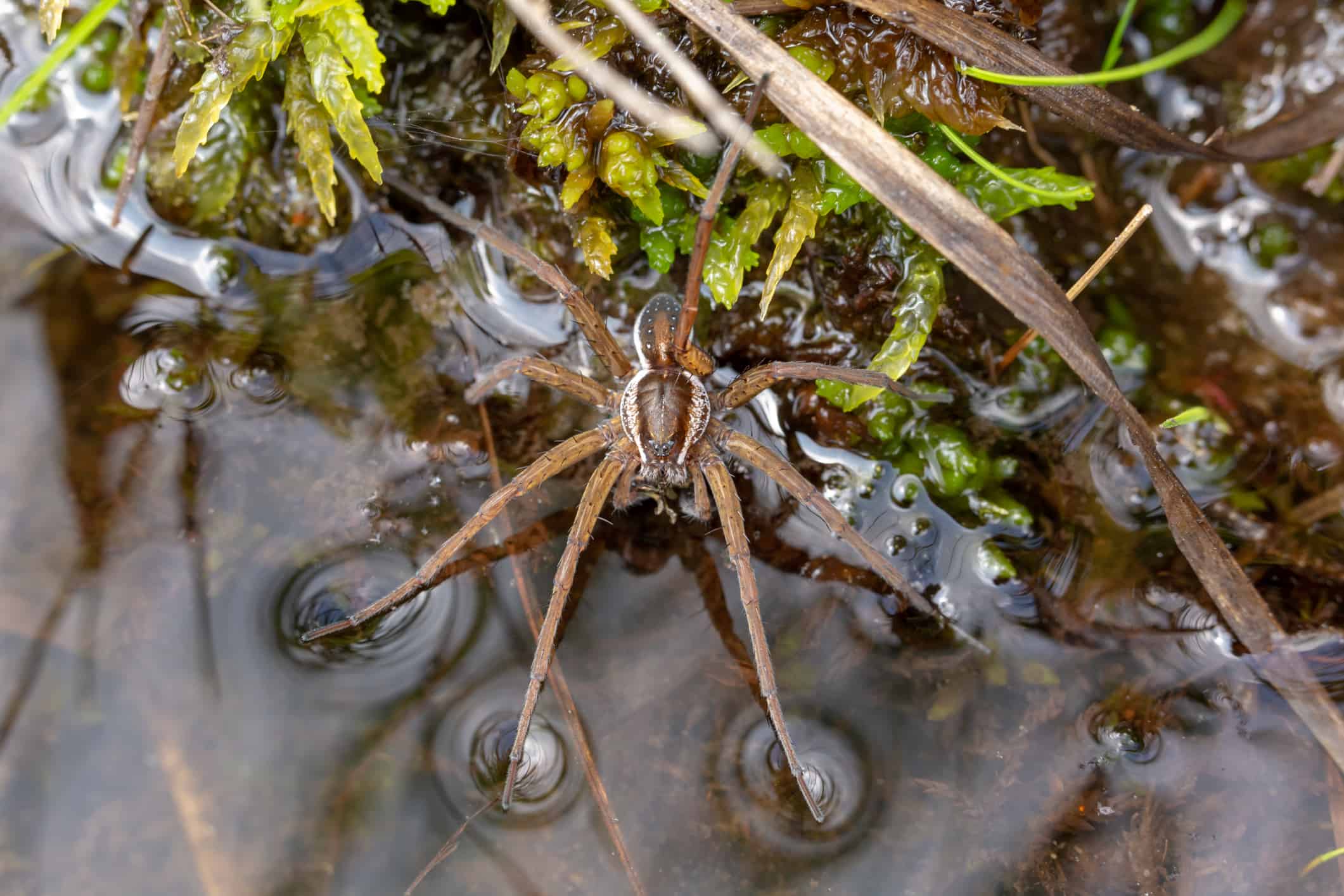
The great raft spider is not your typical spider. It doesn’t spin webs to trap prey. Instead, it hunts directly on the surface of the water, using ultra-sensitive hairs on its legs to detect vibrations caused by insects skating across ponds and ditches.
Balanced with its rear legs anchored to vegetation, the spider stretches its front legs across the water’s surface, waiting. When prey moves, it strikes. The spider can also dive below the surface, trapping air against its body, and pursue prey underwater. Its diet includes aquatic insects, tadpoles, and even small fish, an unusual menu for a spider.
Ironically, these impressive adaptations once made the species especially vulnerable. The spider depends on specific wetland conditions: shallow, slow-moving water; stable water levels; and dense plant life. As wetlands across Europe were drained or degraded for agriculture and development, those conditions disappeared. By the early 2000s, only a few isolated populations remained in the UK, raising fears that the species might vanish entirely.
Faced with that decline, conservationists tried something unusual…they bred spiders.
Thousands of fen raft spiders released by Chester Zoo are now thriving in the wild, with this year marking a record breeding season for the species. Beginning in 2011, Chester Zoo, in partnership with the Royal Society for the Protection of Birds (RSPB), launched a captive breeding program to give the spiders a second chance after their populations had dramatically declined due to wetland drainage and habitat destruction.
Once mature, hundreds of spiders were introduced into restored wetlands prepared by the RSPB, designed to replicate the slow-moving, vegetation-rich habitats the species depends on. The program has exceeded expectations.
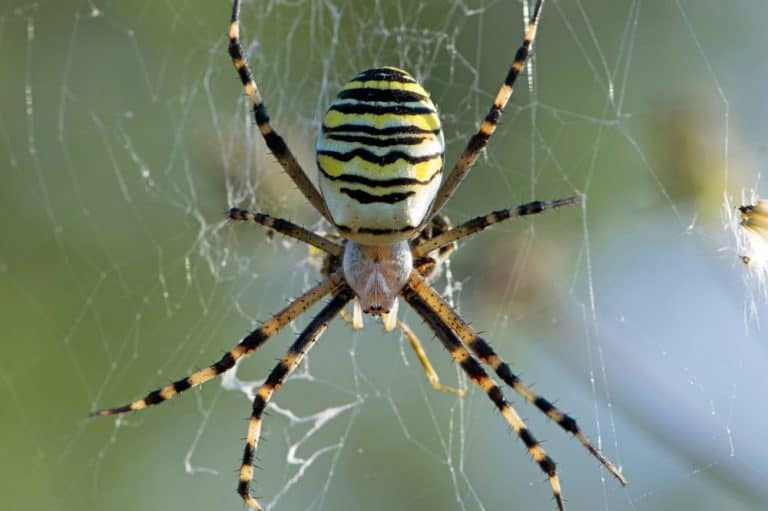
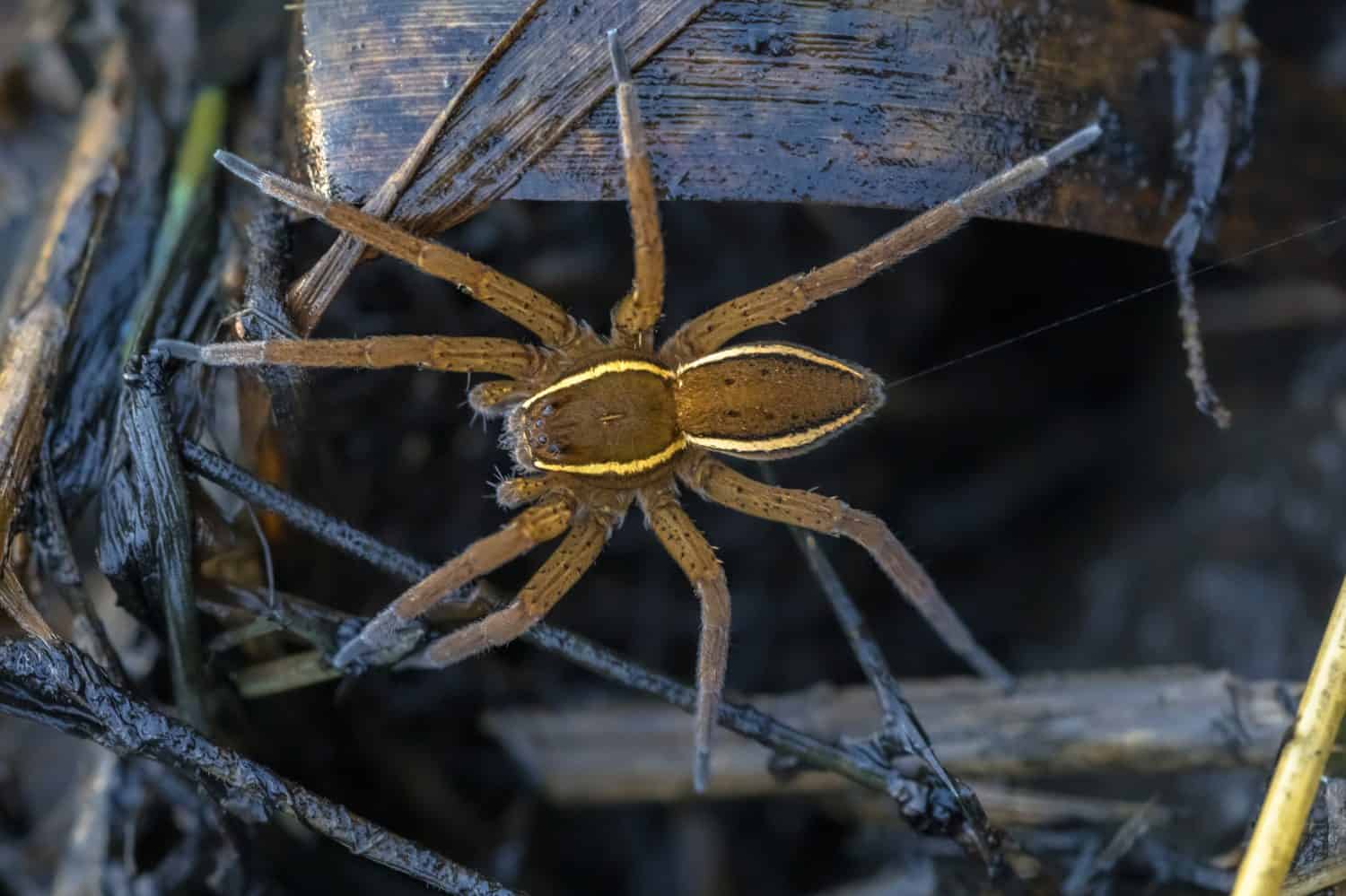
Current estimates suggest that over 10,000 breeding females now inhabit British wetlands, including major conservation sites such as the Mid Yare and the Pevensey Levels. These large spiders, which can reach the size of a human hand, are easily visible and recognizable by the distinctive white stripe along their bodies.
Spreading Faster Than Expected
As top invertebrate predators in wetlands, great raft spiders play an outsized role relative to their size.
©miss.lemon/Shutterstock.com
In France, the species has now been documented in more than 20 areas, a significantly broader distribution than previously recorded. This suggests that small, fragmented populations may have survived undetected for years, tucked away in pockets of suitable wetland habitat even as surrounding areas were degraded. Improvements in wetland management and increased monitoring efforts have allowed these hidden populations to be rediscovered, highlighting the crucial role of conservation work not just in restoring habitats, but in revealing the true resilience of species thought to be on the brink of extinction.
Further north and east, confirmed sightings in countries such as Germany, Sweden, and parts of the Baltic region indicate that the species’ potential range is larger than once believed. These findings demonstrate that the raft spider is more adaptable than scientists previously assumed, capable of surviving in fragmented landscapes as long as essential wetland conditions like stable water levels, clean water, and dense aquatic vegetation are present.
What makes this expansion particularly remarkable is that the spiders are not simply surviving; instead, they are reproducing and establishing self-sustaining populations without ongoing human intervention. For conservationists, this is highly encouraging. Many reintroduction programs struggle to achieve long-term success, often requiring repeated releases or extensive management to maintain populations. The Fen Raft spider’s ability to thrive independently suggests that carefully planned rewilding, combined with habitat restoration, can produce sustainable ecological outcomes.
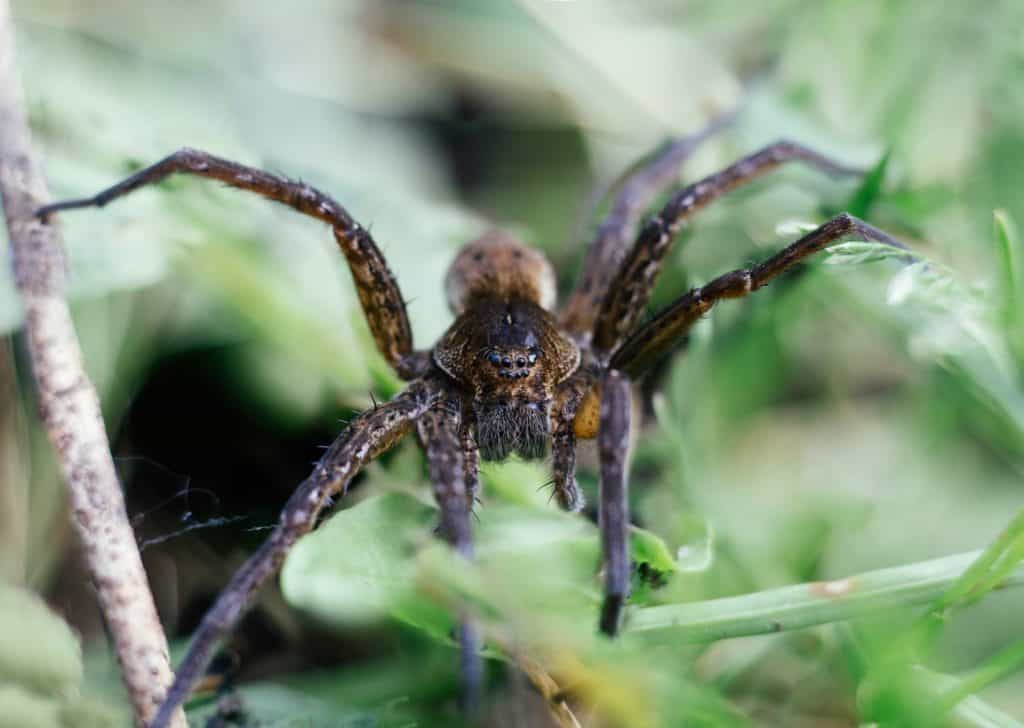
The ecological implications of this resurgence are significant. As top invertebrate predators in wetlands, great raft spiders help regulate populations of aquatic insects, which can otherwise grow unchecked and disrupt ecosystem balance. By preying on tadpoles and small fish, they also influence the abundance and distribution of other wetland species, subtly shaping food webs and promoting biodiversity. Their presence supports the overall health of marshes, ditches, and slow-moving waterways, contributing to the stability of these delicate ecosystems.
In this sense, the great raft spider’s return is moreIn this sense, the great raft spider’s return is more than just a species comeback; it is a signal that restored wetlands can support complex, functioning ecosystems once again. The spider’s resurgence illustrates how targeted conservation actions, combined with careful habitat management, can not only prevent extinction but also actively enhance the ecological integrity of landscapes.
Ecological Ripple Effects
They depend on clean, stable wetlands, so the presence of raft spider signals a functioning ecosystem.
©Francesco Scatena/Shutterstock.com
By feeding on aquatic insects, great raft spiders help regulate populations that might otherwise grow unchecked, preventing imbalances in wetland ecosystems. Their occasional predation on small fish, tadpoles, and amphibian larvae adds another layer of influence, subtly shifting energy flow through marshes, fens, and grazing ditches. These interactions can affect the abundance and behavior of prey species, which, in turn, influence plant communities and the overall health of these delicate habitats.
For the most part, these effects are beneficial. Healthy predator populations often indicate that an ecosystem is functioning well, supporting a diverse array of species and maintaining natural checks and balances. Yet the speed of the spiders’ return has prompted careful observation. Wetlands today differ from those the spiders originally inhabited; decades of drainage, pollution, and land-use changes may have altered food webs in ways that scientists are still uncovering.
So far, there is no evidence that the spiders’ resurgence is causing harm. Instead, their presence is helping to restore natural predator-prey dynamics that had been lost. At the same time, their success underscores a broader lesson in modern conservation: rewilding does not end with a species’ release. It is an ongoing process that requires careful monitoring and adaptive management as ecosystems adjust and settle into new, sometimes unexpected, equilibria. The great raft spider’s comeback offers a window into how restored predators can influence biodiversity, energy flow, and ecological stability, highlighting the complex and dynamic nature of reintroduced species within functioning ecosystems.
Thriving, but Still at Risk
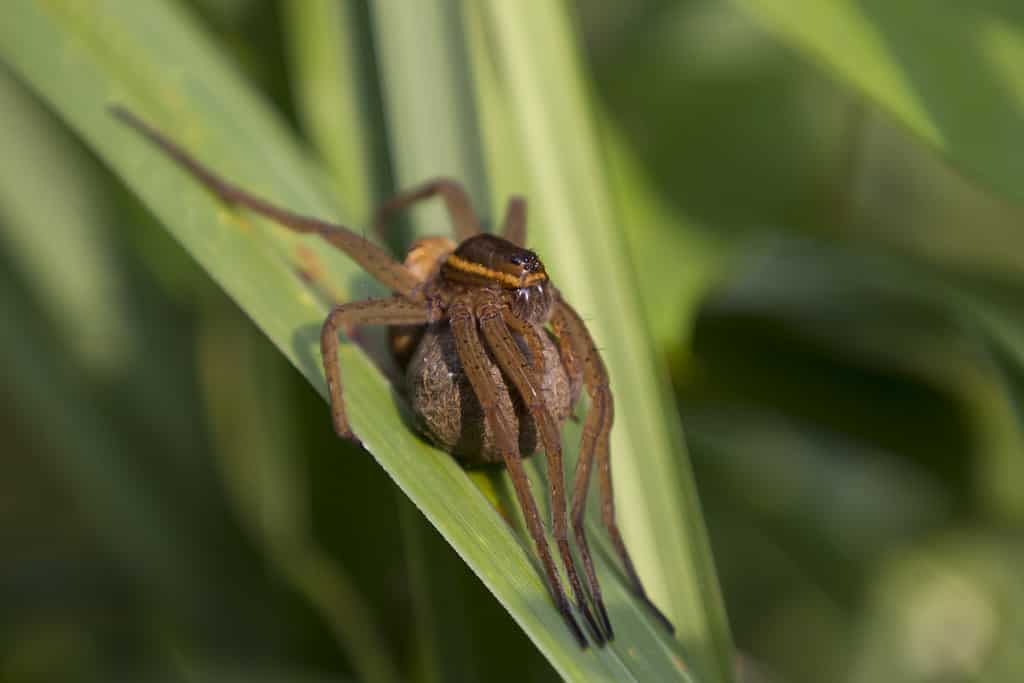
Despite their large size, raft spiders are shy, non-aggressive, and pose no danger to people.
Even with its rapid expansion, the great raft spider remains far from secure.
The great raft spider remains a vulnerable species, with its survival intricately linked to the ongoing health and integrity of wetland habitats. These spiders rely on clean, unpolluted water, stable water levels, and dense aquatic vegetation to hunt, reproduce, and rear their young. Any disruption to these conditions, whether from pollution, water extraction, agricultural runoff, or changes in land use, can have immediate and potentially severe consequences for their populations.
Even in the UK, where the species enjoys legal protection, conservationists stress that legal safeguards alone are insufficient. Maintaining suitable habitats requires continuous, active management, such as monitoring water quality, controlling invasive species, and preserving native vegetation. In France and other parts of Europe, inconsistent monitoring and limited conservation resources make it difficult to determine whether observed population increases indicate long-term stability or only temporary gains.
Perhaps most critically, the spider’s recovery depends heavily on humans actively maintaining or restoring landscapes. Unlike species that can thrive in entirely self-sustaining ecosystems, Fen Raft spiders need carefully managed wetlands to survive. Without ongoing conservation funding, coordinated habitat restoration, and supportive public policy, the very environments that have allowed these spiders to rebound and the countless other species that share these habitats could deteriorate once again. Their continued survival serves as a reminder that conservation is not a one-time effort, but a sustained commitment to preserving and managing the ecosystems on which vulnerable species depend.
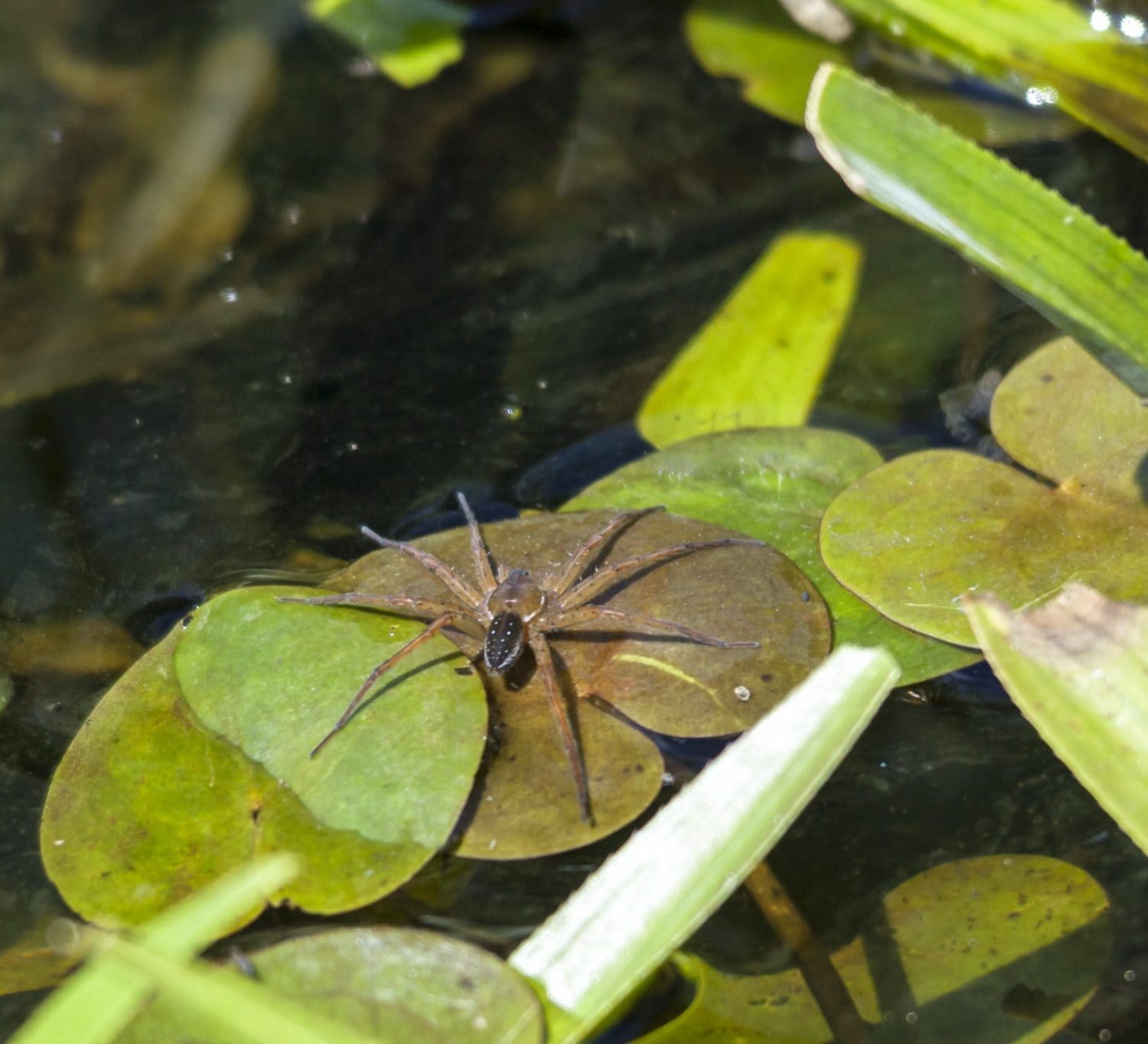
They feed on aquatic insects but have been observed capturing tadpoles, fish, and amphibian larvae.
©Smiler99/Shutterstock.com
The story of the great raft spider sits at the intersection of science, ethics, and human responsibility.
It demonstrates that highly targeted intervention, even raising spiders individually in test tubes, can reverse declines once thought irreversible. At the same time, it highlights how fragile those victories can be when species depend on environments shaped by human decisions.
Ten years on, these hand-sized spiders are no longer symbols of near-extinction. They are living proof that recovery is possible. But their rapid spread also delivers a clear message: bringing a species back is only the first step. Long-term success depends on whether people remain willing to protect the places those species need to survive.