
Quick Take
- The scientist this new seahorse was named after had personally examined it in the wild, not realizing she was looking at something entirely unknown. Meet the honoree →
- The physical clues that finally exposed the misidentification were hiding in plain sight on every specimen researchers had studied for a century. See the physical clues →
- A destructive fishing method despised by conservationists accidentally handed scientists the breakthrough they needed. How trawling helped science →
- Lumping these seahorses under one species name for decades had real consequences for their survival, and fixing that error changes everything about how they can be protected. Conservation impact explained →
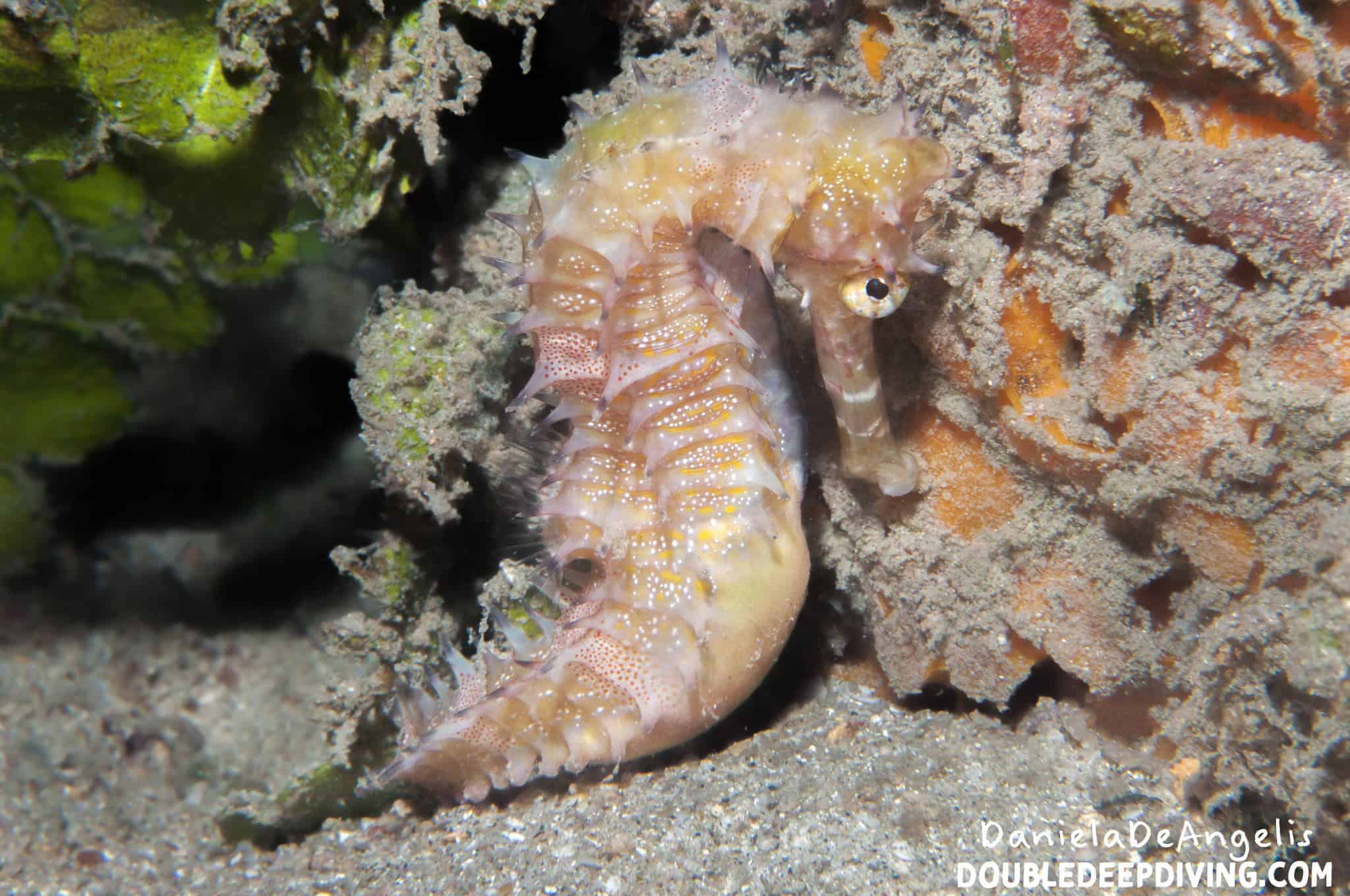
For more than 100 years, a case of mistaken identity prevented a spiky little seahorse in the Indian Ocean from being recognized as a distinct species. Although it was frequently observed and studied by scientists, no one realized it was unique.
This changed when a group of researchers examined marine life accidentally caught during commercial fishing operations in southern India. By closely inspecting the spines and snouts of the tiny seahorses found in the nets, they noticed differences. DNA testing confirmed their suspicions.
A new species of seahorse was revealed.
An Accidental Discovery
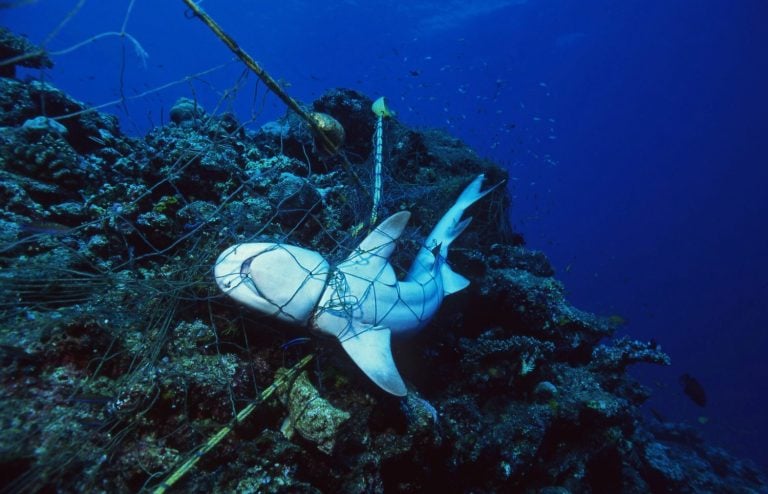
In Tuticorin harbor in southern India, fishing boats regularly bring in large amounts of bycatch—marine life unintentionally caught in nets along with the targeted fish. This occurs almost daily due to a fishing method known as “bottom trawling.”

Seahorses and other marine life are often swept up in commercial trawling operations.
For researchers, examining bycatch provides an opportunity to conduct marine research. Teams routinely analyze the bycatch to search for potential new species and make other discoveries.
During a routine bycatch examination, one international research team came across a tiny seahorse that looked quite similar to a well-known species called Hippocampus histrix – the thorny seahorse. It was a seahorse many researchers had observed in the past, including seahorse expert Dr. Amanda Vincent. Vincent is the co-founder of Project Seahorse, a conservation initiative at the University of British Columbia.
Vincent and others never realized they were actually observing a brand new species. It wasn’t until another international research team took a closer look that the discovery was made. Their findings were revealed in a new study published in the journal Zootaxa.
How Scientists Made the Discovery
Researchers carefully examined the seahorse’s body shape, focusing on its snouts and spines. They found that the new species had a shorter snout than the thorny seahorse and distinctive spines. Five spines formed a crown on its head, with additional spines running down its body and tail. The seahorse measures about 6.3 inches in length.
DNA testing confirmed that a new species had been overlooked for decades. The research team took existing genetic material from seahorses across the region and compared it to the DNA from the spiky seahorse. The results showed that the spiky seahorse was a distinctive species. The tests also revealed that the thorny seahorse, H. histrix, was actually three unique species – H. histrix, H. jayakari, and H. amandavincentae.
Named After a Seahorse Pioneer
The third of the newly discovered species was named after Dr. Vincent in honor of her research and work on seahorse conservation. She has earned a number of “firsts,” including:
- First to study seahorses underwater
- First to document the scope of the seahorse trade
- First to start a dedicated seahorse conservation project
- First marine conservationist to win the Indianapolis Prize, a top global conservation award
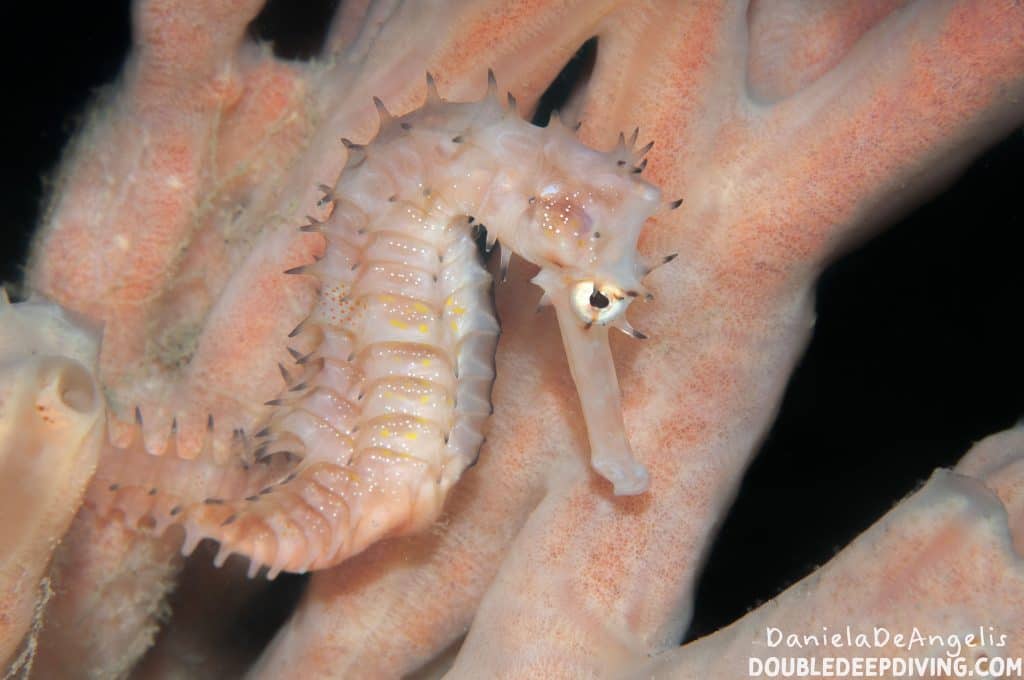
This is the newly identified H. amandavincentae.
“We’ve named this seahorse, Hippocampus amandavincentae, for Amanda Vincent, whose work established seahorse conservation as a field,” study co-author Graham Short said in the press release announcing the study.
“This honor makes my heart glow,” Vincent said in the same press release. “It’s amazing that such a wonderful creature was hiding in plain sight. I surveyed the array of fishes dragged up by trawlers in Tuticorin, India, where this new species was first found, and missed it completely. Now I have yet another special reason to push hard at ending bottom trawl fishing.”
The honor coincides with the 30th anniversary of Project Seahorse.
Where Is the New Species Found?
Researchers believe the new species’ range likely extends across the Indian Ocean, from Mozambique and the Red Sea to India. This conclusion is based on DNA matches from samples collected in southeastern India, Madagascar, Mozambique, the Seychelles, and the northern Red Sea.
Why This Discovery Matters
All seahorses are listed under CITES Appendix II, an international agreement that regulates wildlife trade to protect wild populations. Being listed means there are controls on how seahorses are bought and sold. Seahorses are often captured and sold for the aquarium trade.
Beyond being caught for commercial sale, seahorses face threats from unsustainable fishing methods like bottom trawling, capture for traditional medicine, and habitat loss.
For decades, all spiny seahorses in the Indian Ocean were classified as the same species, H. histrix species.
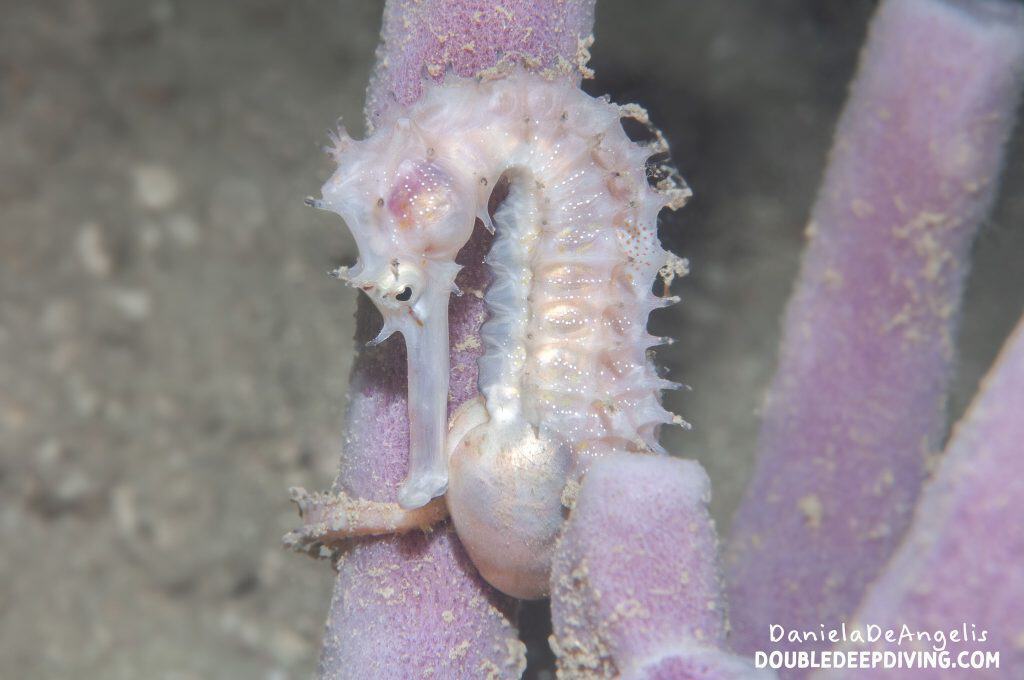
Identifying new species helps conservationists focus preservation efforts more effectively.
“Our findings now reveal that these records actually represent multiple species, with practical consequences for global conservation decision-making and policy implementation,” said the study’s senior author Dr. Rajeev Raghavan, assistant professor at Kerala University of Fisheries and Ocean Studies, in the press release.
Now that three distinct species are recognized, more effective and targeted conservation efforts can be implemented.
“Knowing that Hippocampus amandavincentae exists as a separate species, recognizing what makes it unique and understanding where it lives is obviously critical for its conservation. Our team at Project Seahorse will do everything we can to support healthy populations of this and other seahorses,” said Dr. Vincent in the press release.