
Quick Take
- Two shark species were hiding in a Kentucky cave for 325 million years, and the reason they ended up there has nothing to do with freshwater. How they ended up there →
- These prehistoric predators came equipped with weapons no modern shark carries, and scientists think they know exactly why. See their unique weapons →
- The same cave network already shocked scientists once before, and this latest find goes even further back in time. Explore the cave discovery →
- Behaviorally, these 325-million-year-old killers have more in common with sharks patrolling today's coastlines than anyone expected. See the behavioral parallels →
Inside the twisting tunnels of Mammoth Cave, the world’s largest cave system, scientists have uncovered fossilized remains of two ancient shark species that once prowled Earth’s waters some 325 million years ago. These newly identified fossils were found in Kentucky’s Mammoth Cave as well as in northern Alabama, offering a rare glimpse into a world that existed long before dinosaurs ever appeared.
Continue reading
Unexpected Fossils Deep Underground
It’s hard to imagine sharks buried beneath layers of earth in the American heartland. Yet in May 2025, a team of paleontologists made precisely that discovery, identifying two new species of fossil sharks from the Carboniferous Period amid the sprawling karst passages of Mammoth Cave and in rock layers to the south. These fossils date back over 325 million years, an era when a broad sea covered much of what is now North America.
©Mark_Kostich/Shutterstock.com
What makes the Mammoth Cave system especially important for paleontology is its extraordinary preservation of ancient remains. Across 420 miles of interlocking corridors and caverns, stable underground conditions have shielded fossils from erosion, keeping anatomical features sharply intact. This level of preservation allows scientists to study these long-lost creatures in striking detail.
A New Chapter in Prehistoric Shark History
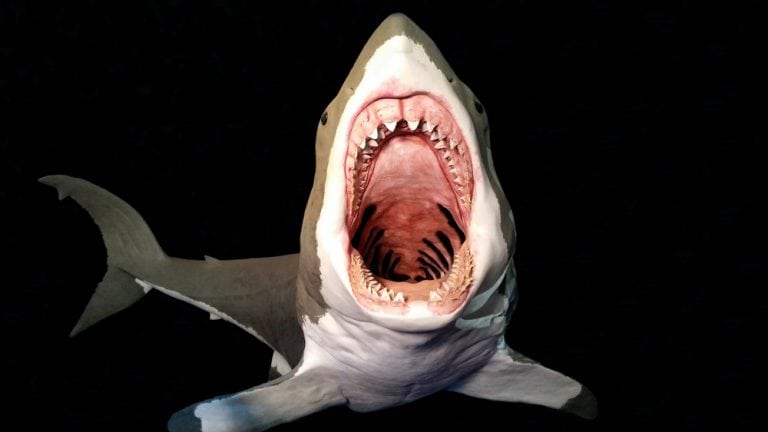
The discovery continues a recent run of remarkable fossil finds in the region. Just a few years ago, researchers unearthed a shark in the same cave network whose size compared to a modern great white, dating back about 330 million years.
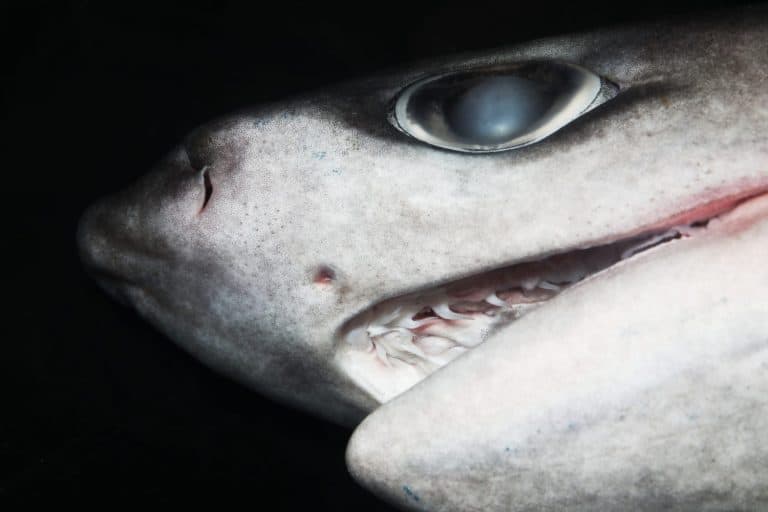
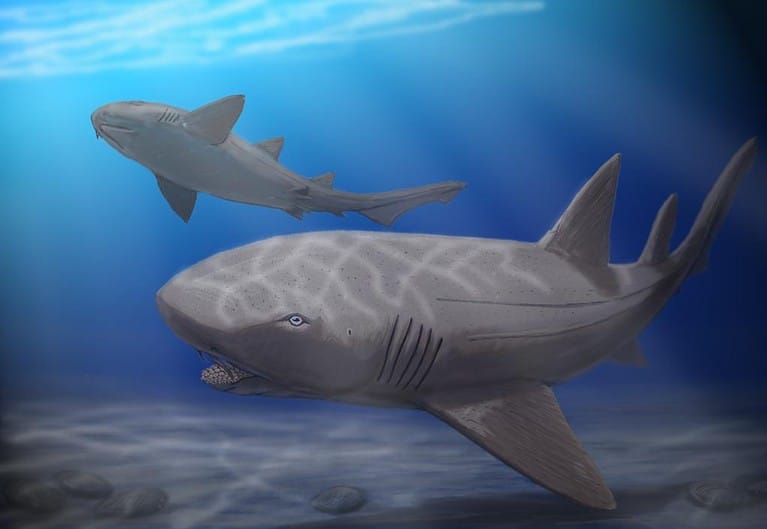
This time, the spotlight falls on two newly described species: Troglocladodus trimblei and Glikmanius careforum. Both belong to the ctenacanth family, distant ancestors of today’s sharks. Fossil evidence suggests these predators measured between 10 to nearly 12 feet (3 to 3.6 meters), putting them on par with some of today’s more formidable sharks.
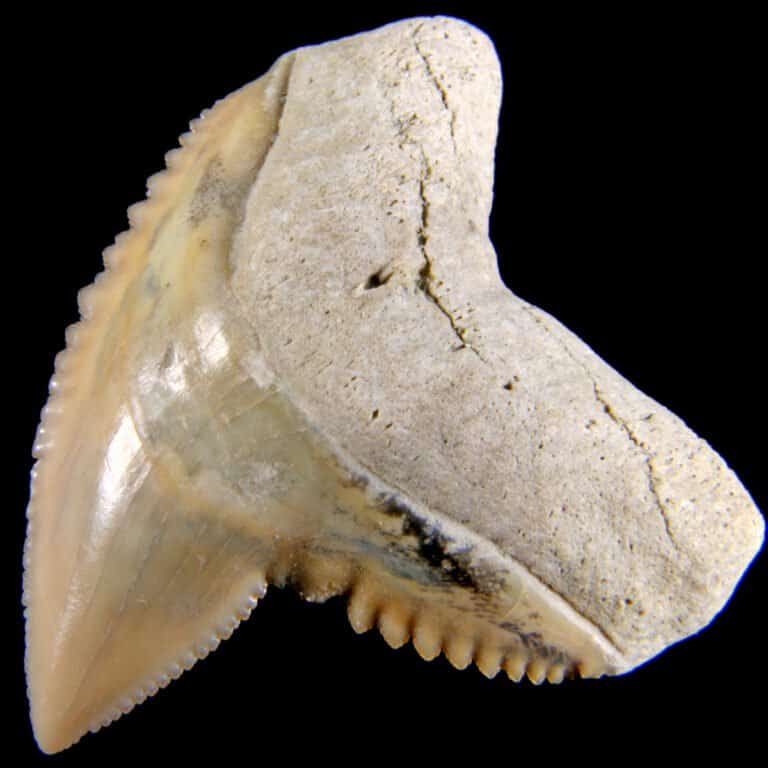
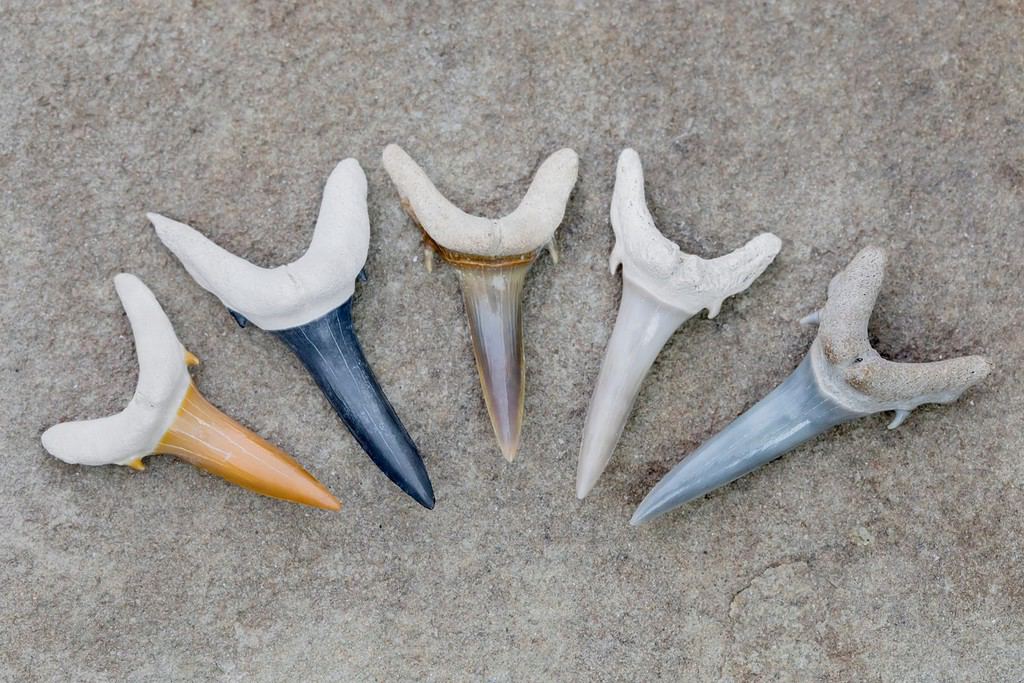
Each species came equipped with its own evolutionary advantages. Troglocladodus trimblei featured fork-shaped teeth that may have helped it target specific prey, while Glikmanius careforum boasted a particularly powerful bite, likely expanding its menu to a wider range of animals.
Remarkably, both species displayed comb-shaped defensive spines along their backs. These “barbs” likely acted as built-in defenses, deterring even larger predators in the Carboniferous seas.

©Mark_Kostich/Shutterstock.com
How Marine Predators Landed in Kentucky’s Caves
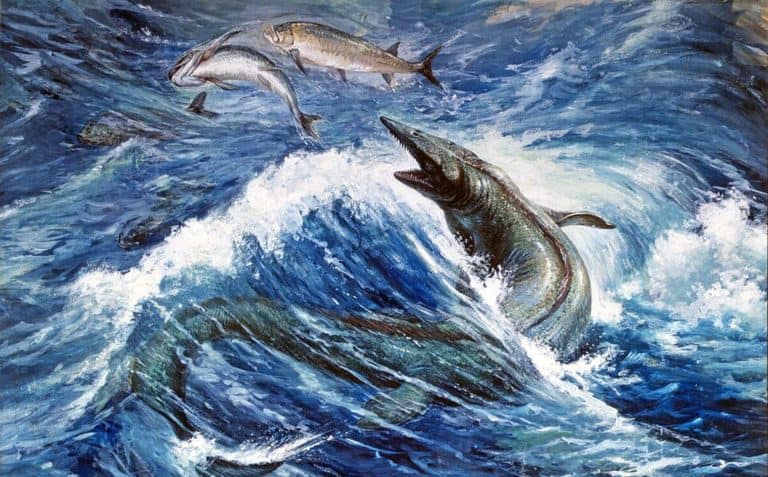
It might seem strange to find marine fossils deep inside a terrestrial cave system, but the explanation lies in the tectonic shifts that altered the planet over hundreds of millions of years. The rocks that form Mammoth Cave today were once at the bottom of a vast inland sea. During the period when these sharks lived, North America, Europe, and North Africa were connected by this marine passageway.
Over time, the slow collision of continents led to the formation of the supercontinent Pangea. As ancient seas retreated, marine sediments, along with the remains of creatures like these sharks, were buried and eventually cemented into limestone, now forming the spectacular hidden realm of Mammoth Cave.
Insights From the Depths of Time
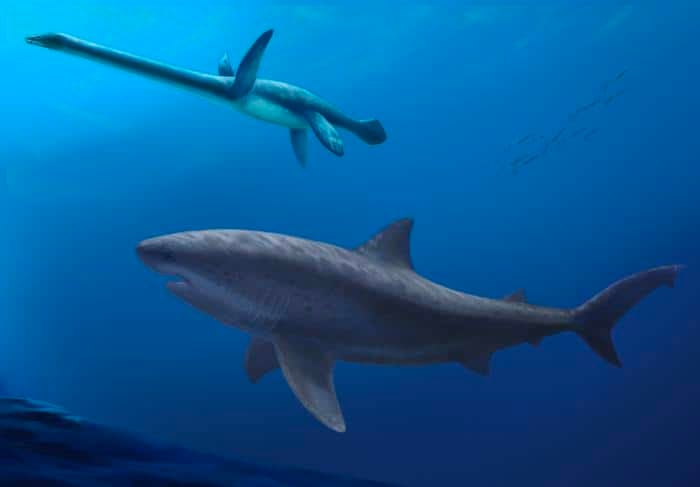
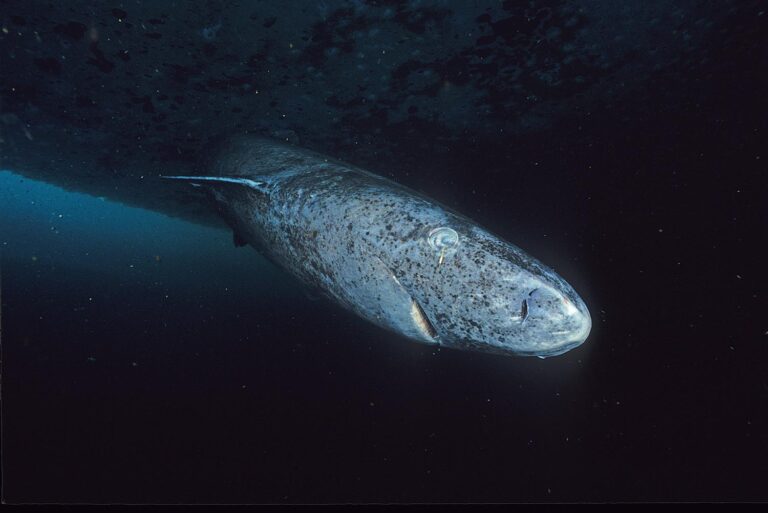
Researchers have noted parallels between the ancient sharks’ behaviors and those of some modern species such as lemon sharks and gray sharks. These ancient predators likely patrolled shallow waters, hunting near coastlines much as their distant relatives do today.
Ultimately, fossil sites like Mammoth Cave are more than natural wonders. They are living records of the planet’s evolutionary story. Moments like this remind scientists of how fragile and fleeting each chapter of life can be, and highlight the irreplaceable value of protecting sites that hold our shared natural history.