When John Muir founded the Sierra Club in 1892, he couldn’t have imagined the world we live in now — one where millions of acres of wildland are continuously under threat, species extinction looms at historic levels, and climate change has moved from scientific theory to lived reality. But the hiking club he started with a few nature-loving friends has grown into one of the most influential environmental organizations in the country … And it’s still guided by many of the same values Muir held dear.

A lone photographer drifts in a canoe during sunrise in the Okefenokee, capturing the stillness of dawn in Georgia’s wild and wondrous swamp.
©Eric Bowles, Bowles Images
The Sierra Club Vision, Then & Now
While the Sierra Club is now known as a powerful force in conservation policy, its origins were more about fresh air and trail mix than legislation and lobbying. “It was primarily an outings-oriented organization,” says Dan Ritzman, Director of Conservation Campaigns at the Sierra Club. “John Muir and his compatriots were folks who loved to get up into the Sierra Nevadas of California and do horse-packing and hiking … That was the impetus for the organization. But it didn’t take long for that outings-oriented organization to grow into a conservation-minded one.”
What the science tells us is that one of the key actions you can take to address this mass extinction period is to protect more habitat for wildlife.
Dan Ritzman, Director of Conservation Campaigns at the Sierra Club
Muir’s deep reverence for nature, particularly the majestic peaks, forests, and valleys of the West, compelled him to protect the landscapes he loved. Over time, his boots-on-the-ground passion became a movement. He saw that these places were not just beautiful, they were vulnerable. And that protective impulse became a defining ethos.
In fact, Muir is often credited as the father of the national parks. “That need and the importance of protecting these special landscapes is still there and is still a major driver in the work the Sierra Club does,” says Dan.
Back then, Muir didn’t have access to climate models or peer-reviewed research. Intuition and an intense respect for Mother Nature guided much of the preservation effort. “Muir was a naturalist, and just by spending all of this time outside, he recognized the importance of these places for wildlife habitat and other values,” Dan explains. “What we’re seeing now is that the scientific data around the need and importance of protecting these places has caught up with that vision.”
Today, the Sierra Club’s work is as much about spreadsheets as it is about scenery. The organization’s current 10-year plan (spanning 2020 to 2030) is focused on the ambitious “30×30” goal, which is based on protecting 30% of U.S. lands and waters by the year 2030 to help counter the climate and extinction crises. “What the science tells us,” Dan explains, “is that one of the key actions you can take to address this mass extinction period is to protect more habitat for wildlife.”
But this protection isn’t just for flora and fauna. “These protected lands are critically important for people,” he adds. “For their mental health, for clean drinking water, for clean air. It’s important for their opportunity to get out into these special places and recreate with their families.”

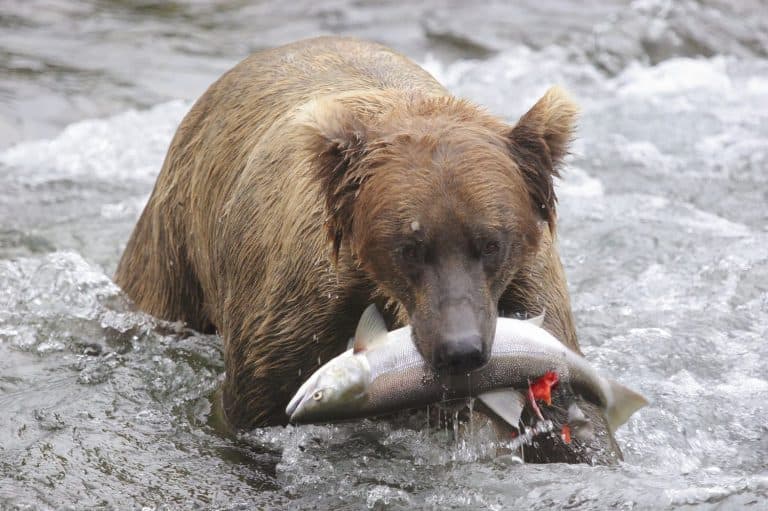
The Sierra Club is standing on the frontlines of extinction. Grizzly bears are just one of the many species the organization fights to protect through its ongoing efforts to defend the Endangered Species Act and preserve critical habitat.
©Jim Peaco, National Park Service
People-Powered Preservation
Despite the rising complexity of environmental threats, Dan is clear: at its core, the Sierra Club is about people.
“No national park or National Wildlife Refuge is created because one person showed up with a really good map,” he says. “They were created because people cared. They got organized and demanded that these places were set aside for their natural values.”
A recent example is the Chuckwalla National Monument, designated in January 2024. Located in Southern California, the Chuckwalla landscape was protected thanks to advocacy led by Indigenous communities and local coalitions. “They brought people together and advocated with local decision-makers, and then state-level decision-makers, and then national decision-makers, pushing for this national monument to be created, ” Dan says. “It took years for their voices to be uplifted. That’s really the path almost every special place has followed.”
This kind of long-game organizing isn’t the exception; it’s the blueprint. Nearly every protected place in the U.S. has a backstory involving passionate locals, community coalitions, and persistent advocacy. The Sierra Club helps amplify those efforts and often leads them to success.

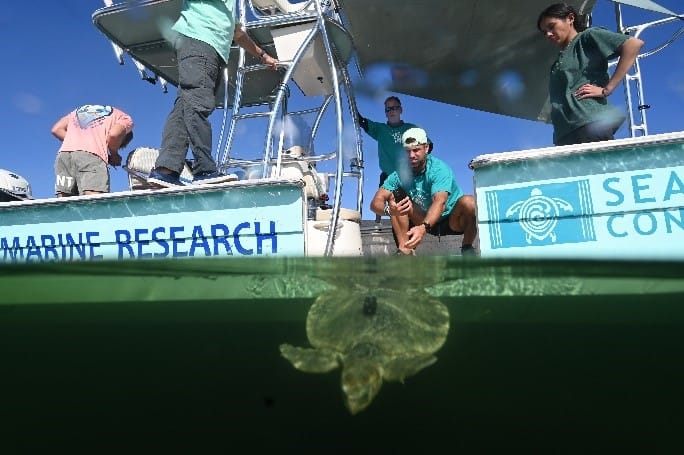
NOAA veterinarian Dr. Brian Stacy prepares to clean an oiled Kemp’s Ridley turtle during the BP oil spill, part of a massive, coordinated effort to rescue and rehabilitate vulnerable wildlife impacted by environmental disaster.
©NOAA and Georgia Department of Natural Resources
Progress and Pushback
Over the decades, the Sierra Club has racked up an impressive list of victories. “We were there at the founding of the National Park Service,” Dan says. “John Muir was instrumental in the protection of places in the Sierra like Yosemite Valley.”
One of the Club’s most iconic efforts came in the 1960s when it helped defeat plans to dam the Grand Canyon. “Our executive director at that time, David Brower, brought people and a campaign together that ended up defeating those proposed dams,” Dan explains.
Other pivotal wins include the protection of Alaska’s wildlands through the Alaska National Interest Lands Conservation Act and the establishment of Redwood National Park in California, both spearheaded by Sierra Club leaders and members. “There are 63 national parks and hundreds of monuments and refuges,” Dan says, “and a Sierra Club activist or volunteer has probably been involved in almost every one of those campaigns.”

A freshly emerged monarch rests on a Rocky Mountain beeplant at Seedskadee National Wildlife Refuge. It’s one small victory in the Sierra Club’s larger fight to protect pollinators and the native habitats they depend on.
©Tom Koerner, U.S. Fish and Wildlife Service
Bringing More Voices to the Table
Of course, not everything in the conservation world has aged as gracefully as the redwood trees. As Dan acknowledges, the conservation movement hasn’t always been inclusive. “Just like in our democracy, it has not always been the case that all voices have been considered equal,” he says. “The early days of the movement didn’t include the voices of BIPOC people. And that’s where I would say the biggest change has come at the Sierra Club and across conservation as a whole.”
Now, the organization’s membership and staff “look more like America,” Dan notes. “There’s a diversity of people. And that has really influenced the places and the way we identify for conservation.”
Recent efforts to protect land have increasingly prioritized cultural and historical significance. “Many of the newest national monuments revolve around telling the more complete story of America,” he says. “Places that show the cultural sides of Indigenous people, African American culture and achievement, or inflection points like the Tulsa race riots.”
The Sierra Club has formally adopted the Jemez Principles, which emphasize self-determination, inclusive decision-making, and the elevation of local voices. “They set the tone for how this sort of work should happen — that people should speak for themselves, that their voices should be out in front and uplifted,” says Dan. “That’s really driven our work and put us in a more active listening mode as we develop our campaigns and move these efforts forward.”
Grassroots … And Still Growing
With over a century of grassroots organizing under its belt, the Sierra Club remains a powerful engine for citizen-led change.
Just recently, their organizing might have thwarted a major sell-off of public lands. “There were proposals in Trump’s Reconciliation Bill that would have sold off millions of acres of our public lands to benefit billionaires,” Dan recalls. “Those provisions got pulled out because of energized, grassroots activists.”
From Montana to Idaho, everyday people showed up. “Sierra Clubbers visited every in-district Senate office for the two Idaho senators and demanded that they push back,” he says. “It worked. And we had to do the same thing again on the Senate side. That effort is working. The little ‘d’ democracy still matters.”
With the political winds shifting again, the Sierra Club is bracing for a fresh wave of environmental rollbacks — and stepping up to meet them.
“Through the Biden administration, we had our goals of protecting 30% of our lands and waters… now we’re barely six months into Trump, and it’s such a defensive battle,” Dan says. “They’re going after everything — public lands, the Endangered Species Act, they’re rolling back the roadless rule in our forests.”
The Roadless Rule, which safeguards nearly 60 million acres of untouched forest, is now a top priority. “That’s an all-hands-on-deck moment,” Dan says. “Our oldest trees are critical in pulling carbon out of the air.”
The Endangered Species Act is also under threat. “We’re going to bring people together and do all we can to protect that,” he adds.
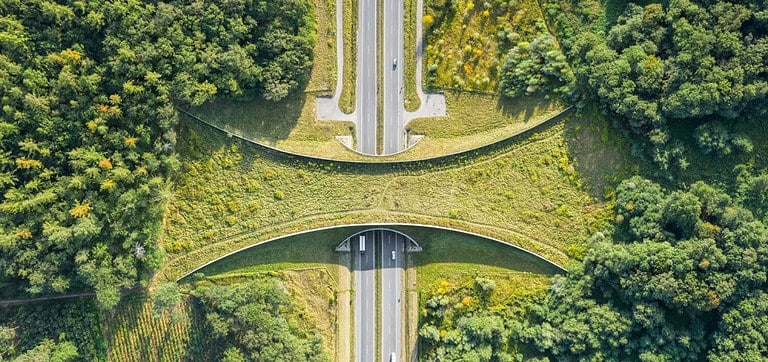
While the federal stage has become more challenging, Dan points to state-level wins as bright spots. “In New Mexico this year, the Sierra Club and our allies worked in the legislature to reform the state’s Fish and Game agencies,” he says. “States are bringing in money for wildlife corridors and freeway crossings. You’re seeing conservation still happen at the state level.”

A guardian of the tundra, this wolf prowls the edge of Denali National Park, emblematic of the Sierra Club’s fight to defend predator species and push back against the policies that threaten their survival.
©Tim Rains, National Park Service
So, What Would John Muir Think?
If John Muir could peer into the present, Dan suspects he’d have mixed emotions. “I think he’d be sad that it still takes as much work as it does to move conservation forward,” he says. “But I think what would give him hope is that his vision and belief are still standing strong.”
One thing Muir believed deeply, that time in nature inspires action, is as true as ever. “This biophilia and love of place is a motivator,” Dan says. “To this day, people care deeply about the outdoors. They get connected to it. They want to see it protected.”
As for technology, Muir might be less impressed. “He’d have trouble with the Internet,” Dan says with a laugh. “It puts up a barrier between people and the outdoors. He’d be extra committed to breaking that down.”
Still, Dan believes Muir would be proud of how far the movement has come, especially when it comes to equity. “He would be proud of the work the Sierra Club and other organizations are doing to make that access more equitable… to make sure it’s not just privileged folks who can enjoy nature.”
More than a century later, the Sierra Club is still doing what Muir set out to do; it’s helping people fall in love with nature, and making sure there’s something wild left to fall in love with.
To learn more about the Sierra Club, donate or find out how you can get involved, visit sierraclub.org.