
Quick Take
- A female evening bat (Nycticeius humeralis) was found in a garden in Wellington, Colorado.
- This is unusual because their normal range is the southeastern United States.
- Sometimes wild animals get lost, change their location because of habitat destruction, or hitch a ride accidentally to an unusual location.
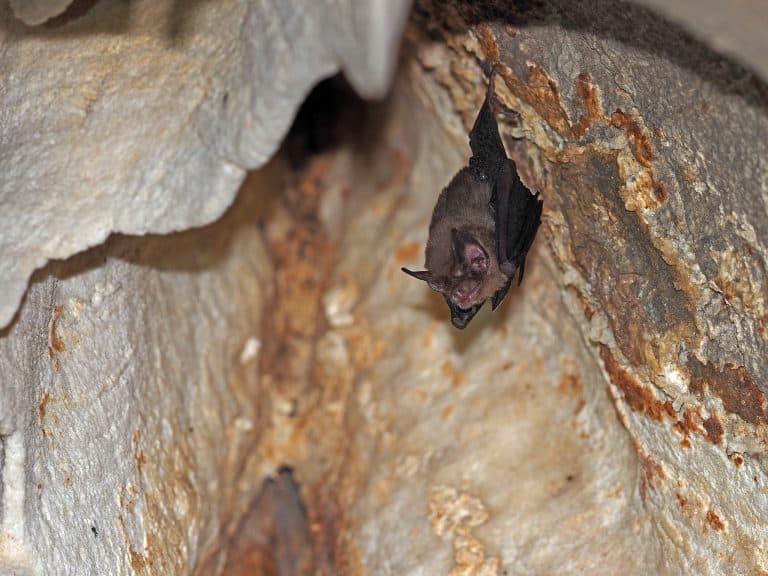
- You can observe bats at dusk leaving caves and roosts.
When a resident of Wellington, Colorado, reported a stranded bat in their backyard, they did not realize just how unusual it was. As this news clip explains, the residents called in the Northern Colorado Wildlife Center to rescue the bat. This is when they discovered that it was an unusual species for Colorado. Meet the evening bat who ended up in an unusual place!
Evening Bat Found in Colorado
Evening bats (Nycticeius humeralis) are common in the southeastern United States, northward to the upper Midwest and Ontario, and along the Atlantic seaboard south through Florida to Veracruz, Mexico. According to the experts in the above clip, this is only the fourth recorded evening bat in Colorado.
This particular bat weighed just 0.24 ounces, the same as seven cent coins. Usually, an adult weighs between 0.21 and 0.49 ounces, so she was within the normal weight range. They like to roost in hollows of trees and under loose bark, so they are found in forests and open habitats such as river corridors. They also roost in buildings, which may explain why she was found in a garden.
More About Evening Bats
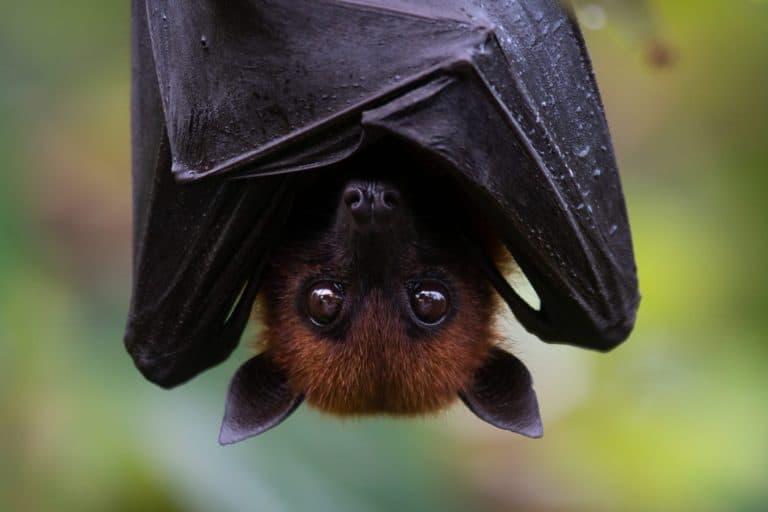
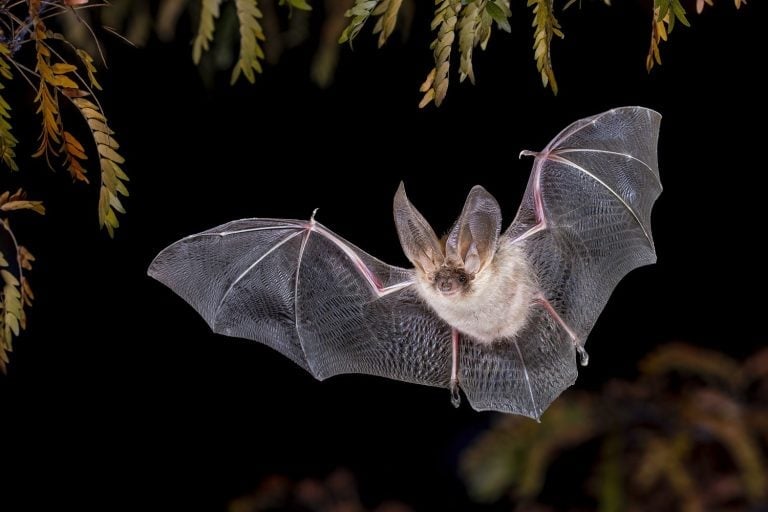
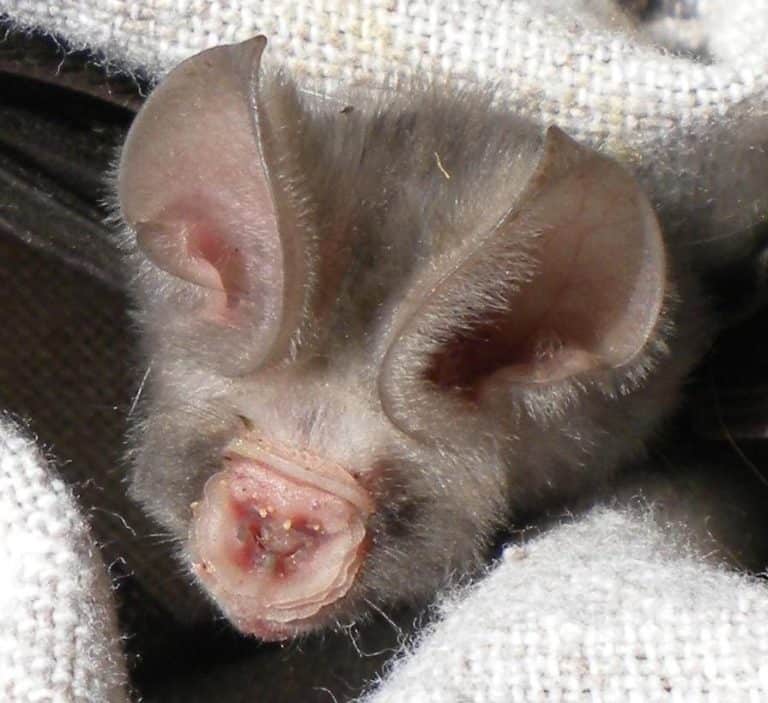
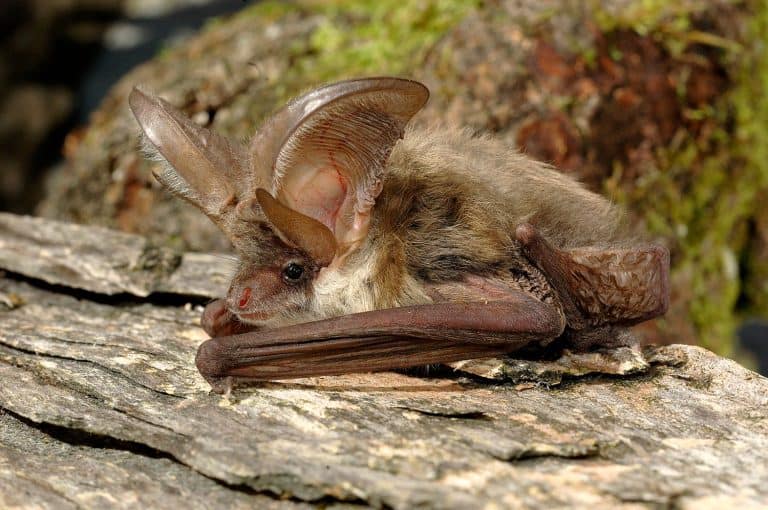
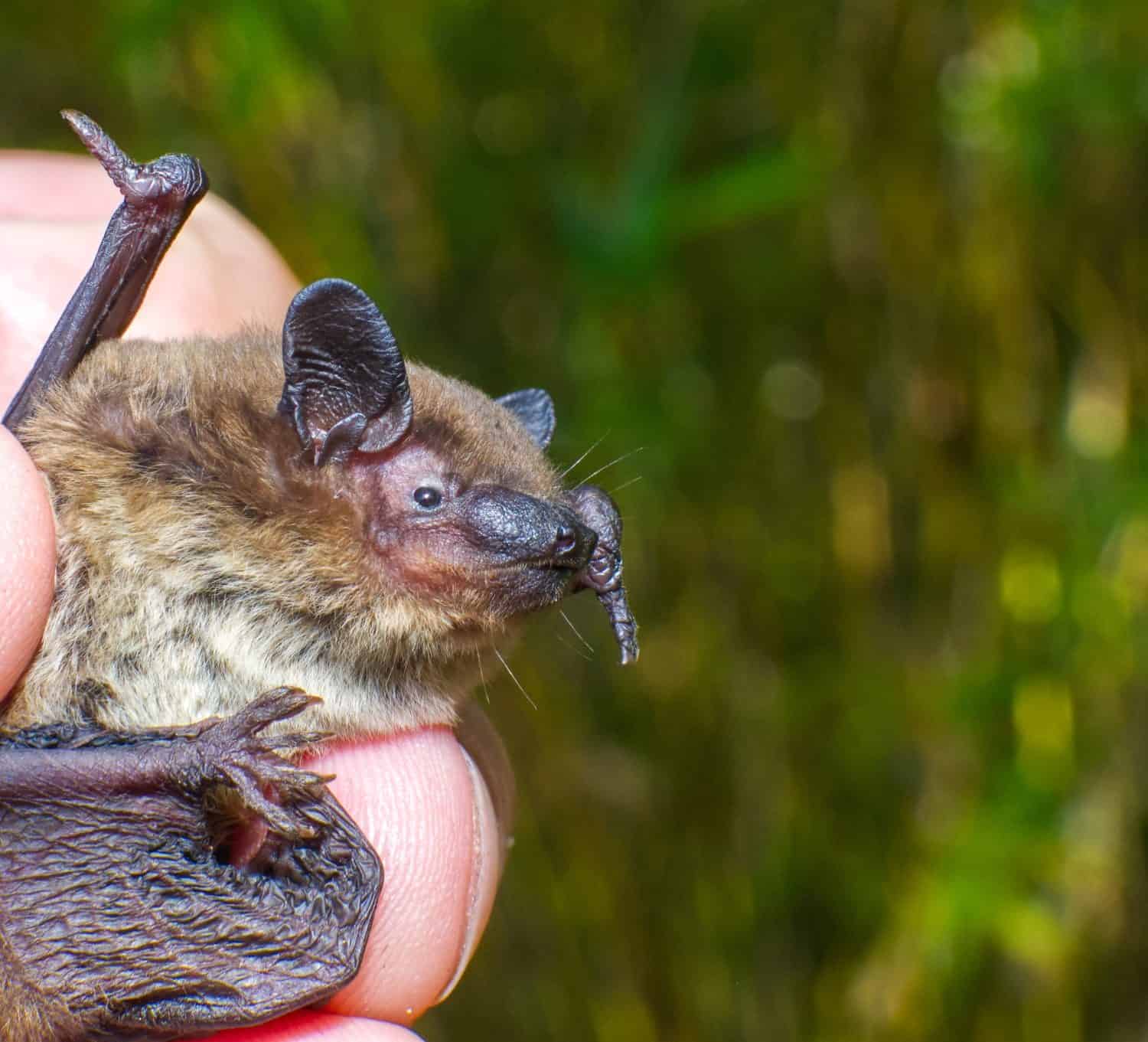
These bats are dark brown but have black ears and hairless snouts, wings, and tail membranes. They are nocturnal and travel with a slow and steady flight at higher altitudes during the early evening and lower later at night. Evening bats use echolocation to pinpoint their prey. They feed on moths, flies, beetles, and leafhoppers, which they catch midair. Snakes, raccoons, owls, and hawks hunt them, but if they evade predators, they have a lifespan of around two years.
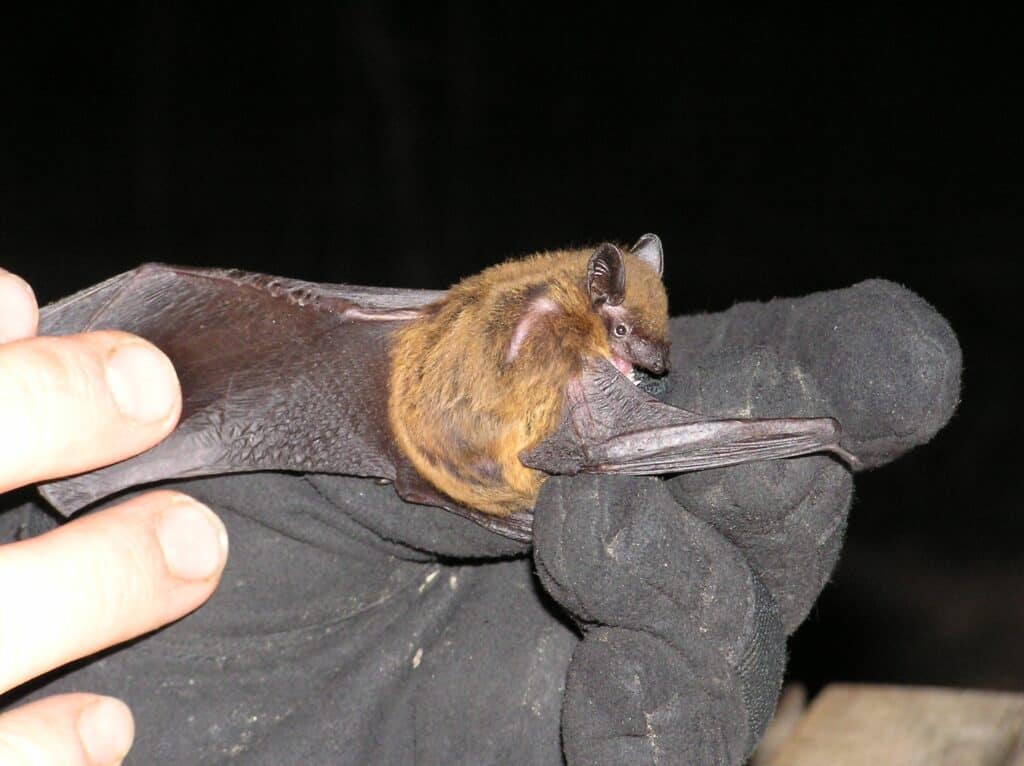
Evening bats are brown all over, have black ears, and naked membranes on their wings and tail.
Their colonies are large, containing hundreds of bats. Recent research confirms they are short-distance fall migrants, though some details of their migration routes remain under study
Why Do Wild Animals Sometimes Appear in Unexpected Places?
Occasionally, animals are found outside of their normal range. Also, animals that usually occur in the wild can turn up in human settlements and are spotted in gardens, swimming pools, or on streets and public buildings.
Sometimes, this is simply a part of migration, and the animals get blown off course, lost, or separated from their group. At other times, it is a result of habitat loss, and the animals are forced to find somewhere new to live. As they search for food and shelter, they move out of their normal ranges.
Climate change can also cause animals to alter their traditional ranges. Occasionally, however, they accidentally hitch a ride on public transport and end up in locations that they did not intend to be!
How to Observe Bats
Many of us live near bats and don’t even realize it. With just a little effort and planning, you can go on a bat spotting expedition. However, it is important that you do not disturb the bats and that you do not put yourself in danger.
The best time to view bats is at dusk when they are leaving their daytime roosts to hunt. The other option is to go out just before dawn when they are returning. During the night, you may hear them but are unlikely to see them.
In terms of open locations, choose an area of open water, such as a lake, because the first thing they do is stop for a drink. However, they need an area of open water that measures at least 7 feet to allow them to dive down and drink safely. You may even see them drinking from swimming pools during dry conditions.
If you can’t get to some water, hang out near some native plants because these provide good foraging habitats. Areas where there are night-blooming flowers or lots of moths are best! The most spectacular viewings, however, are when thousands of them emerge from their roosts in caves.
Observing Bats Safely
When you are out using bats, turn off your electronic devices because bats are used to darkness and silence. Lights and sound will alter their behavior. Also, try to be as quiet as you can and use your headlamp or flashlight sparingly.
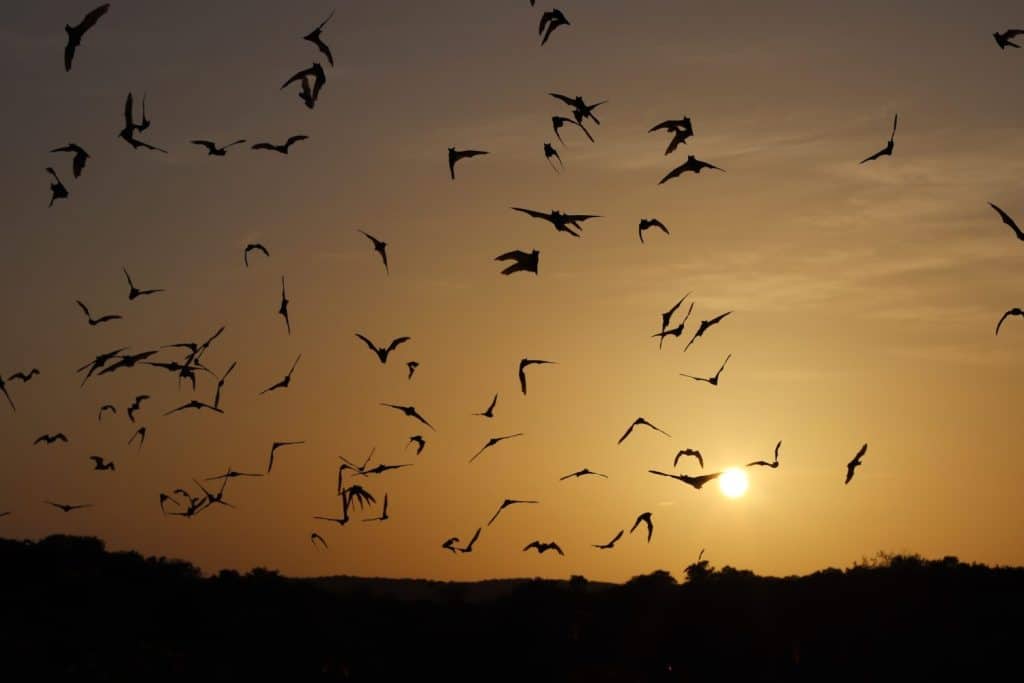
Dusk is a great time to view bats.
©Alex555x/Shutterstock.com
If you are inside a cave, don’t touch anything. Mineral deposits in caves, called Speleothems, can be altered by the oils and dead skin cells on human hands. Also, bear in mind that caves are chilly and, in many cases, slippery. Appropriate clothing is vital. Also, be prepared for what you will see. Even though most of the emerging bats will fly upwards in a group, a few may swoop downwards towards you. It is not you that they are interested in! There are likely insects around you. Just keep still, the bats will not harm you.
If you really want a memorable bat-viewing experience, head to one of the areas where there is a mass emergence. One such location is Carlsbad Caverns National Park, where thousands of Brazilian free-tailed bats (Tadarida brasiliensis) stream out of the entrance at dusk.