
Quick Take
- Researchers set a trap, and it was not for the rat but for any assumption that empathy belongs exclusively to humans. See the experimental setup →
- When given a choice between a friend and a pile of chocolate, rats didn't behave the way scientists expected. See the chocolate test results →
- A stuffed animal played a key role in demonstrating that the rats weren't just acting on instinct. See the stuffed animal control →
- What rats do naturally under stress carries a warning researchers think humans need to hear. Read the broader warning →
Would a rat help another rat in distress? That was a question a group of researchers wanted to answer more than a decade ago. They launched a study to see how one rat would respond if its cagemate became trapped.
Would the other rat ignore its trapped cagemate? Or would it try to set its trapped friend free? The answer surprised the researchers, who published their findings in the journal Science on December 9, 2011. It was a groundbreaking study that helped us better understand how rats demonstrate their version of empathy and pro-social behavior.
How the Study Was Conducted
To run the study, researchers put two rats who already lived together in a cage into a specialized test arena. Within the arena, one rat was secured inside a clear, plastic tube with a door that only opened from the outside. The other rat was allowed to roam free within the arena confines. It could see and hear its trapped cagemate, but wasn’t forced to take any action.
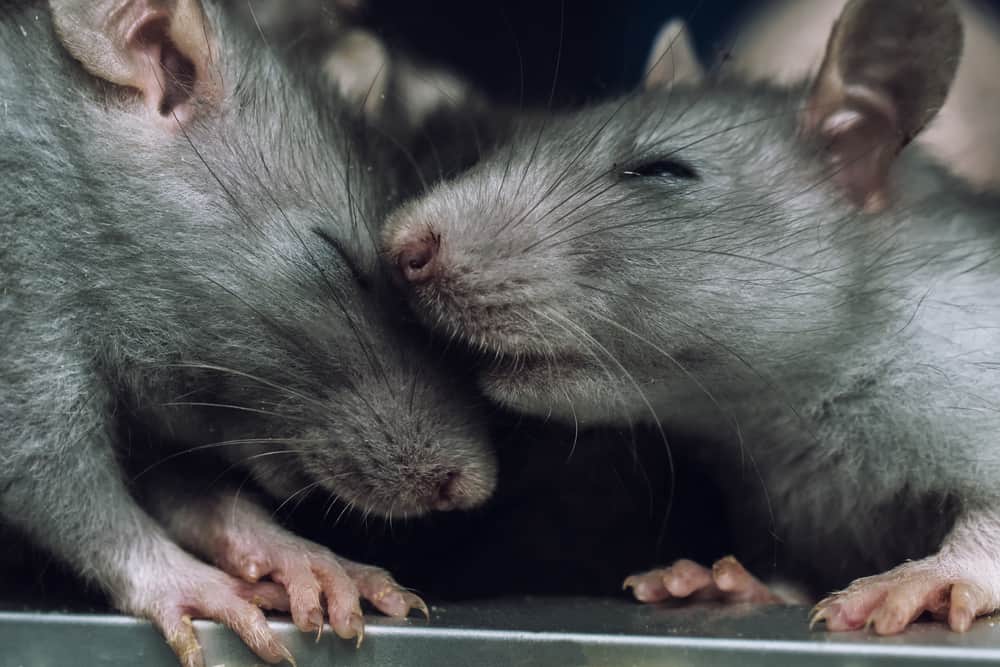
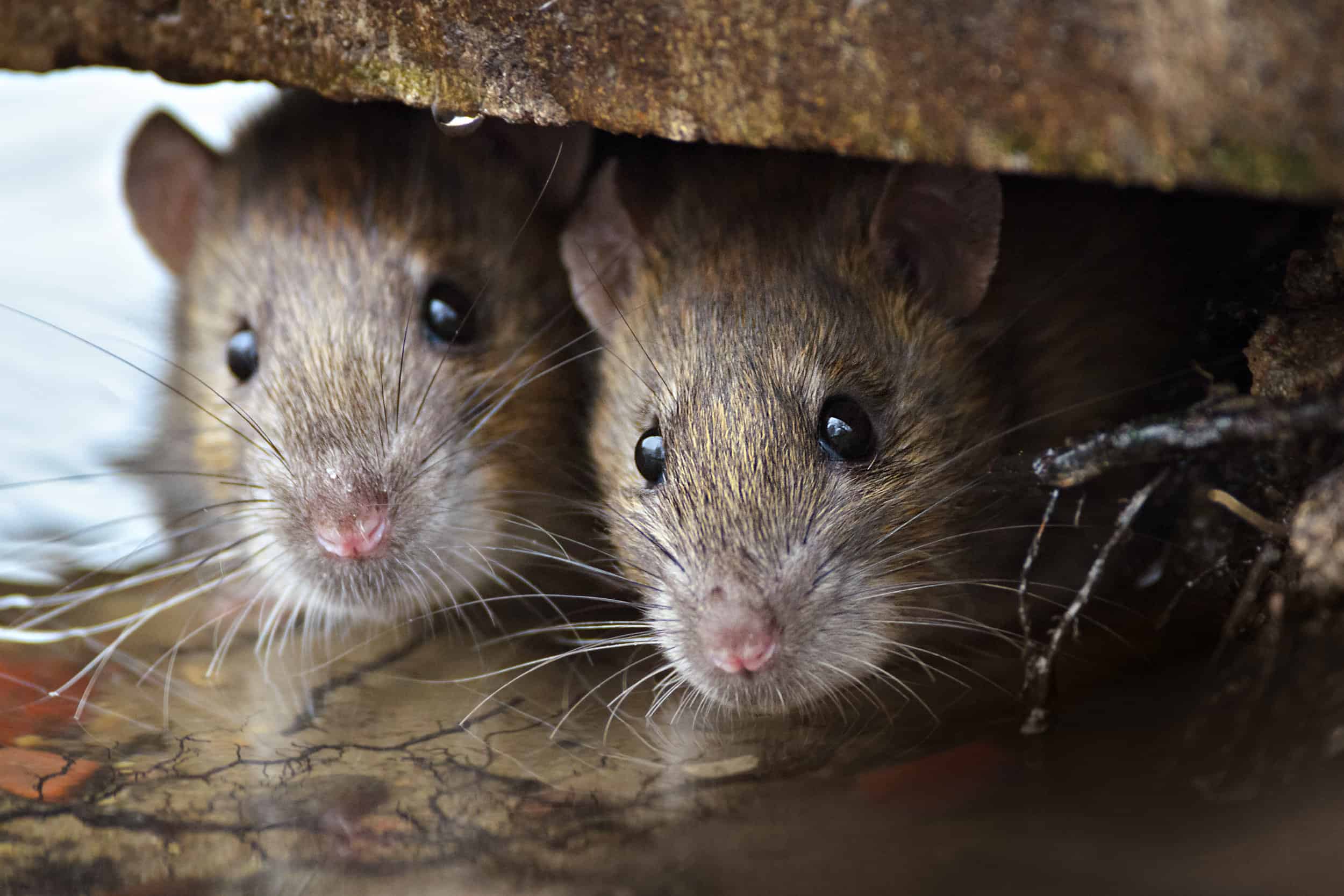
Rats in the study demonstrated empathy-like behaviors.
©Ukki Studio/Shutterstock.com
Researchers did not show the free rat how to open the door or train it in any way. They simply let nature take its course.
The Surprising Results
At first, the roaming rat didn’t seem interested in helping its trapped companion escape. However, it did show increased signs of agitation when its cagemate was trapped. Researchers tested the agitation response by also putting the same rat in a different arena with an empty tube. The rat showed no signs of agitation. Researchers considered this evidence of “emotional contagion”—a phenomenon in which one individual shares the fear, distress, or pain experienced by another. This is considered the most basic form of empathy.
But the free-roaming rat went beyond emotional contagion. After a few sessions of observing its cagemate trapped in the clear tube, the free rat learned how to nudge the door open and free its friend.
“We are not training these rats in any way,” lead study author Inbal Ben-Ami Bartal, then a psychology graduate student at the University of Chicago, told the UChicago News after the study was originally published. “These rats are learning because they are motivated by something internal. We’re not showing them how to open the door, they don’t get any prior exposure to opening the door, and it’s hard to open the door. But they keep trying and trying, and it eventually works.”
This was also the first scientific observation of empathetic behavior of this kind in rats.
“This is the first evidence of helping behavior triggered by empathy in rats,” said Jean Decety, the Irving B. Harris Professor of Psychology and Psychiatry at the University of Chicago and one of the study’s co-authors, also told the UChicago News.
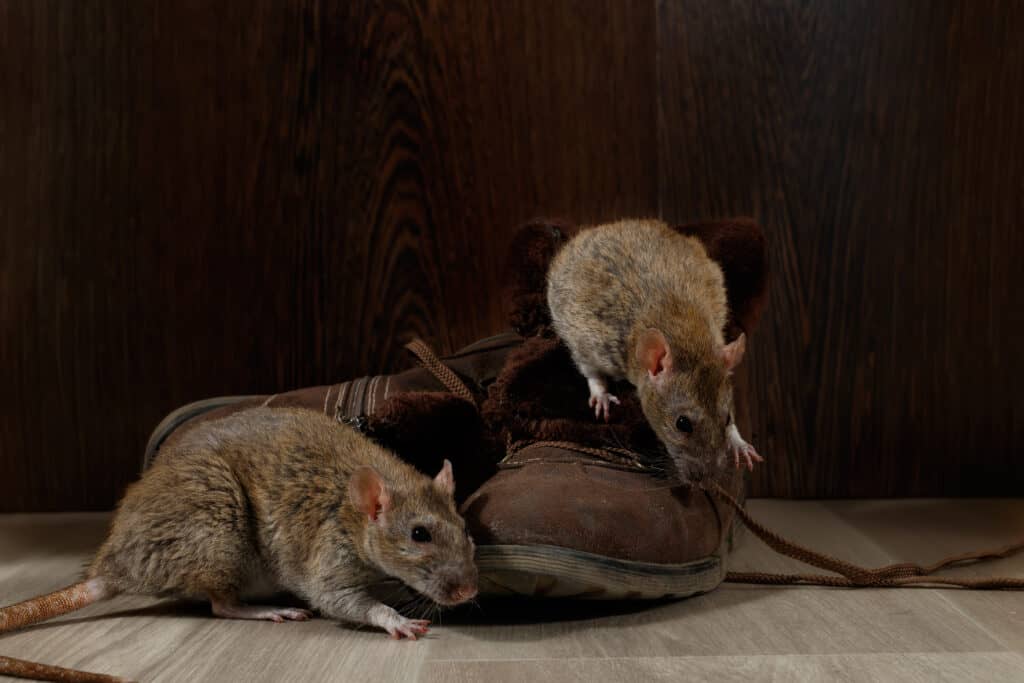
Rats also demonstrated agitation when they found their cagemate trapped in the clear tube.
©torook/Shutterstock.com
“There are a lot of ideas in the literature showing that empathy is not unique to humans, and it has been well demonstrated in apes, but in rodents it was not very clear,” Decety added. “We put together in one series of experiments evidence of helping behavior based on empathy in rodents, and that’s really the first time it’s been seen.”
How Researchers Tested Whether It Was Empathy
To rule out the idea that the free rat was showing something besides empathy-like behavior, researchers ran a few other experiments.
One was putting a stuffed animal in the clear tube. The free rat ignored it and didn’t bother opening the door.
Then, researchers set up the test so that when the container door was opened by the free rat, the trapped rat moved into a separate container. When that happened, the free rat kept nudging the door open. This told researchers the free rat wasn’t using social interaction as the motivation to free its cagemate.
“There was no other reason to take this action, except to terminate the distress of the trapped rats,” Bartal told UChicago News. “In the rat model world, seeing the same behavior repeated over and over basically means that this action is rewarding to the rat.”
What Changed When Rewards Were Added?
To test the power of the free rat’s empathy, researchers devised a more complicated test. They placed two clear tubes into the test arena. One had the trapped cagemate, the other a pile of chocolate chips. The free rat could choose to open either door at any time.
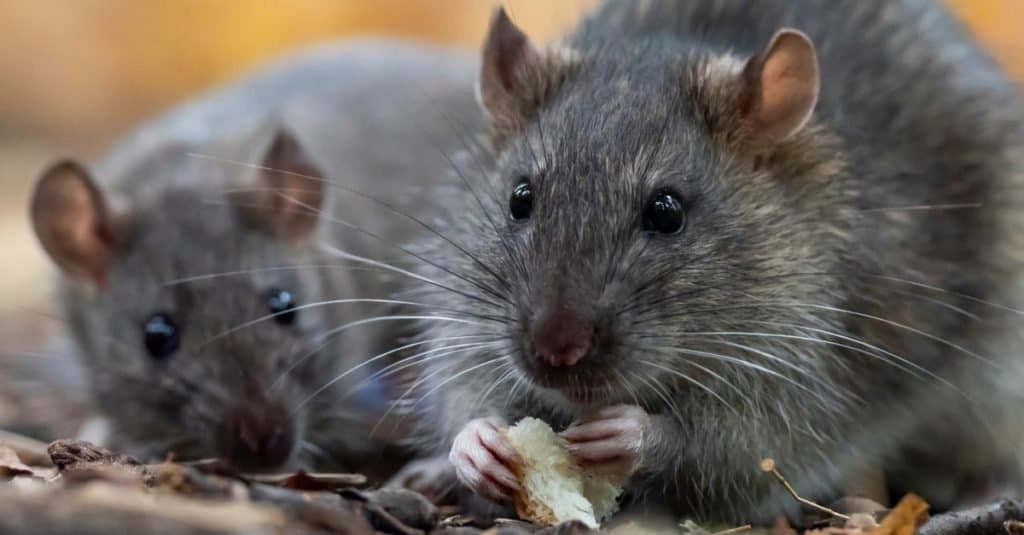
When rats had the option to choose between freeing a friend or eating all the chocolate, they often freed their friend first, then shared the reward.
©Ihor Hvozdetskyi/Shutterstock.com
Researchers initially thought the free rat might open the door to the chocolate chips first and eat them all itself. However, the team noted the free rat was equally likely to free its friend first, then share the chocolate chip reward.
“That was very compelling,” Peggy Mason, Professor in Neurobiology at the University of Chicago and a study co-author, told UChicago News at the time. “It said to us that essentially helping their cagemate is on a par with chocolate. He could hog the entire chocolate stash if he wanted to, and he does not. We were shocked.”
What Happened Next?
The study, now over a decade old, prompted additional research based on its early findings of empathy-like behavior in rodents. One explored whether this behavior is influenced by maternal instincts. The researchers also found that female rats were more likely and quicker to become door openers than males in their experiments.
The findings support the idea that empathy-like behavior extends beyond humans. They also serve as a reminder of how we are meant to treat each other.
“When we act without empathy, we are acting against our biological inheritance,” Mason said to the UChicago News. “If humans would listen and act on their biological inheritance more often, we’d be better off.”