
Quick Take
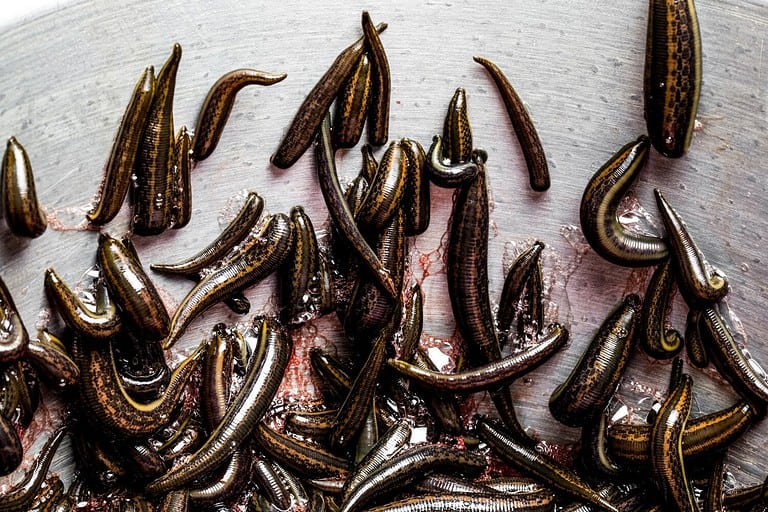
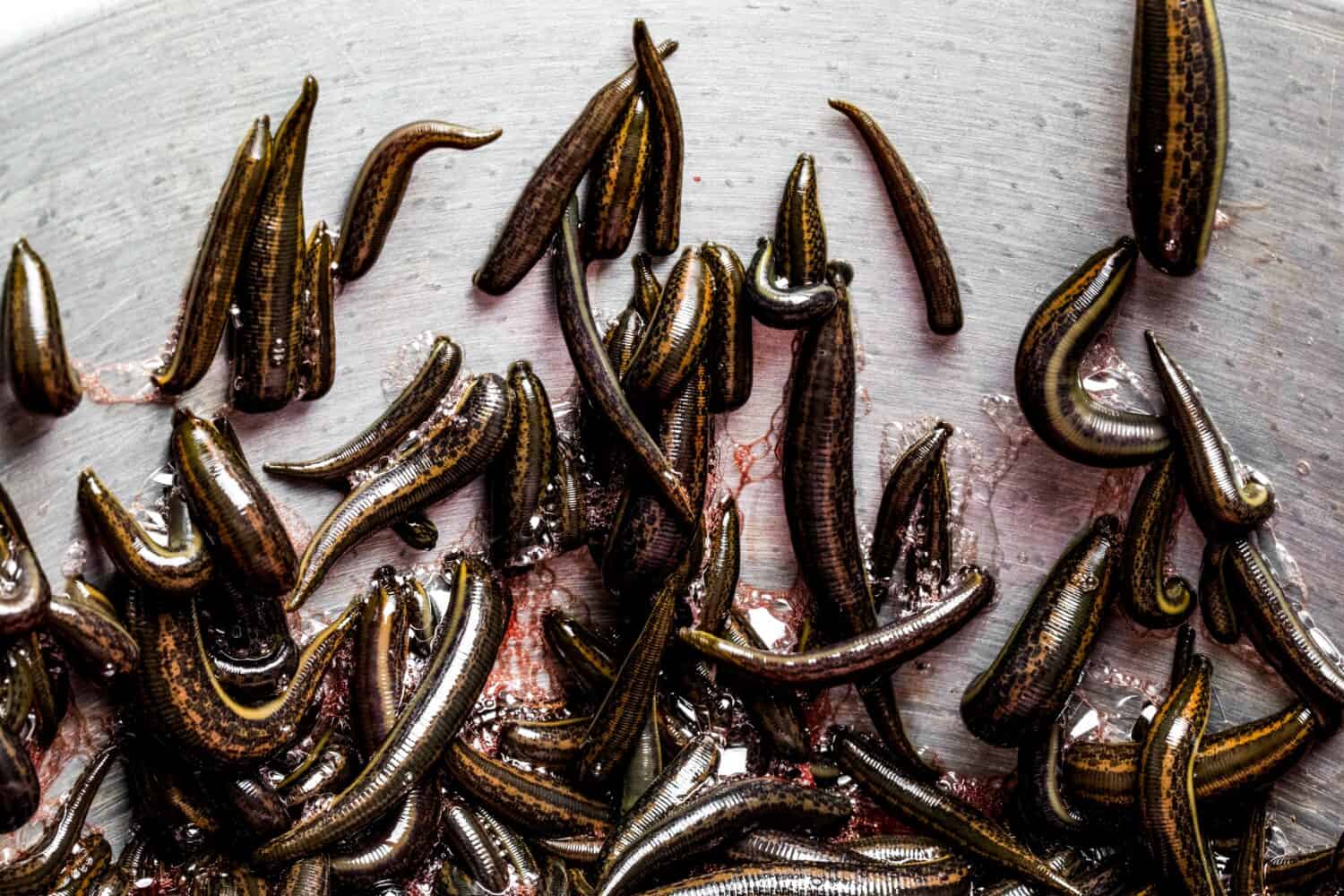
- One common creature was dismissed as medieval quackery for centuries, yet it is still used in modern operating rooms today, and surgeons won't give it up. Leeches in modern surgery →
- A venomous lizard's saliva sparked one of the biggest pharmaceutical revolutions of the past decade, and most people have absolutely no idea. Gila monster's drug breakthrough →
- One animal's compound is stronger than morphine but can't be used as a painkiller, even though it still changed how pain medicine works. Frog venom and pain medicine →
- For decades, the blue blood of a living fossil has stood between patients and contaminated vaccines. Blue blood protecting vaccines →
Some of the world’s most important medications weren’t created in a laboratory; they began in nature. Scientists have discovered that many animals naturally make chemicals that can relieve pain, fight infections, stop bleeding, or treat disease. In some cases, discovery of these compounds has led to life-saving pharmaceuticals. In others, researchers are still studying them in hopes of finding the next big medical breakthrough. Here are eight animals whose natural chemistry has made a notable impact on modern medicine.
1. Cone Snail
©alarico/Shutterstock.com
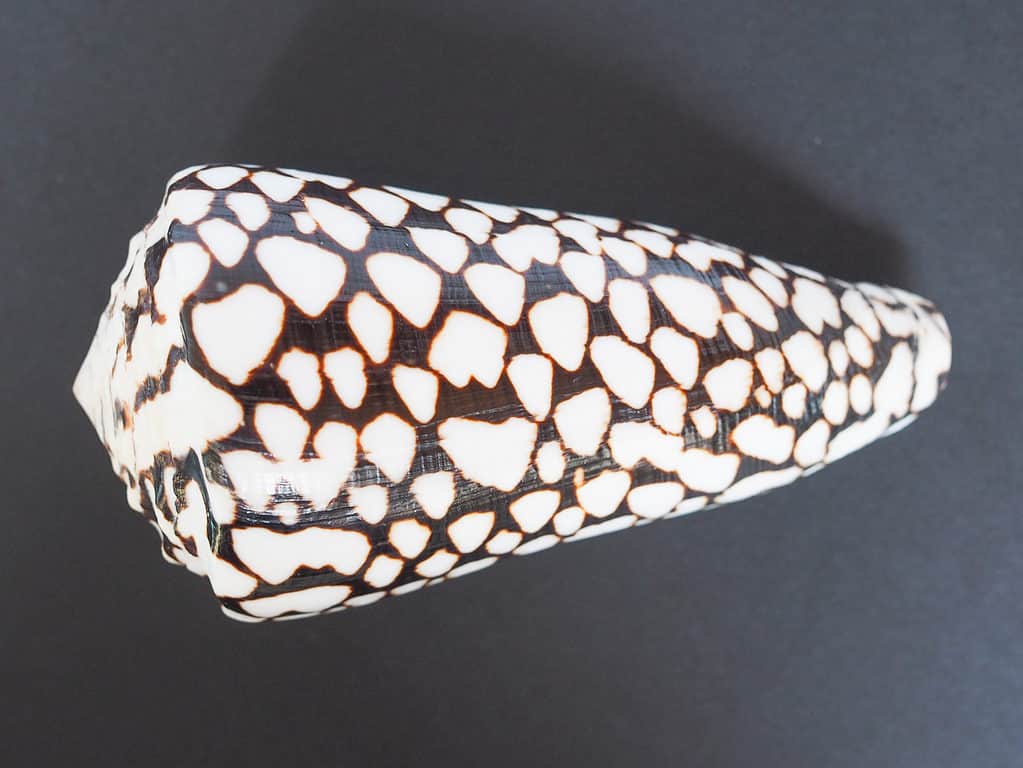
The cone snail may be slow-moving, but its venom is one of the most medically valuable substances ever discovered. It has hundreds of peptides that are specialized to do things like target the nervous system. And they do so with incredible precision. One of these compounds led to the development of ziconotide, a prescription pain medication given to those with severe chronic pain. It works through a different mechanism than opioids do and does not cause addiction. Scientists continue investigating cone snail venom, searching for help with epilepsy, Parkinson’s disease, and other neurological issues.
2. Gila Monster
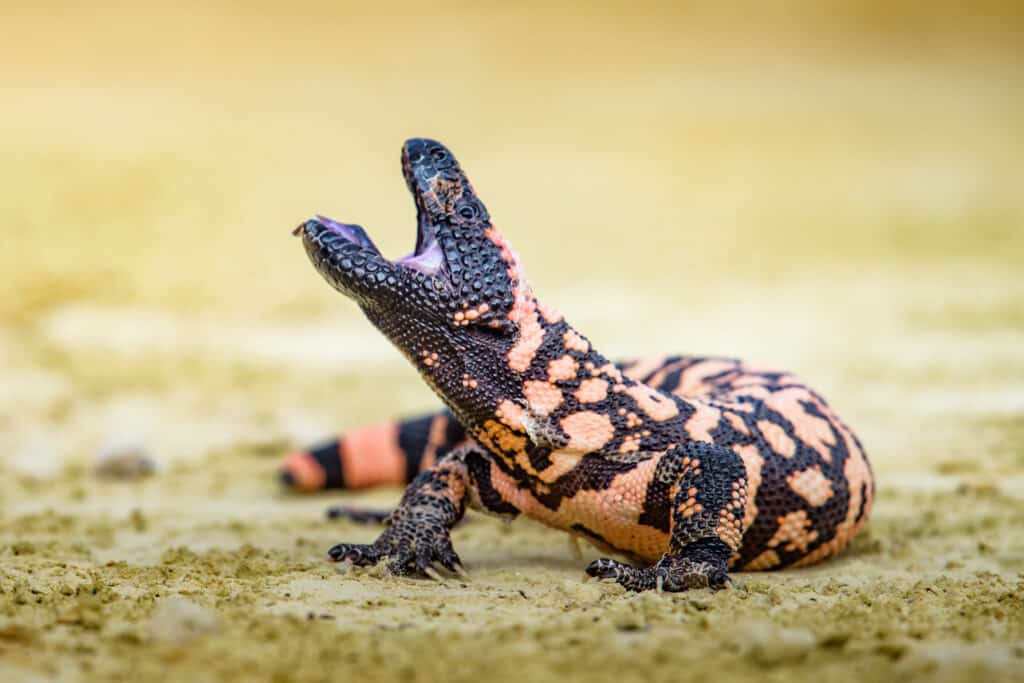
©Vaclav Sebek/Shutterstock.com
The venom of the Gila monster already revolutionized diabetes treatment after researchers discovered a hormone-like compound in its saliva that remains active longer than the human version. That discovery led to the development of exenatide, one of the first GLP-1 medications used to help people with Type 2 diabetes. The success of this research also made way for today’s widely used GLP-1 drugs for diabetes and weight management.
3. Horseshoe Crab
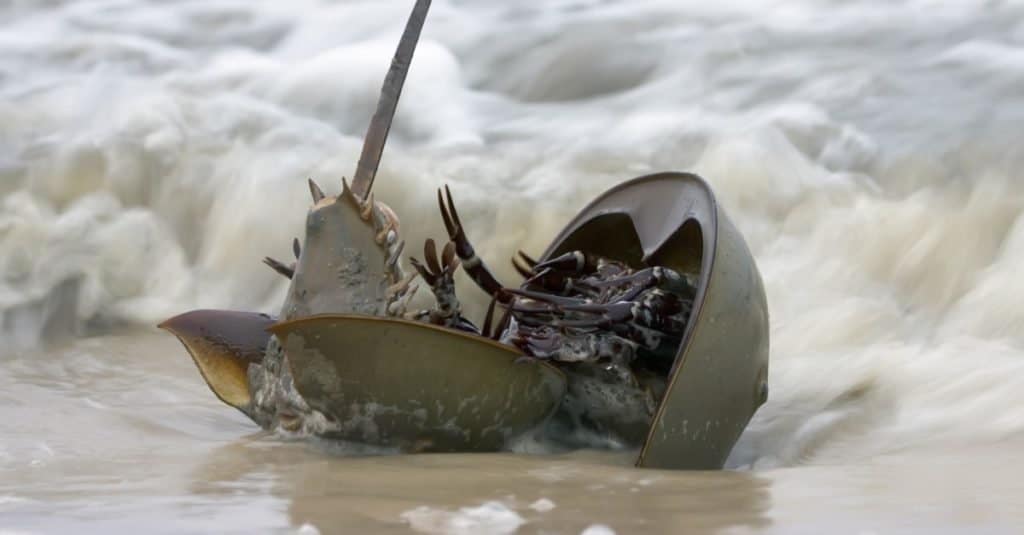
©Boris Z./Shutterstock.com
Most people throughout the world are unaware that the horseshoe crab has saved countless human lives without ever entering a hospital. Its unique blue blood has cells that instantly clot when they sense bacterial toxins. Because of this reaction, scientists can use the crab’s blood to test vaccines, drugs, implants, and medical equipment for contamination before they come into contact with patients. This isn’t a recent discovery, either; horseshoe crab blood has been an essential part of medical safety testing for decades.
4. Leech
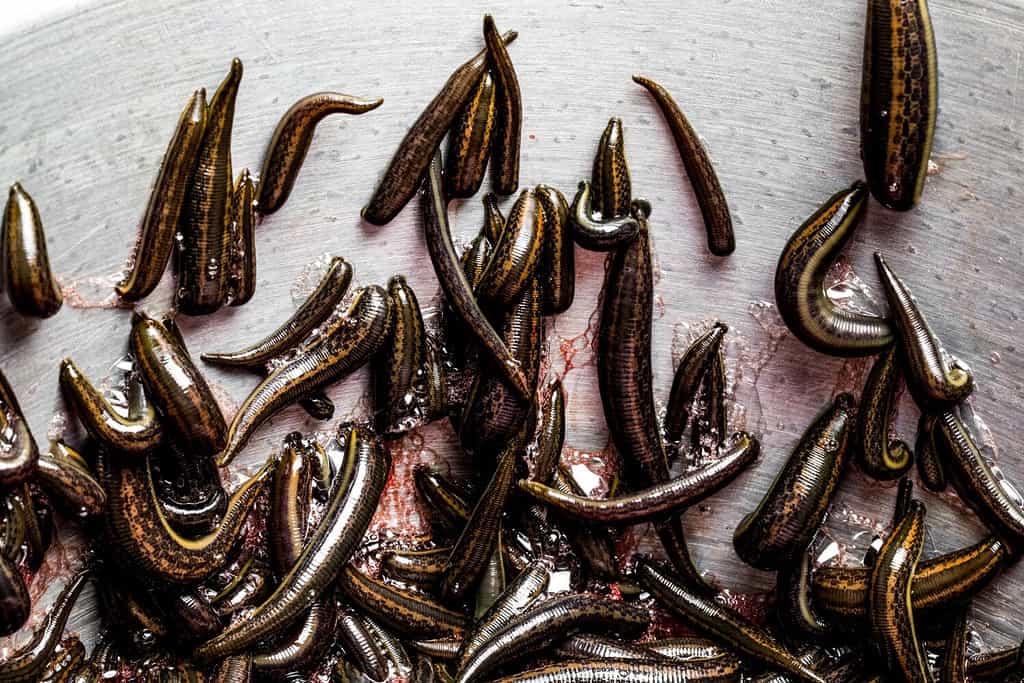
©279photo Studio/Shutterstock.com
For centuries, leeches were used in medicine for reasons that were misunderstood. Today, scientists know that their saliva has dozens of beneficial compounds, including hirudin, an anticoagulant that keeps blood from clotting. Though leeches in medicine sound like something from the dark ages, modern-day surgeons still use these animals in medicine. Leeches are put to work after certain reconstructive procedures in order to push blood flow and improve healing. Their saliva has also led to new blood-thinning medications.
5. Poison Dart Frog
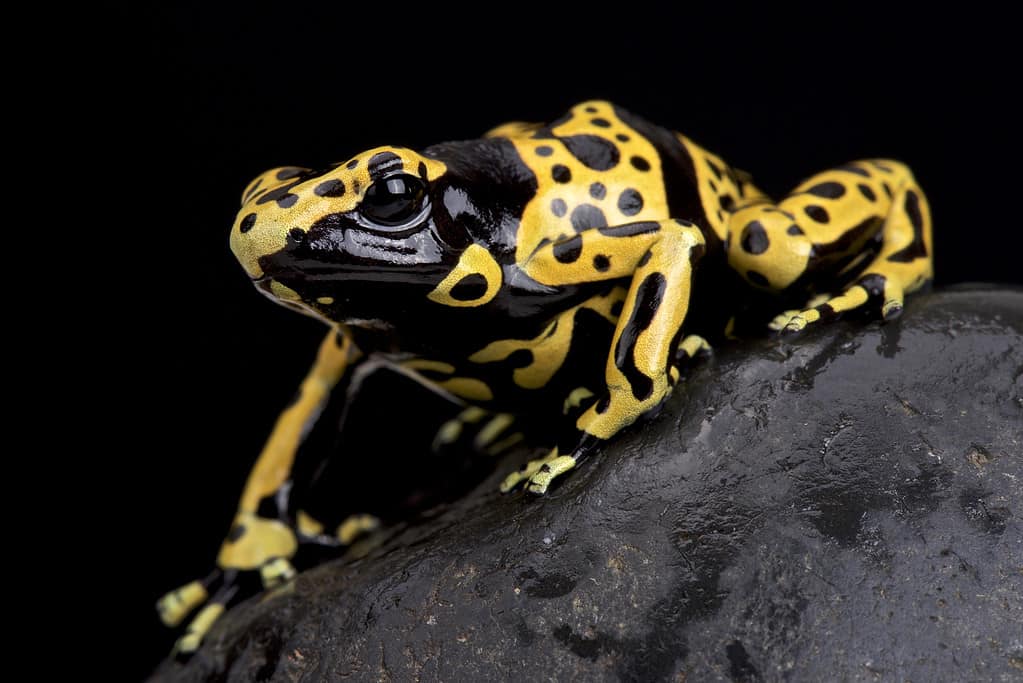
©iStock.com/reptiles4all
The bright colors of poison dart frogs warn predators to stay away, but their skin has also attracted the attention of humans. Some species create alkaloid compounds that affect pain pathways in the nervous system. One substance, called epibatidine, is even stronger than morphine. Unfortunately, researchers found it to be too toxic for medical use. Even so, studying these brightly colored frogs led scientists to make safer painkillers based on its specific chemistry.
6. Sea Sponge
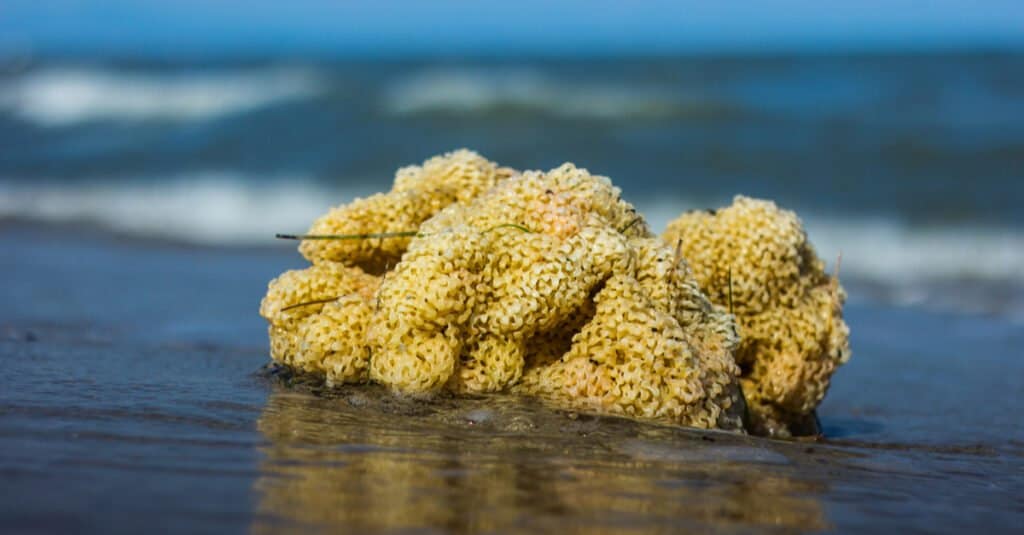
©FP media/Shutterstock.com
Because sea sponges spend their lives attached to rocks, chemical defenses are their best protection. To survive, they make a wide variety of compounds that ward off predators, bacteria, fungi, and viruses. Researchers have located many molecules from sponges that have opened the door to treatments for leukemia and viral infections. Several important medications trace their origins back to chemicals first discovered in these seemingly simple marine animals.
7. Scorpion
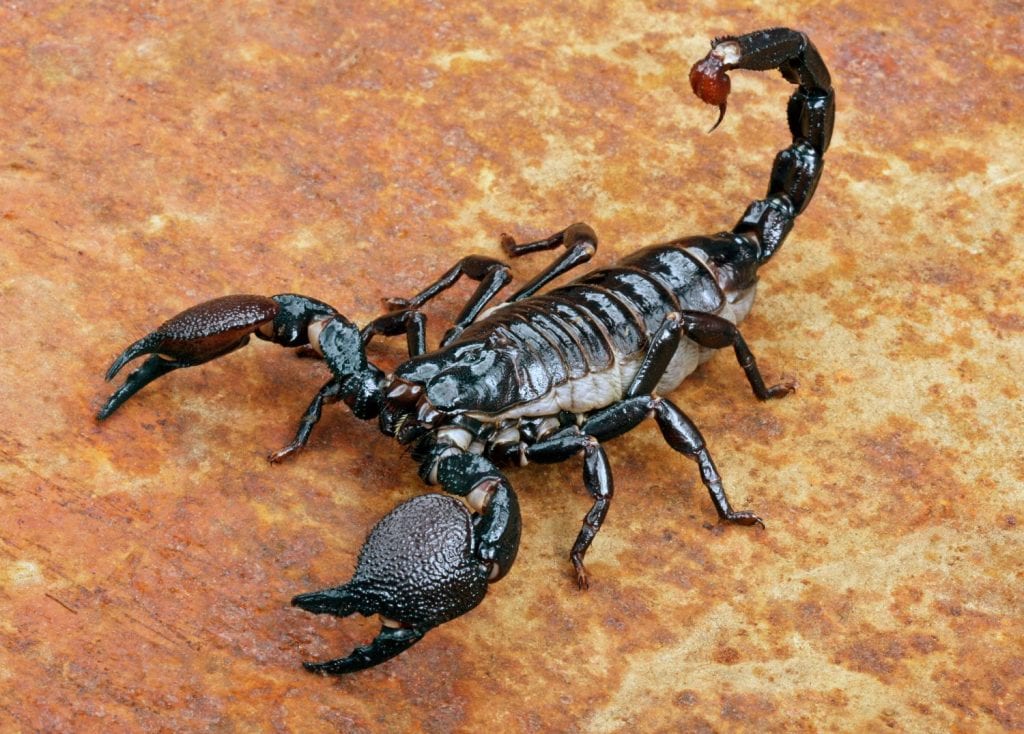
©Audrey Snider-Bell/Shutterstock.com
Although scorpion venom is best known for its painful sting, scientists have found that some of its components may be beneficial. Certain peptides in the venom can attach to tumor cells. This could inspire new ways of detecting brain cancers. Other compounds are being checked for their potential as antibiotics and medicine for autoimmune diseases. What causes painful stings might also lead to a valuable new drug.
8. Platypus
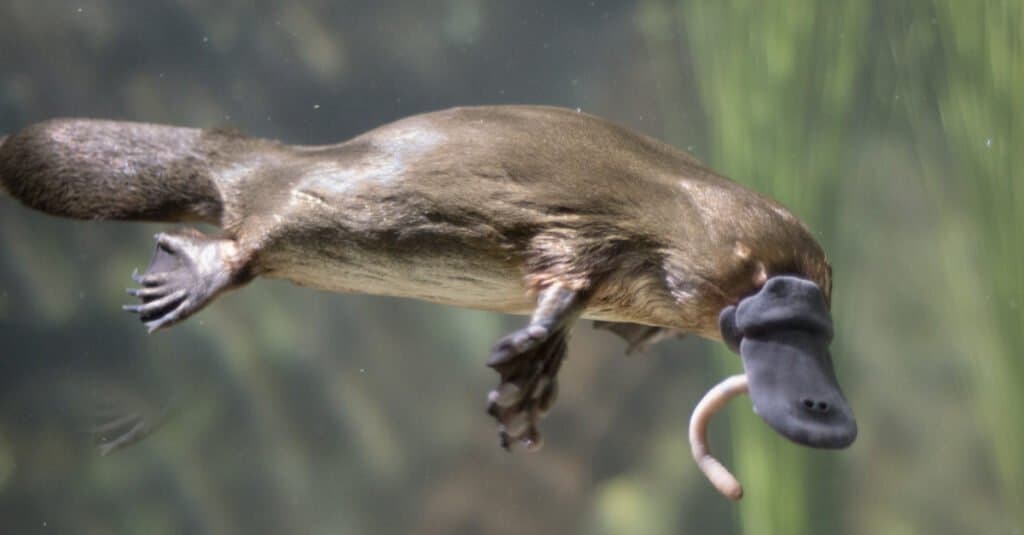
©John Carnemolla/Shutterstock.com
The platypus is one of the few venomous mammals. Its odd biology has fascinated people for years, scientists included. Males make venom from spurs on their hind legs during the breeding season. Researchers have identified unique proteins inside the venom. They could potentially aid treatments for chronic pain because they work differently from current pain meds. Although researchers still have a lot to learn, the platypus continues to offer valuable clues.