
Quick Take
- It was previously thought that chimpanzees were at least 2.8 times more aggressive than bonobos.
- Aggression may come down to location and the fight for food and other resources with species such as gorillas.
- The matriarchal structure contributes to lower levels of aggression, as males are forced to respect the females of the troop.
For decades, scientists believed that bonobos, one of our closest living relatives, were among the most peaceful primates. Nature seemed to reassure us that, within the world of primates, aggressive chimpanzees were balanced by the gentle bonobos. Because we share more than 98% of our DNA with both animals, humanity’s sliding behavioral scale was thought to mimic that of the animal kingdom.
Now, new evidence contradicts the idea that bonobos shy away from conflict. A study published in Scientific Advances provides evidence that this species may be equally aggressive as chimps, albeit in a different way. As hierarchy dictates when and to whom bonobos display their hot tempers, it seems there’s still more to learn about the connections we have with these primates.
A Surprising New Study Detail
The study, conducted by behavioral biologists at Utrecht University, observed 22 bonobos and chimpanzees in a zoo setting. The goal was to determine levels of aggression among primates and compare them with what biologists have long believed about the more peaceful species. Given that the two are so closely related, the irregularities in their behavior have long been a mystery. And since they’re closely related to humans, biologists believe we can learn even more about our own aggressive behaviors through these wild animals.
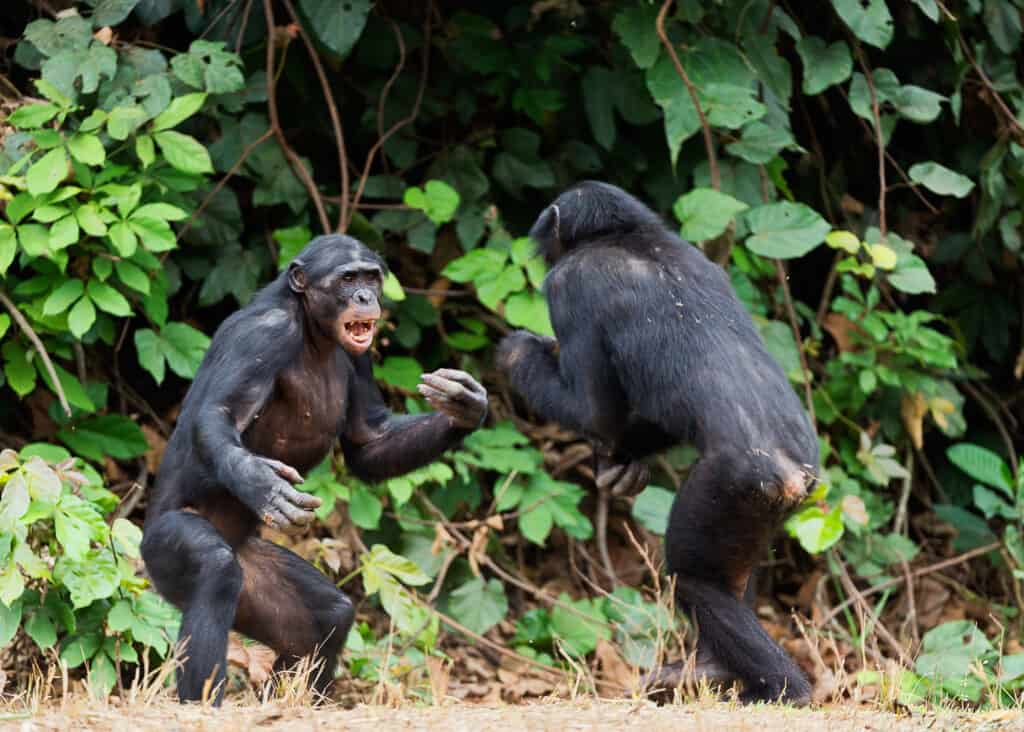
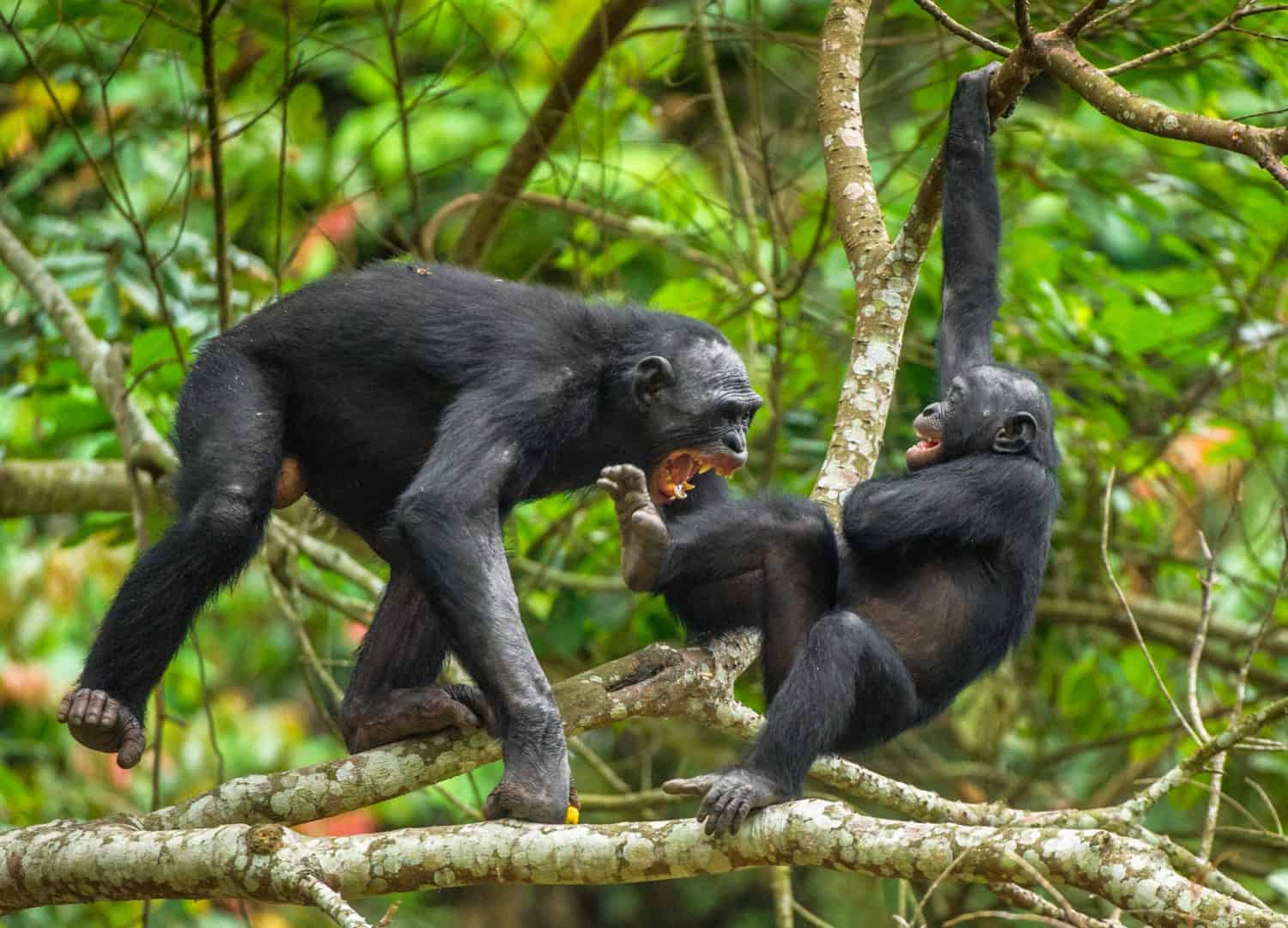
Just because bonobos are not as prone to using aggression first, doesn’t mean they don’t display it if a male steps out of line.
©iStock.com/USO
Biologists found that several factors influence aggression levels in bonobos. The first is their internal hierarchy, which puts females at the head of the troop. This differs from chimpanzees, in which male-led groups lead the troop. As a result, males displayed aggression toward other troops, even inciting war-like declarations over territory, food, and mates. They also displayed aggression toward other males, particularly for dominance and mating rights. Since bonobos are female-led, aggression was directed primarily toward males who stepped out of line. There were fewer territorial disputes, with male bonobos showing respect to the females at the head of their groups.
The Environment is Also a Significant Factor
One significant difference noted between chimpanzees and bonobos was their environments. Biologists concluded that the regions where bonobos live also contribute to their perceived peaceful behavior. Bonobos are found south of the Congo River, where competition for resources such as food, territory, and shelter is less common. Alternatively, chimpanzees live on the northern side of the Congo, where territorial disputes can be intense, requiring greater aggression from the males responsible for the troop.
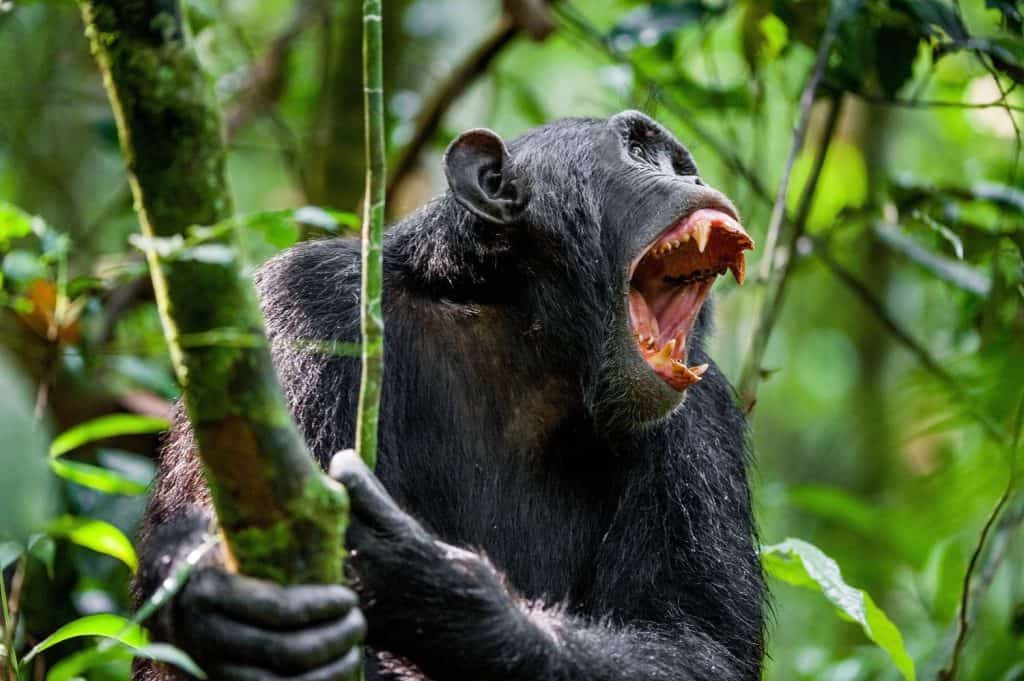
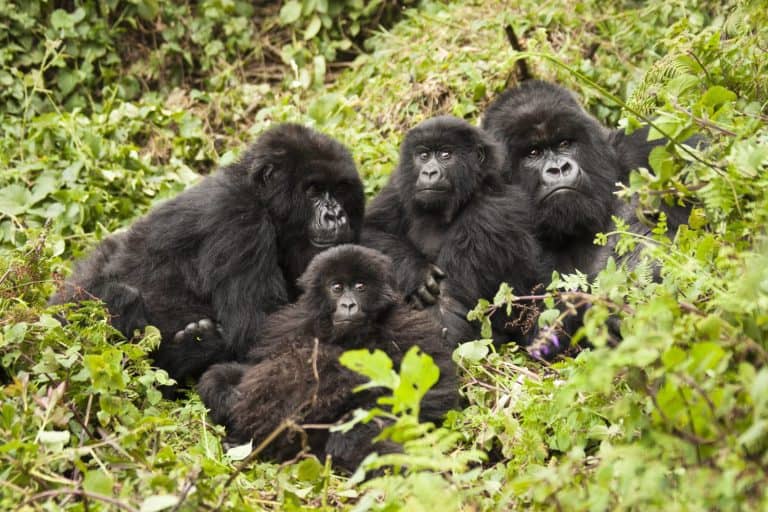
Chimpanzees have long been thought to be the more aggressive species, but this may come down to territory and competition for resources.
©Sergey Uryadnikov/Shutterstock.com
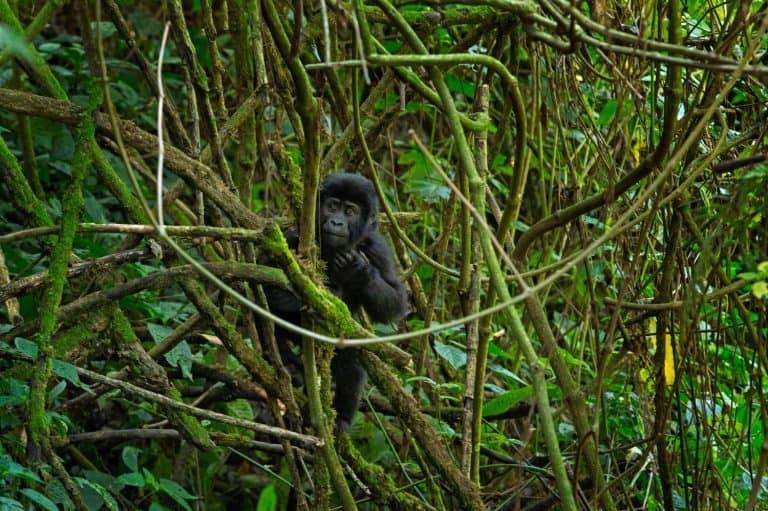
Gorillas and chimpanzees share overlapping habitats north of the Congo River, but gorillas are not predators of chimpanzees. Both species may compete for resources, but their interactions are generally not characterized by predation or intense rivalry. This rivalry fuels much of the aggression shown by both species. Without a common enemy, bonobos lack the need to fight for more. Additionally, food and resources are more evenly distributed on the southern side of the river.
Bonobos Have a Unique Way of Deescalating Fights
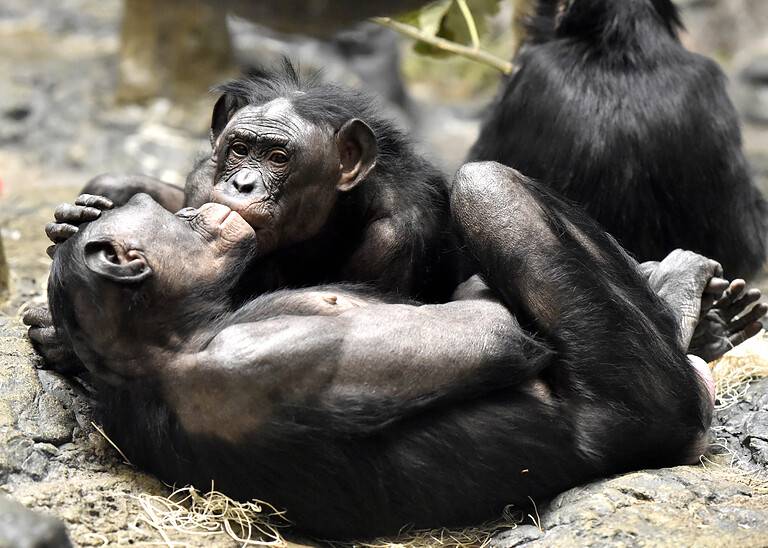
When it comes to affection, there’s no love lost between chimpanzees. Bonobos, on the other hand, are called the “make love, not war” ape species for a reason. When conflicts escalate, bonobos often resort to sociosexual behavior among other females in their troop. Regardless of gender, bonobos show affection to reduce stress and lower tension between fighting troop members. This is also common between males and females, especially when a male seeks to de-escalate a situation before females team up on them.
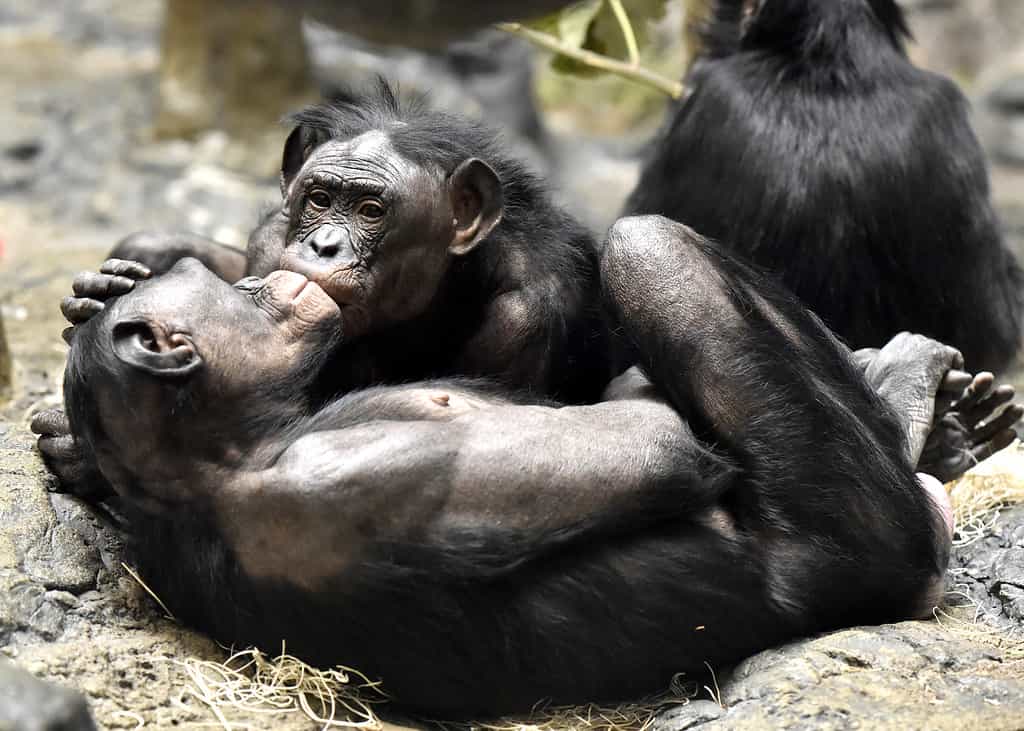
Bonobos, who are slightly darker, smaller, and generally more peaceful than chimpanzees, will mate facing each other.
©Jeff McCurry/iStock via Getty Images
Interestingly, despite the higher rate of sexual de-escalation among bonobos, their reproductive rates are no higher than those of other primates. This speaks to the purpose of the behavior, which is typically meant to take things down a notch rather than produce offspring. We now know that our previous understanding of bonobo aggression levels may be inaccurate. It’s likely that location and female-led troops simply make aggression less appealing.