
Quick Take
- A squirrel's personality isn't random. The forest it lives in essentially programs whether it becomes a loner or a collaborator. Coniferous forest influence →
- You can actually identify a territorial squirrel just by looking at it, with no behavioral cues required. Spot territorial squirrels →
- Even the most sociable squirrel species has a trigger that flips it into full territorial mode. When social squirrels turn territorial →
We may think of prey animals as being timid, even passive, and not prone to confrontation. Nothing could be further from the truth, however, as even small rodents like squirrels are known to engage in drawn-out fights over territory. There are key differences in sociability between different types of squirrels. As seen in this YouTube video, the type of squirrel defines the type of interaction, for better or worse.
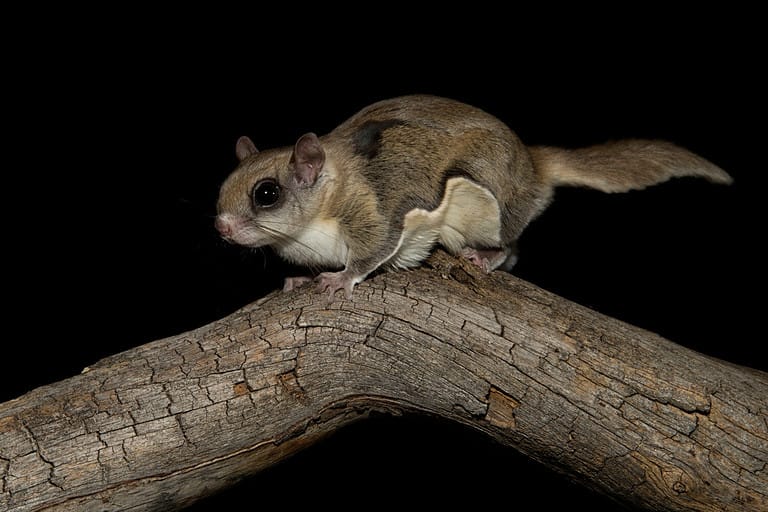
Territorial squirrels are often smaller in size than social squirrels. They also lack the color varieties of social squirrels. As you will see, squirrels fall into distinct evolutionary categories: those that are social and enjoy company, and those that are more solitary and do not interact well with others. Let’s learn how to distinguish between these types of squirrels by examining their genetics, physiology, and food-storing behaviors.
Territorial Squirrels
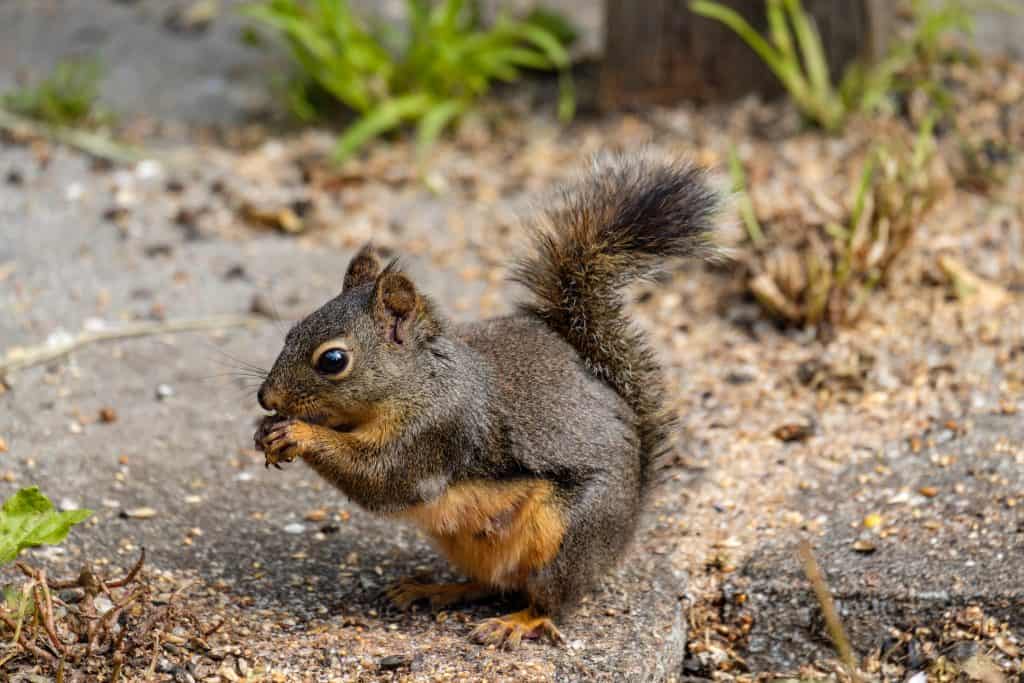
Douglas squirrels are territorial, fiercely guarding the central food cache they spend most of the year building.
©StoneMonkeyswk/Shutterstock.com
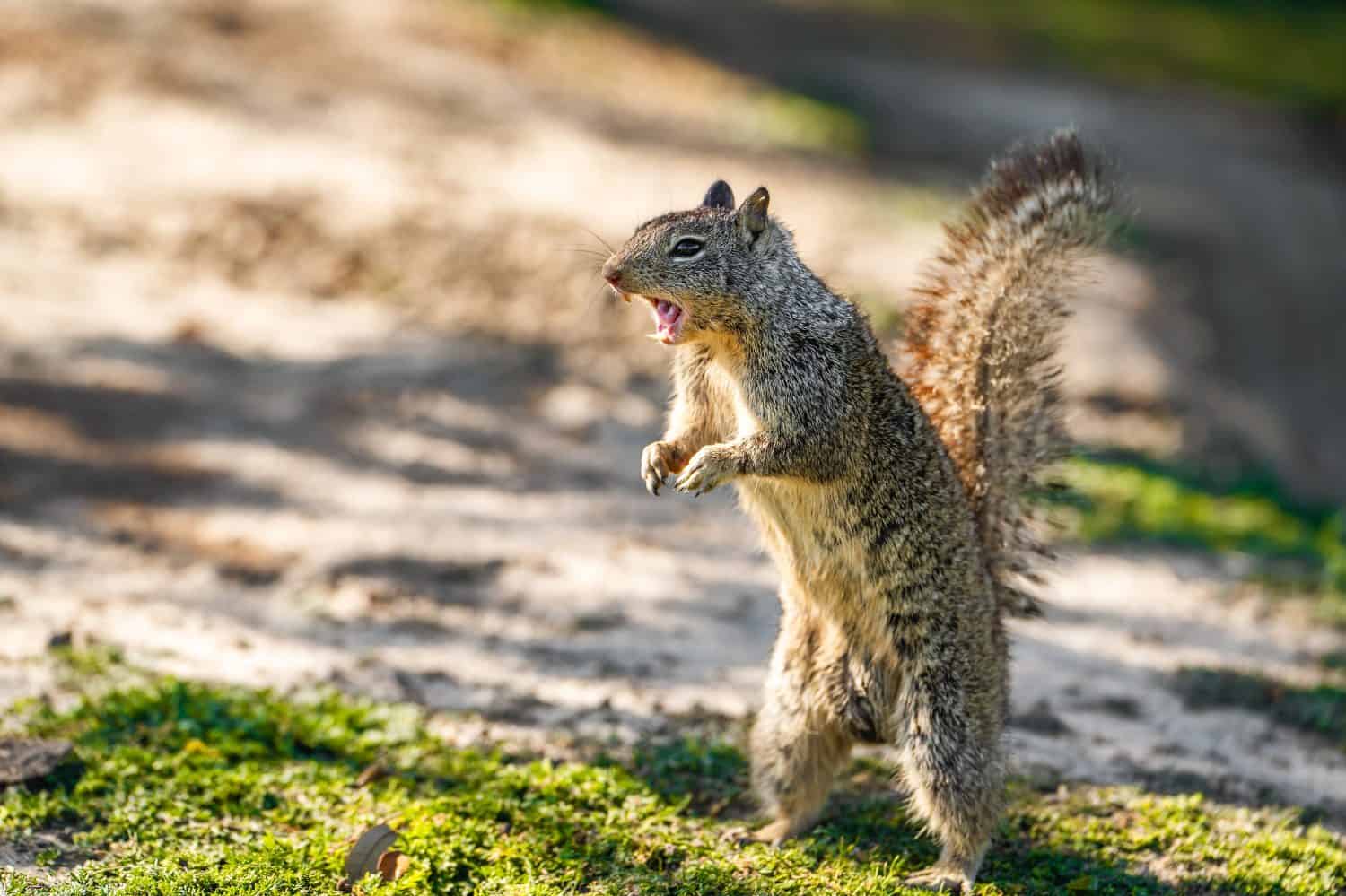
Depending on your location, you may be more familiar with a feistier variety of squirrel. As seen in the video, certain species of squirrel are smaller and far more territorial than their relatives. Species such as red squirrels and Douglas squirrels are solitary by nature. They convene during mating season but actively avoid interaction for the rest of the year. This behavior makes sense, considering they are constantly protecting a specific segment of land. Territorial squirrels are often easy to identify by their use of scent markings, tree markings, and frequent vocalizations.
Since territorial squirrels usually live in coniferous forests, they subsist on pine and spruce cones. The problem is that these cones contain very small seeds, which are hard to extract. Territorial squirrels spend the majority of their time building massive food caches to last through winter. These caches represent months of effort, so territorial species guard them fiercely. The stakes are so high that territorial squirrels will even steal food from the unprotected caches of rivals.
As a rule of thumb, territorial squirrel species like Douglas squirrels or red squirrels are smaller than their social counterparts and usually come in only one color. They are also much louder than their relatives, frequently vocalizing to defend their territory.
Social Squirrels
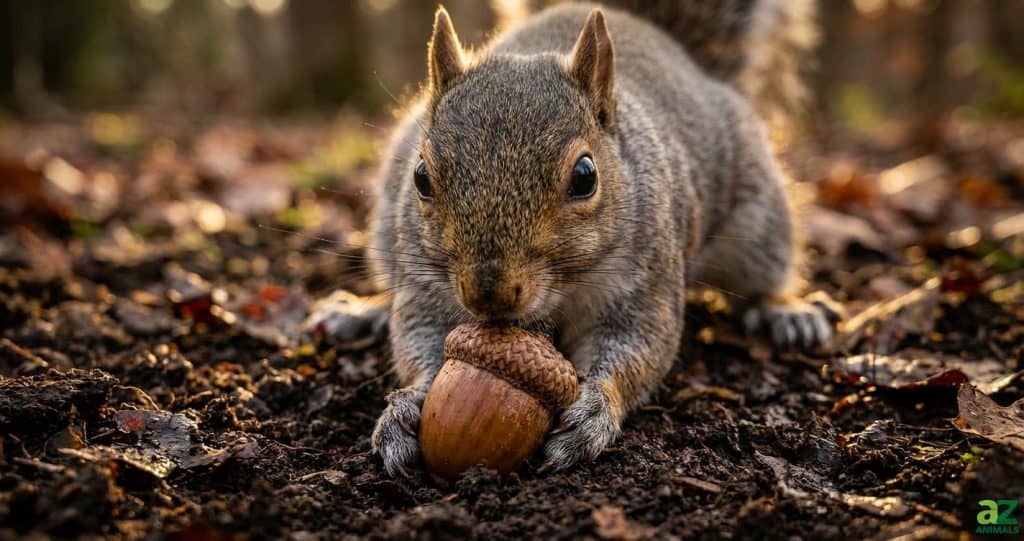
As residents of nutrient-rich, deciduous forests, social squirrel species like gray squirrels don’t need to fight over food.
©A-Z Animals
Not all squirrel species are territorial. Some, like gray squirrels, are social and willing to work together, while fox squirrels tend toward more solitary behavior. Social squirrels establish social hierarchies, but they don’t defend any specific territorial boundaries. This allows them to interact regularly, play together, nest together, and even share food. Social squirrels are likely this way due to their food sources.
Social squirrel species usually live in nutrient-dense deciduous forests. Deciduous forests provide them with plenty of nuts like acorns, which contain far more nutrients than seeds from a spruce cone. Less scarcity means better cooperation. In fact, the only time social squirrels turn territorial is when a pregnant female isolates herself to protect her young.
While territorial squirrels hoard their food in one large cache, social squirrels scatter-bury their food all over. There is always another reserve, so less aggression is required to defend them. As seen in the video, social squirrels are larger than territorial squirrels. They also display a wider range of colors, even within a single species, and vocalize in various contexts, including predator threats, mating chases, aggressive encounters, and social communication.