
Quick Take
- Extreme camouflage is its primary defense: Denise’s pygmy seahorse precisely mimics the texture, color, and shape of its host coral to avoid detection.
- Life revolves around a single coral colony: Individuals spend their entire adult lives on one coral, rarely venturing elsewhere.
- Specialization is both strength and risk: Dependence on specific corals allows survival but makes the species vulnerable to habitat loss.
Coral reefs are often described as some of the most colorful places on Earth, bursting with movement, contrast, and life. Fish flash silver, blue, and yellow as they dart through branching corals, while keen-eyed predators hunt for food. In this visual chaos, standing out can be a death sentence. Denise’s pygmy seahorse illustrates this reality better than almost any other reef animal. Barely larger than a fingernail and almost impossible to spot even when you know exactly where to look, Denise’s pygmy seahorse is not just tiny—it’s a master of camouflage. Its body closely mimics the texture and color of the soft corals it inhabits, allowing it to vanish in plain sight. This evolutionary strategy highlights how survival in coral reefs often depends on blending in rather than standing out.
A Seahorse Few People Had Ever Seen
Denise’s pygmy seahorse was formally described in 2003, though thanks to its incredible camouflage it likely went unnoticed not just by predators, but by science for decades before that. The species is named after Denise Tackett, a marine biologist who recognized that a tiny seahorse living on certain soft corals was distinct from the already-known Bargibant’s pygmy seahorse. At the time, pygmy seahorses themselves were still considered rare oddities, partly because of their size and partly because of how well they hide.
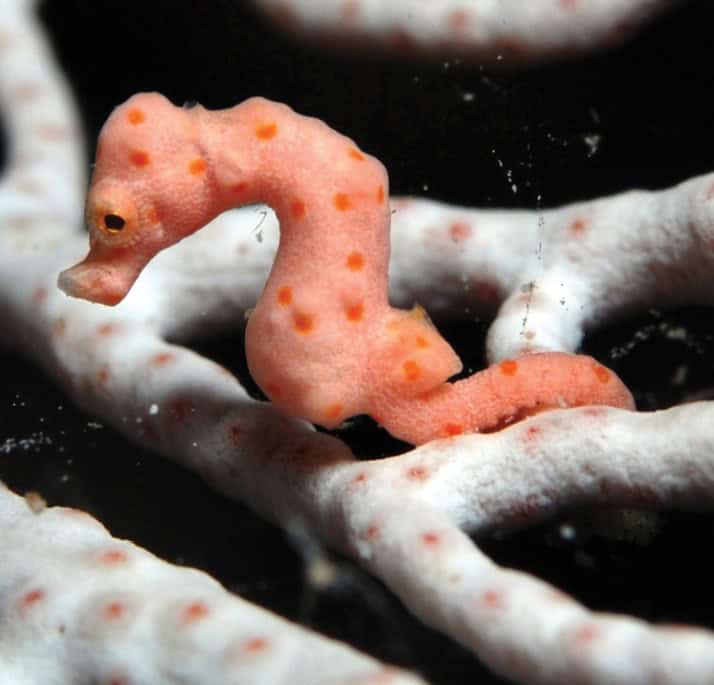
Denise’s pygmy seahorse, just three-quarters of an inch, remained hidden from science for decades.
©Reijnen BT, van der Meij SET, van Ofwegen LP, CC BY 3.0 – Original / License
Adults measure roughly three-quarters of an inch from head to tail, which is about the diameter of a U.S. penny, making them among the smallest seahorses in the world. At that scale, even experienced divers are likely to overlook them entirely. Many sightings occur only after someone notices what appears to be a bump on the coral, then realizes it has eyes.
The species is most commonly found in the western Pacific, including areas around Indonesia, Papua New Guinea, and parts of the Philippines. Like other pygmy seahorses, it lives in close association with specific types of soft corals, particularly sea fans in the genus Muricella.
Is that a Seahorse or Coral?
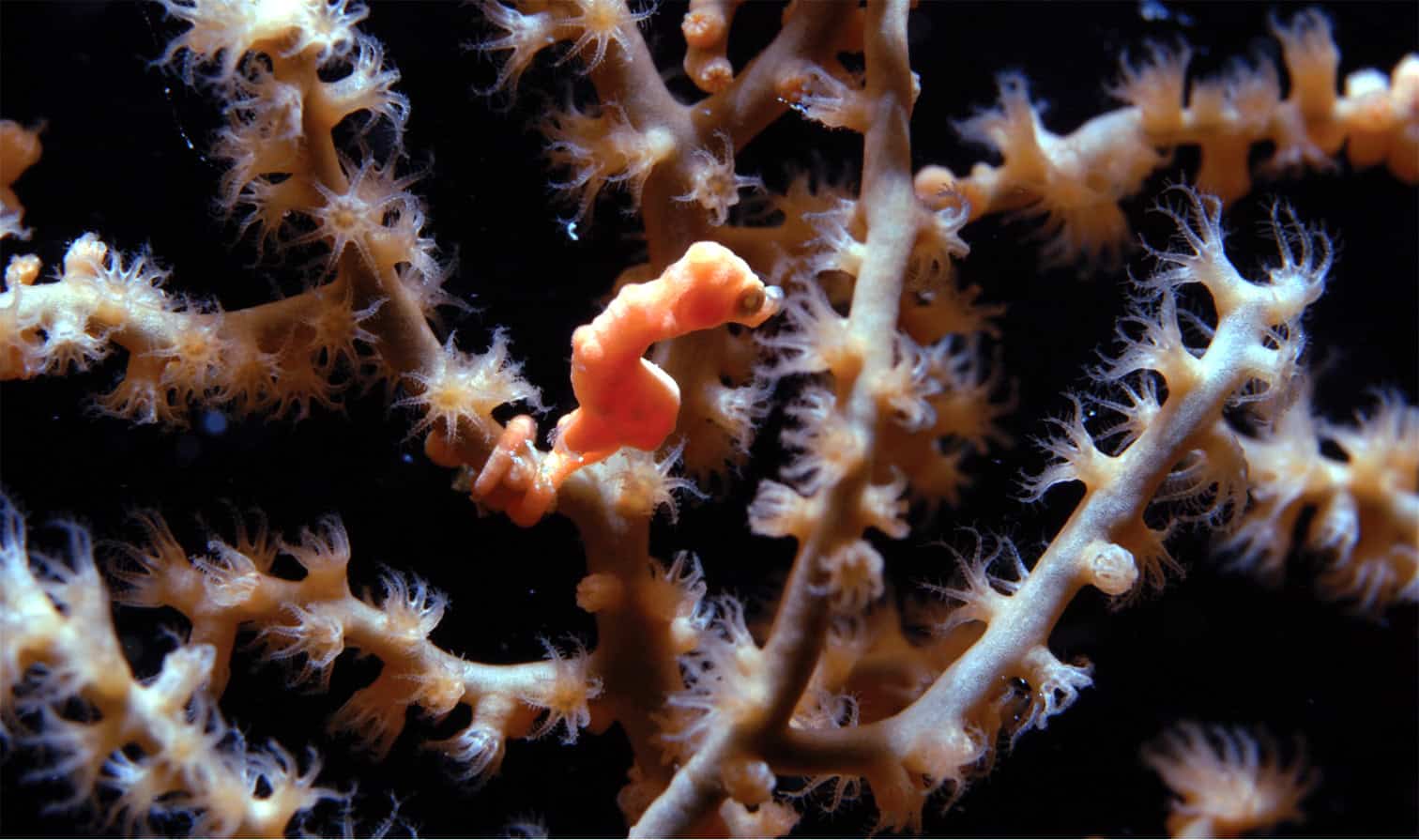
What makes Denise’s pygmy seahorse remarkable is not just its size, but how precisely its body matches its surroundings. The coral it inhabits has small, knobby polyps and branching structures. The seahorse’s body mirrors this texture almost exactly, with raised bumps that align with the coral’s surface. Even the spacing of these bumps often matches the coral polyps beneath it—it’s as if the coral isn’t its home but its sibling!
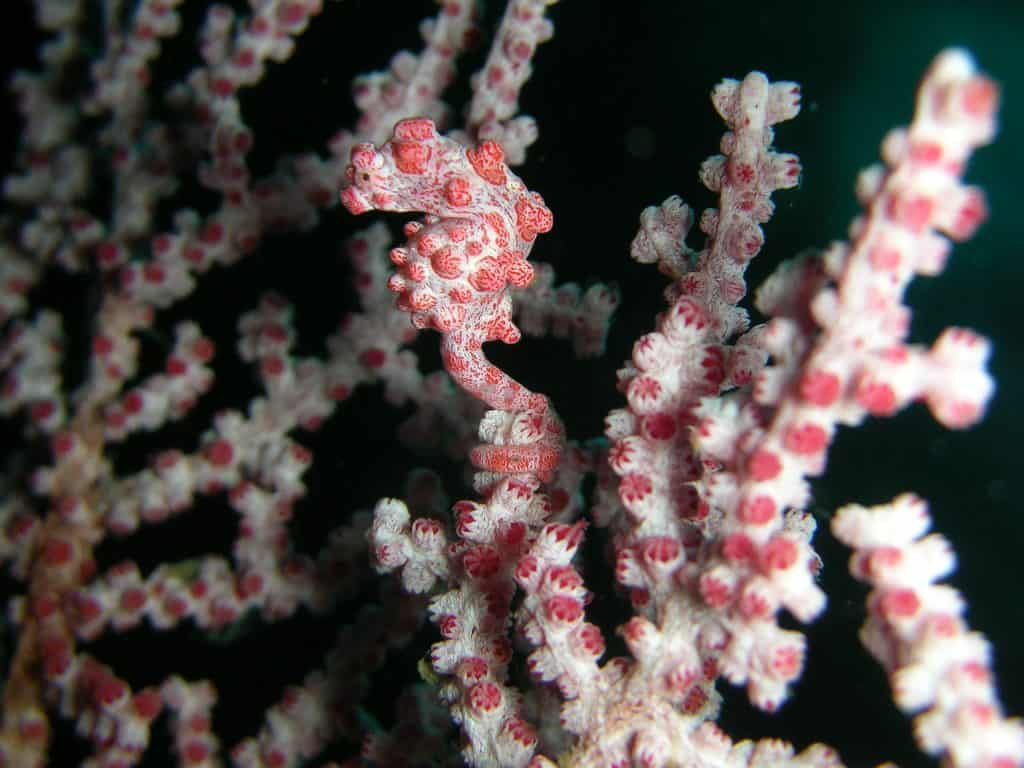
Raised bumps and precise coloration let this seahorse mimic its host coral almost perfectly.
Coloration adds another layer to the illusion. Individuals are typically shades of yellow, orange, or reddish-brown, once again closely matching the coral they live on. This is not random variation. Studies and field observations suggest individual seahorses are highly specialized to their host coral, rarely leaving it and closely matching its color over time.
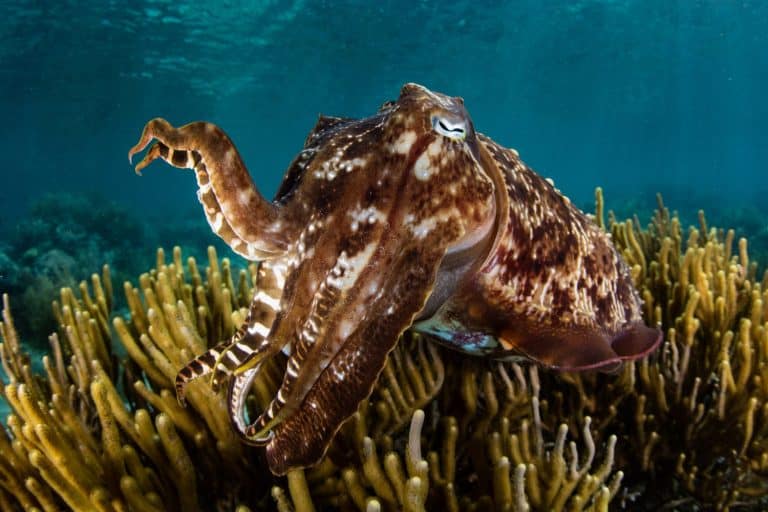
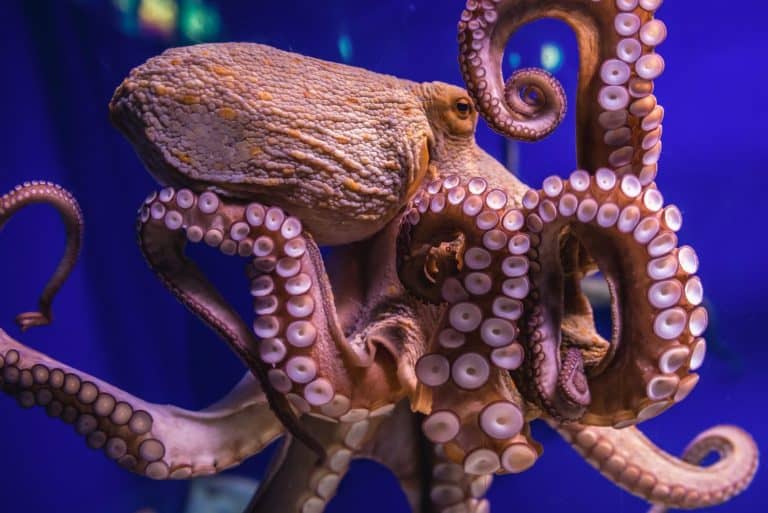
Unlike animals that rely on rapid color change, such as octopuses or cuttlefish, pygmy seahorses appear to achieve camouflage through long-term adaptation rather than moment-to-moment adjustment. Their coloration develops as they grow, aligning with the coral colony they inhabit.
Camouflage: Better Than Speed
Most reef fish rely on speed, sharp spines, or schooling behavior to avoid predators. Denise’s pygmy seahorse has none of these advantages. It’s a slow swimmer and can’t flee quickly if threatened, and its tiny size makes it vulnerable to a wide range of predators. Camouflage, therefore, is its primary defense. By remaining visually indistinguishable from the coral—a strategy known as crypsis—the seahorse reduces the likelihood that a predator will notice it in the first place.
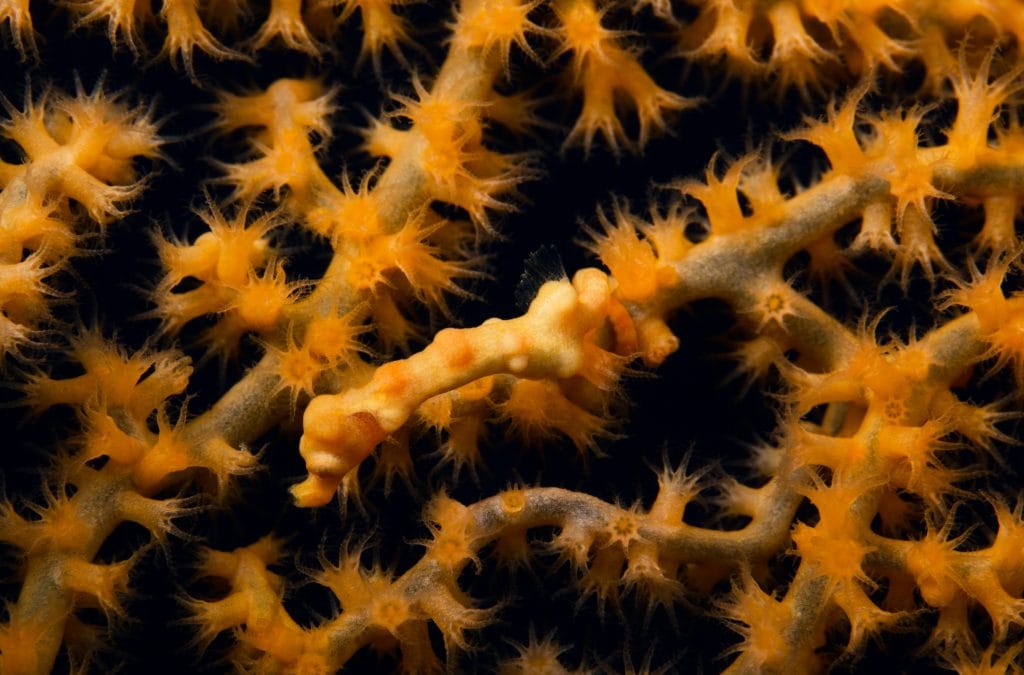
Unable to flee predators, this tiny seahorse relies entirely on invisibility for survival.
Predators often rely on pattern recognition to identify prey. When an animal breaks up its outline and matches the texture of its surroundings, it becomes much harder to detect. Denise’s pygmy seahorse takes this principle to an extreme, blending not only pattern but texture, color, and shape into a single, convincing disguise.
Coral Homebodies
Denise’s pygmy seahorse isn’t a wanderer. Individuals typically spend their entire adult lives on a single coral colony. Over many generations, this lifestyle has allowed natural selection to fine-tune the species’ body shape and coloration to closely match a specific coral host.
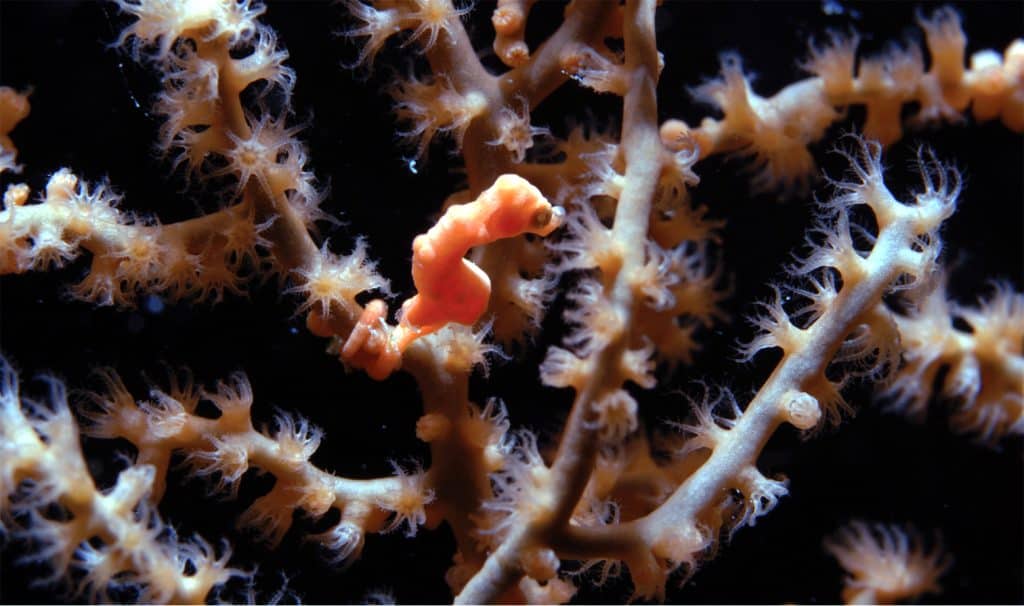
Adults spend their lives on one coral, aligning posture and movement with its branches.
©Reijnen BT, van der Meij SET, van Ofwegen LP, CC BY 3.0 – Original / License
This lifestyle also shapes their behavior. They move slowly and deliberately, often positioning themselves along coral branches in a way that mimics the coral’s natural growth patterns. Even their posture contributes to the illusion. When stationary, they often align their bodies with the coral rather than standing out at odd angles.
Because they remain in one place, their survival is closely tied to the health of their host coral. Damage to the coral from storms, pollution, or human activity can directly threaten the seahorses living on it.
Feeding Without Drawing Attention
Despite their sedentary lifestyle, Denise’s pygmy seahorses still need to eat. They feed primarily on tiny crustaceans that drift past in the water. Like other seahorses, they use a specialized snout to create suction, drawing prey into their mouths with a quick snap. This feeding method is well suited to camouflage. The motion is quick and localized, minimizing disturbance to the surrounding water and reducing the chance of attracting attention.
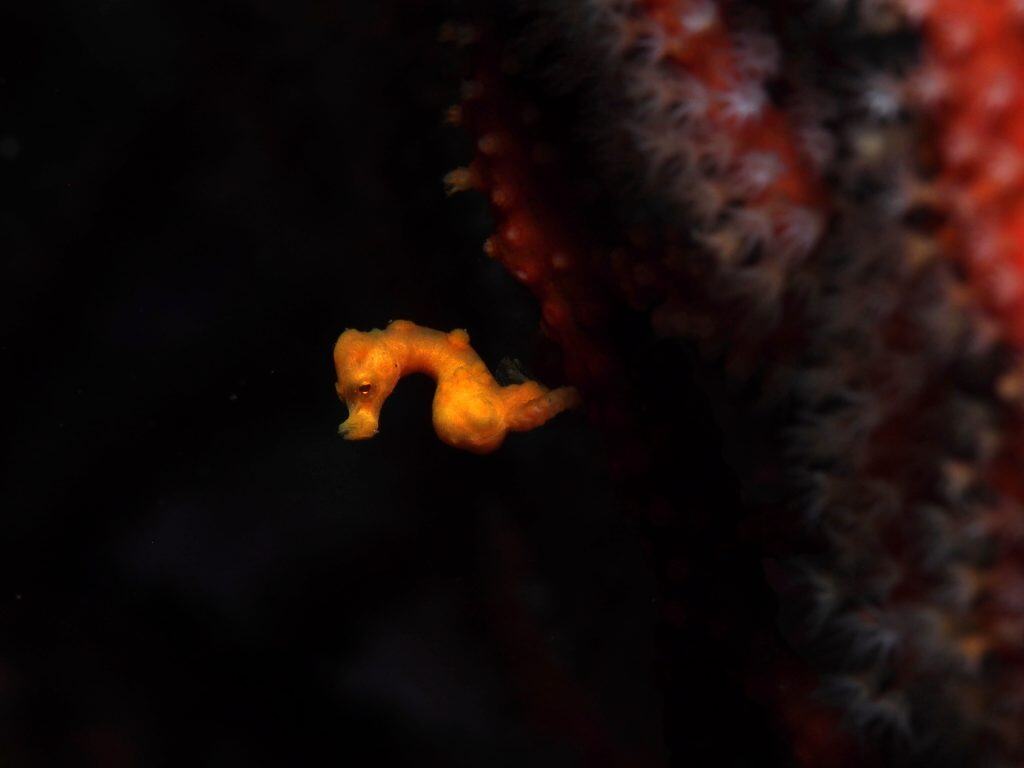
Independent eye movement and suction feeding let the seahorse hunt without revealing its location.
Not only that, but their eyes move independently of each other, meaning one can look in one direction while the other looks in a different direction. This allows them to scan for prey while keeping the rest of their body motionless. This trait, shared with other seahorses, further enhances their ability to feed without revealing themselves.
Mini-Reproduction
Little is known about the early life stages of Denise’s pygmy seahorse, largely because their size and camouflage make them difficult to study. However, we do know Denise’s pygmy seahorse follows the same unusual reproductive pattern as other seahorses: males carry the developing eggs. The female deposits her eggs into a brood pouch on the male’s abdomen, where they are fertilized and incubated until they hatch. When the young emerge, they’re already tiny, fully formed seahorses capable of clinging to coral and feeding on microscopic prey.
Camouflage: Evolutionary Trade-Off
Extreme specialization has its advantages, but also its risks. By evolving to blend in with a specific type of coral, Denise’s pygmy seahorse becomes highly dependent on that coral’s presence. If the coral declines, the seahorse has few alternatives. The benefit is efficient survival within a stable environment. The cost is vulnerability when that environment changes.
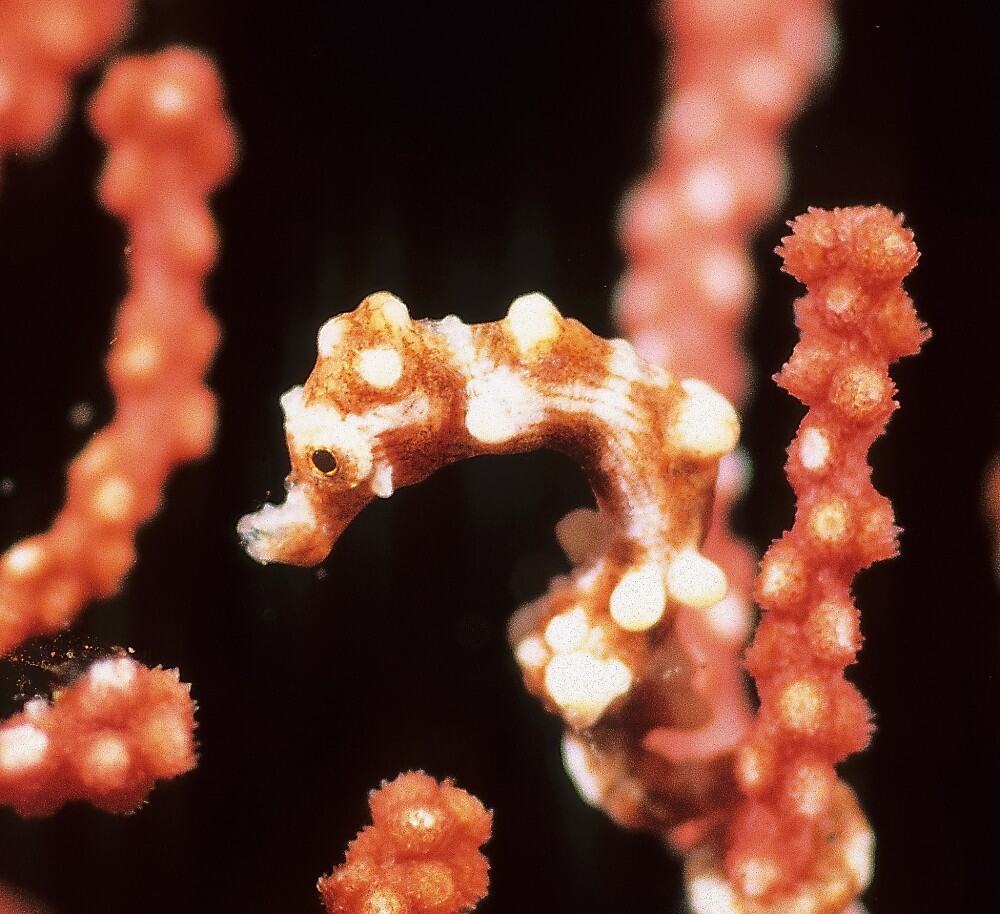
Specialization on one coral type makes the seahorse highly vulnerable if the coral disappears.
Sadly, in recent decades, coral reefs worldwide have come to face increasing threats from warming oceans, disease, and human activity. For a species as specialized as Denise’s pygmy seahorse, habitat loss can be especially damaging.
Hard to Study
Despite being described more than 20 years ago, Denise’s pygmy seahorse remains relatively poorly studied. Their small size, cryptic nature, and specific habitat requirements make traditional survey methods challenging. It’s likely that populations exist in areas where they have simply not been noticed. And Denise’s pygmy seahorse certainly isn’t the only animal to present this challenge: many small, well-camouflaged species remain underrepresented in research, even though they play important roles in their ecosystems.
A Lesson in Reef Survival
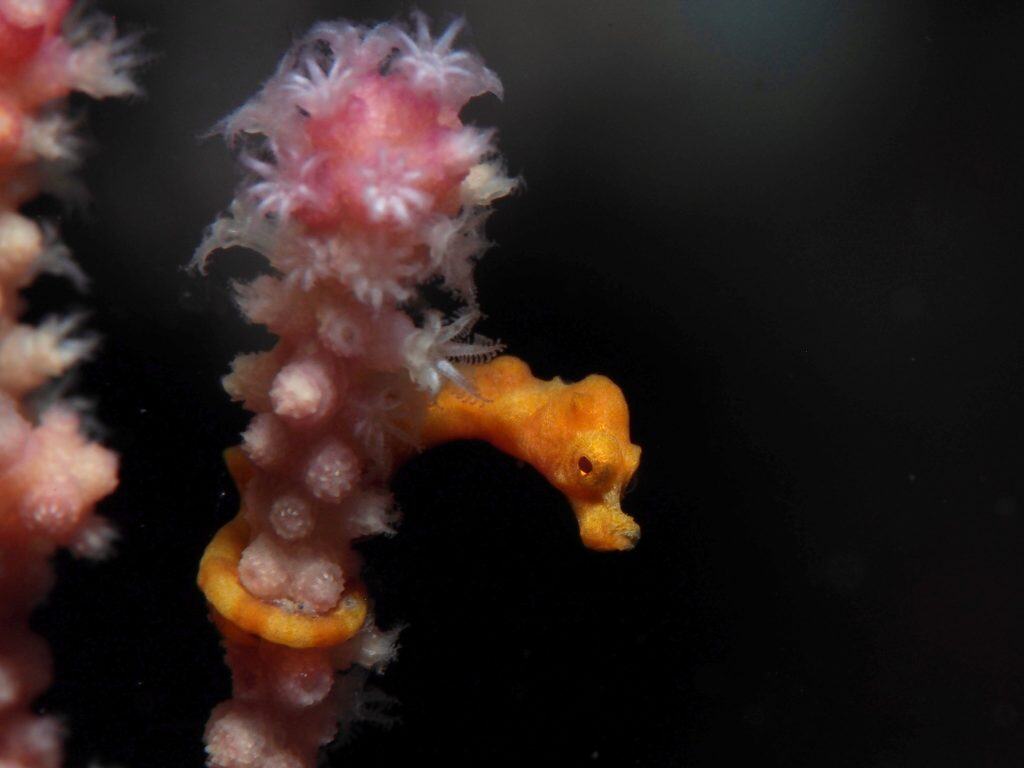
On a coral reef, survival isn’t about being fast, fierce, or flashy. In a world alive with color and motion, sometimes the smartest strategy is to disappear. Denise’s pygmy seahorse does exactly that, melding so seamlessly with the texture and hue of its coral home that it’s able to thrive where few others could. Natural selection is patient and precise, shaping life even in tiny—and we really do mean tiny—hidden corners of the ocean.