Quick Take
- A short lifespan isn't a biological flaw for these animals. It's a finely tuned competitive advantage.
- One vertebrate on this list completes its entire life cycle faster than most people's summer vacations, and surprisingly it is not an insect. Meet the 59-day fish →
- One reptile here spends more of its life sealed inside an egg than it ever does roaming the wild, a fact that turns out to be the key to its survival. Discover the egg-bound chameleon →
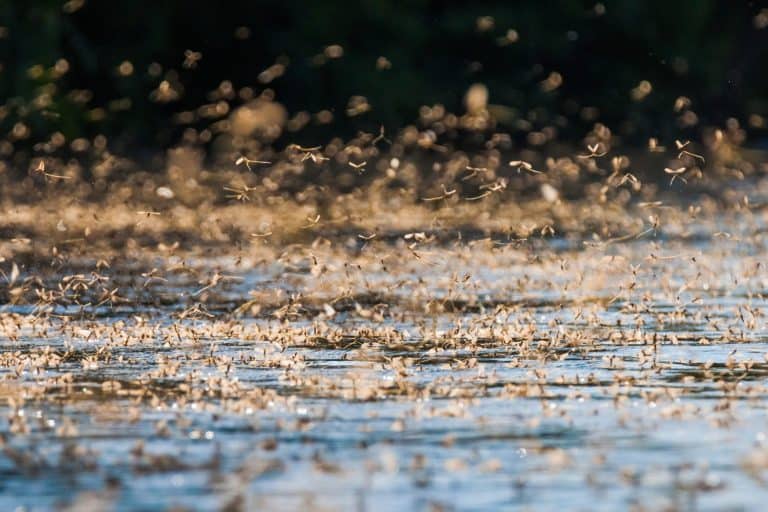
- One creature on this list reaches adulthood with no functional mouthparts, since eating would only waste the tiny window of time it has to reproduce. See the mouthless mayfly →
Life on Earth is incredibly diverse, even when it comes to lifespans. While some animals live for hundreds of years, others only survive for a matter of days. While long-lived animals often get all the attention for their remarkable ability to outlive most other creatures on our planet, many species are just as intriguing for their extremely short lifespan. Although a short life is almost always seen as a negative from a human perspective, these time frames are not a flaw, but a strategy shaped by evolution, including environmental pressures and survival needs. Across different animal groups, rapid life cycles can be just as successful as longevity.
Across all classes of animals, a handful of notable species complete their entire life cycle in shockingly short periods of time. Factors like predation, climate, and availability of food sources all play a role in affecting how long a species lives. In most cases, their brief lives are focused on reproduction. Here’s a closer look at some of the shortest lifespans across the major vertebrate classes.
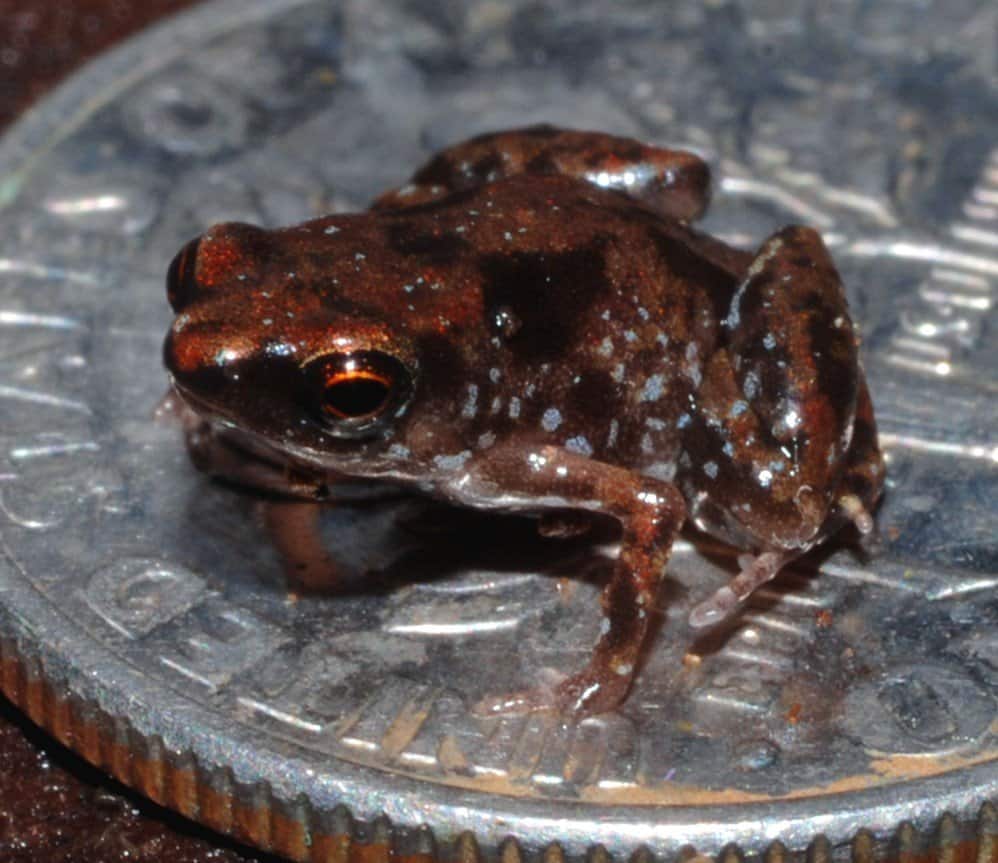
Amphibian — New Guinea Amau frog
©Rittmeyer EN, Allison A, Gründler MC, Thompson DK, Austin CC / CC BY 2.5, via Wikimedia Commons - Original / License
Expected Lifespan: One year
The tiny frog known as the New Guinea Amau frog (Paedophryne amanuensis) is one of the smallest vertebrates in the world. It also has a very short lifespan. Native to Papua New Guinea, this micro frog lives in leaf litter and is highly vulnerable to predators. Its small size and environment contribute to a life cycle that lasts around a year. This pocket-sized amphibian is proof that even the smallest animals can thrive in specialized environments.
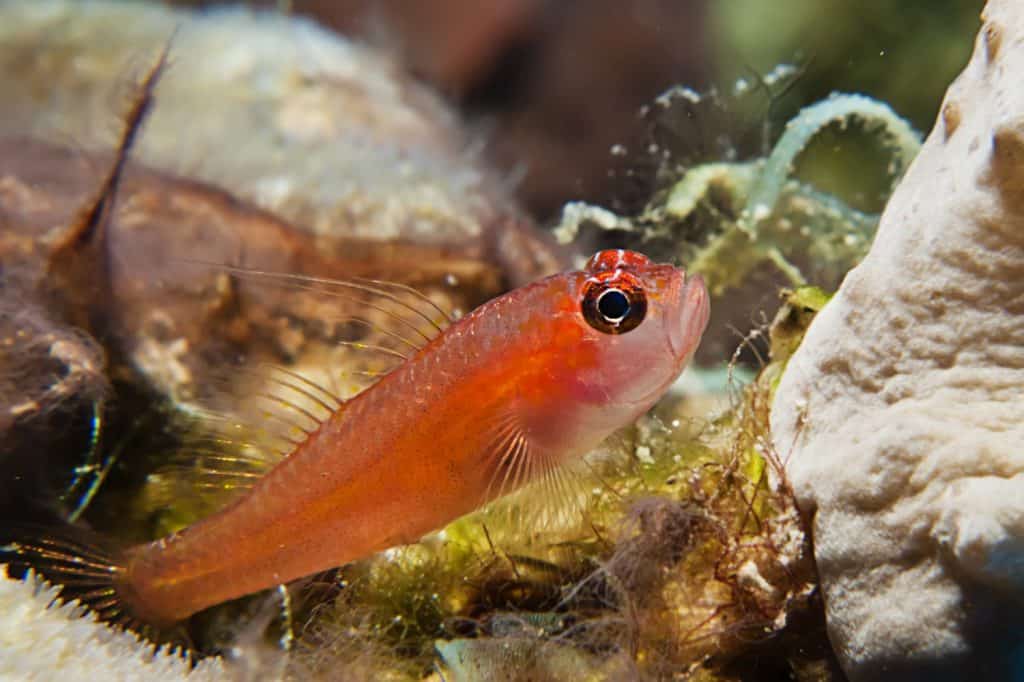
Fish — Pygmy Goby
©Cigdem Cooper/Shutterstock.com
Expected Lifespan: 59 days
The pygmy goby (Eviota sigillata) is one of the shortest-lived fish. In fact, it is one of the shortest-lived vertebrates ever recorded. These little swimmers live just about eight weeks. Inhabiting coral reefs, pygmy gobies grow rapidly and reach maturity fast, as they need to reproduce quickly. Their brief lives are a race against the clock, as they have numerous predators and only a couple of months to lay eggs. Completing their life cycle in such a short window actually helps pygmy gobies maintain stable populations.
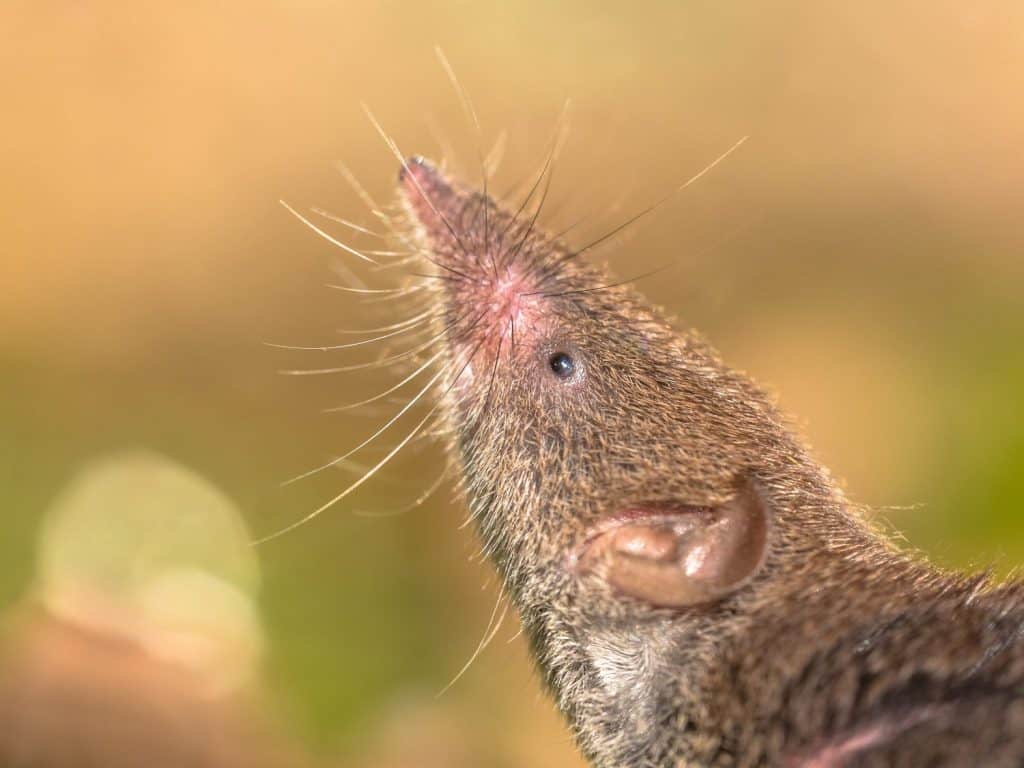
Mammal — Shrew
©Rudmer Zwerver/Shutterstock.com
Expected Lifespan: one to two years
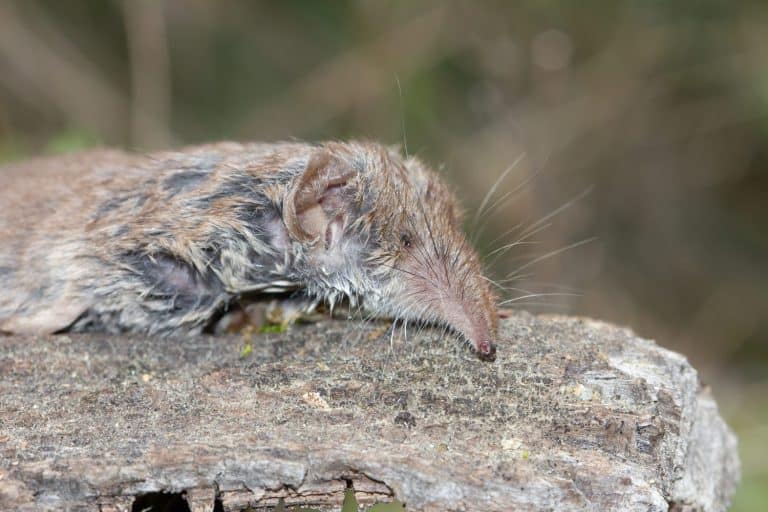
Shrews are among the shortest-lived mammals, typically surviving a maximum of two years. These petite mammals have extremely fast metabolisms, requiring them to eat almost constantly to keep up with their energy needs and stay alive. Their high energy demands leave little room for mistakes, making them vulnerable to small environmental changes and predators. As a result, their life is oriented toward rapid reproduction to ensure the survival of the species.
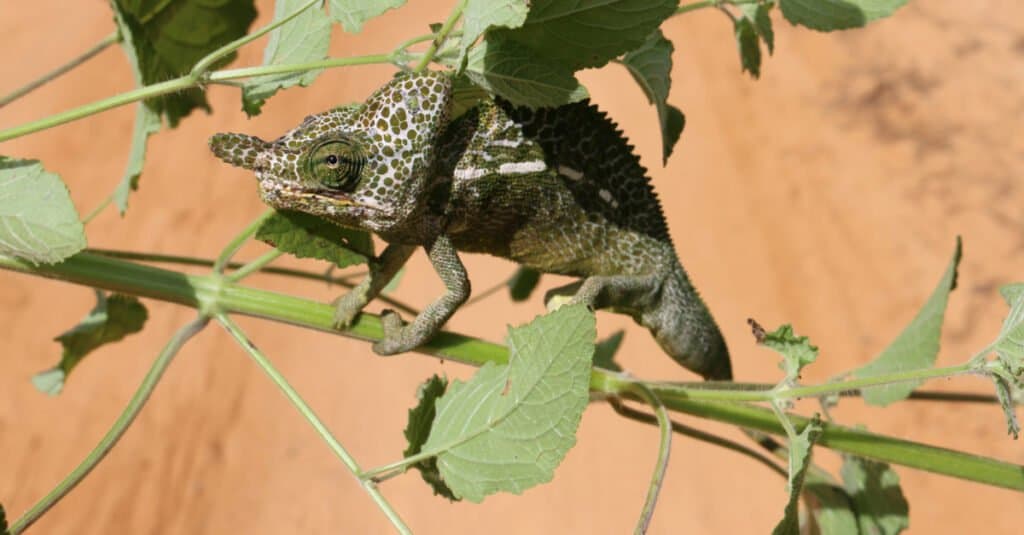
Reptile — Labord’s Chameleon
©irinaroma/Shutterstock.com
Expected Lifespan: four to five months
Labord’s chameleon has one of the shortest lifespans of any reptile, roaming their habitat for only a few months after hatching. Indeed, most of its life is spent developing inside an egg during Madagascar’s dry period. Once it emerges, it grows rapidly, reproduces, and dies all within a single season. This unusual life cycle allows the Labord’s chameleon to take full advantage of ideal environmental conditions.
Bird — Ruby-Throated Hummingbird
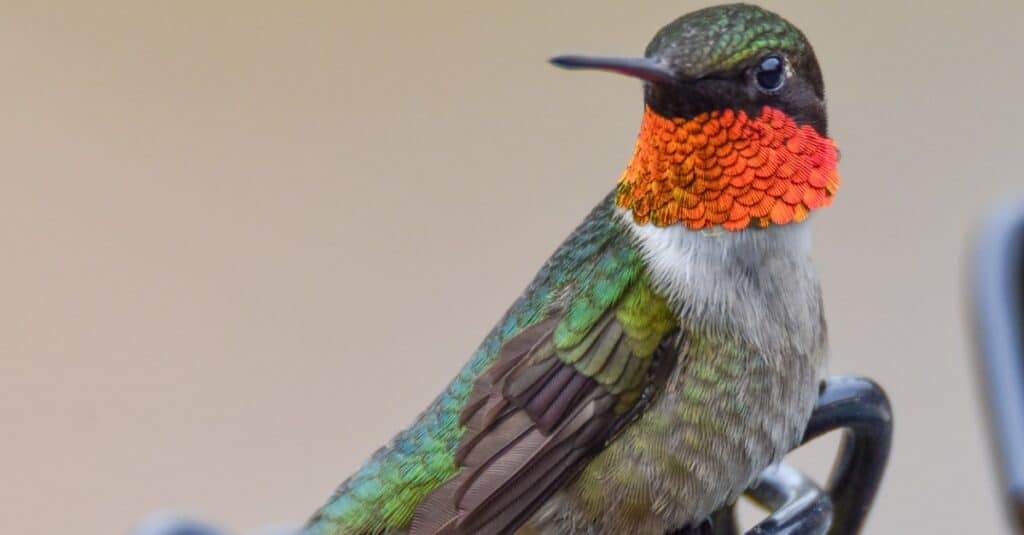
©iStock.com/Jessica Maruszewski
Expected Lifespan: three to four years
The ruby-throated hummingbird is a small bird with a surprisingly short lifespan compared to many other bird species. Most individuals live only a few years if they’re lucky, as mortality rates are high in their first year of life. Their speedy metabolism requires constant feeding through nectar rich blooms; this reliance on an abundance of daily food is physically demanding for the tiny birds. Despite their short lives, they play a major role in pollination and ecosystem health.
Bonus: Insect — Mayfly
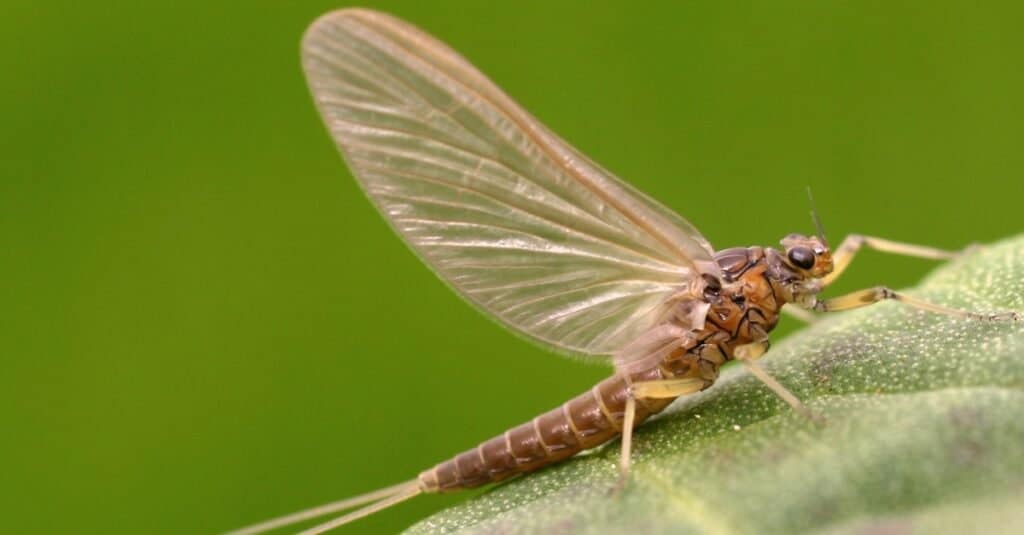
©iStock.com/englishriver
Expected Lifespan: 24 hours (adult)
Mayflies are famous for having one of the shortest adult lifespans of any animal, sometimes barely reaching the 24-hour mark. During this brief life, their sole purpose is to reproduce; they don’t waste any time seeking food, as many adults don’t even have functional mouthparts. Before their day-long adulthood, the majority of a mayfly’s life is actually spent as an aquatic nymph.