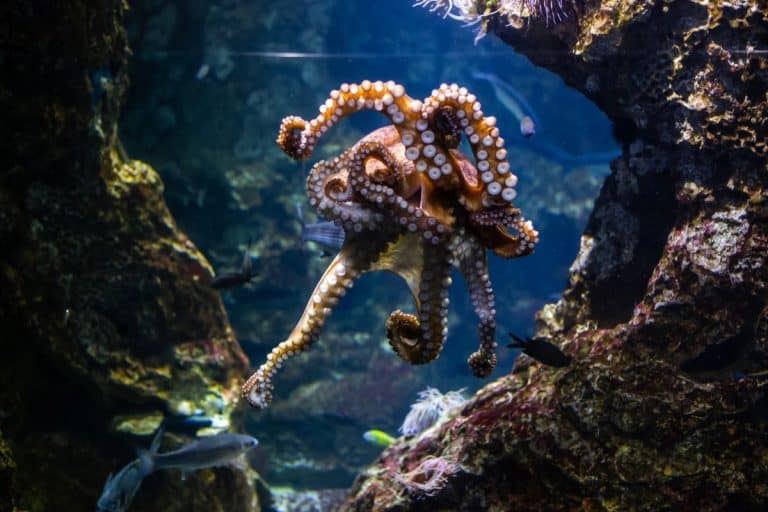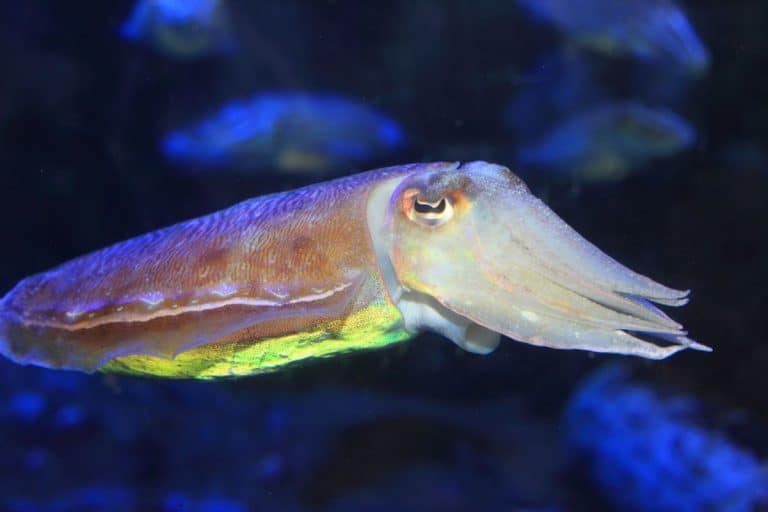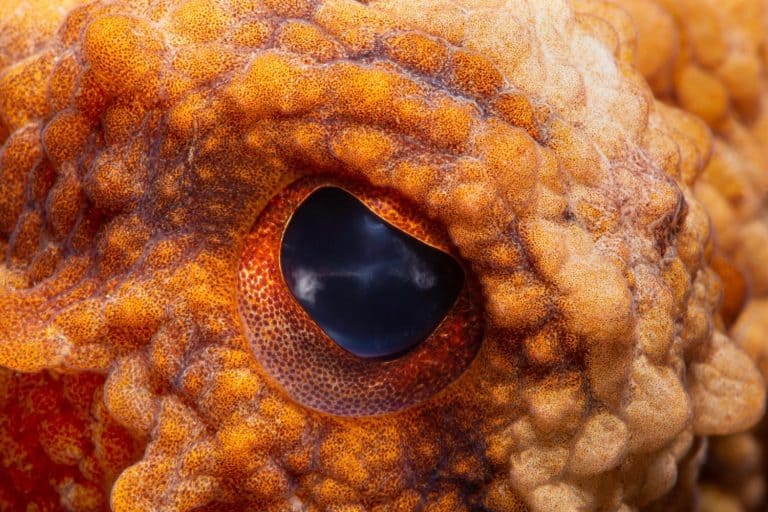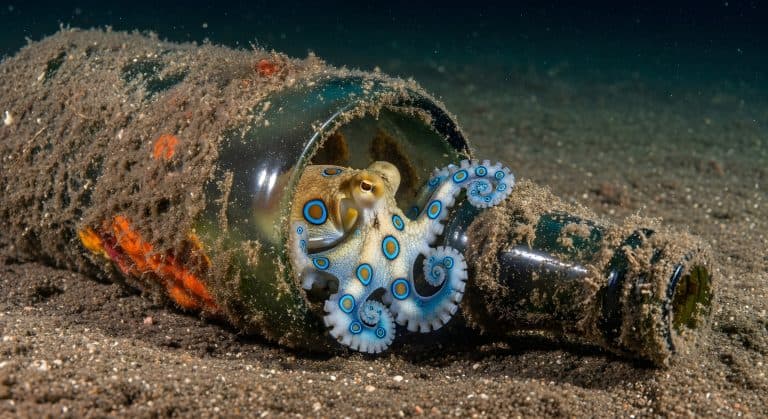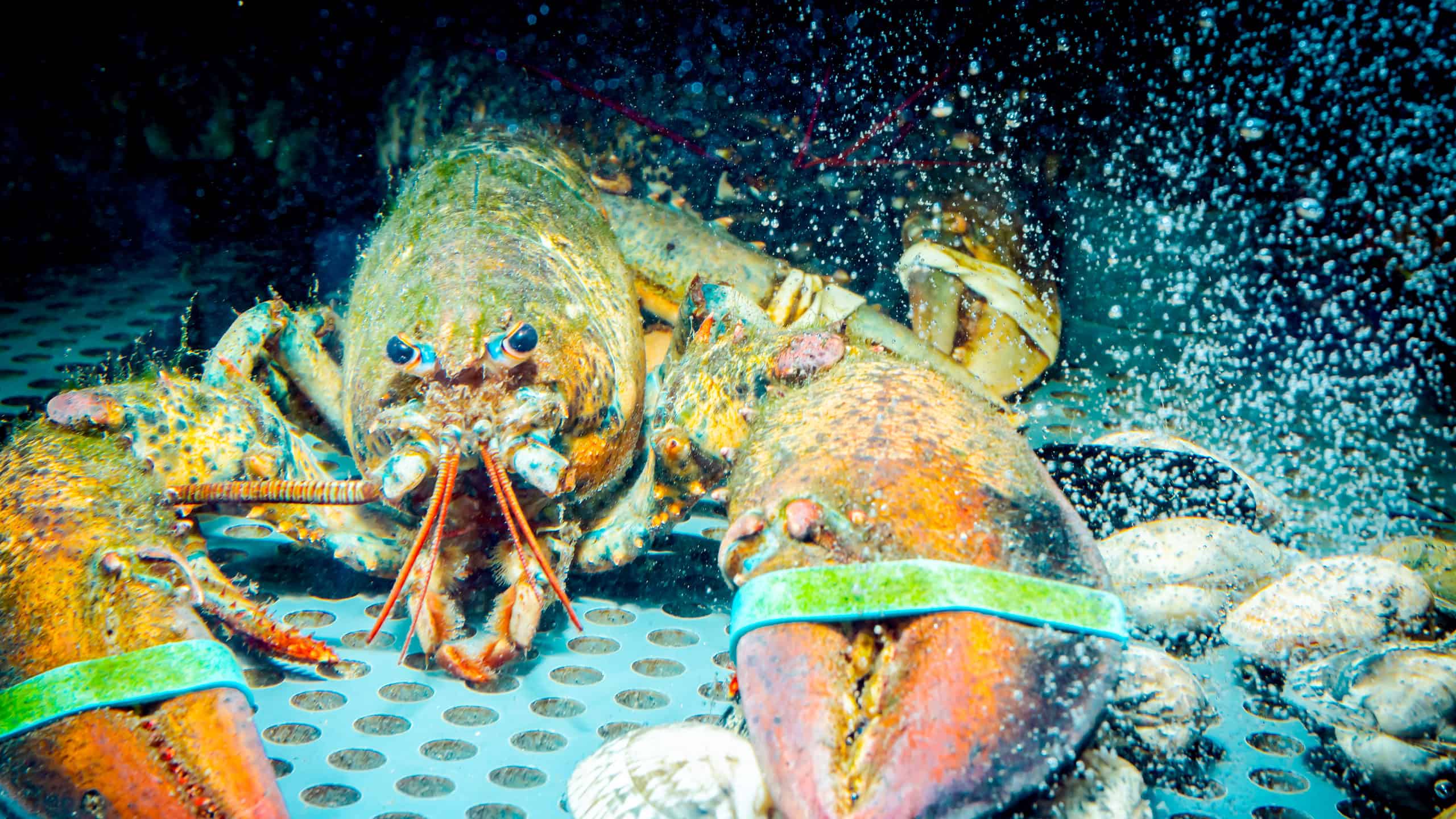

A recent study commissioned by the United Kingdom confirms what Swiss scientists determined in 2018: lobsters, crabs, and octopuses are sentient creatures. This means crustaceans and cephalopods can feel varying levels of pain and suffering. However, this finding also has broader implications. Researchers explain that if invertebrates are sentient, then there are limits to what humans can ethically do to other sentient beings. The United Kingdom is acting on this new research by including crustaceans and cephalopods in new legislation focused on animal welfare.
Study Findings and Recommendations
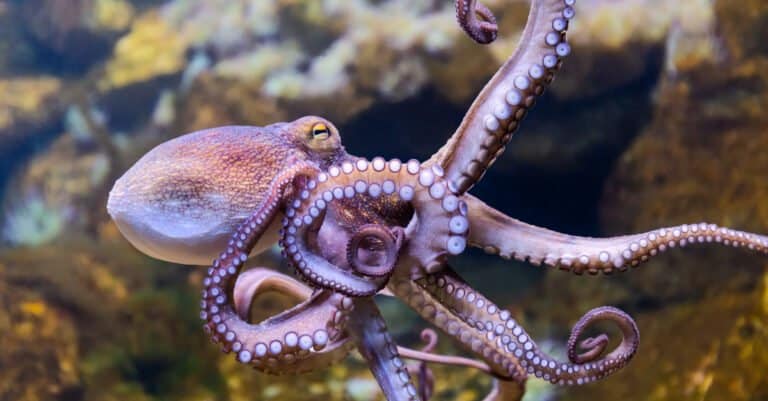
The research comes from the London School of Economics and Political Science. In the report, researchers laid out a set of criteria for determining sentience. They found very strong evidence of sentience in octopuses, strong evidence of sentience in true crabs, and substantial evidence in the case of Astacid lobsters and crayfish. The authors of the study recommended that all cephalopod molluscs and decapod crustaceans be regarded as sentient animals under UK animal welfare law.
The authors also recommended that clearer regulations be put in place regarding the slaughter of these animals for human consumption. They suggest that the least humane methods be banned when more humane methods are available. Based on the report, the UK government declared that octopuses, crabs, lobsters, and other related species would be included under the Animal Welfare (Sentience) Bill.
Better Treatment for Octopuses, Crabs, and Lobsters
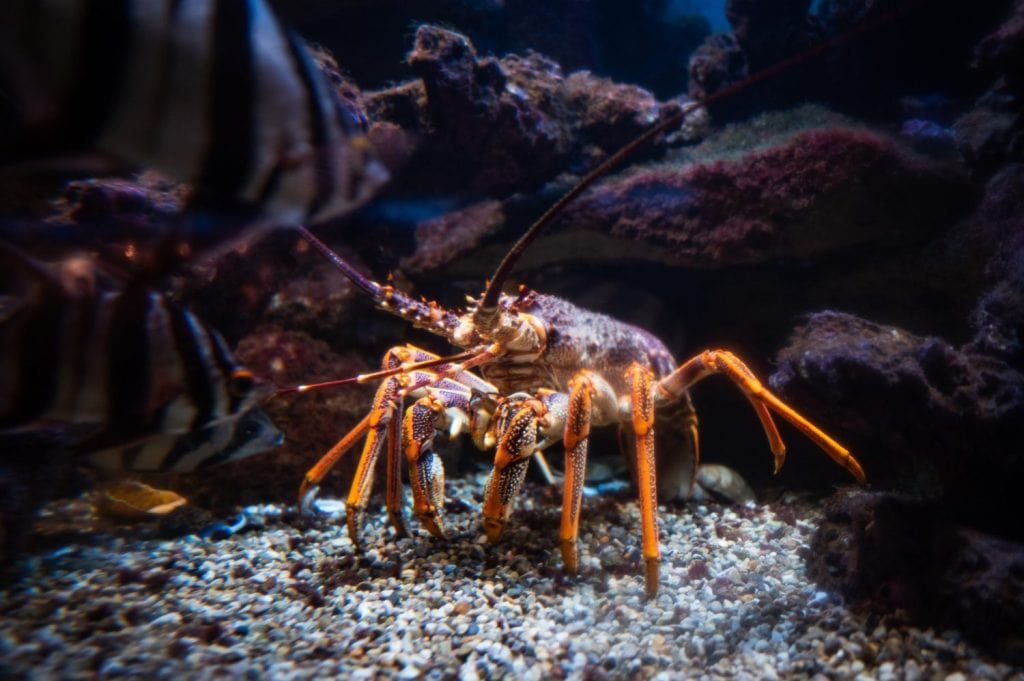
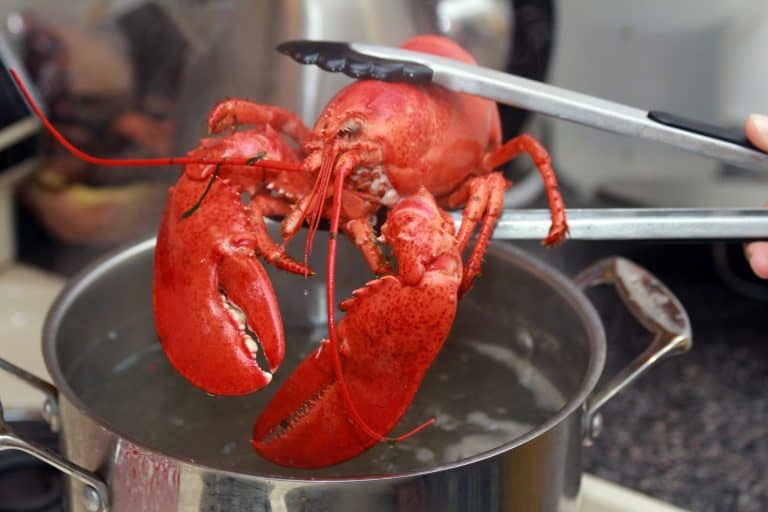
Switzerland banned the live boiling of lobsters in 2018.
©Francisco Maropakis/Shutterstock.com
Unfortunately, the new legislation surrounding these animals does not currently ban practices such as the live boiling of lobsters. Nor will it immediately affect the fishing and restaurant industries. However, this legislation will force lawmakers to consider the well-being of lobsters, crabs, and octopuses when passing new laws and regulations for these industries.
Researchers also believe this is the first step in advocating for legal protection from practices such as being boiled alive, declawing, or disabling their pincers. This is also important for advocates of crustaceans and cephalopods. For years, many people have been under the impression that crustaceans and cephalopods cannot feel pain. With this myth officially dispelled, hopefully, both lawmakers and the general public will change how they view these animals.
Despite the Swiss study naming lobsters, crabs, and octopuses as sentient, or capable of feeling pain, the United Kingdom is among the first governments to formally recognize the sentience of crustaceans and cephalopods in law, following Switzerland and New Zealand, which had already enacted protections for these animals. Hopefully, other countries will follow their lead.
What Can You Do?
What can you do in light of this study? You can practice ethical cooking methods at home. You can also refuse to patronize restaurants that do not advocate for the humane treatment of the animals they cook. This research has already impacted chefs in the United Kingdom. Some are changing their methods of cooking crab, lobster, and octopus. For example, instead of boiling live crabs or lobsters, they are stunning the animals so they are unconscious during the cooking process.
Humans need to eat, and many people eat crab, lobster, and octopus. However, recognizing the sentience of these animals will better connect us to the food we eat. It may also ultimately impact the way we think about the ethical treatment of all living creatures.