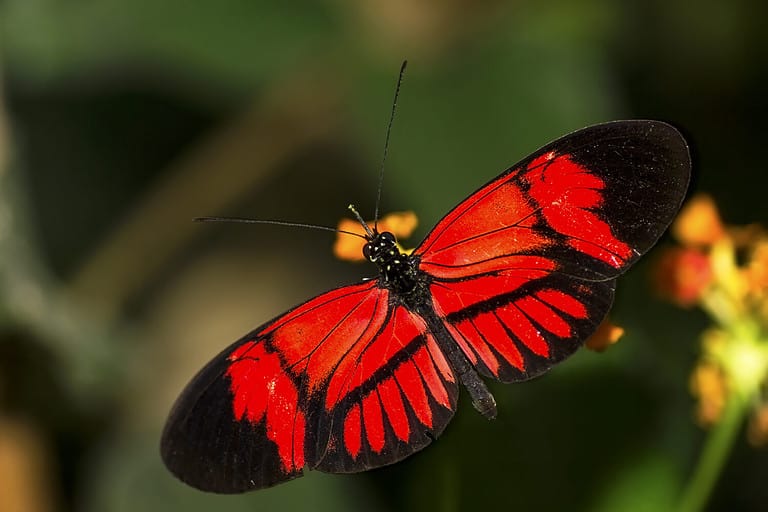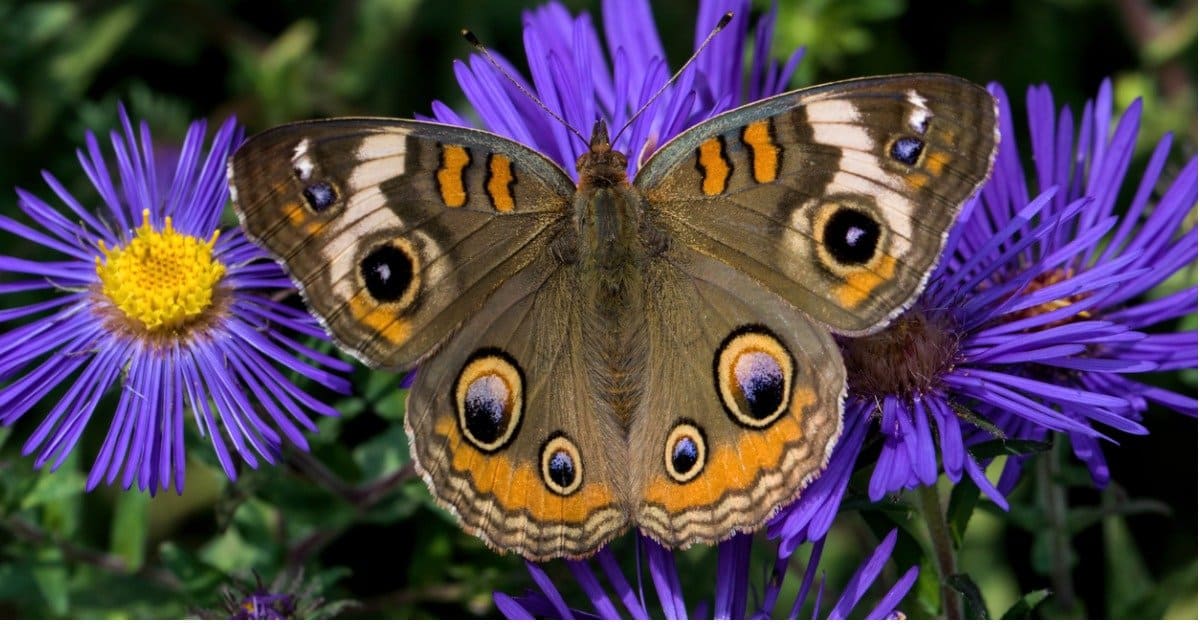

Swathed in bright and beautiful colors, butterflies (Lepidoptera) are among the most diverse animals on the planet. There are almost 20,000 documented species of butterflies. Some of the most spectacular and colorful species are found in the Amazon Rainforest, but there are many interesting specimens dispersed throughout the world, as butterflies are found on every continent except Antarctica. Continue reading to discover where these magnificent winged beauties make their homes.
Where Butterflies Live

Butterflies are found all around the world.
©iStock.com/Ronda Brady
Butterflies are found across the globe, but they are disproportionately found in warmer regions. Because they are ectotherms, butterflies rely on external heat sources to regulate their body temperature, though some species have adapted to survive in temperate and cold climates as well. Species such as the Arctic fritillary (Boloria chariclea) and the Northern clouded yellow (Colias hecla) have adapted to live in colder regions. The rise of globalization and international travel has benefited some species. The monarch, originally native to the Americas, has established populations in Spain and the Asian Pacific, including Australia and New Zealand.
Butterfly Habitats
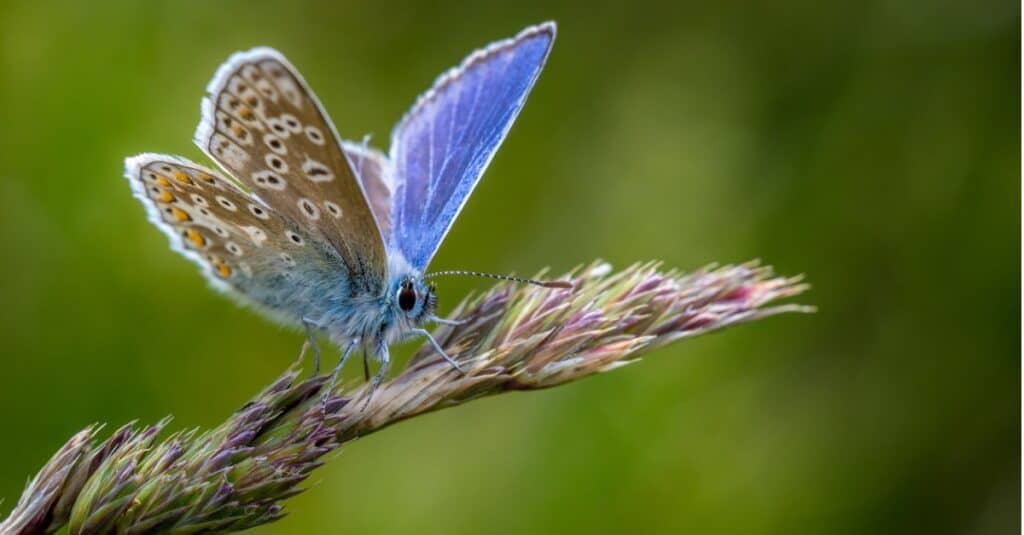
Unless they are migrating, butterflies don’t stray far.
©iStock.com/chris2766
Butterflies have adapted to survive in just about any habitat and ecological niche imaginable, except the most extreme cold. They prefer warm, open glades or woods with just enough vegetation to provide a home and source of food. Many can also be found in rainforests and temperate forests. Other potential habitats include deserts, swamps, wetlands, coastal regions, and higher elevations. Unless migrating, butterflies usually don’t travel far from where they were born.
Butterflies depend on external sources of heat for their survival. Butterfly species living closer to the equator and in the rainforest will tend to remain in the same place for much of the year. These warm-weather species have ways to cope with changing wet and dry seasons, but they do not migrate long distances and mostly remain active year-round.
For butterflies, migration is a less common strategy than overwintering. The process presents enormous difficulties and dangers, so only the species that have specific adaptations make the journey.
Butterflies in Winter
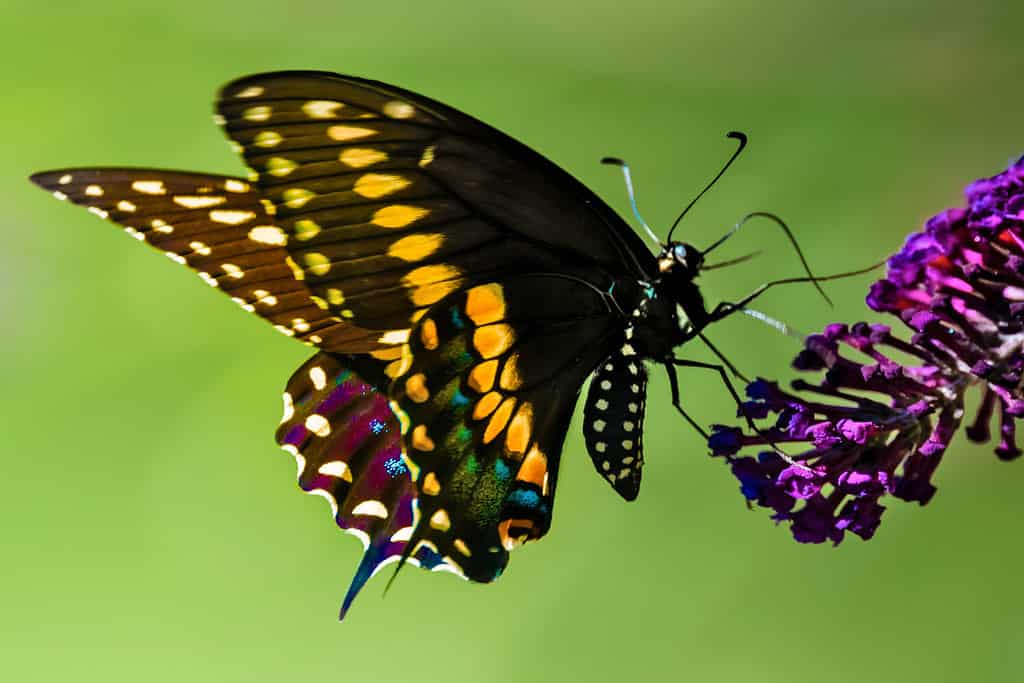
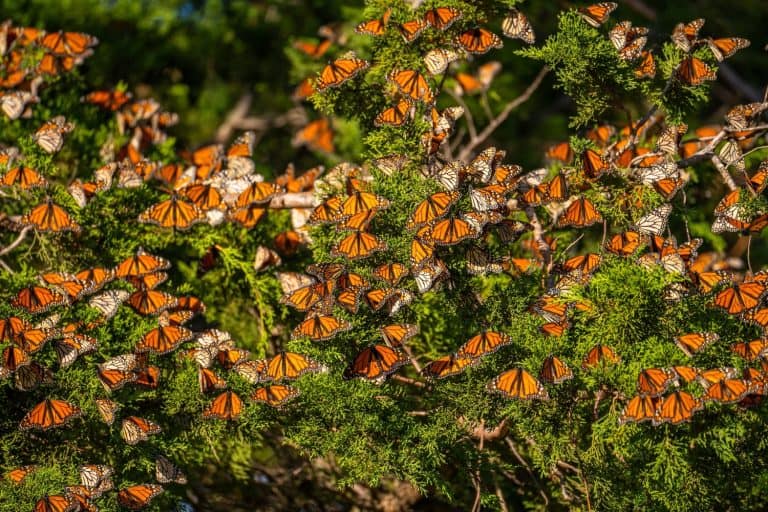
Some butterflies migrate to warmer climates, while others may enter a state of dormancy.
©Jay Gao/Shutterstock.com
Butterflies have difficulty surviving in cold or temperate areas where the temperature drops. When this occurs, butterflies have two options: either they enter a state of prolonged dormancy (not quite the same thing as hibernation), or they travel toward warmer climates to wait out the cold. The first strategy is known as overwintering. Butterflies can overwinter at any stage of their lives: egg, larva, pupa, or adult. The larval stage is the most common time for overwintering, simply because butterflies spend much of their lives in this stage. The pupa is also a common overwintering stage because it can remain dormant and protected inside the silk cocoon, but it is much less common for butterflies to overwinter in the egg or adult stage. Some species can overwinter during multiple stages of their lives, usually combining the larva and pupa stages within a single season.
As daylight begins to shorten in winter, these butterflies will find a safe tree hole, manmade structure, or other crevice in which they can survive the freezing temperatures of the surrounding environment. They then dramatically reduce their activity level to avoid expending unnecessary energy, living off the fat reserves they acquired during summer and autumn. This is similar to a prolonged sleep, though it does not technically meet the definition of hibernation.