
Quick Take
- One of these five species has zero bag limits in Mississippi, and it's probably not the one you'd guess. See the no-limit rule →
- Mississippi's summer heat actively changes when fish are hiding, so casting at the wrong hour means you'll miss them completely. Check depth behavior by season →
- One fish on this list tastes its surroundings through its skin, and that bizarre trait is exactly what makes it so catchable. Explore catfish sensory traits →
- Red drum come with a once-a-year rule that catches most anglers off guard, and knowing it before you fish could save you a serious fine. See the once-a-year regulation →
Mississippi summers provide opportunities to fish expansive reservoirs, cool river systems, and coastal saltwater flats. Anglers can cast a line for spotted seatrout and red drum in the Gulf coastal marshes, while inland lakes and rivers provide prime action for largemouth bass, catfish, and bluegill during early morning and late evening hours. Continue reading to discover more about the fish to catch in Mississippi this summer.
Spotted Seatrout
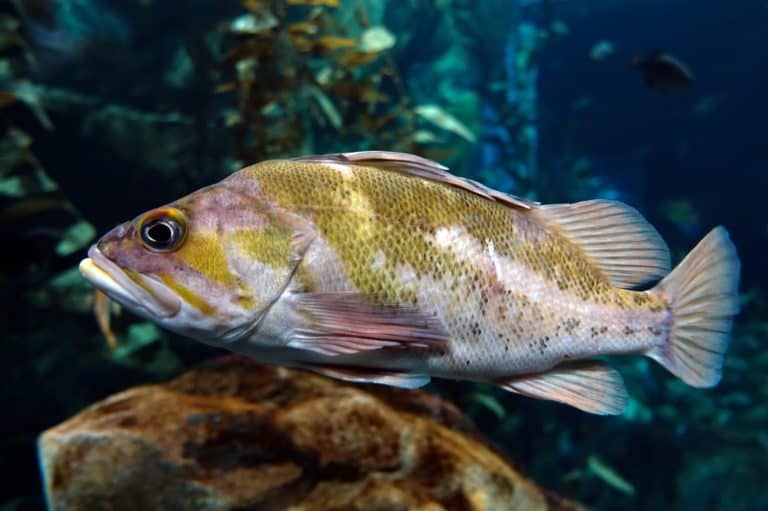
Spotted seatrout (Cynoscion nebulosus), commonly called speckled trout in Mississippi, are sleek, silver-gray fish marked with distinct black spots on their backs and tails. They average 14 to 20 inches in length and weigh between one and three pounds. Early morning anglers can find speckled trout in shallow grass flats or near barrier islands in coastal areas along the Gulf of Mexico. These fish move to deeper channels, marshes, and structured reefs in the Gulf as the water heats up in the middle of the day.
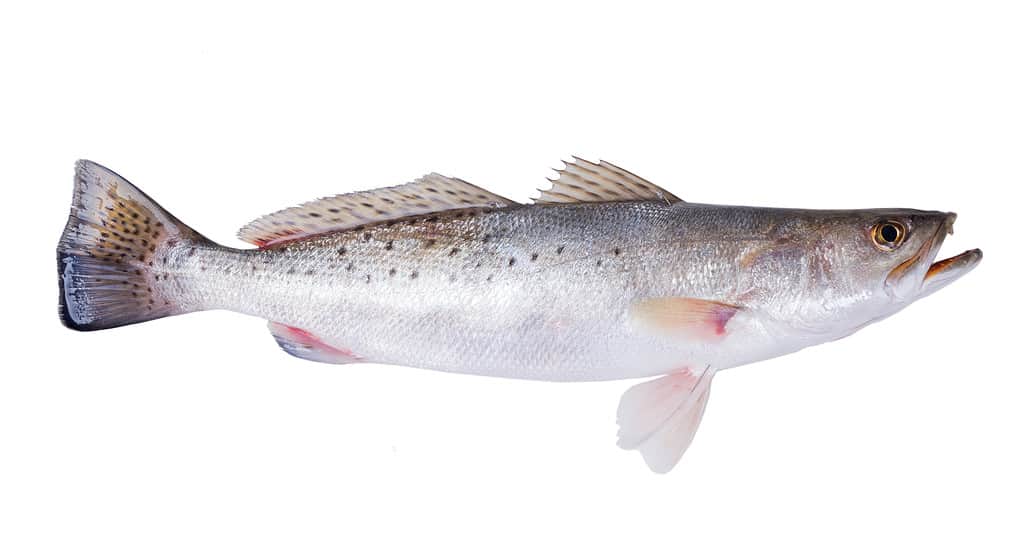
Spotted seatrout have highly visible, fang-like canine teeth.
©IrinaK/Shutterstock.com
Anglers fishing for spotted seatrout in Mississippi are restricted to a minimum length of 15 inches and a daily limit of 15 fish per person.
Red Drum
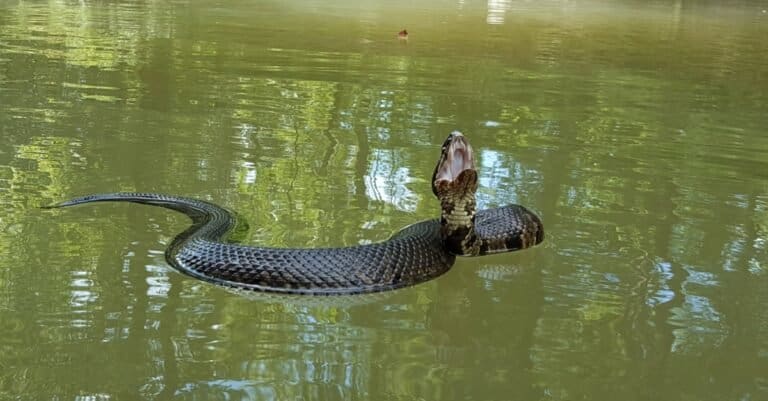
Mississippi anglers can cast a line for red drum (Sciaenops ocellatus), also called redfish, along Mississippi’s Gulf Coast. These marine sport fish average 18 to 30 inches in length and weigh from 3 to 10 pounds, although some large males exceed 30 inches and 20 pounds. They have copper-red backs, white bellies, and a distinct black tail spot. Red drum congregate in shallow marshes, grass flats, and near structures during the early morning, before moving to deeper, cooler water as the day progresses.
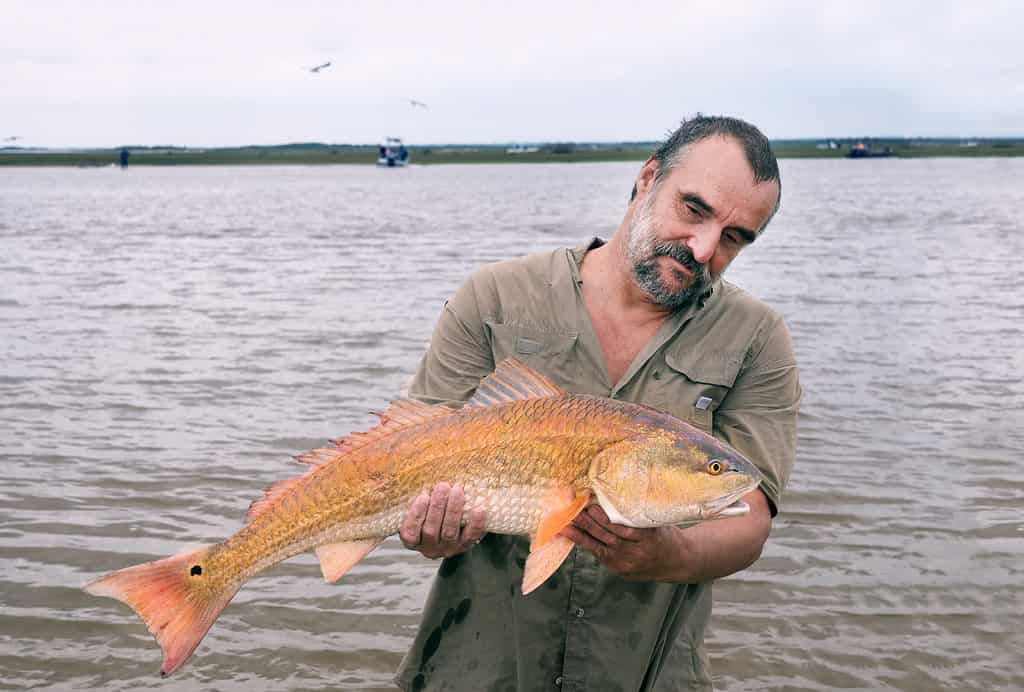
Red drums are carnivores who feed on crustaceans and small fish.
©IrinaK/Shutterstock.com
The recreational bag limit for red drum (redfish) is 3 fish per person per day, with a slot size limit of 18 to 30 inches total length. Recreational anglers are also allowed to retain only 1 oversized red drum, those exceeding 30 inches, per calendar year.
Largemouth Bass
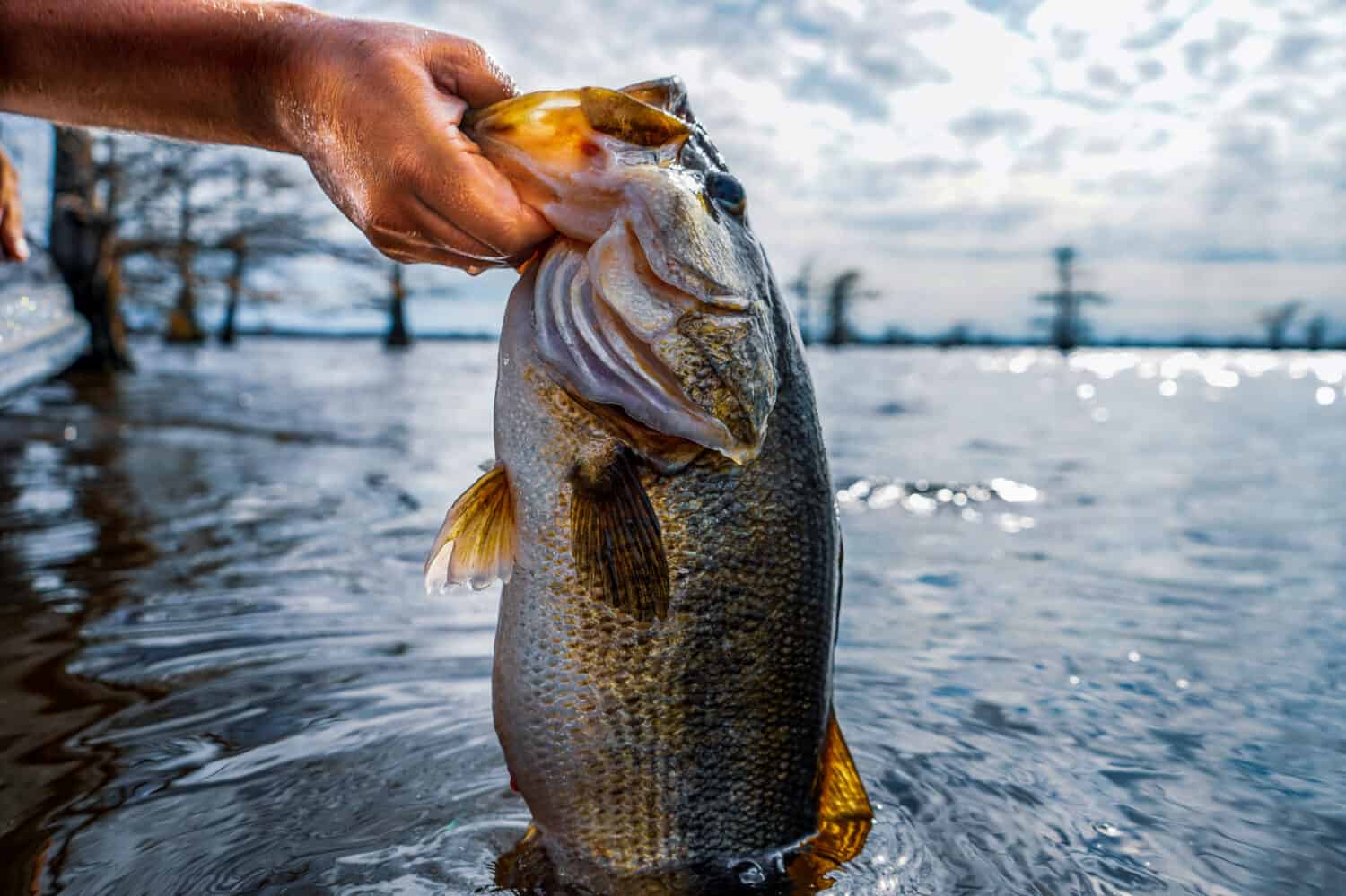
Largemouth bass (Micropterus salmoides) are olive-green gamefish with a jagged black horizontal stripe along the side that extends past the eye. The average largemouth bass is between 12 and 20 inches long and weighs 1 to 5 pounds. Largemouth bass are found in both reservoirs and rivers throughout Mississippi.
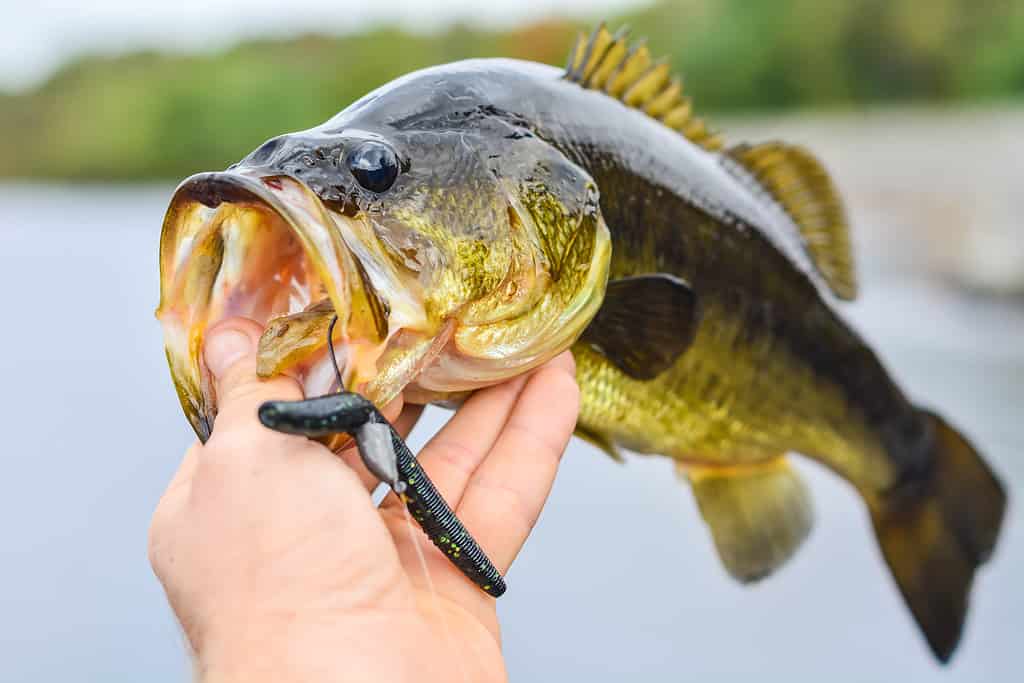
Largemouth Bass can grow over 18 inches long in three years
©michal dziekonski/iStock / Getty Images Plus via Getty Images
Their depth varies based on water temperature, season, time of day, and food availability. While they retreat to deep water or heavy cover to escape intense summer heat or cold winter temperatures, they frequently move into shallow water to feed, especially during early morning, late evening, and the spring spawning season.
The general statewide daily bag limit for black bass (largemouth, smallmouth, and spotted combined) is 10 fish per day across most public waters in Mississippi. However, anglers should check for specifics, as some exceptions apply.
Channel Catfish
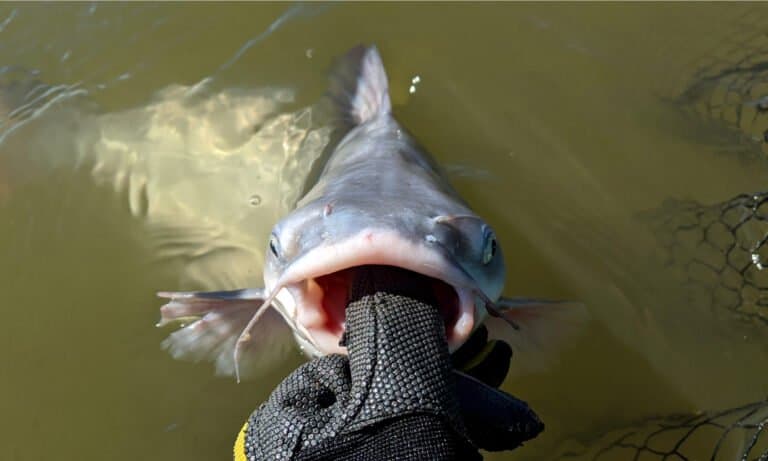
Channel catfish (Ictalurus punctatus) are slender, scaleless olive-brown to slate-blue fish with a white belly and a forked tail. An average channel catfish is 12 to 24 inches long and weighs between 2 and 5 pounds. Channel catfish are widespread and abundant across major rivers, oxbow lakes, reservoirs, and state park ponds throughout Mississippi. In most public waters and state rivers in Mississippi, there are no daily bag limits or minimum size restrictions pertaining to channel catfish.
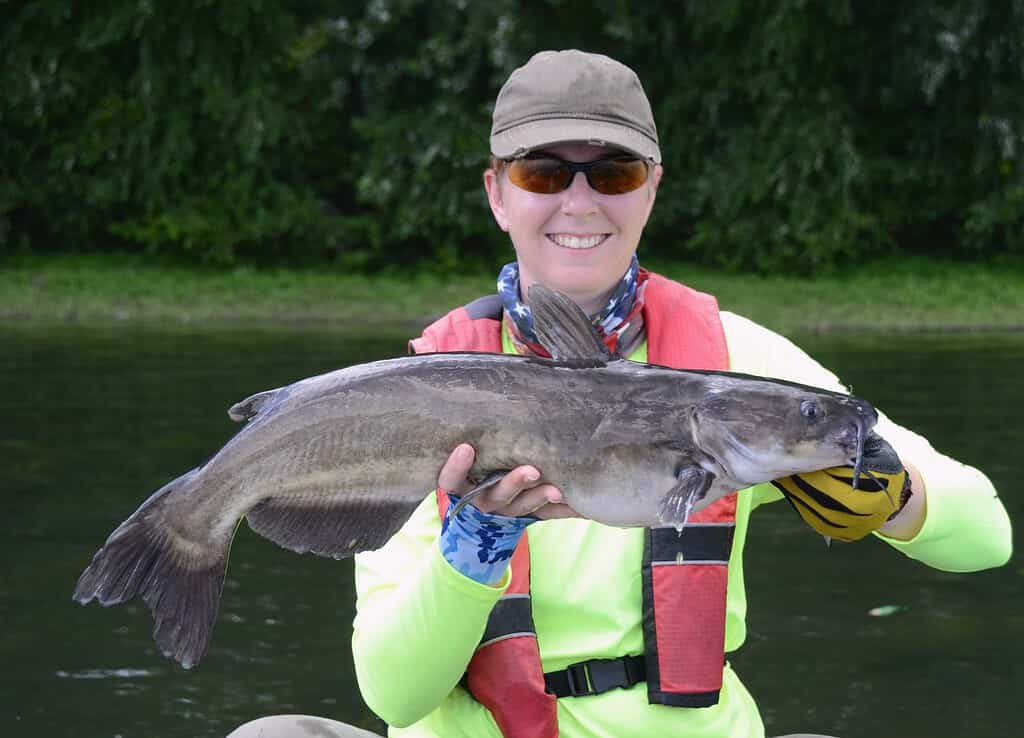
Channel catfish have taste buds spread across their smooth, scaleless skin, which allow them to taste the water for nearby food.
©M Huston/Shutterstock.com
Bluegill
Bluegill (Lepomis macrochirus) is an olive-green panfish species with a distinct dark earflap. An average bluegill is 6 to 9 inches long and weighs approximately one-half pound. During Mississippi’s warm summers, they are found near shallow weed beds, dock pilings, and submerged timber in state lakes, farm ponds, and backwater rivers. The statewide daily bag limit for bluegill, combined with all other bream/sunfish species, is 100 fish per day, with no minimum size limit for bluegill.
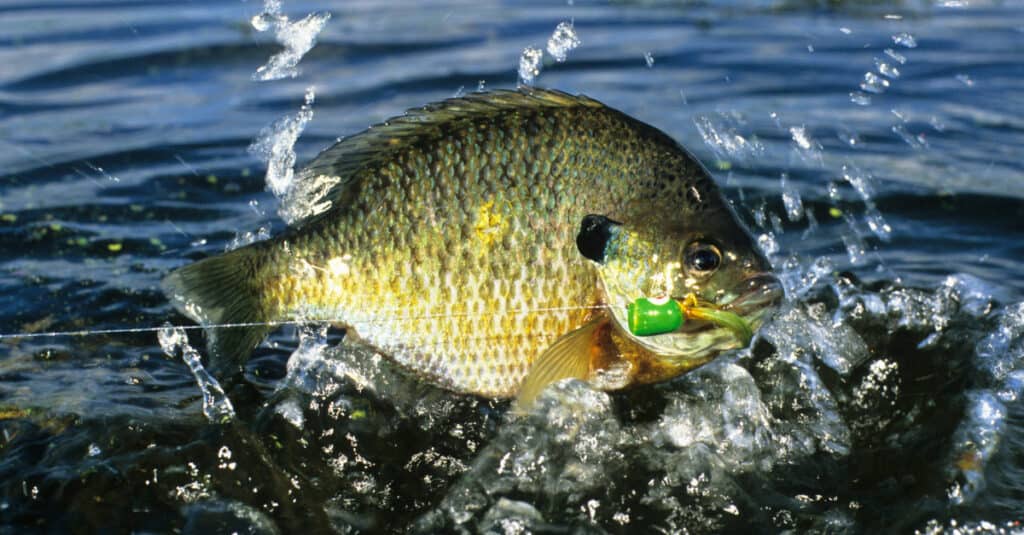
The largest bluegill recorded in Mississippi weighed three pounds and seven ounces. The fish was caught in 1995 by angler Gerald E. Thurmond.
©iStock.com/stammphoto