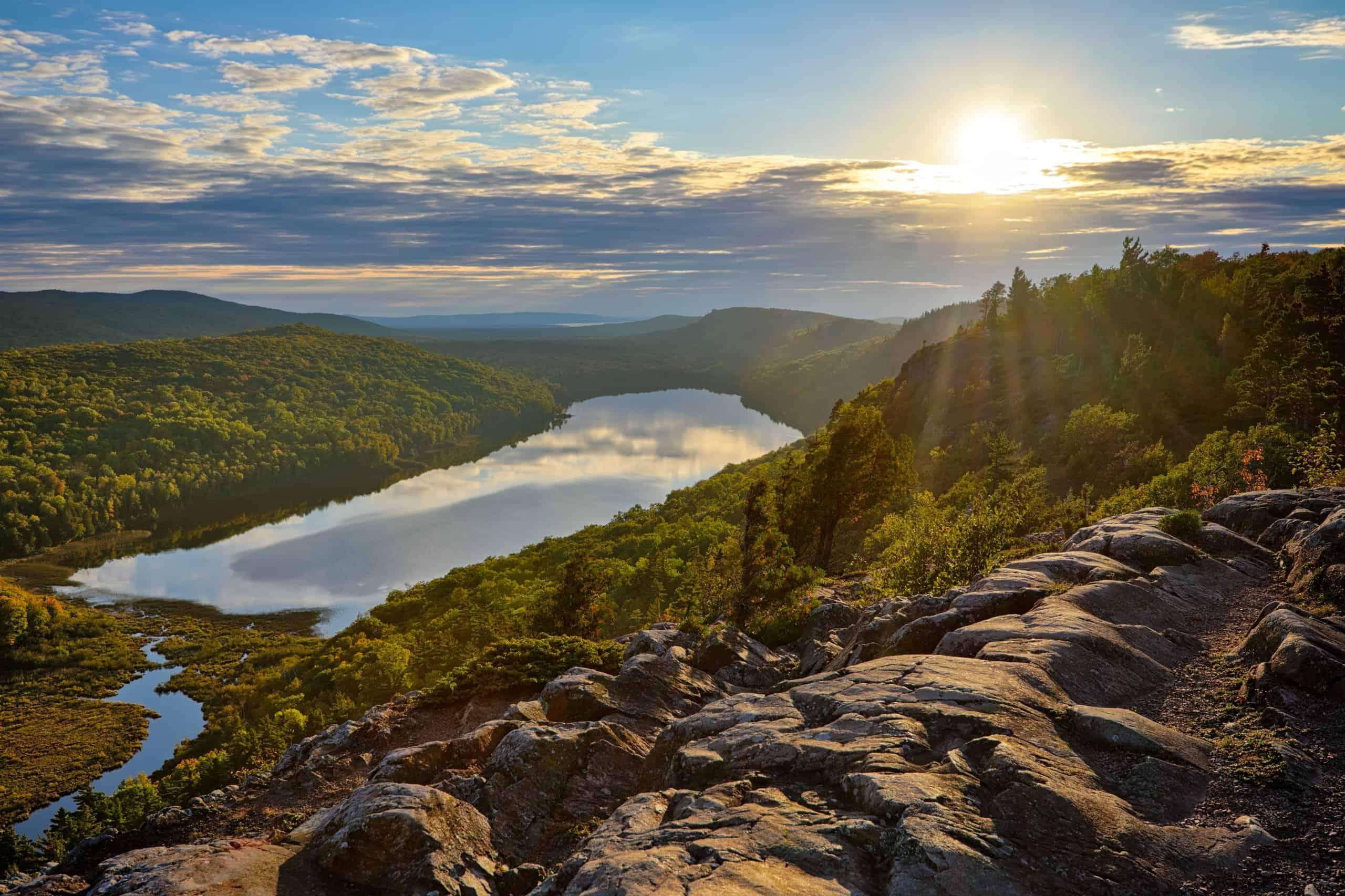

Porcupine Mountains Wilderness State Park rests along Lake Superior in Michigan, protecting nearly 60,000 acres where wildlife thrives. Visitors come to this lesser-known state park for many reasons, including the Lake of the Clouds overlook, the Escarpment and Summit Peak tower, and miles of backcountry on the Big Carp and Little Carp River Trails.
Annual visitation varies, with fall colors bringing the crowds, but wildlife watching is rewarding in every season. Where are your best spots for wildlife viewing in Porcupine Mountains Wilderness State Park, and what are the types of animals you’re most likely to see? Let’s take a hike through this breathtaking park and discover the wildlife that consistently calls it home.
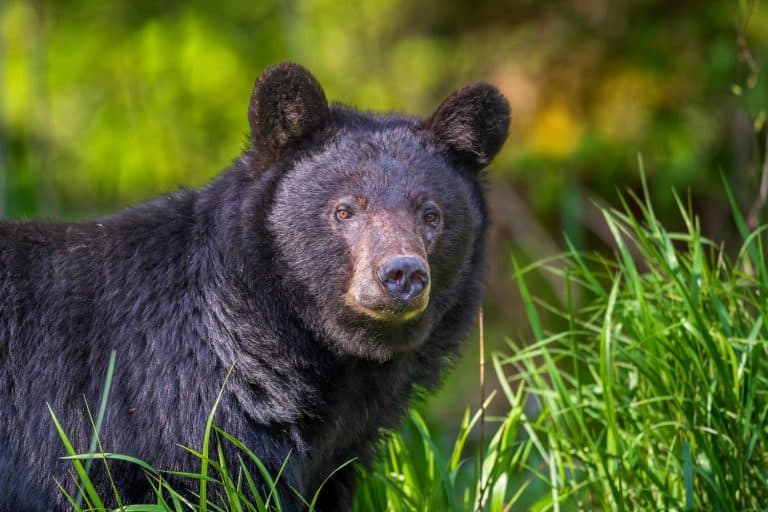
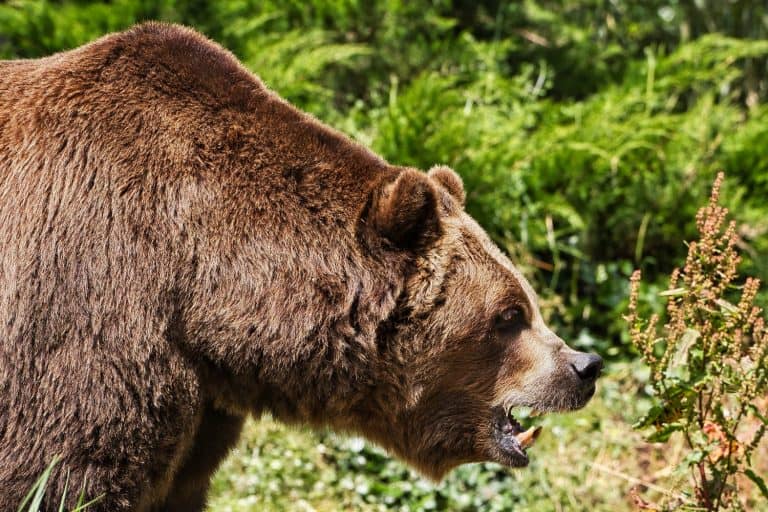
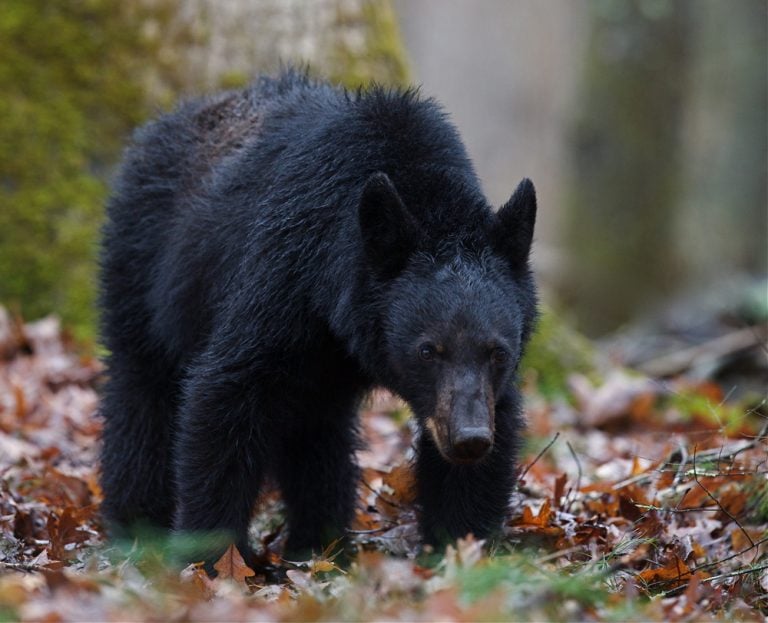
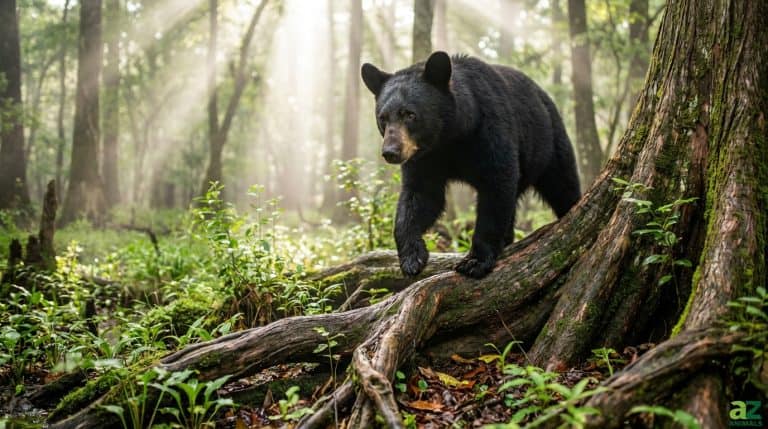
Black Bear

If you’re camping in this park, make sure your food is locked up from black bears.
©Pierre Leclerc/Shutterstock.com
- Statewide population: 10,200
There’s a stable slice of the regional bear population in this park, with animals moving between the big woods around Summit Peak and the berry-rich basins of the Little Carp and Big Carp drainages. Tracks and overturned logs are common along Government Peak and Correction Line Trails after summer rains, making it fun to think about these bears passing through.
Patient hikers can catch bears crossing the Escarpment and near backcountry camps. Store food in bear-resistant containers at Union Bay Campground and keep a clean camp to avoid unwanted visitors, as this is one animal you may not want to encounter on your trip.
Moose
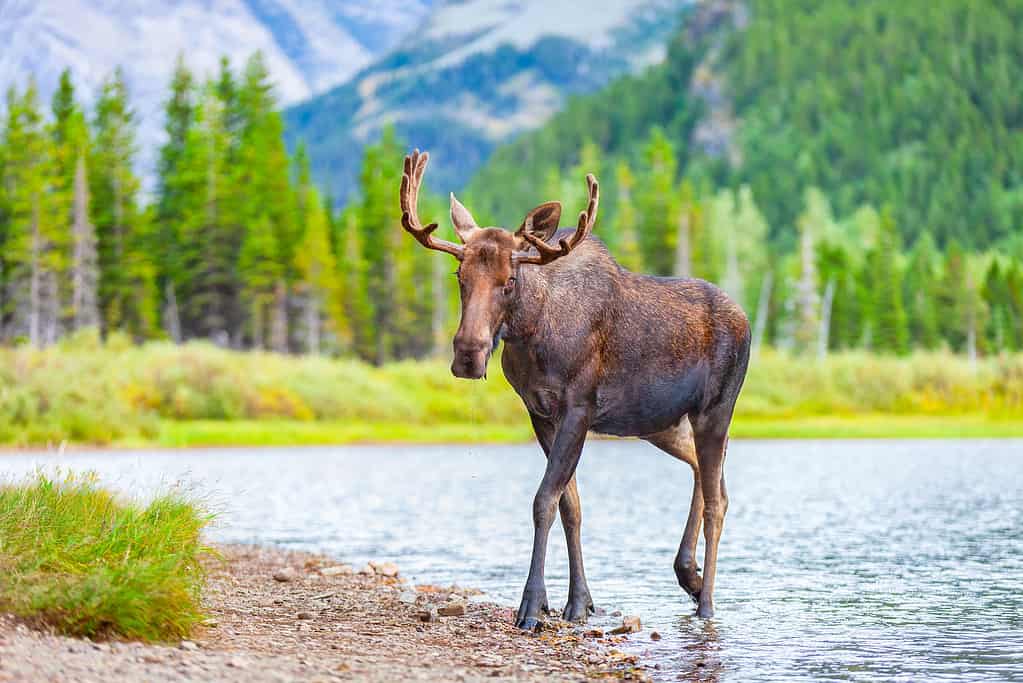
Moose are one of the most dangerous animals you may encounter in Porcupine Mountains Wilderness State Park.
©paulacobleigh/iStock via Getty Images
- Statewide population: 430
Fresh browse lines, tracks, and moose droppings turn up around Mirror Lake’s marshy edges and in alder swales below Lake of the Clouds. Sightings of these giants are uncommon yet memorable, especially when a bull steps from the Big Carp River corridor on a cool summer morning.
The quietest, best windows for sighting come at first or last light on weekdays away from busy roads. Give these large animals space and a clear escape route if you meet one on trail. They are not friendly or safe.
Gray Wolf
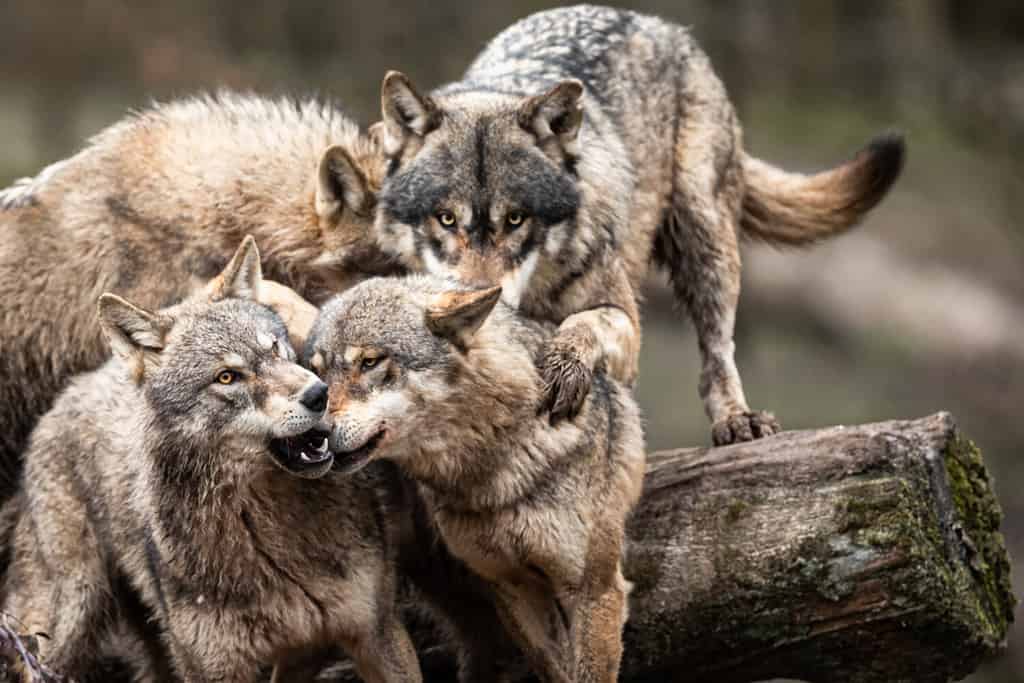
You’re not likely to see an elusive wolf, but consider it lucky if you do.
©AB Photographie/Shutterstock.com
- Population: part of the Upper Peninsula’s estimated 600-700 wolves
Wolves range across the surrounding Michigan county forests and occasionally traverse the park’s interior. Most visitors experience them indirectly through howls heard throughout the Big Carp. Prints can also be seen on snowy stretches of South Boundary Road.
Actual glimpses of wolves are rare, and you will more often notice deer on edge when wolves are nearby. Keep dogs leashed and respect closures during denning season, as wolf populations are highly monitored and regulated.
White-Tailed Deer
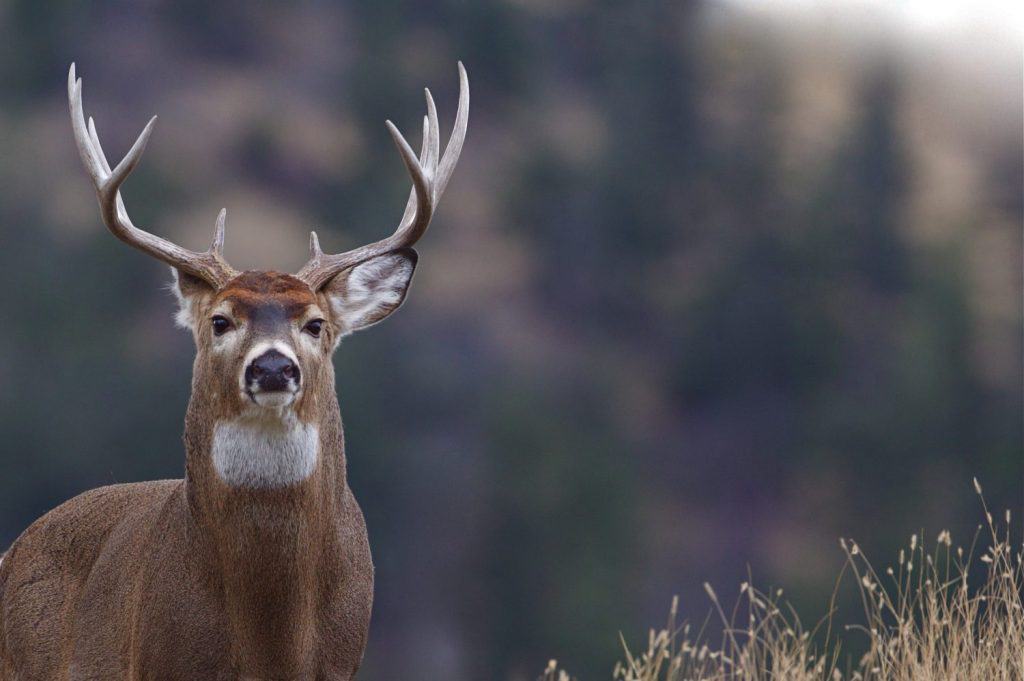
There are plenty of deer in this Michigan state park.
©Tom Reichner/Shutterstock.com
- Population: abundant in the park; Michigan’s statewide population is estimated at 1.7 million
Deer are the mammals you will spot most often in any state park, lingering near trailheads, the Escarpment pullouts, and grassy meadows off South Boundary Road. River bottoms provide reliable travel corridors and bedding cover for deer, as they are often hunted in the park by predators. Drive carefully to the Presque Isle area at dawn and dusk when roadside movement peaks.
Red Fox
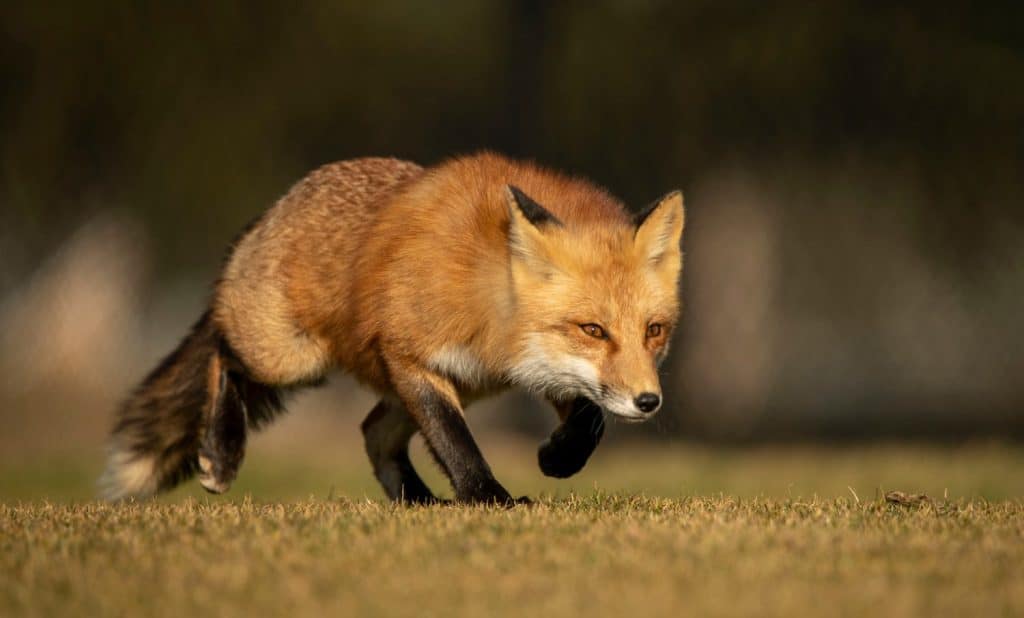
Foxes are more likely to be heard than seen in this park.
©Jackie Connelly-Fornuff/Shutterstock.com
- Population: Residents in the park; Michigan’s statewide population is estimated at 100,000
Foxes patrol campground margins at sunrise and hunt in hiding along Union Bay in low light. Fresh prints appear everywhere, though most views are fleeting, so be sure to keep your eyes peeled. Early risers sometimes catch longer looks along the Mirror Lake boardwalks.
North American River Otter
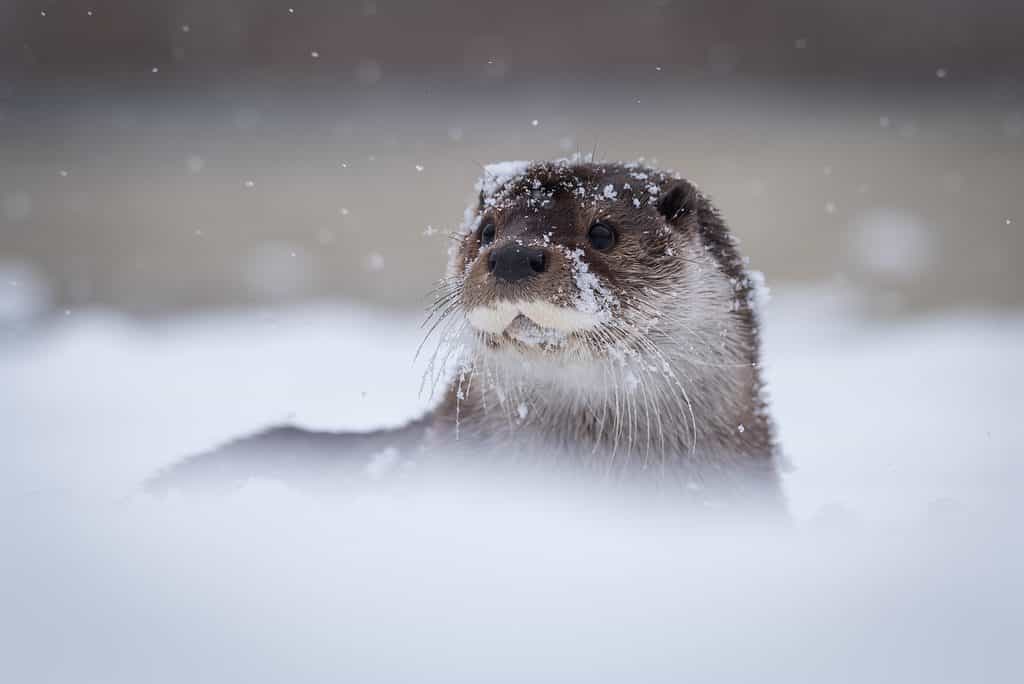
Many animals grow thick winter coats and an extra layer of fat to survive the cold of Michigan, including river otters.
©Tatyana Step/Shutterstock.com
- Statewide population: 15,000
Otters frequent deep pools and rock shelves below Manabezho, Manido, and Nawadaha Falls on the Presque Isle River. Family groups spend most of their time along the Big Carp and Little Carp when fish move upstream. Calm mornings make it easy to pick out otters against the dark water, but expect a few resident families spread across major waterways rather than dense clusters of these cuties.
Beaver
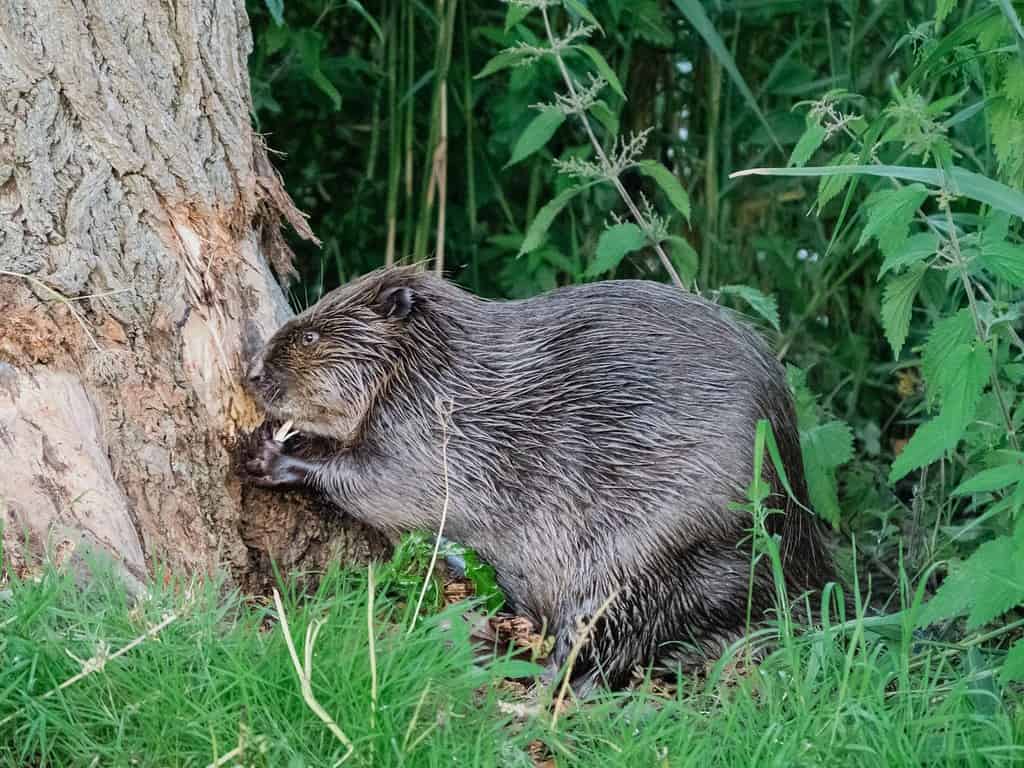
Beaver dams are a fun sight in Porcupine Mountains Wilderness State Park.
©Dolfilms/Shutterstock.com
- Statewide population: 100,000
Dams, lodges, and freshly peeled trees are easy to find along the Little Carp River and the Mirror Lake inlet. Water levels and food supply dictate how many beaver colonies operate in a given season, with new ponds appearing in side valleys off South Boundary Road often.
Stake out at twilight and you will hear beaver tail slaps echo across the ponds and campgrounds if it isn’t too busy. Even if you do not see the animals, their engineering shapes miles of trail and wetland in this park, making them a vital presence.
Porcupine
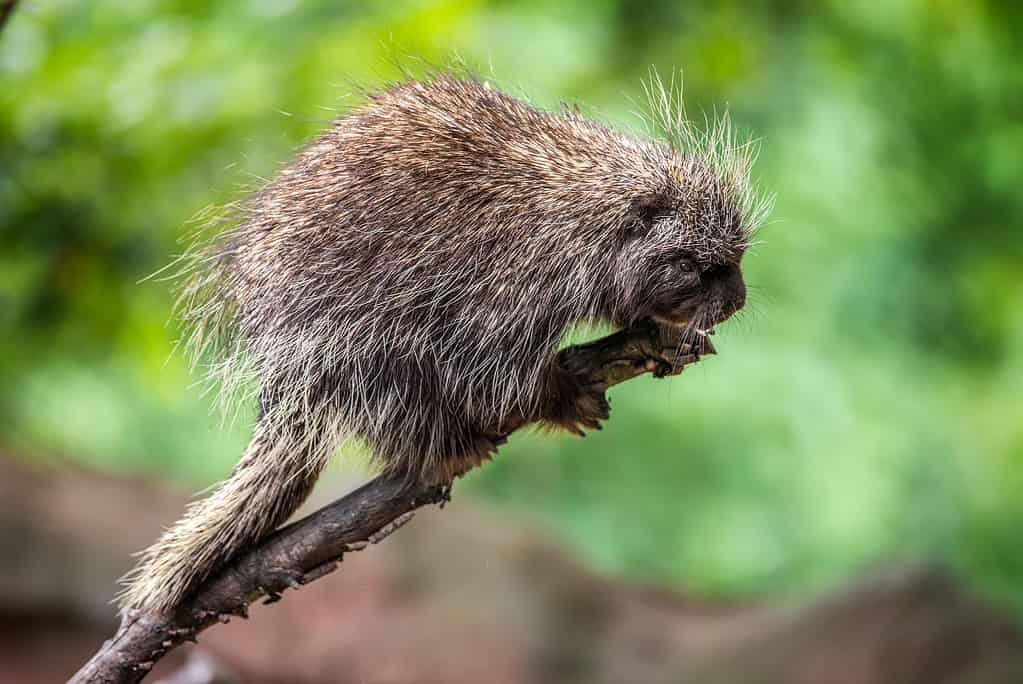
This state park’s namesake can be seen frequently, especially when they’re napping.
©miroslav_1/iStock via Getty Images
- Statewide population: 50,000
Look up while you hike in this Michigan park to find a dozing porcupine in the tree branches along the Escarpment or ambling on the Lake Superior boardwalk after dark. Sightings of these unique creatures are frequent, including quills, nibbled bark, and their tracks in the snow. Just keep dogs leashed, because porcupines will always hide to avoid conflict.
Snowshoe Hare
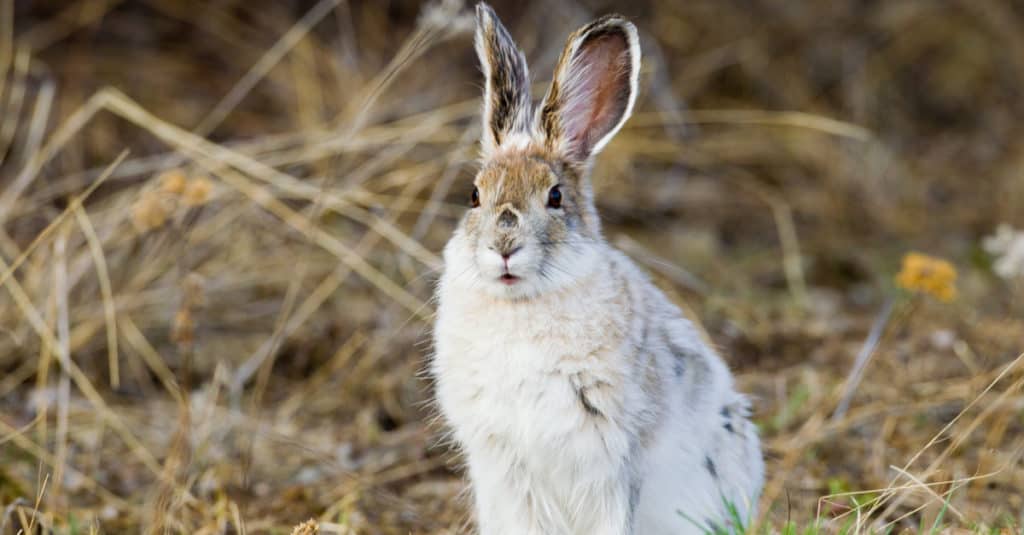
Snowshoe Hares are expert at changing direction while running at top speed, which may make sightings difficult.
©Jukka Jantunen/Shutterstock.com
- Statewide population: 200,000
Dense understory along the Little Carp River, Presque Isle, and off South Boundary Road shelters these adorable park locals. Some seasons see higher population averages than others, so check with park staff as to how the year has gone. Expect brief twilight glimpses of snowshoe hares more than midday views, as they tend to hide for their own safety.
Bald Eagle
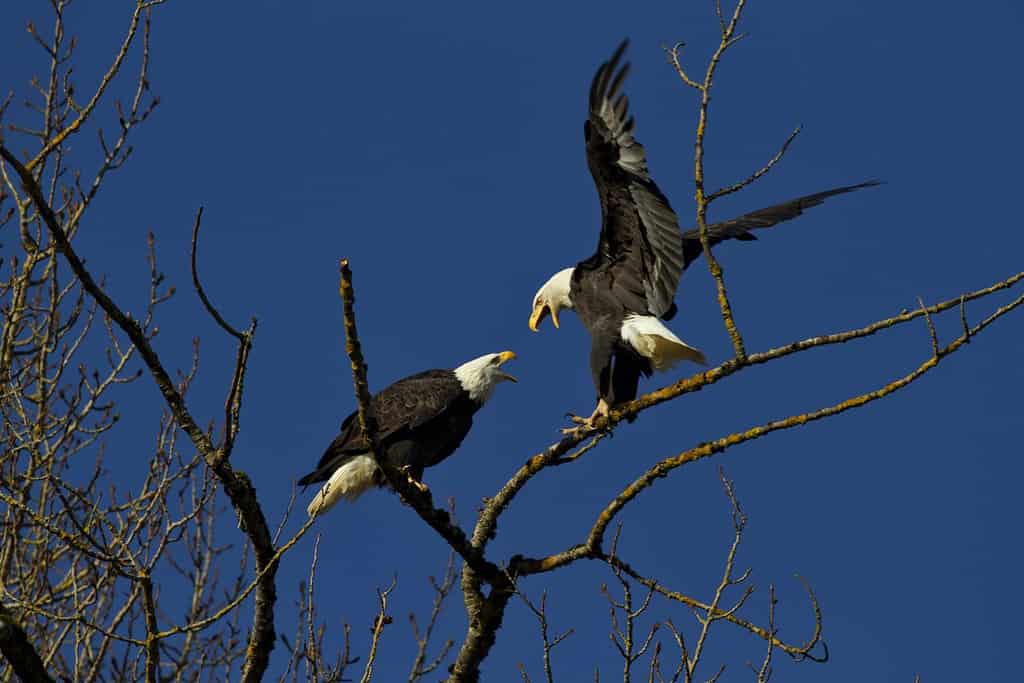
The nation’s bird can be seen at Porcupine Mountains Wilderness State Park.
©Florence-Joseph McGinn/Shutterstock.com
- Population: several nesting pairs in the park; Michigan’s statewide population is estimated at 1,800
Thermals over the Escarpment and updrafts along the Lake of the Clouds cliffs carry bald eagles frequently. The Lake Superior coast and larger inland waters may also be ideal for spotting these birds as they hunt for fish. Winter concentrates the bald eagle population wherever open water is, and the Presque Isle mouth may have the most dramatic sightings and photography ops.
Common Loon
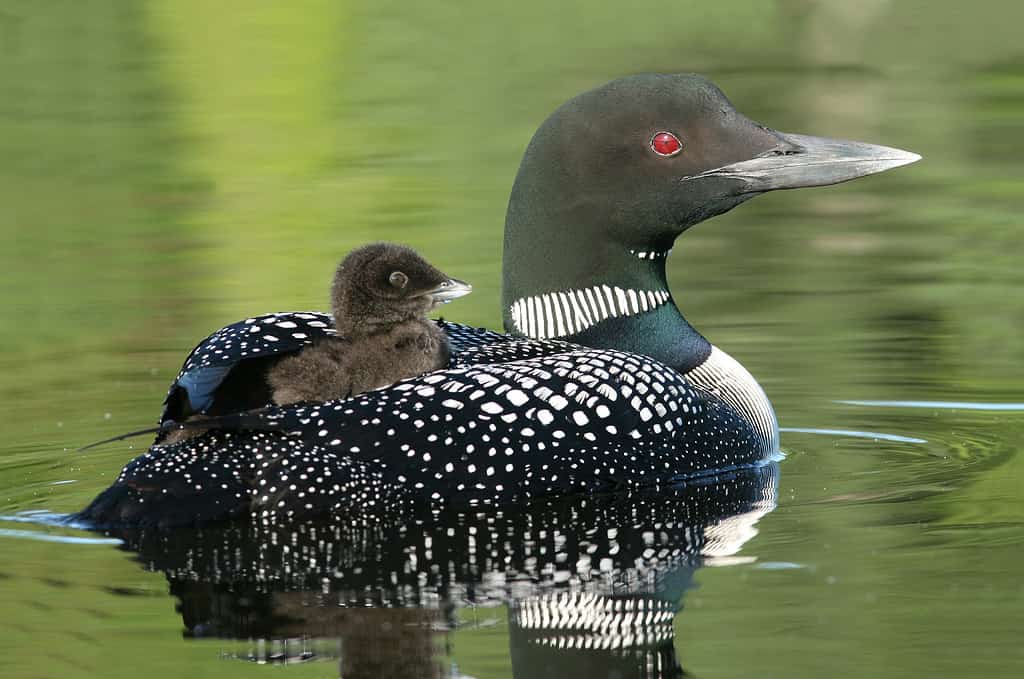
These birds make any birdwatching day in this Michigan park ideal.
©BRIAN LASENBY/iStock via Getty Images
- Population: present in the park during summer; Michigan’s statewide population is estimated at 1,200
Mirror Lake and beaver ponds host flocks of loons from late spring through summer, and their calls carry across trails. Nesting and overall loon population success depend on stable water levels and minimal shoreline disturbance, so give these zones a wide berth in June and July. On busy weekends, you will hear them more often than you will see them, as they’re shyer than expected.
Pileated Woodpecker
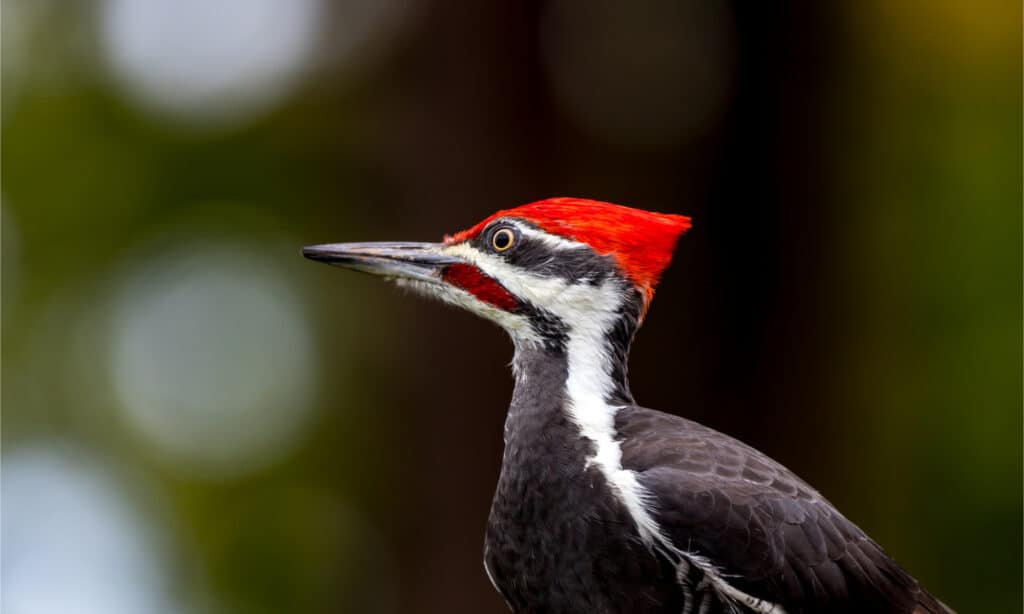
Woodpeckers are striking birds to spot in this state park.
©rhfletcher/Shutterstock.com
- Statewide population: 100,000
These crow-sized carpenters keep hiking trails noisy in the mornings, but it’s always worth it. The Government Peak approach and the Overlooked Falls path are some of your best bets for birdwatching. Resident woodpeckers hold their territories year-round, so a calm morning almost guarantees a sighting or two. No matter what, you’ll hear them!
Barred Owl
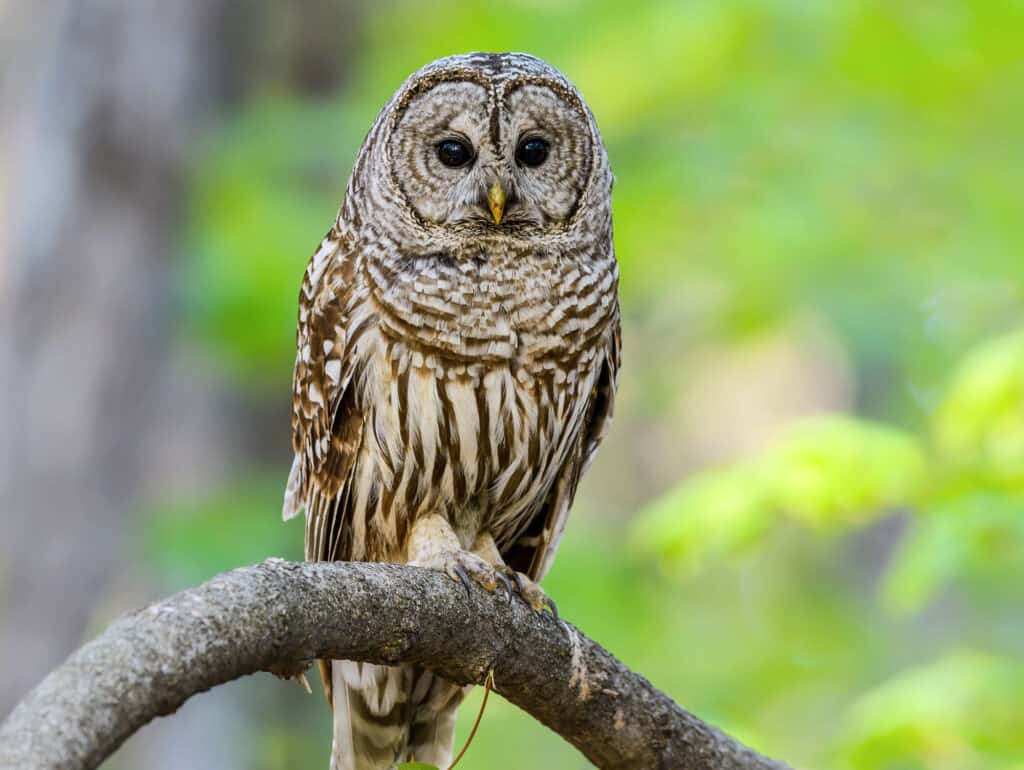
Barred owls prefer Michigan’s dense and moist forests over many other climates.
©FotoRequest/Shutterstock.com
- Population: present in the park; Michigan’s statewide population is estimated at 30,000
Evening hikers on the Big Carp and Little Carp loops often hear this classic nocturnal bird. This species thrives in Porcupine Mountains Wilderness State Park because of its dense forests and cold-season prey populations, making it ideal for owl activity. For a glimpse, listen to the Presque Isle suspension bridge after dark and scan the edges of the forest with a red-filtered light. You may not see them, but their calls are beautiful all on their own.
Red Squirrel
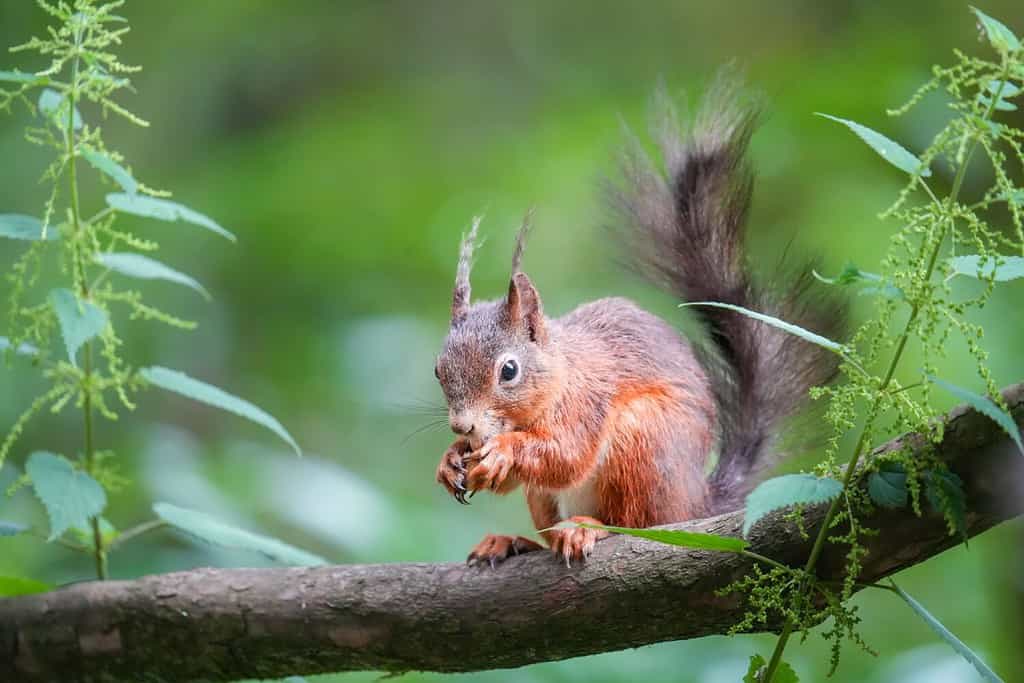
Squirrels are easily spotted in this state park.
©Wirestock Creators/Shutterstock.com
- Population: abundant in the park; Michigan’s statewide population is estimated at 500,000
Summit Peak Road and Lake Superior are ideal for squirrel sightings, though you’re bound to see them just about everywhere in this state park. Cone crops drive the population of red squirrels in this region, but the numbers are consistent year-round. Curious squirrels are among the most reliable daytime wildlife encounters for families, though just make sure to avoid feeding them.