
Quick Take
- The Dracula ant's bite is so fast it's invisible to cameras running at normal speeds, which meant researchers had to do something extreme just to see it. See the camera setup →
- Every other fast-biting insect relies on multiple biological mechanisms, but the Dracula ant pulls it off with just one, and the way it works defies expectations. Explore the single mechanism →
- The Dracula ant's name has nothing to do with its record-breaking bite. The real reason is far more unsettling. Discover the real reason →
- Scientists still can't agree on what this bite is actually for, and the leading theories are stranger than you'd expect. See what science suspects →
You’ve probably never seen a Dracula ant, as these elusive insects spend their days tunneling through the leaf litter and soil of tropical forests in Africa, Australia, and Southeast Asia — rarely surfacing. But these ants are known for more than just their reclusive ways; they also have an incredibly fast bite.
The bite of Mystrium camillae happens so fast that it’s essentially invisible to the naked eye. In fact, it holds the record for the fastest known animal appendage movement, and here’s how it happens.
The Record-Breaking Bite of the Dracula Ant
In 2018, researchers at the University of Illinois published a study in Royal Society Open Science that changed what scientists thought they knew about the speed of insect bites. Using cameras capable of recording at up to 480,000 frames per second, they captured the mandible strike of M. camillae in detail for the first time.
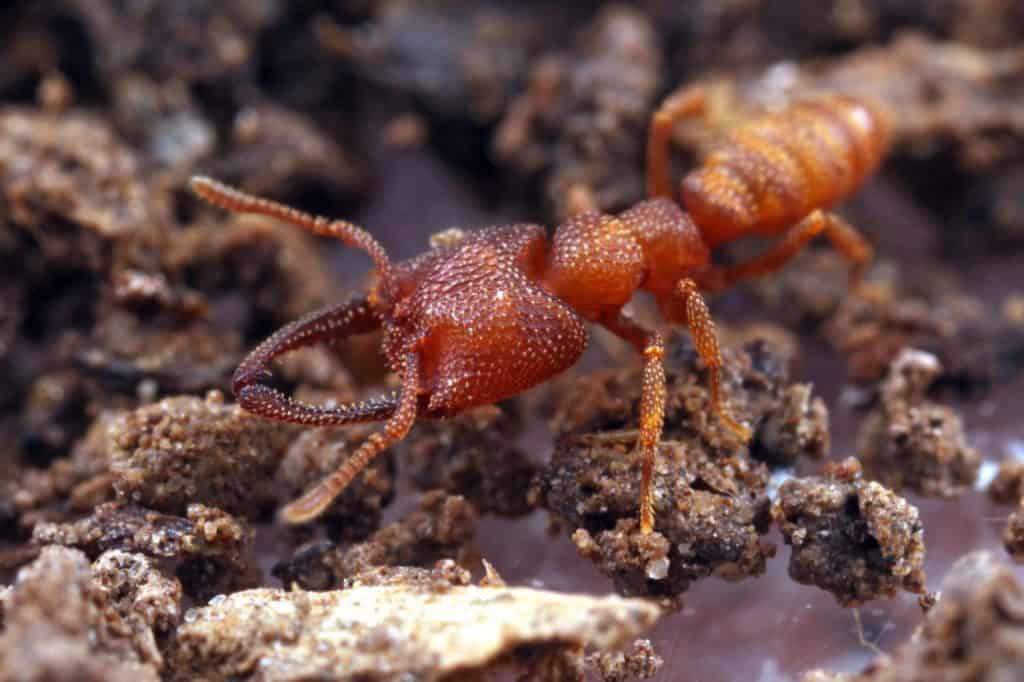
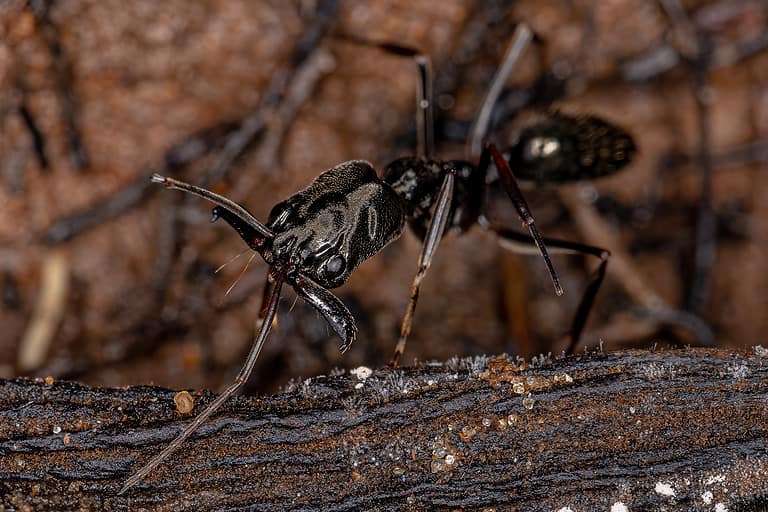
The Dracula ant has a bite that can happen in just over 20 microseconds.
©https://www.flickr.com/photos/steve_shattuck/5042349151/ – Original / License
The ant’s jaws accelerated from zero to over 200 miles per hour in approximately 0.000015 seconds, completing the entire bite in as little as 23 microseconds, roughly 5,000 times faster than a human can blink. In the incredible footage, prey insects caught in the bite are launched out of view by a force too fast for us to register.
How Does the Dracula Ant Bite So Fast?
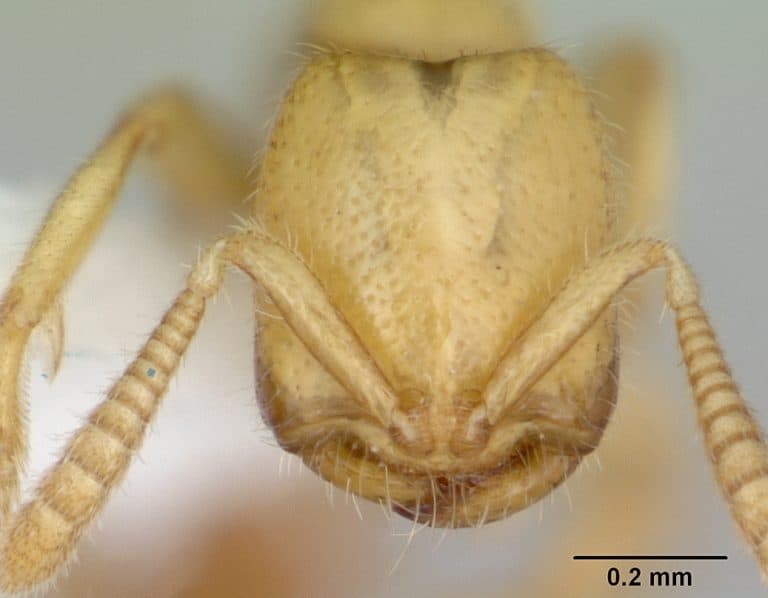
The Dracula ant’s bite is impressive for a number of reasons, not simply its speed. Its unique bite is due to a single, highly unusual mechanism. The ant presses its mandibles together until one jaw bends and loads with tension, like a compressed spring. When enough energy accumulates within, one mandible slides past the other in a movement similar to a snap of the fingers, only about 1,000 times faster.
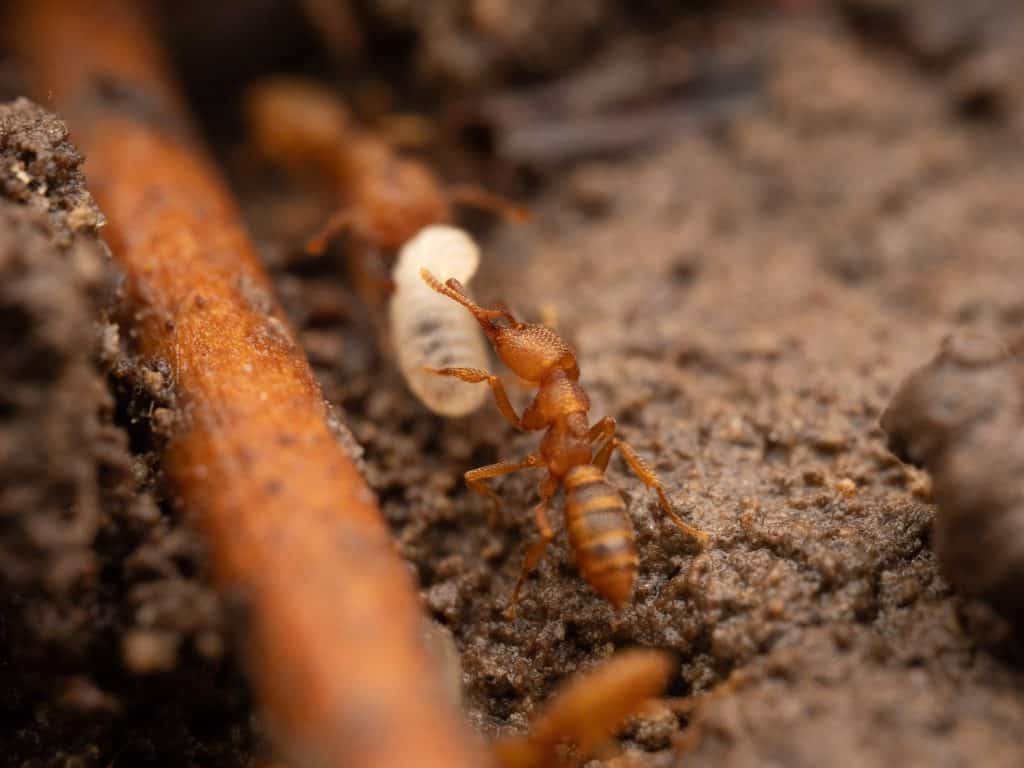
Most insects produce powerful bites using multiple biological mechanisms; the Dracula ant only uses one.
©https://commons.wikimedia.org/wiki/File:Mystrium_camillae_459073980.jpg – Original / License
As the study’s lead author, Andrew Suarez, explained: “Even among ants that power-amplify their jaws, the Dracula ants are unique: Instead of using three different parts for the spring, latch and lever arm, all three are combined in the mandible.”
Impact force is another key player in the Dracula ant’s bite, as it is also extremely powerful. The effective maneuver is likely used defensively, as a warning or stunning mechanism. However, researchers haven’t yet definitively settled on whether the primary function of this bite is offense, defense, or both, which makes M. camillae an ongoing subject of study.
The Origin Behind the Vampiric Name
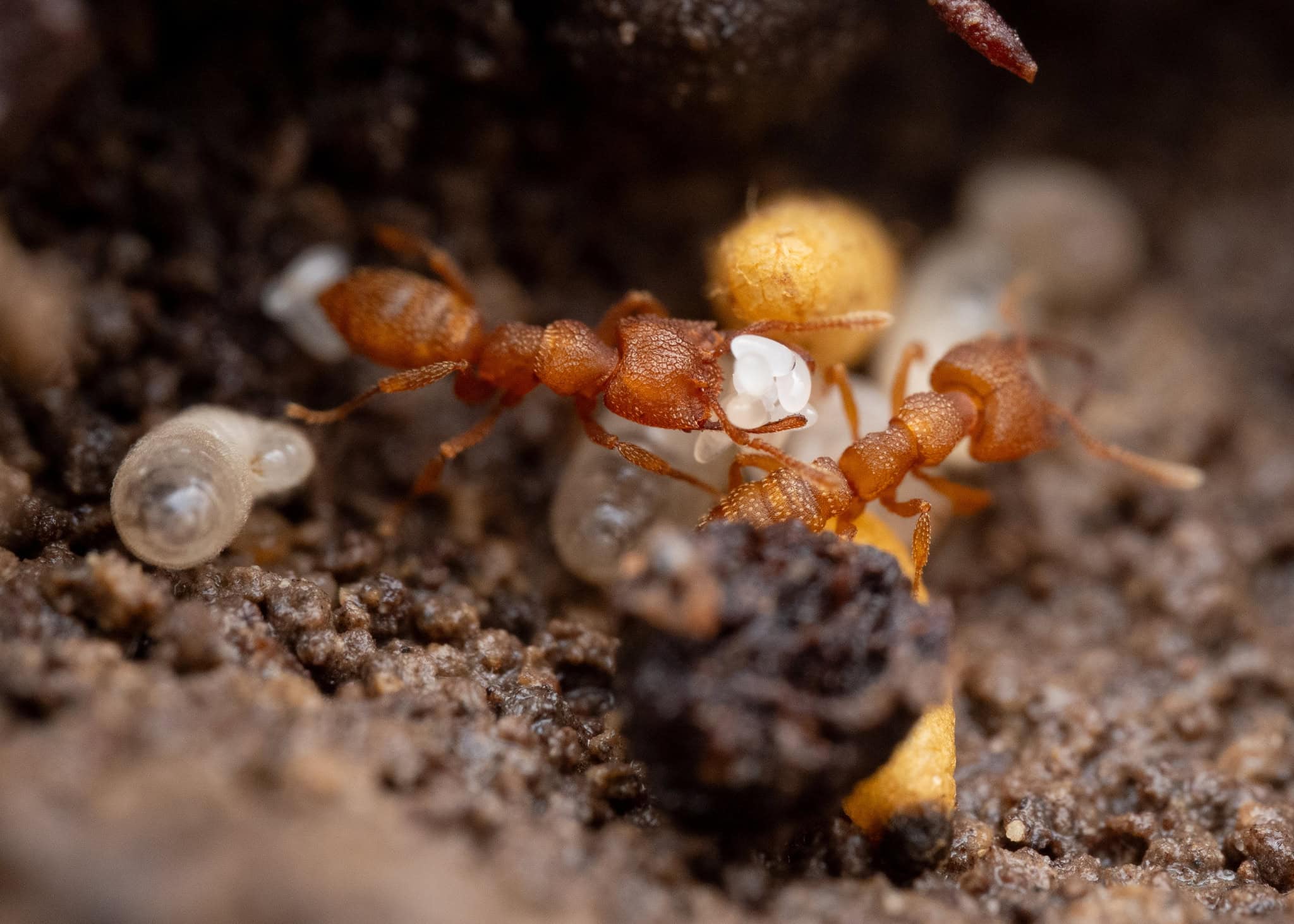
Despite this ant’s swift, powerful, and unusual bite, the species is named for something else entirely: adult ants in this subfamily, particularly the queens, nourish themselves by piercing their own larvae and drinking the hemolymph, which is the blood equivalent of insects. The larvae typically survive the process (as did Dracula’s victims in the 1897 classic), which is why scientists call this behavior “non-destructive cannibalism.”
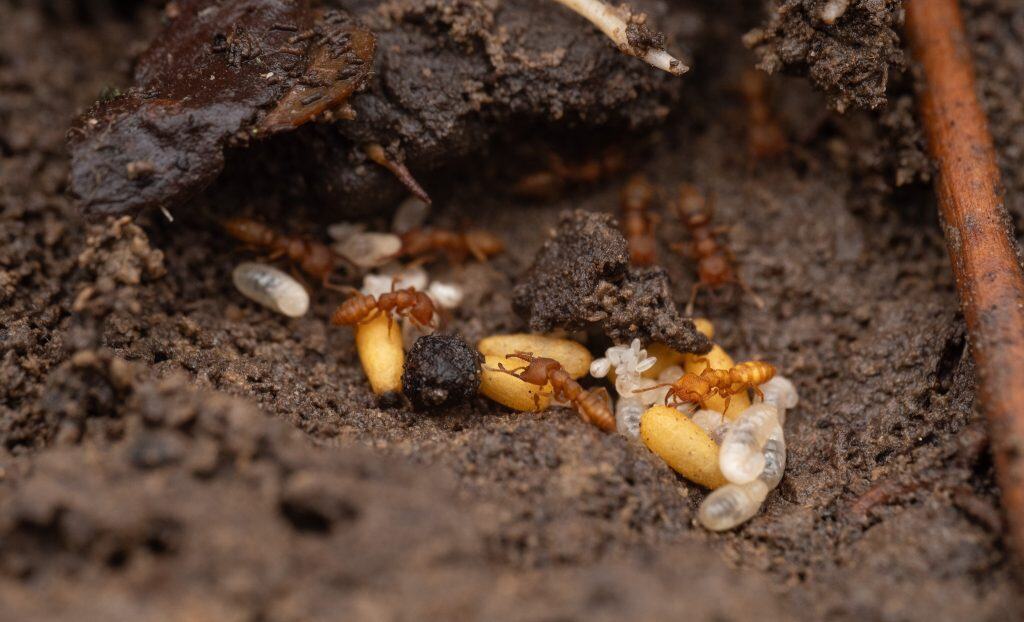
Dracula ants feed on the blood of their larvae, hence their ominous name.
©https://commons.wikimedia.org/wiki/File:Mystrium_camillae_459073916.jpg – Original / License
Workers, meanwhile, are the colony’s defenders and foragers, using their record-setting jaws in the field. But there are even more fascinating aspects to the Dracula ant, some rooted in history.
This creature belongs to a subfamily that’s considered one of the most ancient ant lineages on Earth, offering researchers a glimpse into the evolutionary origins of extreme biomechanics. Their biting mechanism appears to have developed independently from similar mechanisms in other closely related creatures, which makes the Dracula ant an example of convergent evolution, the process where different lineages arrive at similar solutions to similar problems.
There’s Much More to Learn About Earth’s Smallest Creatures
One of the most extreme physical feats in the entire animal kingdom belongs to an ant most people will never encounter, and it engages in this feat so fast that cameras must run at nearly half a million frames per second to catch it. But the Dracula ant likely isn’t the only insect in our world with hidden impressive abilities; as technology improves, we have the chance to witness even more feats we’ve never considered before.
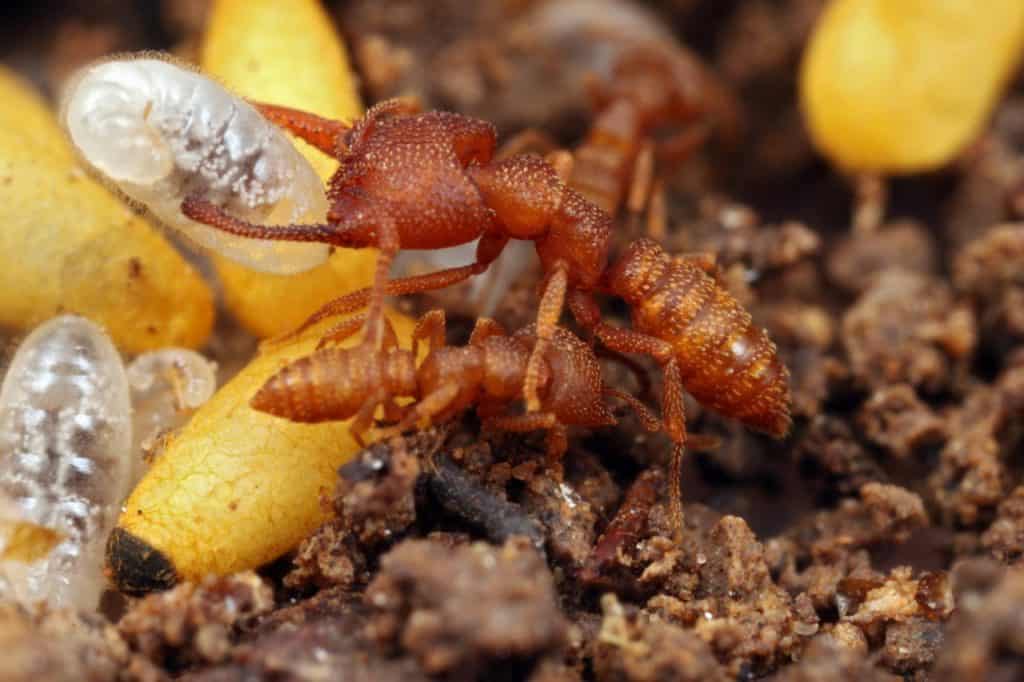
Dracula ants belong to one of the oldest ant lineages on the planet.
©https://commons.wikimedia.org/wiki/File:Shattuck_53261,_Mystrium,_Danum_Valley,_Sabah-web_(5042971252).jpg – Original / License
The Dracula ant is a reminder that our natural world is full of impressive creatures, all waiting for a scientist with the right equipment to finally notice what’s always been there. Here’s to the Dracula ant and its lightning-fast jaws, powerful bite, and blood-drinking habits!