
Quick Take
- The 'flying lemur' shares a surprisingly close evolutionary bond with a group of animals you'd never guess by looking at it. Meet their true relatives →
- Colugos can't fly, yet they outperform many animals that can. The physical structure that makes it possible has a strange parallel in another species. See how the patagium works →
- A bureaucratic classification quirk may doom an entire group of colugos to extinction before science even officially recognizes they exist. The classification problem →
- Colugos aren't listed as endangered, and that label may be exactly what puts them at risk. Why least concern is risky →
With their large eyes and furry bodies, it’s surprising that one of the cutest and most skillful gliders is an animal most people have never heard of. Their secluded habitat and tendency to be active only at night contribute to colugos not being well known. But with populations dwindling, these “flying lemurs” need more recognition so they do not go extinct unnoticed.
Colugos Are Not Flying Lemurs
Colugos may look like lemurs with wings as they glide through the sky, but they are not lemurs at all. Instead, they are mammals with a lineage that stretches back tens of millions of years and are in an order of their own.
There are two species in the order Dermoptera: the Sunda colugo and the Philippine colugo. Colugos are the closest living relatives to primates, even if their appearance would suggest otherwise.
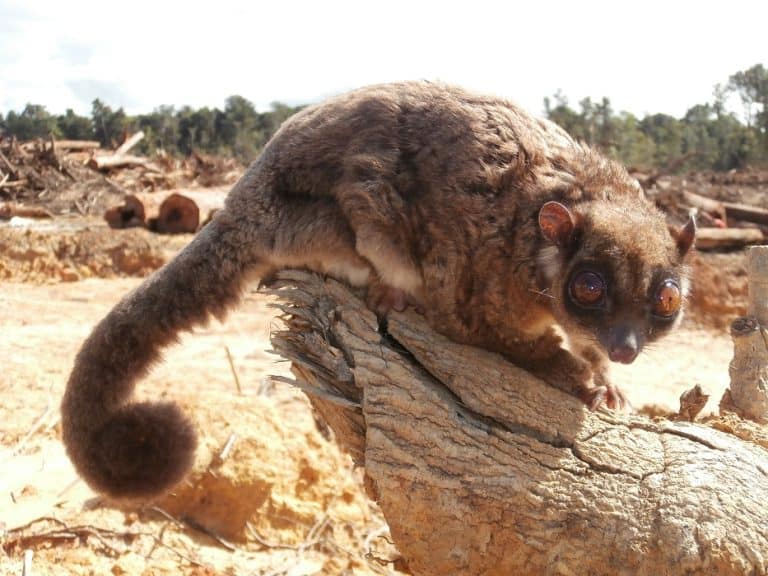
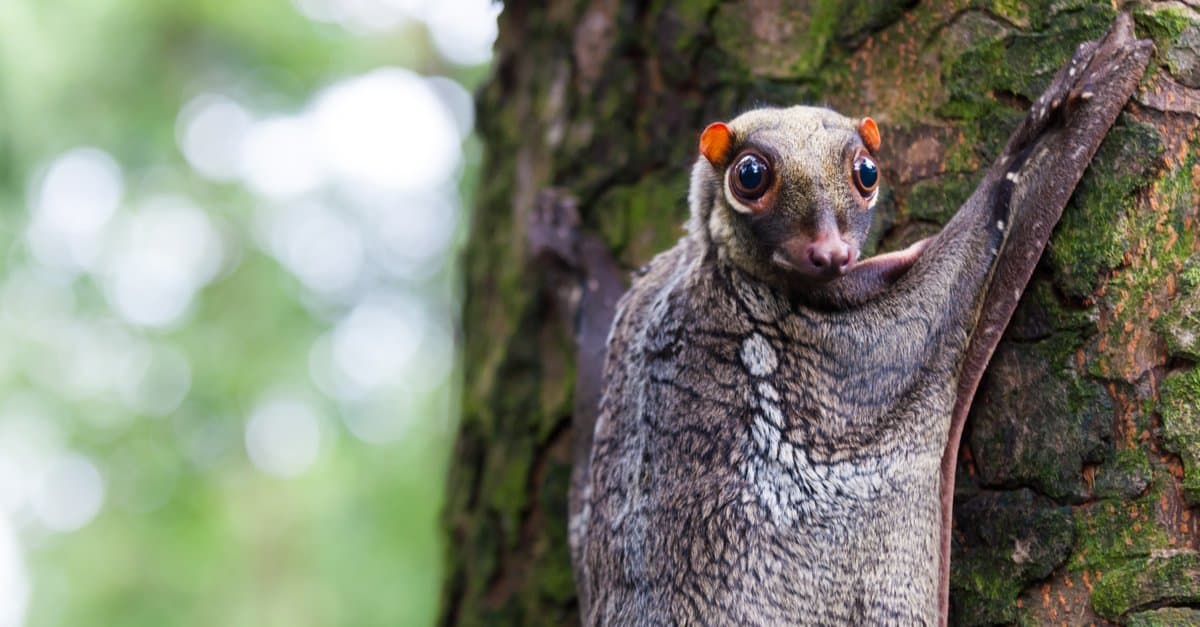
The colugo may look like a lemur, but it is the closest living relative to today’s primates.
©Cheng Wei/Shutterstock.com
Colugos are medium-sized mammals with soft gray or red fur covering their bodies, some of which can be spotted. They are approximately 14 inches long and weigh up to 4.5 pounds. Additionally, colugos have large eyes, small snouts, and tiny ears, which contribute to their lemur-like appearance.
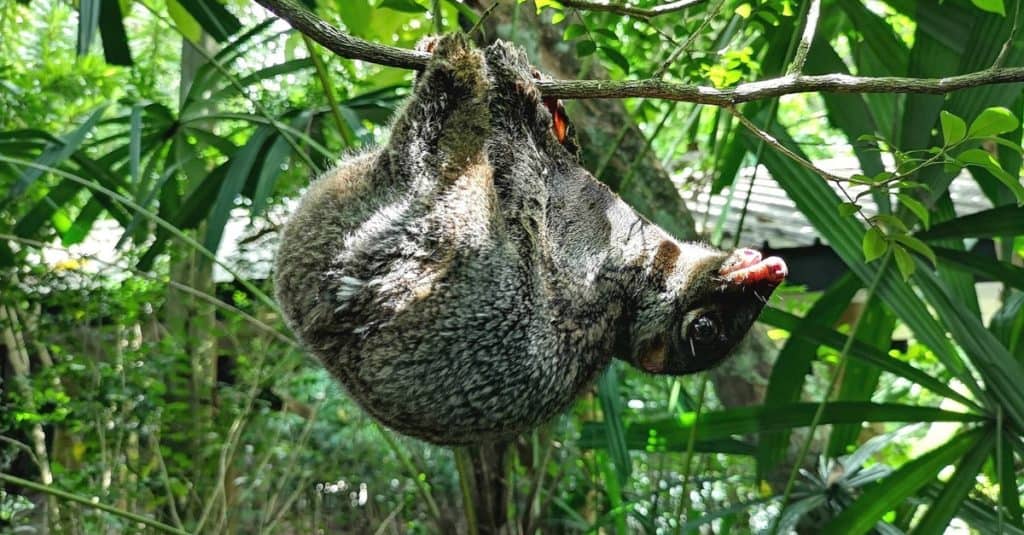
Colugos have webbed fingers that help them cling to the trees where they live. Healthy colugos are rarely found on the ground. Colugos remain relatively little-known due to their nocturnal habits and secluded forest habitats. The colugos’ large eyes help them to see in the dark as they forage for leaves.
Colugos Are Exceptional Gliders
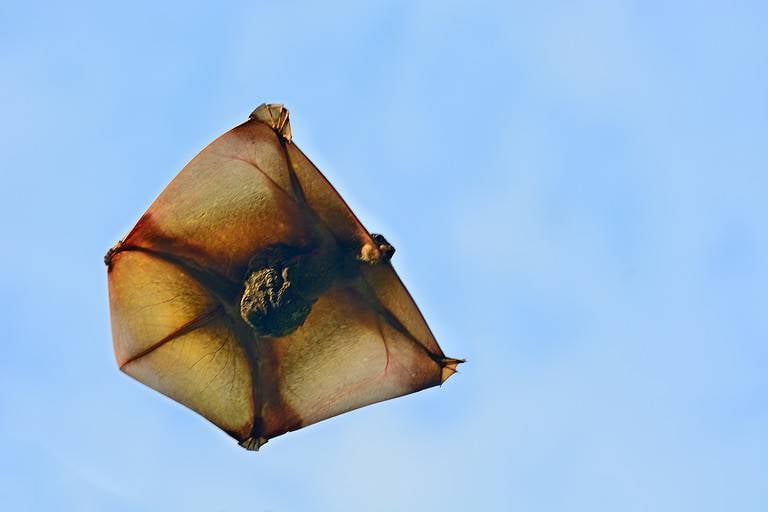
Just like bats, colugos have a patagium. Unlike bats, which use the patagium to fly, colugos cannot fly. However, they are exceptionally skilled gliders.
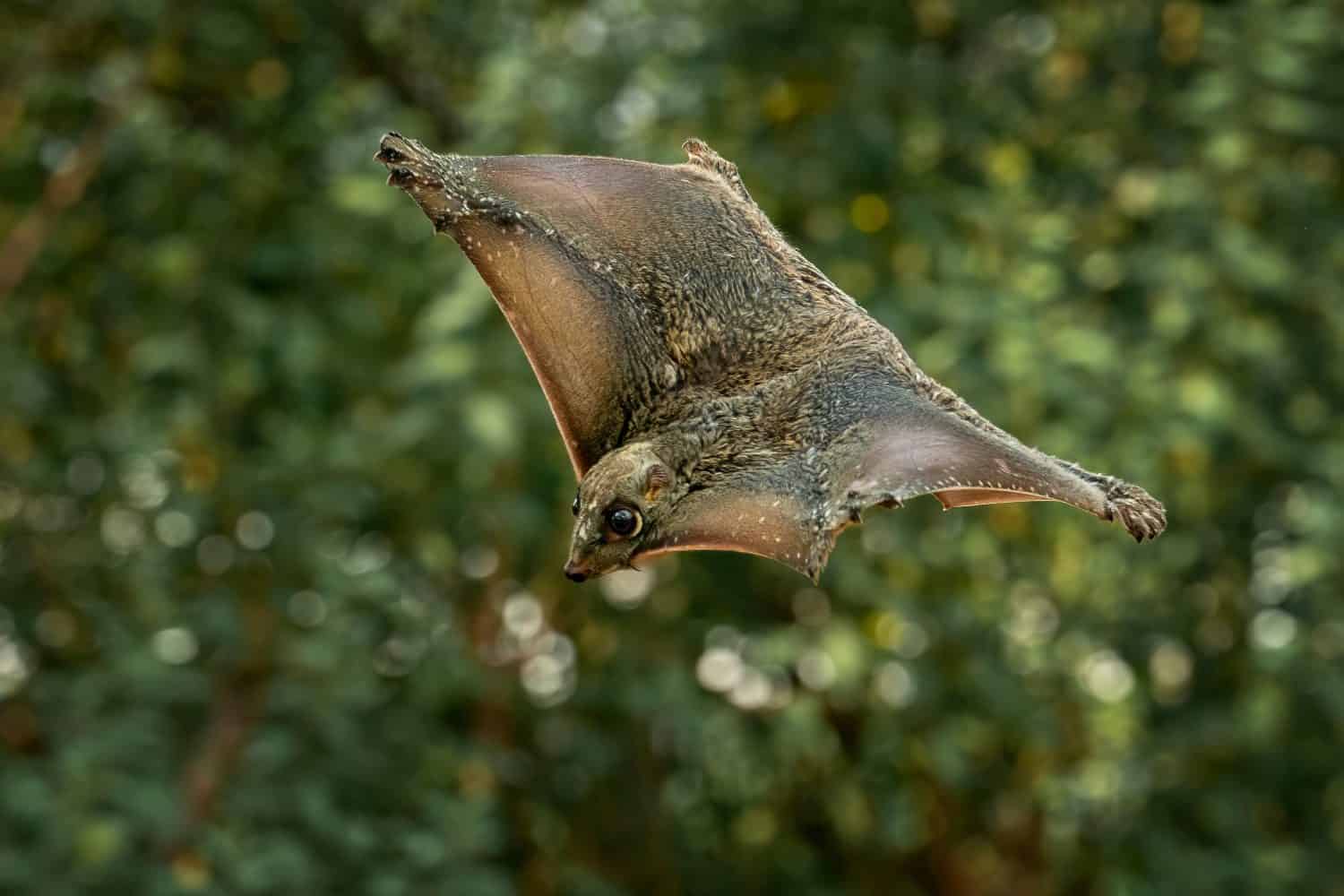
Colugos can glide up to 500 feet with accuracy from one tree canopy to the next.
©Lauren Suryanata/Shutterstock.com
The patagium is a fur-covered membrane on colugos that stretches across their back, legs, tail, and between their fingers. The structure of the patagium allows colugos to glide with control.
Although gliding is essentially controlled falling, colugos can skillfully maneuver over long distances through the forest canopy. It is not uncommon for colugos to glide for 230 feet, with some going nearly 500 feet in just one glide. This ensures the colugos never have to touch the ground, remaining safely in their treetop homes away from ground predators that could harm them.
What Threats Do Colugos Face Today?
Colugos are not currently considered a species that requires protection based on their population numbers. However, significant population declines over the past decade indicate that colugos face serious threats. If they are not addressed, these nocturnal mammals may be considered a threatened species in the upcoming years.
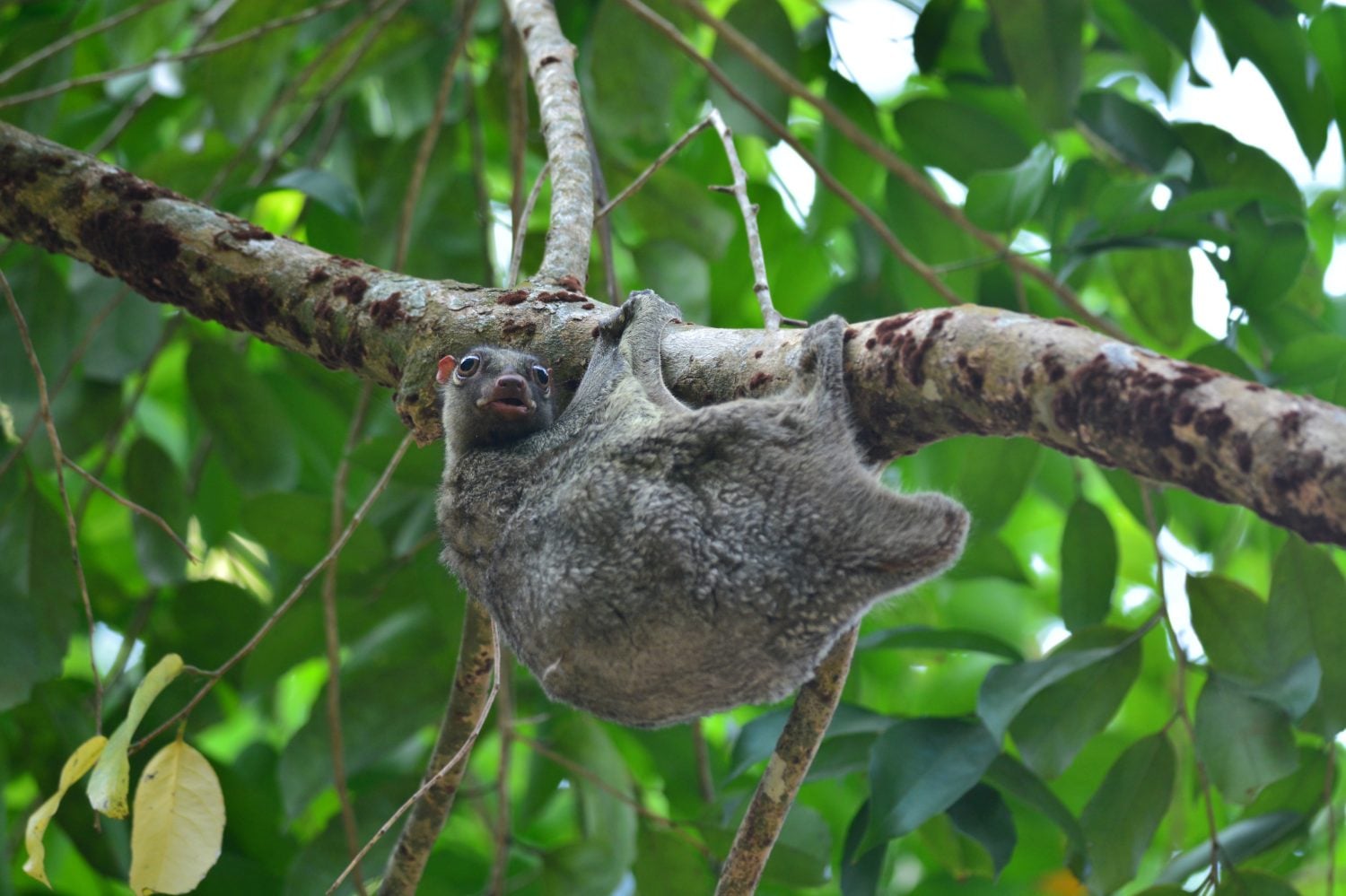
The biggest threats that colugos face are deforestation and habitat loss.
©Butterfly Hunter/Shutterstock.com
The threats that colugos face include:
- Deforestation
- Habitat loss
- Poaching
- Food source loss
- Climate change
With this many threats the colugos face, it is no surprise conservationists are calling for action to stop the decimation of rainforests. As their canopy homes are destroyed, their habitat shrinks significantly, and the colugo population will continue to decline.
Colugos May Be Going Extinct Without Anyone Being the Wiser
While colugos are not classified as endangered or even threatened, there is particular concern that some Sunda colugo subspecies may represent distinct species that could be at greater risk.
The four subspecies of the Sunda colugo (Galeopterus variegatus) are as follows:
- G. v. variegatus: Located in Java
- G. v. temminckii: Located in Sumatra
- G. v. borneanus: Located in Borneo
- G. v. peninsulae: Located in Malaysia and Southeast Asia
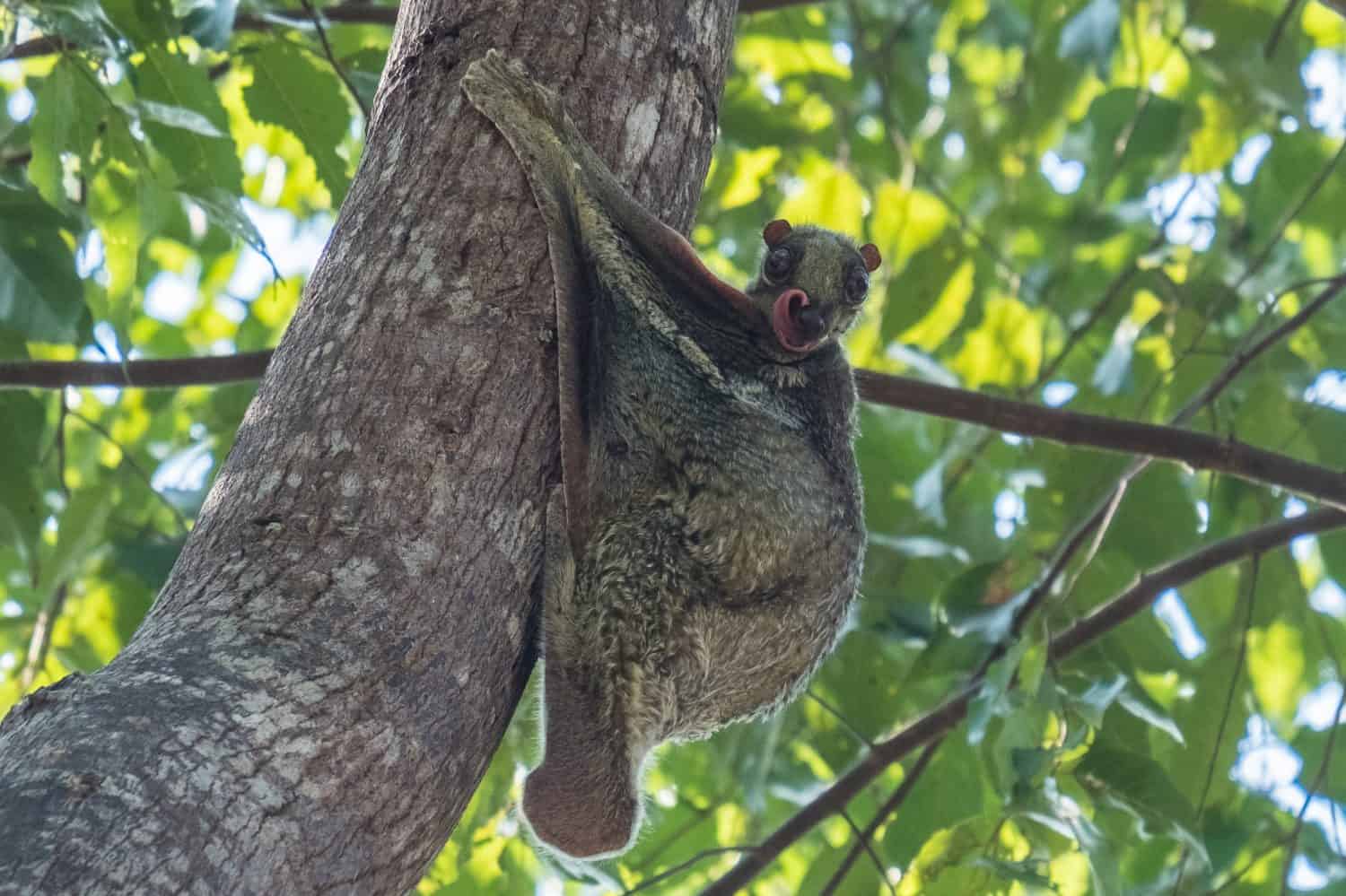
The four subspecies of Sunda colugo may actually be separate species of colugo altogether.
©Attapol Yiemsiriwut/Shutterstock.com
Because these Sunda colugos are still categorized as subspecies, they are listed as a “species of least concern” by the IUCN. By not recognizing each of these colugos as a separate species, experts are concerned that a group may be eradicated before any action can be taken to save it from environmental pressures. This is why it is important to learn more about the colugo as soon as possible, so that this secretive animal, which is closely related to primates, does not go extinct.