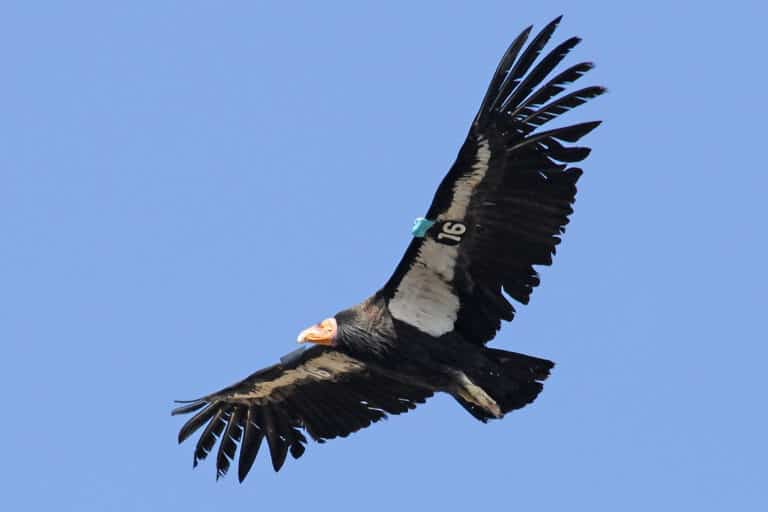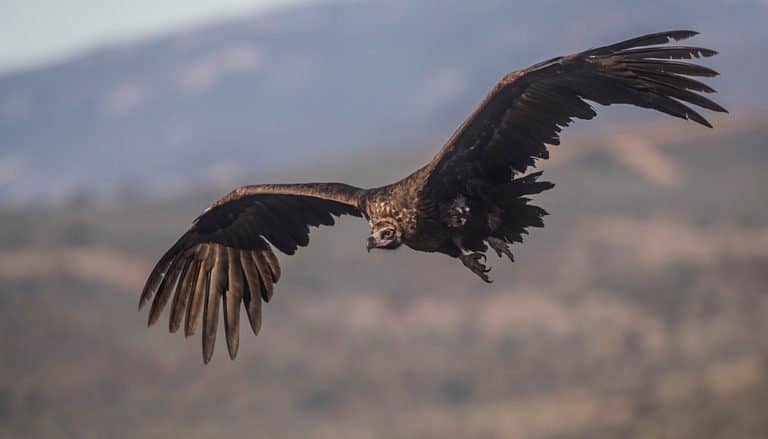

It’s a bird, it’s a plane, it’s…. actually a bird. You may be on a transatlantic flight, 30,000 feet above the ground and far beyond the clouds, yet still see birds. Such altitudes seem impossible for living things to survive (without a pressurized cabin). You’d be surprised, however, as some birds can fly far higher than all the rest. It may seem like only top-shelf falcons are able to reach the stratosphere, but many different types of birds can skip the clouds and practically shoot for the moon. Some of these birds fly so high that the only evidence of their record-breaking altitudes comes from pilots or even radar operators. Let’s learn about the highest flying birds on earth.
White Stork
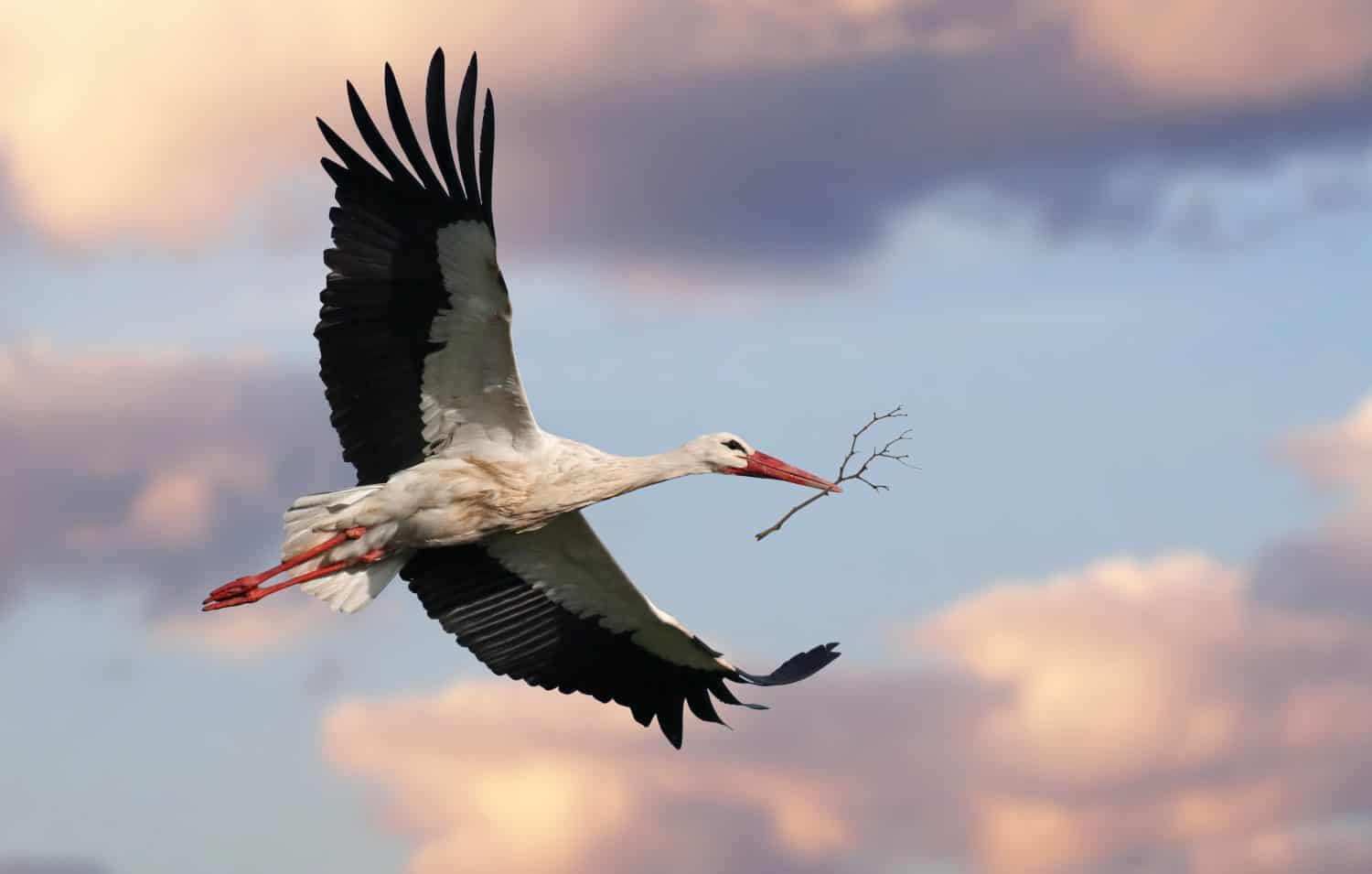
White Storks use air thermals to glide great distances and reach soaring heights.
©Fercast/Shutterstock.com
They are large, monochrome-colored, and can fly with the best of them. White storks (Ciconia ciconia) are characterized by black wing feathers, white body feathers, red bills, and red feet. They are quite stylish in this way. White storks live mostly between the Prime Meridian and 50 degrees east longitude. They breed across Europe and Africa before wintering south, be it in Sub-Saharan Africa or even the Indian subcontinent. They are also a well-known symbol for the arrival of babies.
Despite spending most of their airtime closer to the Earth, some storks have been recorded flying as high as 4,800 meters. That’s 16,000 feet. They may avoid flying over the Mediterranean Sea, but that’s only because they depend on air thermals, which do not form over water. Remarkably, white storks catch these thermal currents during migration and just glide, sometimes over thousands of miles. Those currents can also take them sky high.
Bar-Tailed Godwit
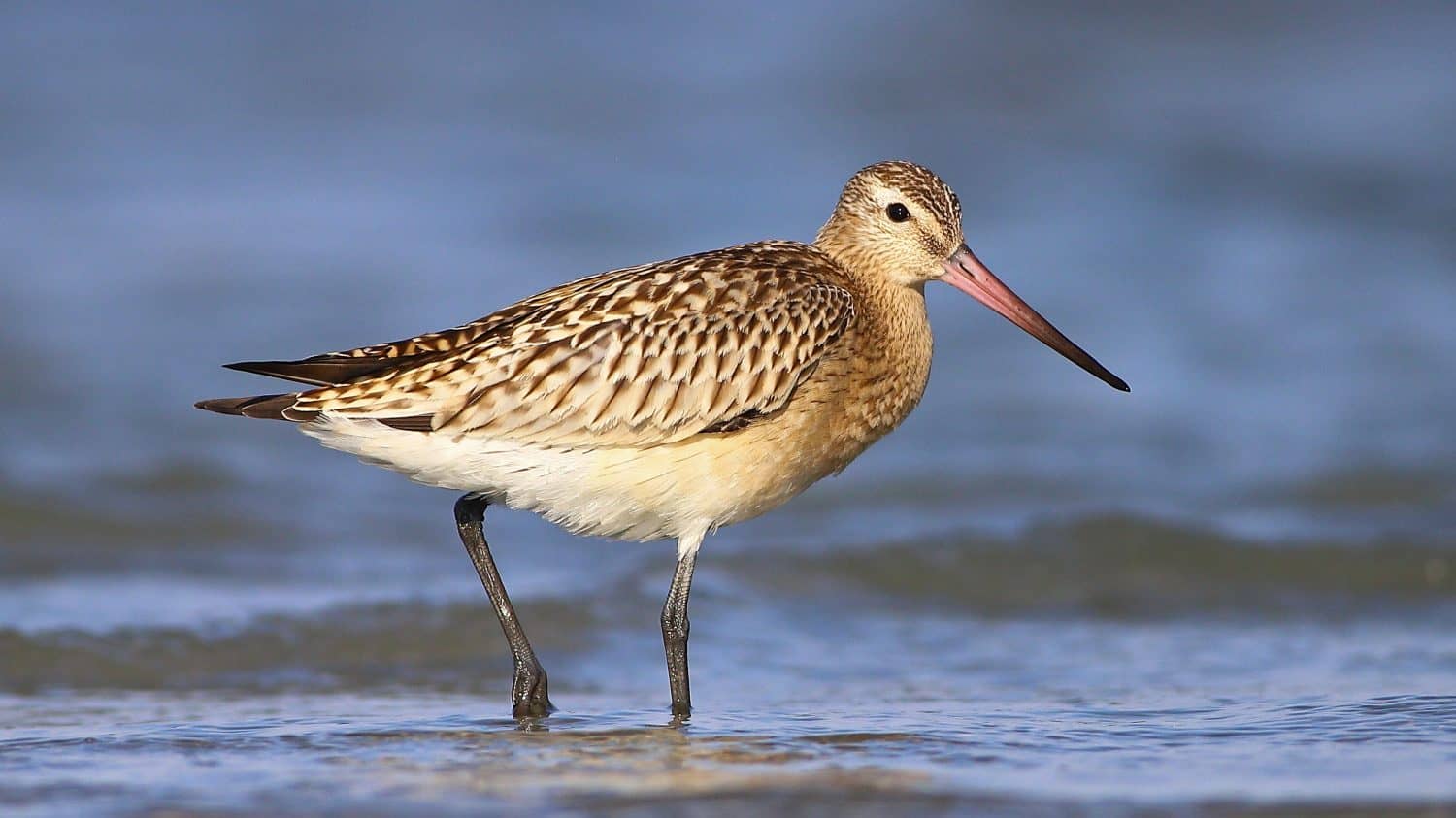
Bar-tailed godwits are known for their long migrations but are less known for their high altitude abilities.
©Gergo Nagy/Shutterstock.com
These shorebirds (Limosa lapponica) have long, semi-upturned red bills and earthy, brown, and yellowish-white coats. They may feed on bristleworms and mollusks near shorelines, but bar-tailed godwits are best known for their massive migration distances. One group of them is known to fly over 7,000 miles from Alaska to New Zealand annually. They can survive the long trek thanks to fat reserves made up of all those mollusk and bristleworm meals.
Their cross-country journeys get all the press, but bar-tailed godwits can also reach incredible heights. They have been tracked flying upwards of 20,000 feet. That’s several miles off the ground. Like white storks, bar-tailed godwits use the atmospheric winds to propel them farther and without lower, stormy turbulence. Even with such low oxygen up there, bar-tailed godwits get by just fine.
Mallard

Mallards may have a penchant for wetlands, but are capable of flying higher than the tallest mountain in North America.
©Alex Cooper Photography/Shutterstock.com
It’s hard to travel across the world without running into mallards. They are some of the most widespread ducks in the world, with healthy populations in North America, Asia, and Europe. Something of an ancestor to the modern domestic duck, mallards (males) are characterized by their rich green head feathers and mustard yellow bills. They may prefer water sources like lakes and rivers, but they are adaptable and capable of thriving in urban environments as well.
Not all mallards migrate, but those that do typically live in more northern regions and migrate south in the winter. During some of these migration flights, mallards have been recorded flying at 6,400 meters or 21,000 feet. While these heights are rare, they do occur, further demonstrating the mallard’s ability to thrive in diverse environments.
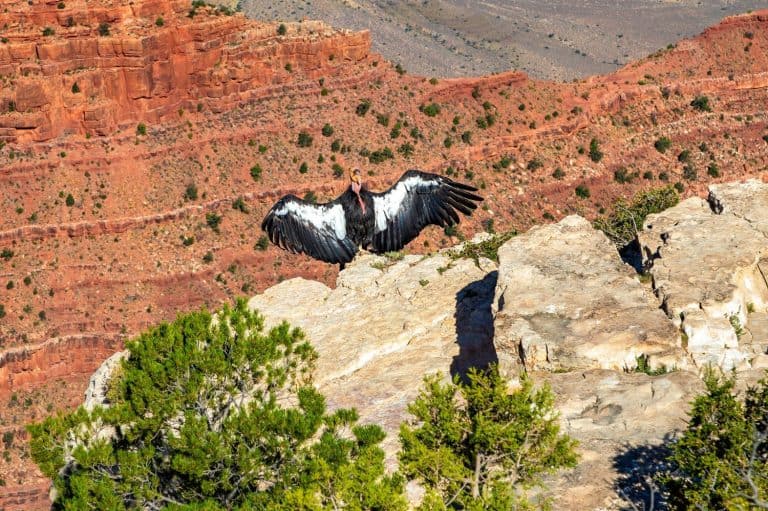
Andean Condor
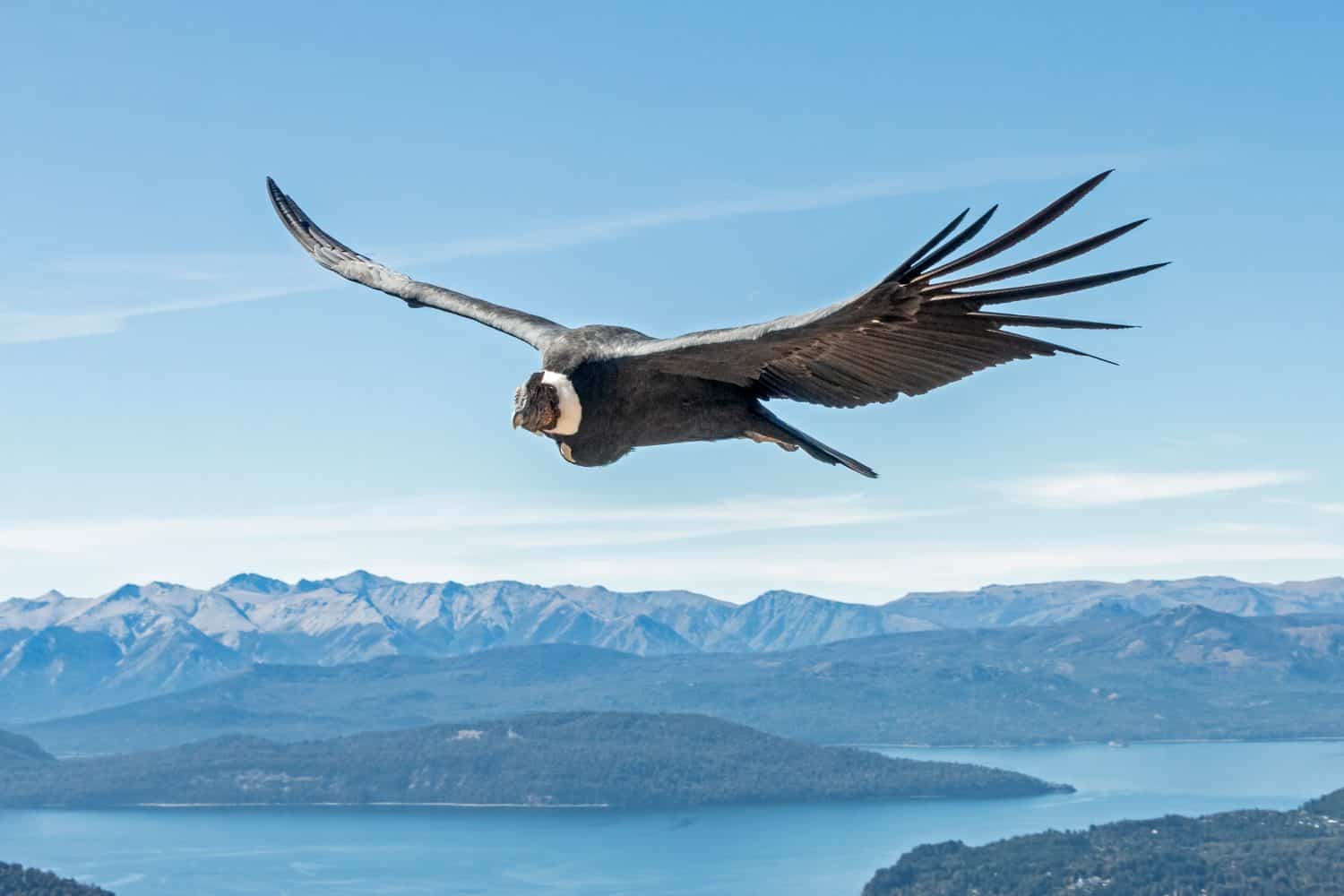
Andean condors are some of the biggest birds of prey in the world, gliding up to 21,000 feet above the Andes mountain range in South America.
©Facundo Vital/Shutterstock.com
The Andean condor is a rather ferocious-looking bird of prey. It’s also one of the largest in the world, with wingspans reaching over ten feet wide. Andean condors are characterized by featherless heads that can change color depending on their mood, tufts of white feathers at the bases of their necks, and a penchant for animal carcasses. As natives of the Andes mountains, Andean condors are powerful cultural symbols of the region.
Whereas other birds vigorously flap their wings, Andean condors are gliders. They can float for hours without moving their wings at all, sometimes traveling 100 miles without wing power. By using thermals above mountains, these birds can soar up to 21,000 feet. The Andes mountains, while beautiful, are a harsh environment. The Andean condor’s expert use of the thin air at high altitudes helps it survive.
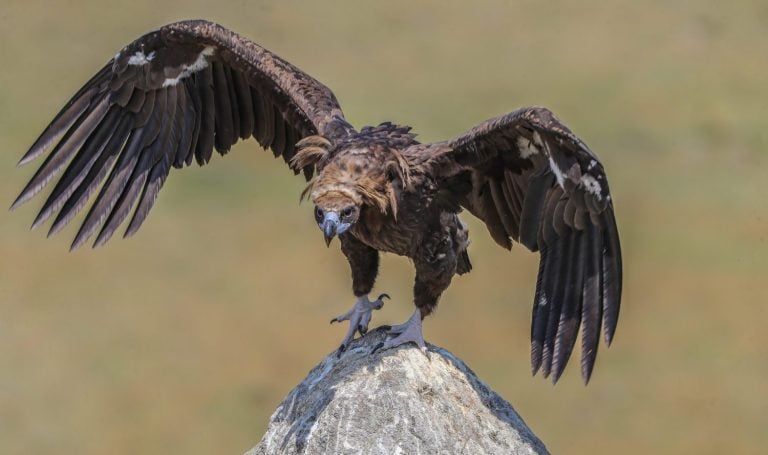
Bearded Vulture
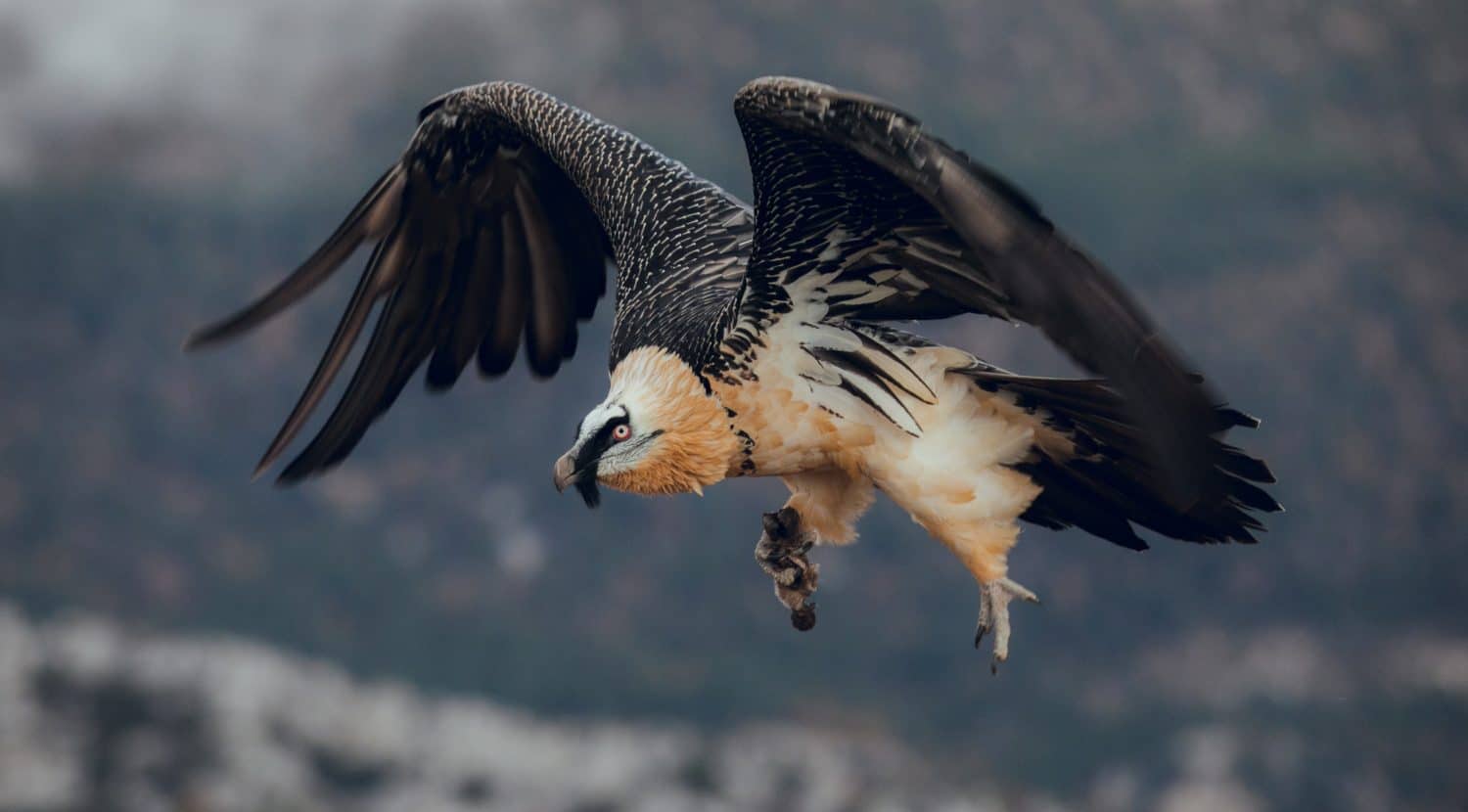
Bearded vultures feed mostly on bones, which they can spot from incredible soaring altitudes.
©Aitor Lamadrid Lopez/Shutterstock.com
The bearded vulture (Gypaetus barbatus) may be a little smaller than the previous vulture on this list, but they can fly even higher. Plus, they are even more striking. Bearded vultures are characterized by black and finely white wings with a nine-foot wingspan, cream-colored body feathers, and striking eyes. They live in Europe, Asia, and Africa. While other vultures feed on carcasses in general, bearded vultures specifically feed on bones. They are known to swoop down from the sky, grab large bones, and swallow or chew them with ease.
Bearded vultures are less known for their ability to fly at high altitudes. They often live in alpine regions, which makes them perfectly equipped to handle high altitudes. They have been seen flying at altitudes of up to 7,300 meters (24,000 feet), which is about the average altitude of a turboprop plane. Remarkably, they can still see potential bony meals from that altitude, efficiently using oxygen before swooping down for a meal of marrow.
Alpine Chough
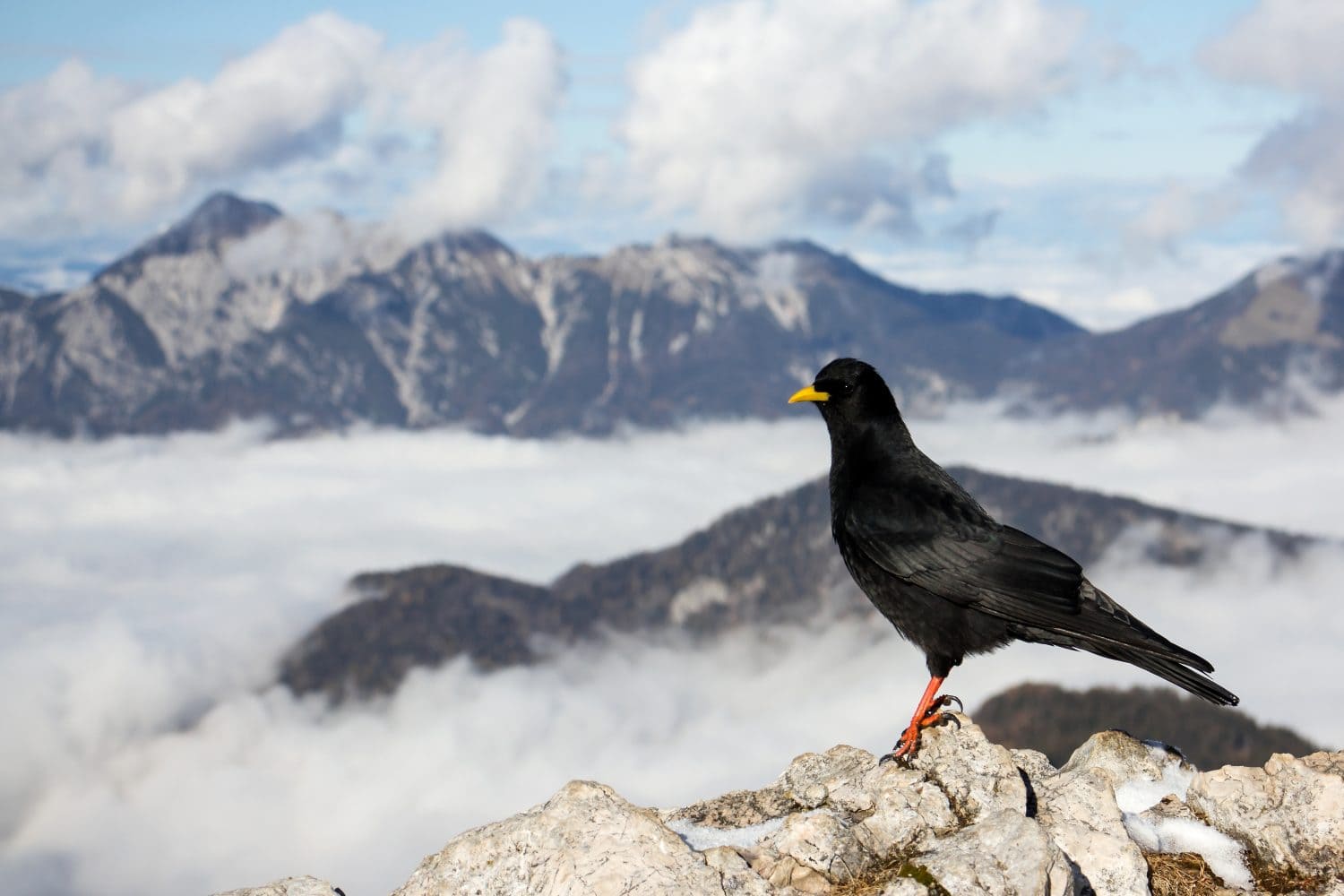
Alpine choughs have been seen scavenging around Mount Everest climbing camps.
©Luka Hercigonja/Shutterstock.com
A relative of the crow, the alpine chough (Pyrrhocorax graculus) is smaller than most birds on this list, but no less mighty. It’s characterized by shiny black feathers and a mustard-yellow bill. As its name implies, choughs live in mountainous areas, often around humans, so they can find some easy meals. Their mountainous homes provide for some incredible altitudes. Not only have alpine choughs been seen at 26,500 feet, but people sometimes see them scavenging around Mount Everest climbing camps. They are one of the few perching birds in the world that can fly this high, thanks to their lightweight bodies and efficient metabolism.
Common Crane
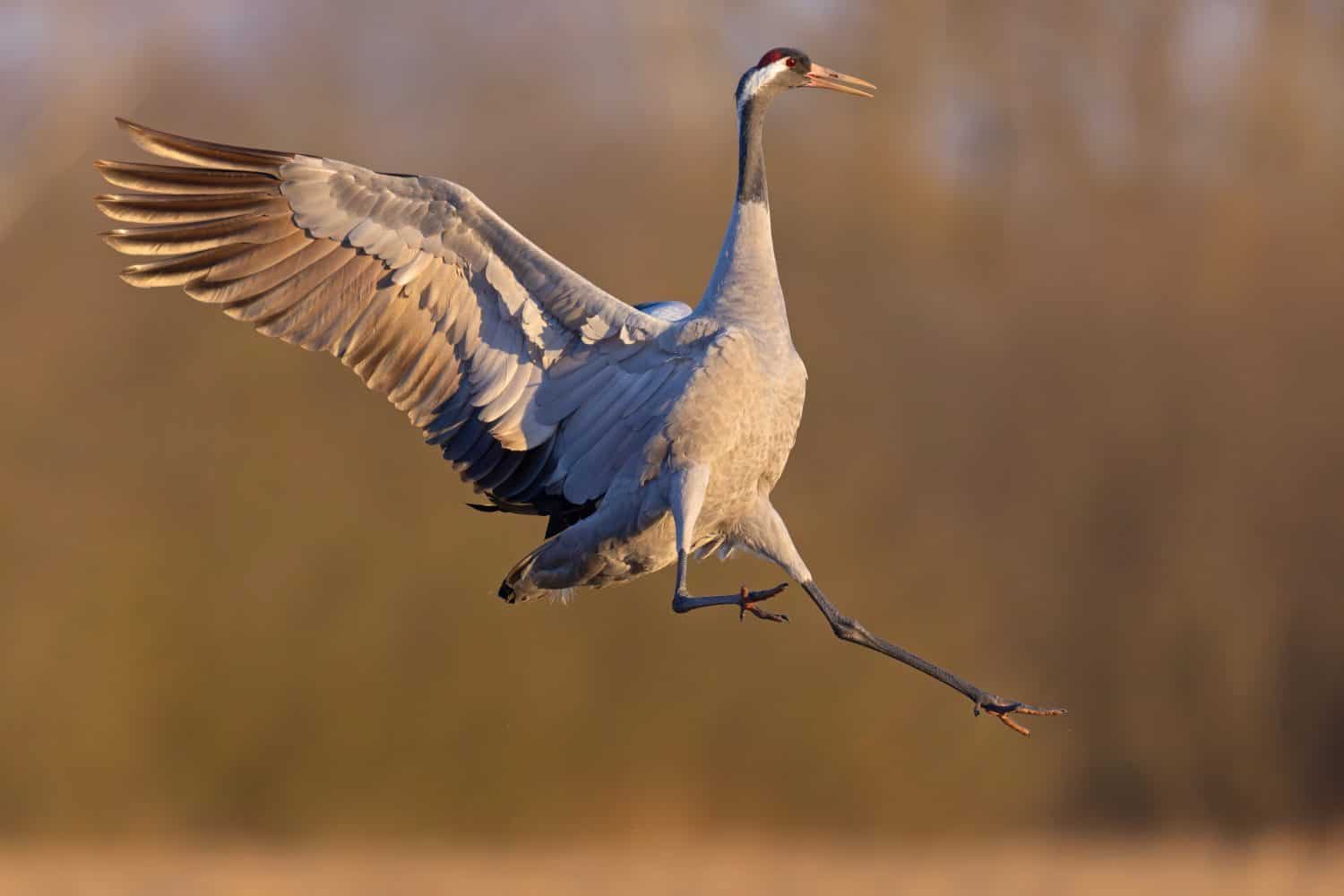
Common cranes fly in large V-formations, sometimes reaching 27,000 feet.
©gergosz/Shutterstock.com
They may be called common cranes (Grus grus), but their altitude abilities are anything but. These cranes are large and elegant, characterized by grey colored bodies, long, thin legs, and little patches of red on the backs of their heads. A migrating bird, the common crane is found across Europe most of the year before traveling to areas in Portugal, Spain, and parts of North Africa in the winter. Wherever they go, they travel together in large, V-shaped flocks. They can be quickly identified thanks to their loud, ear-blasting calls.
During these large, social migrations, common cranes can reach awe-inspiring heights. They are known to fly at altitudes up to 27,000 feet. That’s over six miles off the ground. Reaching what is technically the troposphere helps them avoid big mountains and catch jet-stream winds at the same time.
Rüppell’s Vulture
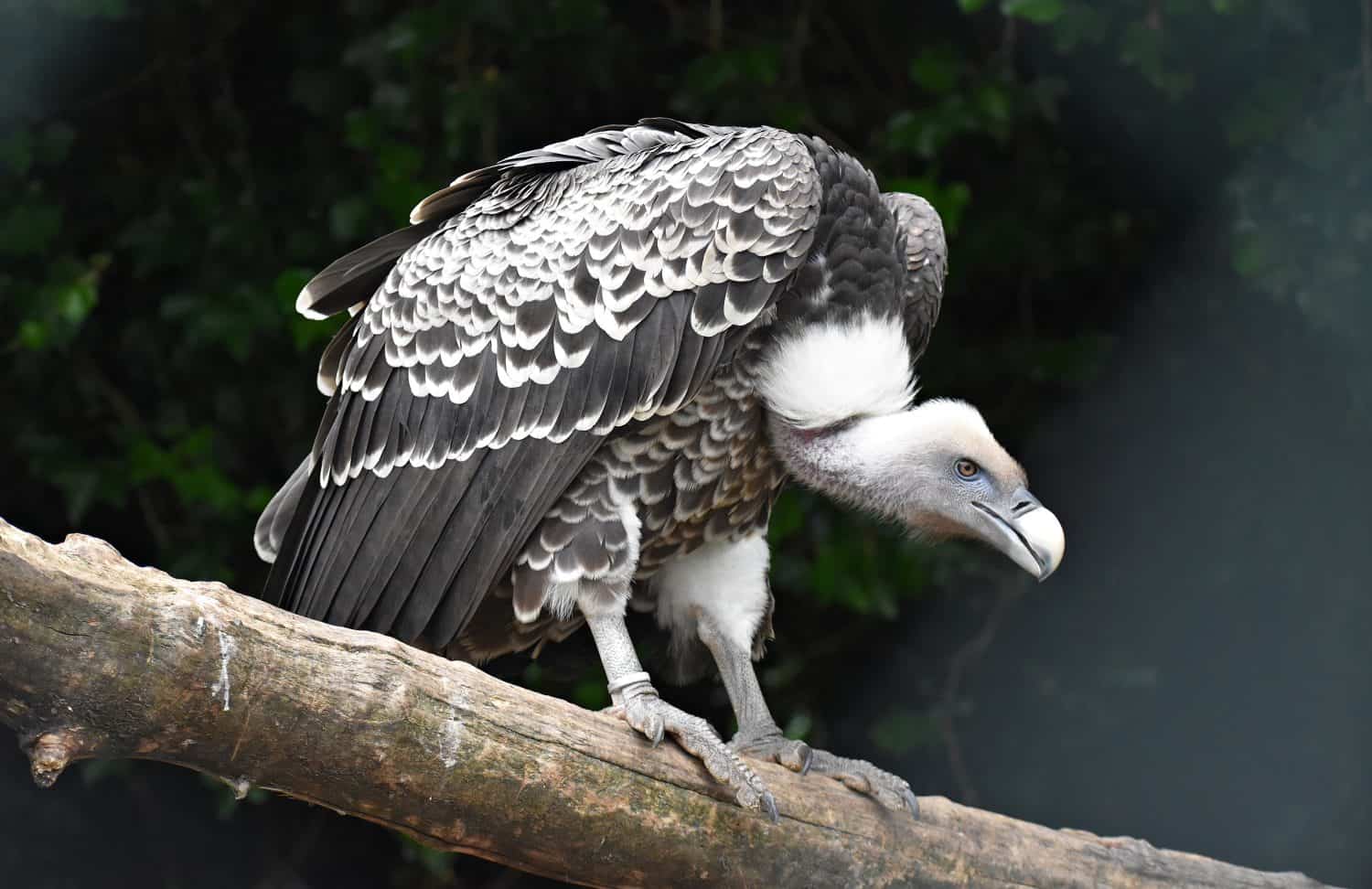
Rüppell’s vultures have a specialized adaptation that allows them to fly higher than any other bird.
©Gabriela Beres/Shutterstock.com
One look at a Rüppell’s vulture (Gyps rueppelli) in the wild might make your hair stand on end. These large birds of prey are characterized by bold white and grey feathers in a layered plumage, white collars, and featherless heads. The lack of feathers there is probably for the best because they like to stick their heads inside prey while eating. These massive birds of prey live in the north of Africa, particularly in Morocco. They are also, without question, the highest flying birds on Earth.
Rüppell’s vultures are known to fly upwards of 20,000 feet even under less-than-ideal conditions. However, they have been observed reaching altitudes as high as 37,000 feet (11,278 meters). Scientists know this because one struck an aircraft at that altitude in 1973. These kinds of heights are truly incredible. For one, the temperature up there is nearly minus seventy degrees Fahrenheit (−69.63 °F). The air at that altitude is also nearly devoid of oxygen, but these record-breaking fliers manage such feats thanks to evolution. Indeed, Rüppell’s vultures have a specialized protein variant that allows them to absorb oxygen efficiently despite the low air pressure.