
Quick Take
- The amphibious Big Night is underway in many parts of the US.
- Many salamanders, frogs, and toads are leaving their homes and heading to vernal pools.
- These are temporary pools where they will breed.
- Sadly, many of them get killed on the roads during this migration.
- You can help by calling for safe crossings, volunteering to help them cross safely, and driving slowly at this time of year at crossing points.
The post-winter rains have come, temperatures are rising, and salamanders are undertaking their once-a-year migrations to pools where they will breed. This important event, named the ‘Big Night’ by amphibian enthusiasts, is vital for their survival and for the survival of other amphibians all over the world. We are going to tell you what you can do to help!
What Is the Big Night?
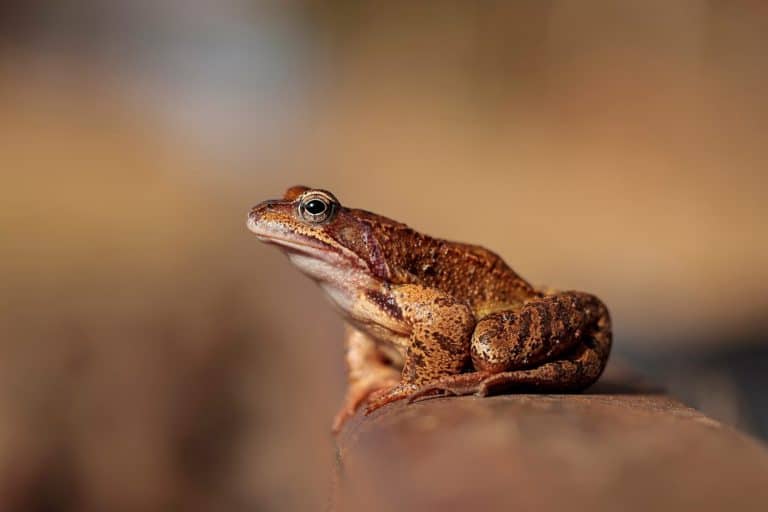
As the name suggests, this event is big (a lot of amphibians do it at the same time) and it takes place at night! Many amphibian species, including many salamanders, frogs, and toads, need to undertake a migration as part of their life cycle. They move from their winter habitats to breeding grounds. However, it is a little misleading to suggest that it all happens on one night because, in reality, it can occur several times a year. It is triggered by environmental conditions, which are things like thawed ground, rising nighttime temperatures, and enough rainfall to make the ground wet.
Spotted Salamanders on the Move
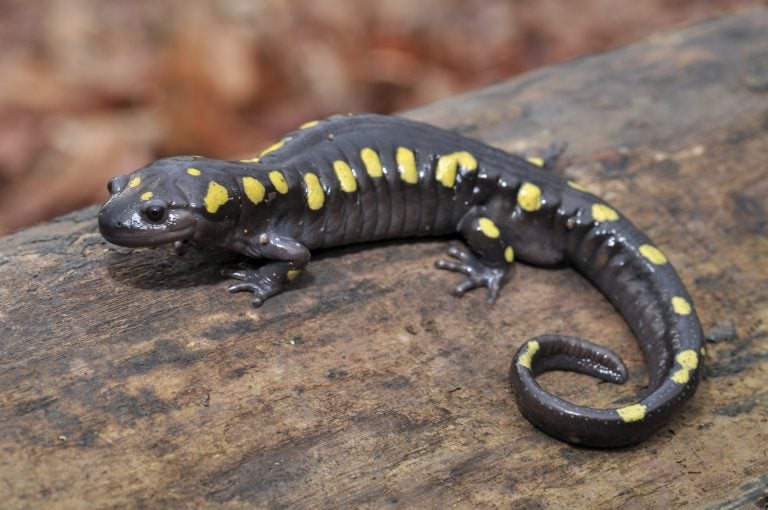
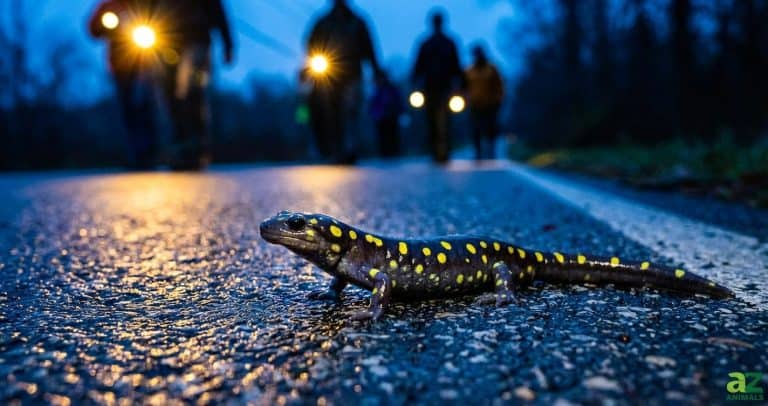
One well-known Big Night participant is the spotted salamander (Ambystoma maculatum). They have begun their 2026 migration, already creating one of Appalachia’s most notable annual ecological events. It’s taking place in forests and wetlands all over Virginia. The salamanders are heading to the vernal pools in which they were born, and in these pools, they will breed.
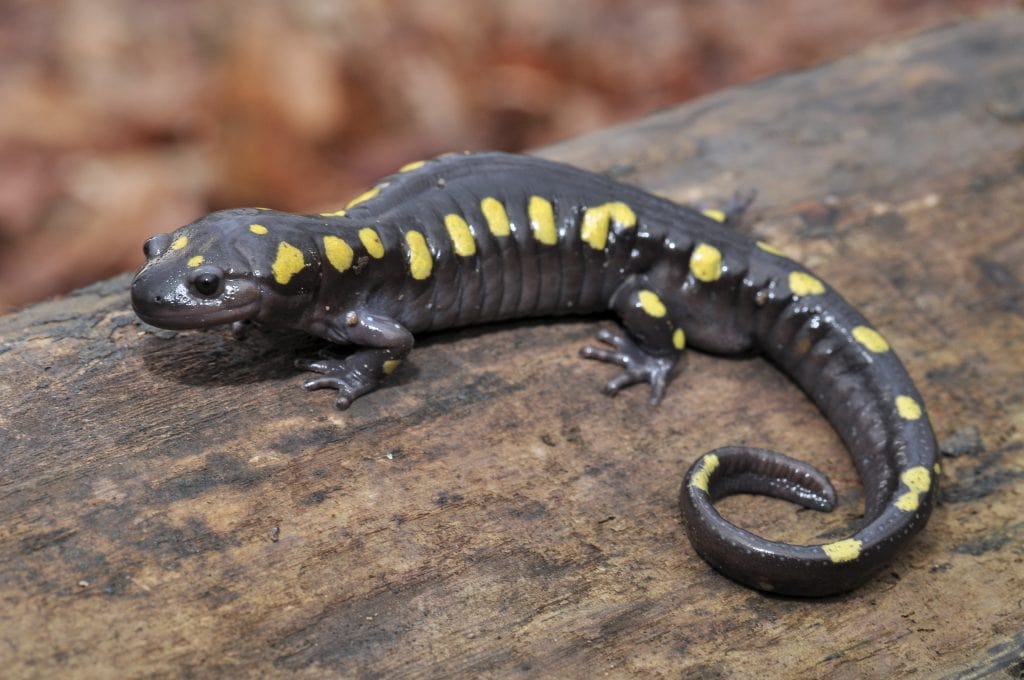
Spotted salamanders head to vernal pools to breed.
©Mike Wilhelm/Shutterstock.com
For most of the year, these elusive creatures shelter under logs and in other damp places. However, in late February or early March, they emerge and head for the pools. Vernal pools are special because they only exist seasonally when the first rains arrive and therefore have fewer predators.
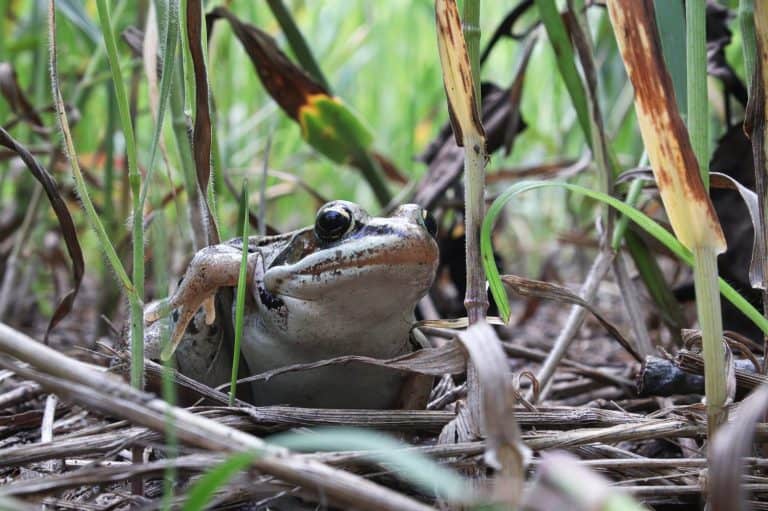
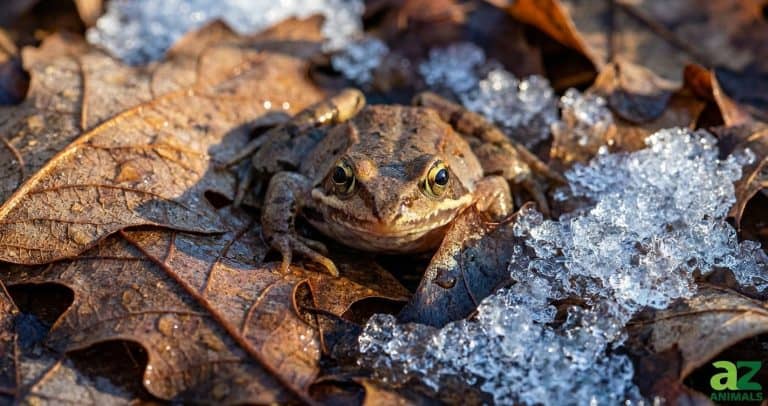
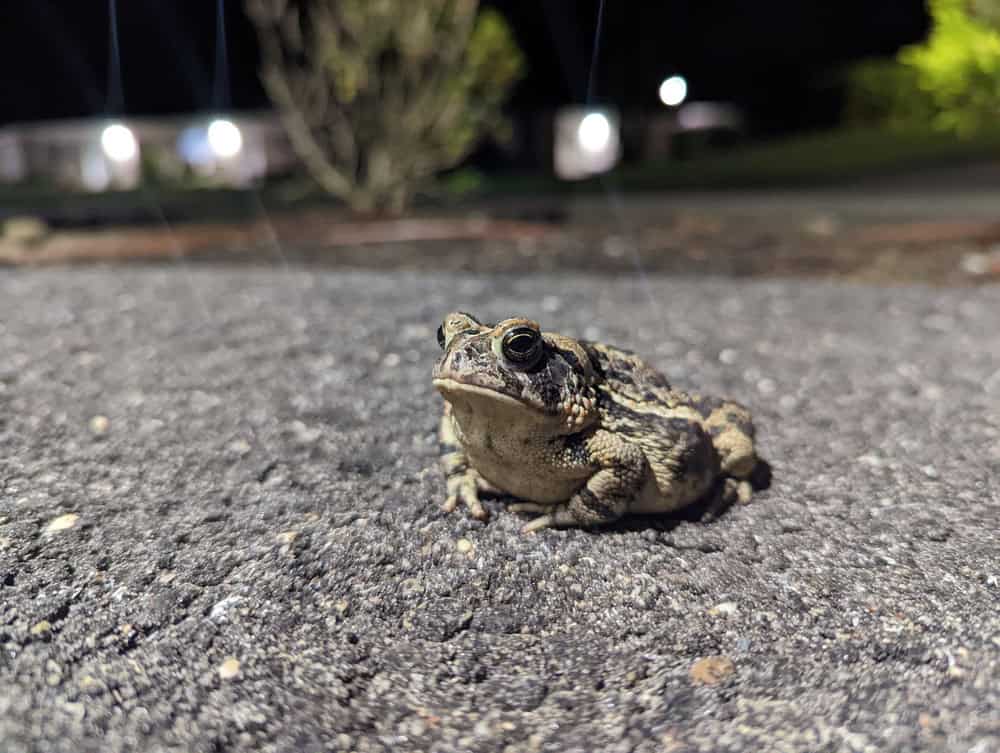
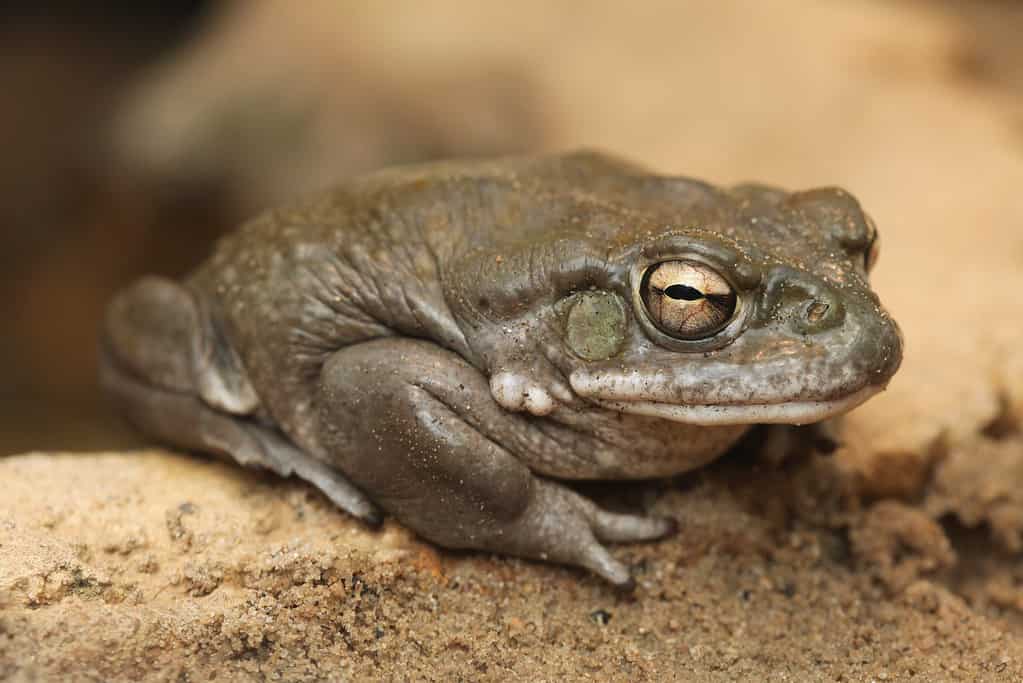
The salamanders will travel long distances to reach the pools, only moving at night. Other salamanders with this behavior are the Jefferson salamander, the mole salamander, and the marbled salamander. Vernal pool frogs and toads include the wood frog (Lithobates sylvaticus), the bullfrog (Lithobates catesbeianus), the pickerel frog (Lithobates palustris), the American toad (Anaxyrus americanus), and Fowler’s toad (Anaxyrus woodhousii).
What Happens at the Vernal Pools?
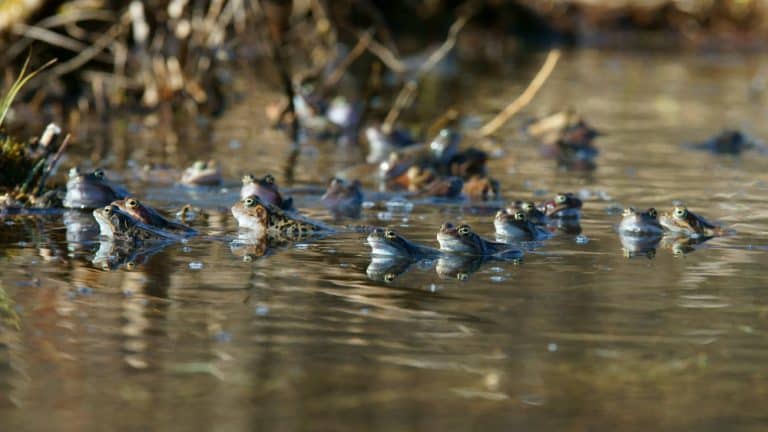
The word “vernal” comes from the Latin vernalis, which means spring. Vernal pools are unique habitats and are not the same as other wetlands. Typically, they are small and shallow and have no permanent inlet or outlet, such as a stream. Instead, they arise as snow melts or as the spring rains arrive, and then they dry up in the summer months.

Vernal pools are vital for the breeding cycle of many amphibians.
©Gannet77/ via Getty Images
Taking the spotted salamander as an example, The Big Night tends to happen on a soggy night when at least an inch of rain has fallen. Males enter the pools first and deposit spermatophores in the water. Then, the females enter and lay egg sacs containing hundreds of eggs, usually near vegetation. The spermatophores fertilize the eggs, and between four and seven weeks later, the eggs will hatch, releasing salamander larvae. Once the larvae have grown into juveniles, they leave the pool and head back into the surrounding area, where they will stay until they need to breed.
Helping Migrating Amphibians
Amphibians are essential for our ecosystems, but their migration routes are increasingly blocked by roads. Many of them get squashed by vehicles before they get the chance to reach their vernal pools. This is a disaster for the amphibians themselves and for the wider biodiversity of the area. But you can help!
Start by doing some local research and finding out where the Big Night road crossings are taking place in your area. Local experts will monitor local weather conditions and will be able to predict when the Big Night is likely to happen. There may be a local salamander, frog, or toad crossing brigade who go out at night to actively protect the amphibians as they migrate. These amazing volunteers go out at night and look for amphibians and move them to the other side of the road.
Volunteers help amphibians across roads on the ‘Big Night.’
©Vladimir Wrangel/Shutterstock.com
At the same time, they gather data on amphibian numbers, and this can be used to put pressure on authorities to install amphibian crossing tunnels, culverts, underpasses, bridges, or at least signage. In some areas, roads can even be closed when the migration is taking place. It is much safer for you to help the amphibians as part of an organized group with reflective clothing, etc. Do not attempt to do it yourself on a busy highway, as you are putting your own safety at risk.
If you come across a spawn in a pond, leave it alone! Don’t let your dog trample all over it, and stop your kids from picking it up. It contains the next precious generation of amphibians, so show it some respect.
Finally, you can also avoid driving along known migration routes at night at this time of year. And if you must make that journey, slow down!