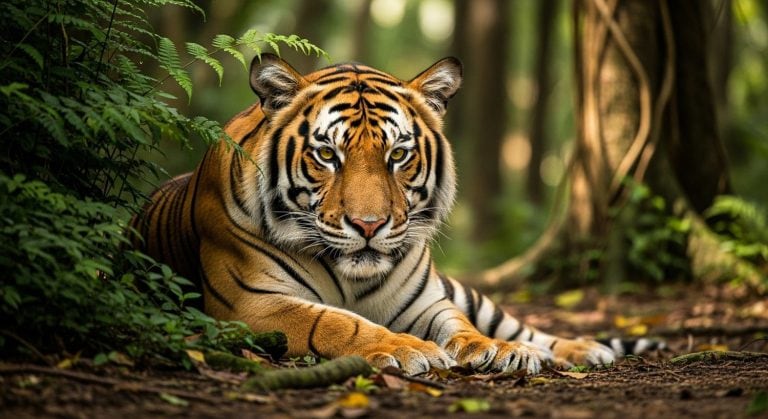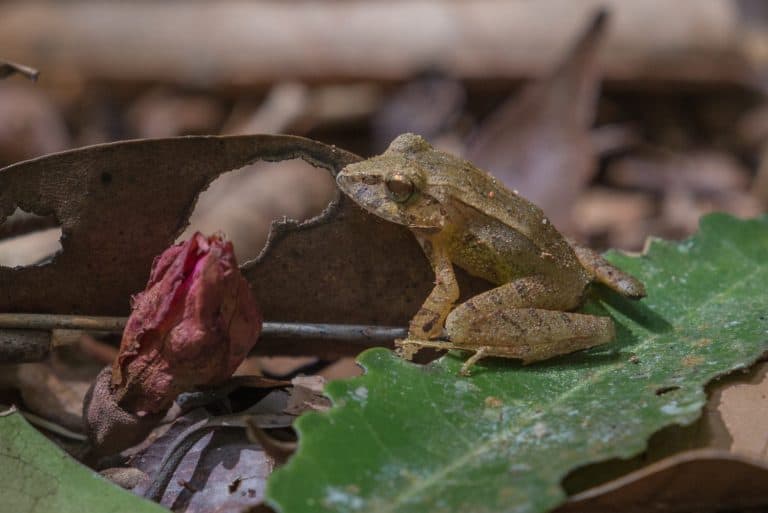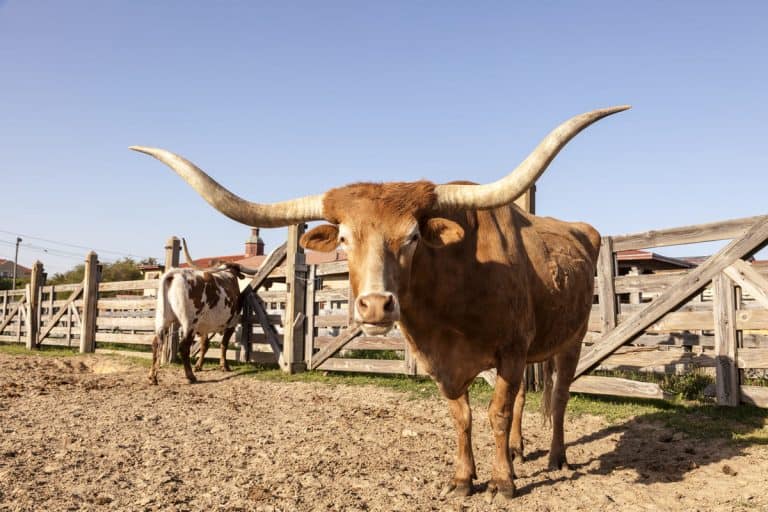

It’s rare to get some good news when it comes to conservation. However, a new study has suggested that extinction rates are actually declining rather than speeding up. Here we will examine how the study was conducted, what it found, and the wider implications of the work.
What Is a Mass Extinction?
A mass extinction is when a high percentage of biodiversity or distinct species dies out in a short period of geological time. Extinction is a natural part of evolution. However, mass extinctions are catastrophic events from which the planet can take millions of years to recover. So far, there have been five mass extinction events, and the last one took place 65.5 million years ago. This was the one that wiped out the dinosaurs. There is ongoing scientific debate about whether we are currently in a sixth mass extinction and whether humans are the cause of it.
New Research Challenges Predictions
A new study, published in the scientific journal Proceedings of the Royal Society, presents a more positive picture. It was conducted by Kristen Saban and John Wiens of the University of Arizona’s Department of Ecology and Evolutionary Biology. They reviewed data from nearly 2 million species and focused on 912 species that had become extinct in the last 500 years. They analyzed the rates and patterns of past extinctions to determine whether these could predict the risk of extinction among living species.
Extinction Patterns
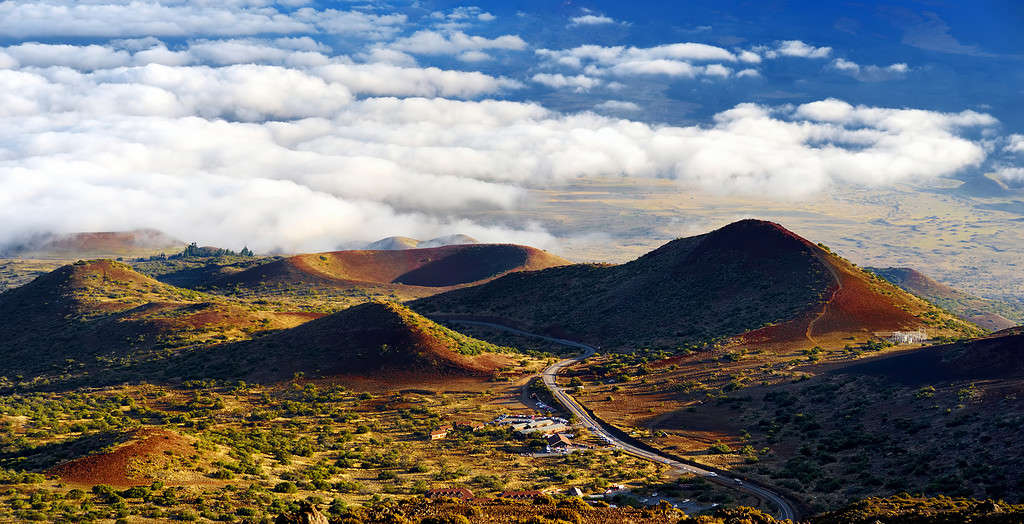
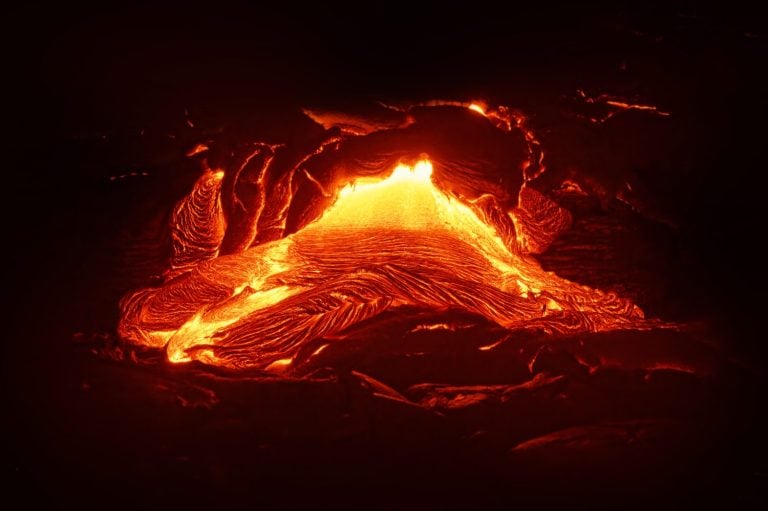
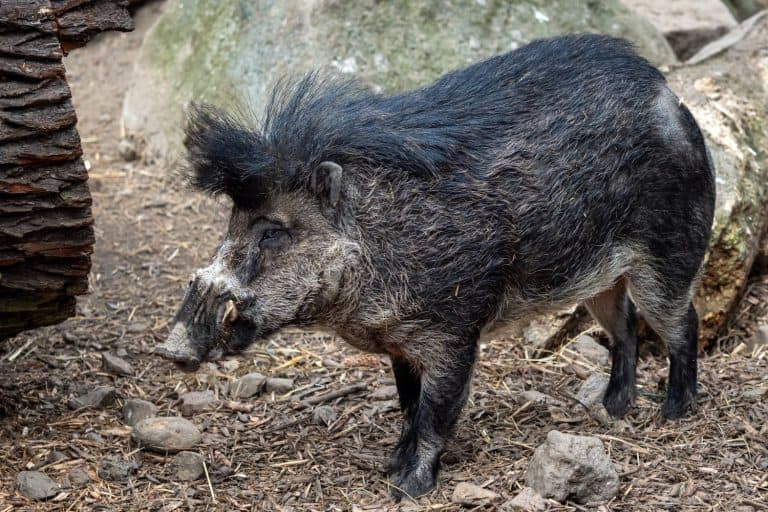
Invasive species wiped out some wildlife in Hawaii.
©MNStudio/iStock via Getty Images
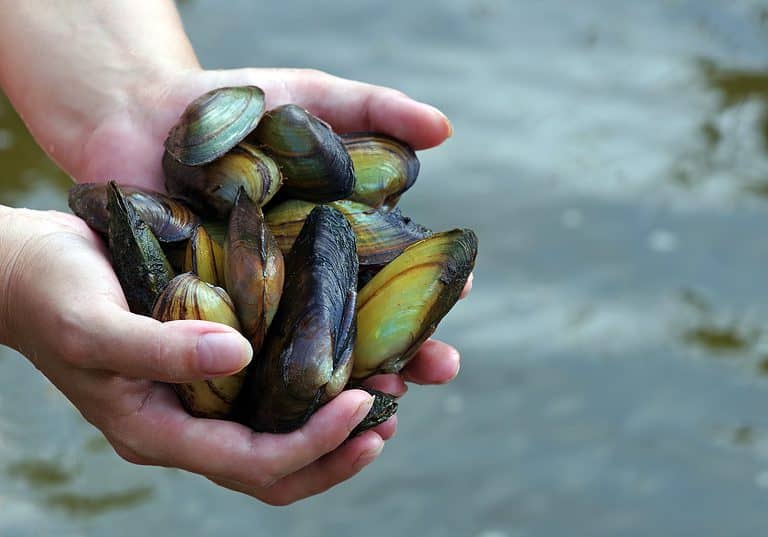
The scientists found that different groups of animals had very different extinction rates. They were highest among mollusks (snails and mussels) and tetrapods (four-legged animals, including mammals), but lower in plants and arthropods (invertebrates such as insects). Rates also varied by location, with isolated islands suffering the worst. This could be explained by the arrival of invasive species. One such example is the Hawaiian Islands, where rats, pigs, and goats introduced by humans wiped out some native wildlife. On continents, most extinctions have affected freshwater species, primarily due to habitat destruction. Overall, while extinction rates increased over the past 500 years, they have generally declined during the last century.
Climate Change and Habitat Destruction
Interestingly, the study found no evidence that climate change has increased the rate of extinctions over the last 200 years. However, that does not mean that it is not a future threat. When the researchers looked at current threat levels allocated to species by the International Union for Conservation of Nature, they found that these patterns differ from past extinctions. Today, the greatest threats are faced by mainland species, and habitat destruction is to blame. In some ways, this research is reassuring, but it should not lead to complacency. Instead, it is hoped that these findings will inspire new efforts to protect the natural world.