
Quick Take
- That haunting, ear-piercing elk scream sounds like an animal in distress, yet the real reason behind it is far more calculated. Discover why elk bugle →
- Elk antlers evolved to interlock during sparring, and that same design comes with a consequence that can turn a rivalry into a death sentence. See how antlers interlock →
- Bugling isn't just noise. It sends two very different messages to two very different audiences at once. Explore bugling's dual signals →
- Elk fights look brutal, but the goal isn't what you'd expect. Both animals also silently agree to a hard limit. See the rules of elk fights →
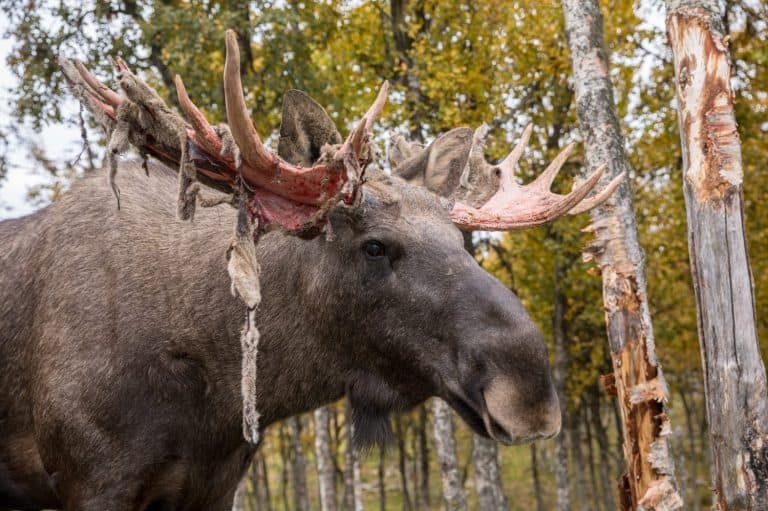
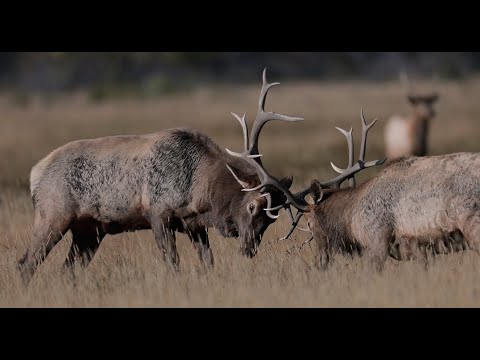
Animals like elk and moose have unique and fascinating behaviors during the breeding season. To compete for females, males often display behaviors unique to the season, such as fighting or bugling. While the rituals are intense, they are an essential part of these animals’ yearly behavior. This YouTube video by gregbalvin shows two elk fighting each other with the bugling sound in the background. Read here to learn more.
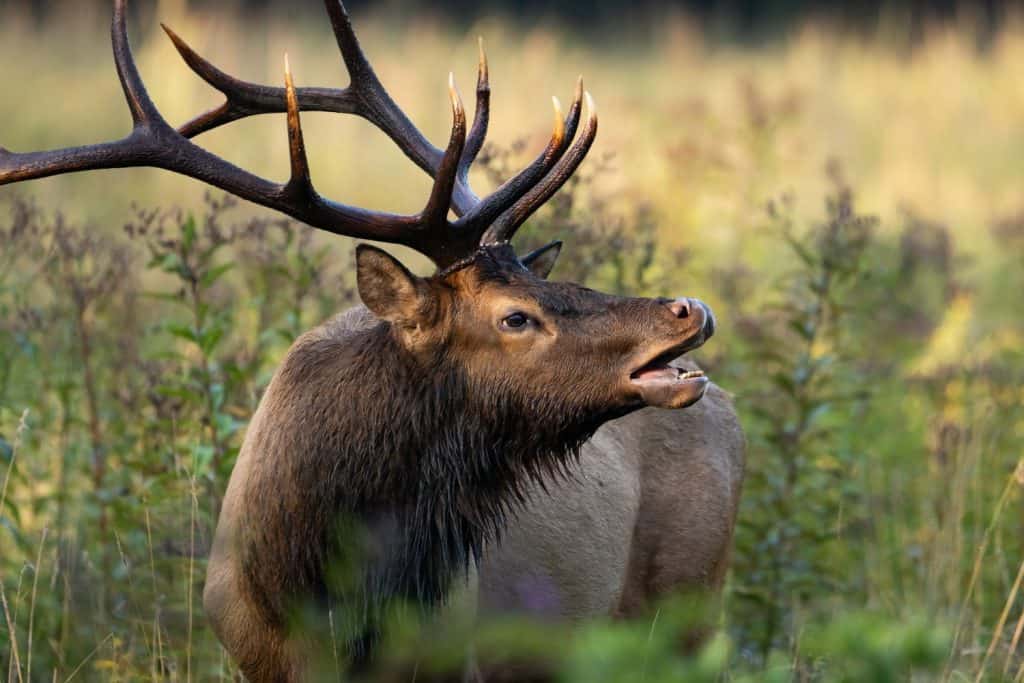
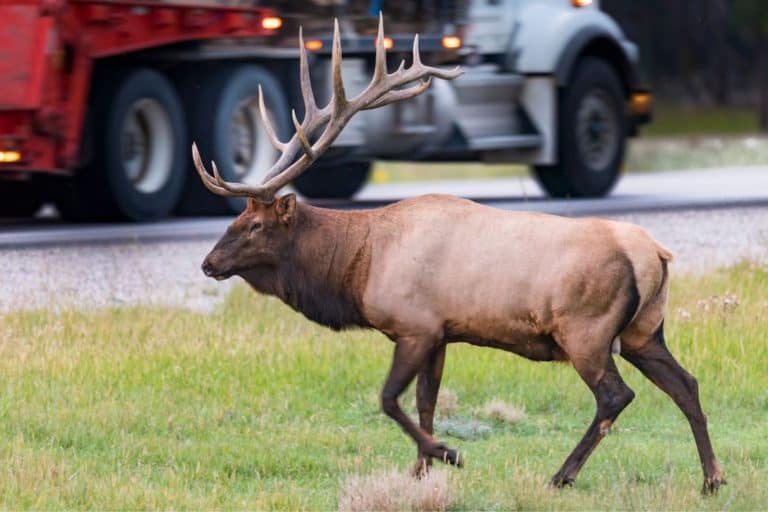
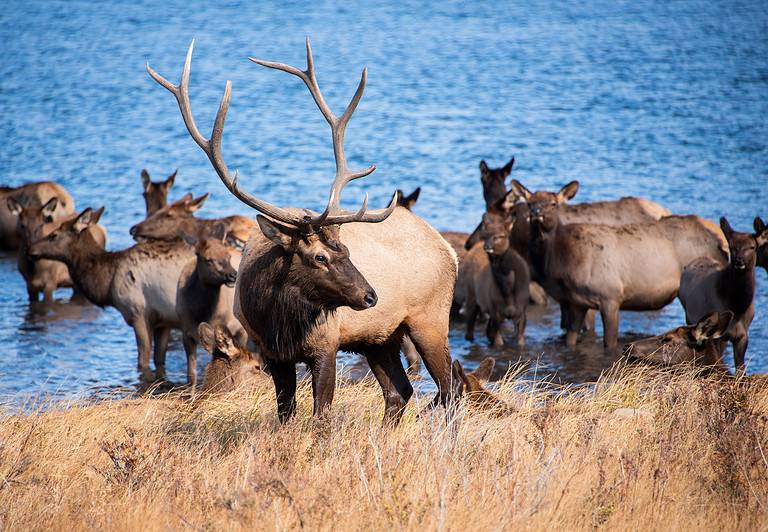
Elk rutting season lasts primarily between September and October.
©Cavan-Images/Shutterstock.com
What Is Elk Bugling?
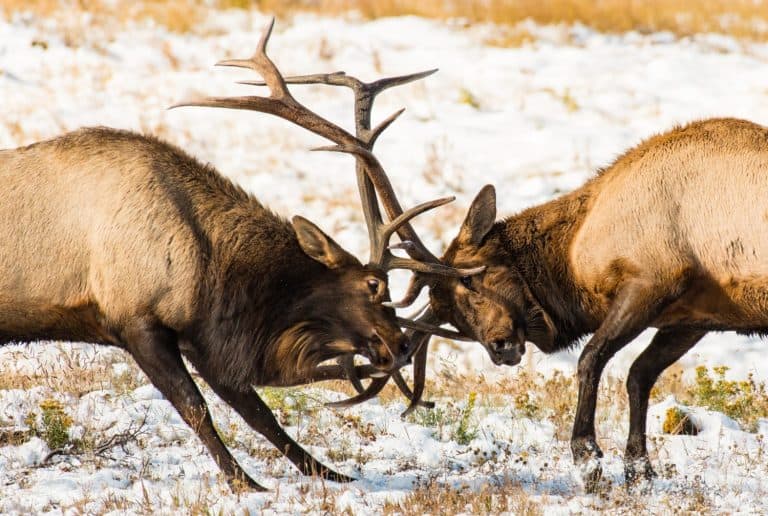
The video above is an amazing view of elk mating rituals. Similar to moose, elk bulls compete against each other for access to females. This involves several practices, such as sparring. To prove physical dominance and prowess, males push and pull at each other’s antlers in an aggressive display. They twist their heads back and forth to push and challenge each other, all in an attempt to make the other retreat. The goal generally isn’t to kill the opponent, but rather to establish dominance. Elk antlers are built in a way that allows them to interlock, making them perfect for these competitive displays. While elk have evolved to minimize serious injury during sparring, injuries can still be painful and sometimes even fatal. Occasionally, antlers become stuck together, leaving the elk unable to separate. This can be deadly, as the animals are unable to eat, move, or defend themselves properly.
One of the most notable aspects of elk mating season is bugling. Bugling is the high-pitched, scream-like sound that you can hear in the video above. While the scream may sound a bit haunting, it is a normal part of the display that has nothing to do with pain or crying for help. Elk bugle for several reasons. One reason is to attract mates by demonstrating strength and vitality; a strong bugle is often seen as a sign of fitness by potential females. It also serves to ward off potential rivals by demonstrating prowess. While the sound may seem like a desperate call for help, it is actually a normal occurrence during rutting season.