
Quick Take
- The spiders you fear most could bite at any moment, yet why almost none of them ever do comes down to one specific reason. Why they rarely bite →
- One spider lurking in your home hunts other spiders by impersonating their prey, and it's probably in your house right now. Meet your indoor hunters →
- A certain group of spiders has developed a surprisingly selective appetite that quietly works in your favor. See their pest-control diet →
- If you think your home is spider-free, researchers who checked 50 houses have some news for you. What the research found →
Step into any house and you might believe you’ve shut out the wild world. Yet, just beyond our sight, an entire cast of spiders quietly shares that indoor space. Some slip inside by accident, some are merely passing through, but a few species have adapted to make their homes among ours, living and even raising their young within our walls.
Continue reading
Unseen Hunters in the Corners
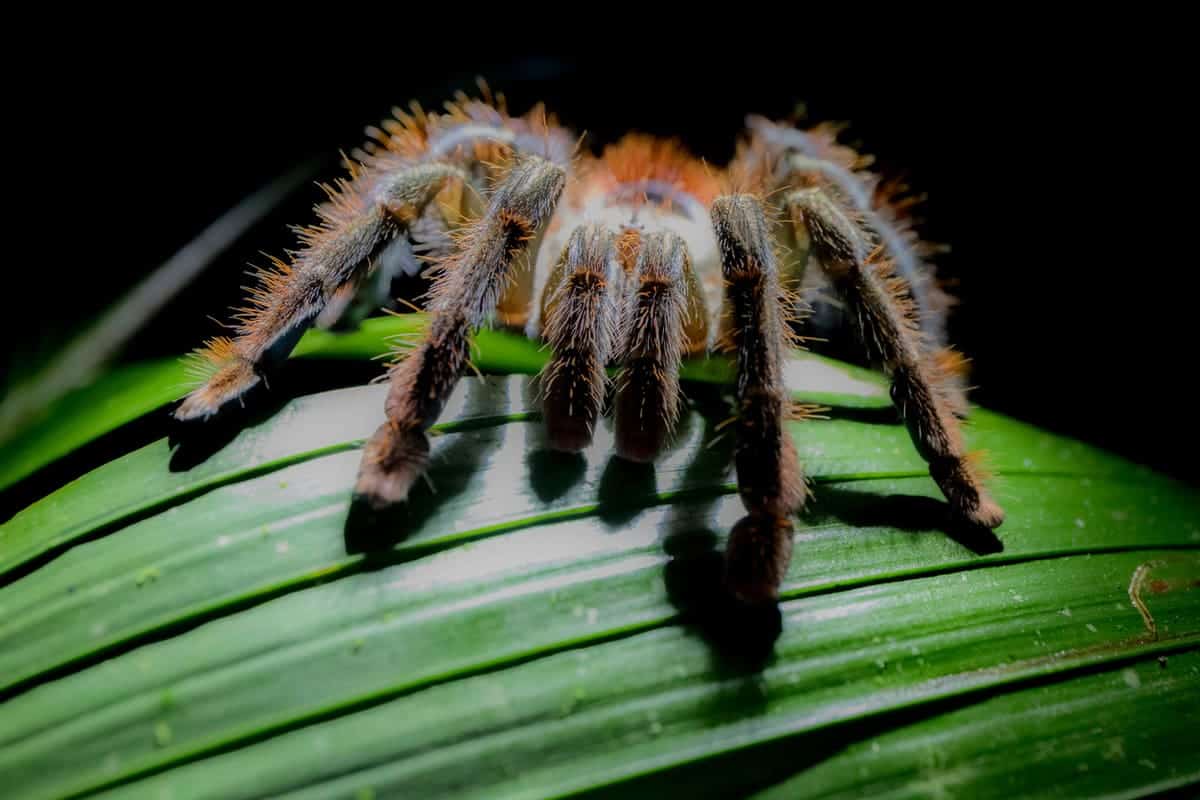
Spiders rarely draw attention to themselves. Most live quietly in nooks and crannies, never revealing their presence unless disturbed. Contrary to common fear, almost every spider in your home is neither aggressive nor dangerous. In fact, their main occupation is something few would object to: hunting household pests.
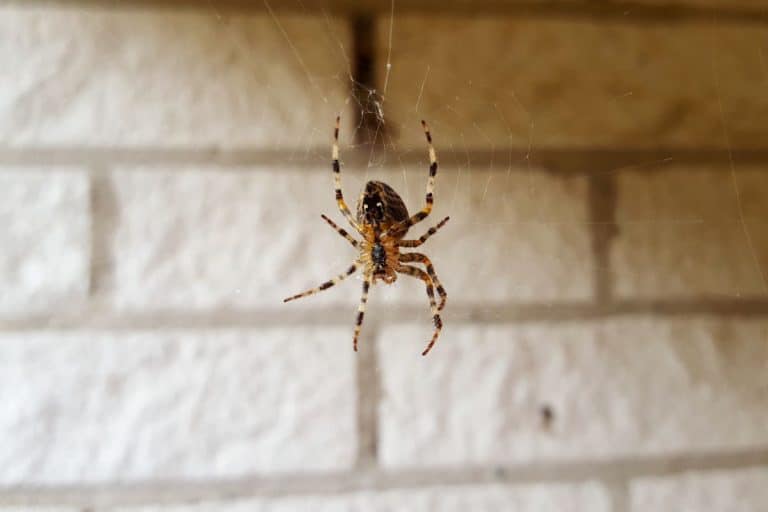
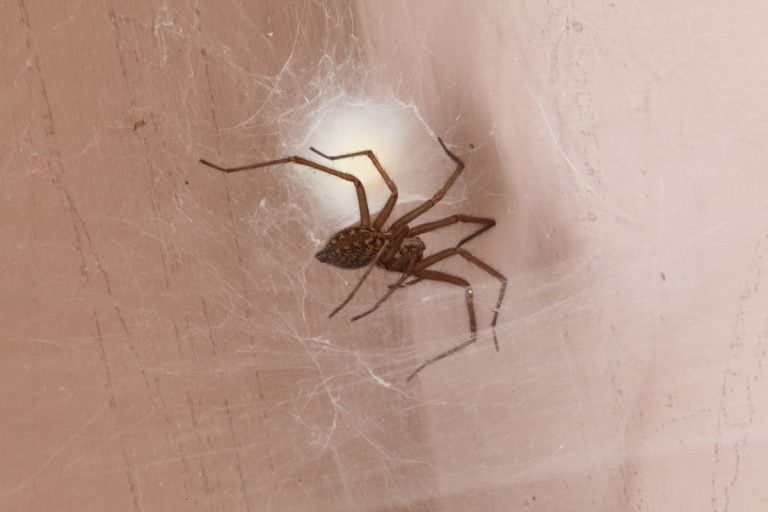
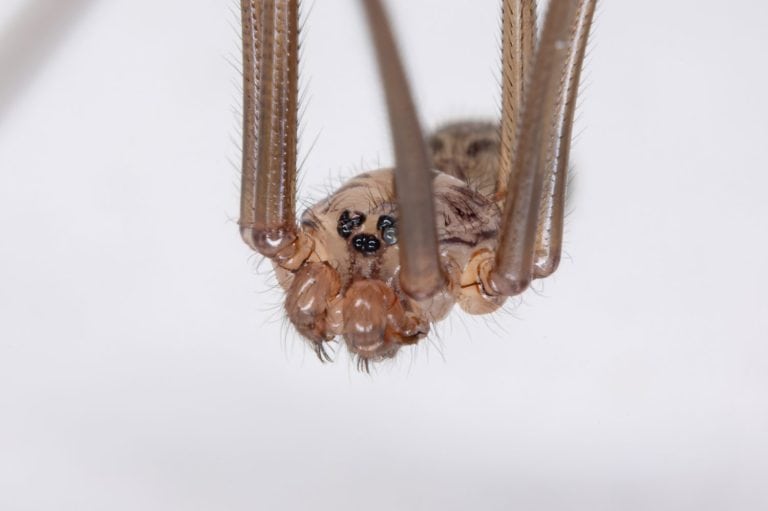
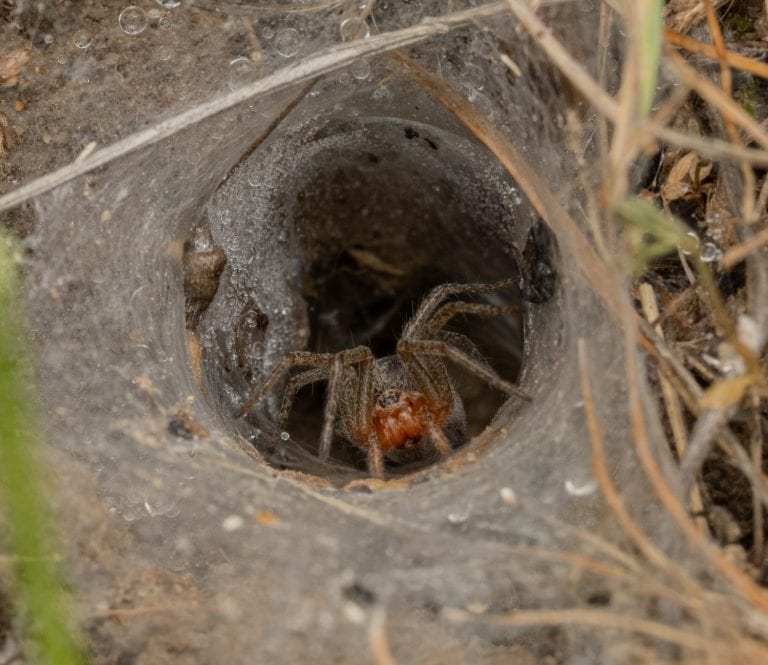
Researchers, including entomologists who surveyed 50 homes in North Carolina, found evidence in every location, spiders were present in all. The species most often encountered were house spiders and cellar spiders, both known for weaving webs and waiting patiently for prey. Cellar spiders sometimes stray from their webs to stalk other spiders, even mimicking trapped insects to lure their cousins, making them both predators and opportunists under the roof.
A Natural Defense Against Pests
Spiders do more than keep to themselves. Many act as generalist predators, feeding on any small creatures that cross their path. This menu often includes insects viewed as nuisances, such as mosquitoes, some of which can carry diseases. Certain African jumping spiders, for example, have been observed preferring blood-filled mosquitoes, providing an additional, if invisible, layer of protection for homeowners.
So, while a spider’s presence might be unsettling, its unseen work benefits those living around it. Rather than pose a threat, spiders often serve as the first, and sometimes only, line of defense against less welcome intruders.
The Real Risks and the Larger Fear
It’s natural to be wary of spiders. Their eight legs and quick movements startle even seasoned entomologists. While nearly all spiders possess venom, the vast majority have such mild toxins, and such small fangs, that they pose almost no risk to humans. Most bites are exceedingly rare, and even notorious species like the black widow or brown recluse only bite in exceptional circumstances, seldom resulting in serious harm.
Ironically, spiders fear us more than we fear them. They’re quick to flee, preferring to stay hidden and out of the way. When fear proves overwhelming, capturing and releasing a spider outdoors is the kinder alternative to killing it, both for the spider, which gets a new territory to explore, and for people feeling relief from an unwelcome encounter.
An Invitation to Tolerance
But if you can manage it, experts say, allowing spiders to remain indoors is perfectly normal. Even if they escape notice, they’ll continue working silently, their webs collecting pests and other spiders alike. In reality, whether seen or not, spiders are nearly always present in our homes. Choosing acceptance over fear doesn’t just benefit the spider, it quietly enriches the household ecosystem, too.