
Quick Take
- This spider doesn't spin a web. Instead, it weaponizes a moth's own mating instincts against it. See the lure in action →
- Some bolas spiders shift their chemical formula mid-hunt, and the reason why is stranger than it sounds. Explore the chemical shift →
- Male moths follow their instincts perfectly, and that is exactly what gets them killed. How instinct becomes fatal →
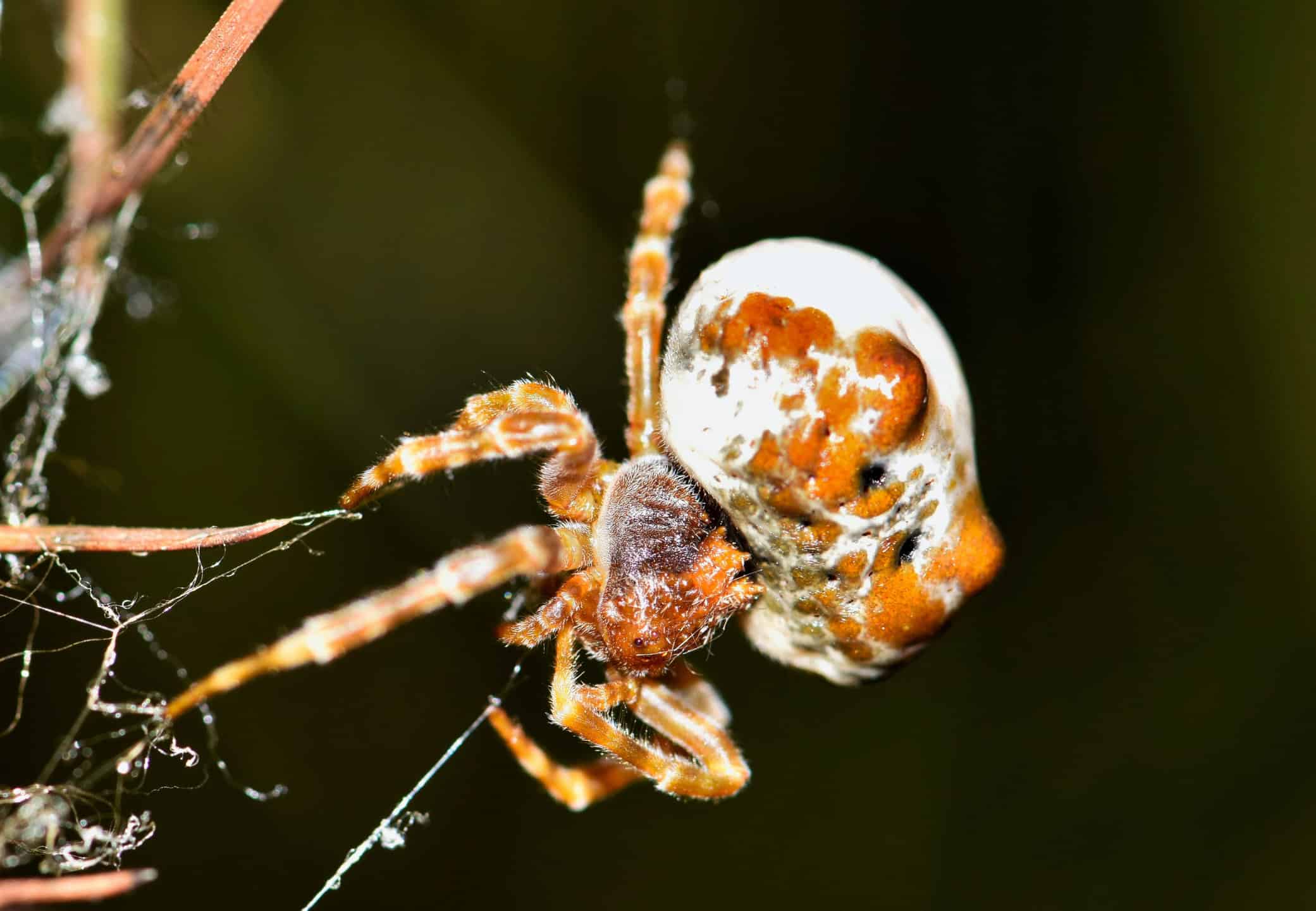
In nature, everything is balanced. For every winged insect, there’s a spider hiding in wait to capture it. A web is the weapon of choice for many spiders, but not so with the bolas spider (Mastophora hutchinsoni). This unique orb weaver is an active hunter that opts for chemical warfare rather than the traditional wait-and-see approach.
The silk of the bolas spider is one of a kind, and for its moth prey, it’s also irresistible. Unfortunately, it’s also the last thing a moth sees before one venomous bite takes its life.
The Perfect Lure of the Bolas Spider
The relationship between a bolas spider and moths, which make up the majority of their diet, is almost ironic. Bolas spiders can produce moth-like sex pheromones that mimic what a male might seek from a female. As moths trust their curiosity and instincts, both lead them directly into the trap spun by the bolas spider.
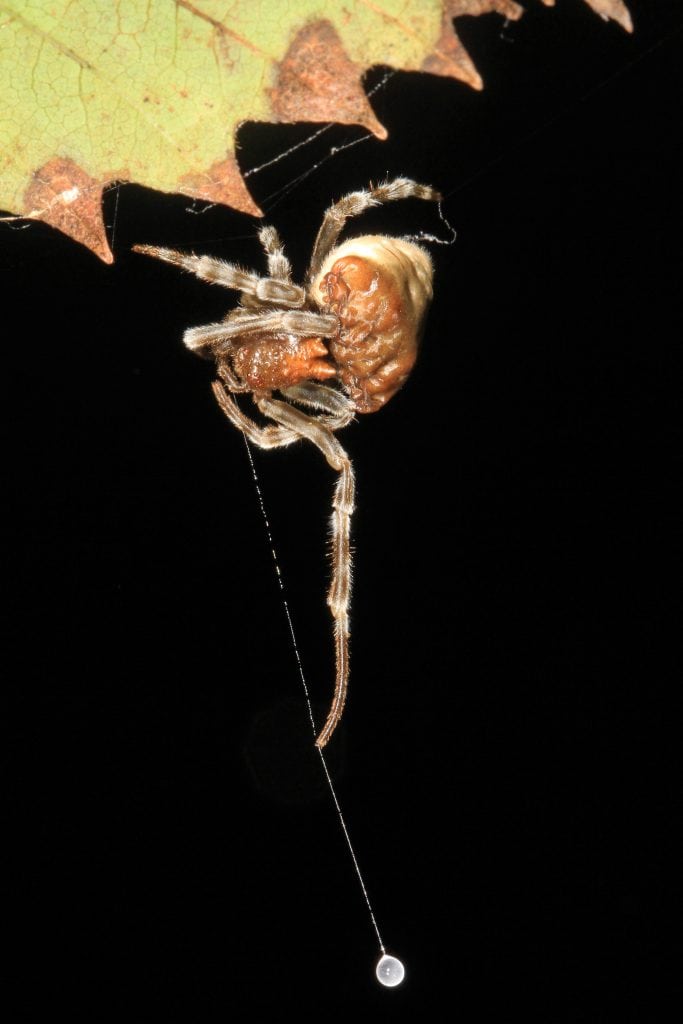
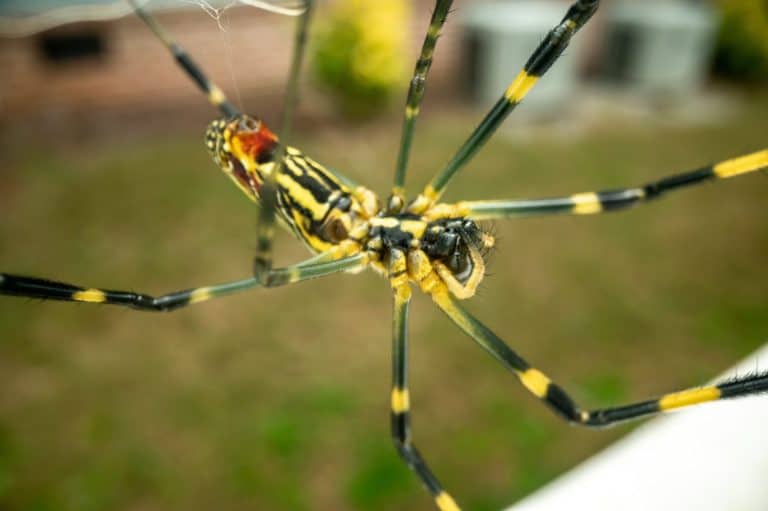
The bolas dangles on a thin silk strand, waiting for unsuspecting prey.
©Judy Gallagher / CC BY 2.0 / Wikimedia Commons – Original / License
This arachnid was named for the glue-like ball, also known as a bolas, that it attaches to the bottom of its silk. Females dangle this from above and use it as a lure. The sticky, viscous fluid covering the bolas is a trap lying in wait. This, combined with pheromones secreted into the air, is what attracts the moths to the ball, thinking it’s a female ready to mate.
As moths home in on both the pheromone and the bolas, the bolas spider strikes. As light reflects off the bolas and confuses the moth, the spider flicks its silk string toward the insect. If her aim is good, she’ll hit the moth head-on. As she does, her prey finds themselves stuck to the bolas like a glue trap. In a matter of seconds, she reels in her silk. When the moth is close enough to grasp, the bolas spider bites, effectively ending the moth’s life with a potent venom.
How Bolas Spiders Synthesize Moth Pheromones
When moths are ready to mate, they release a pheromone known as (Z)-9-tetradecenyl acetate. This signals to other nearby moths that they’re seeking a partner. Studies are ongoing, but somehow the bolas spider can replicate this through specialized internal biochemical pathways.
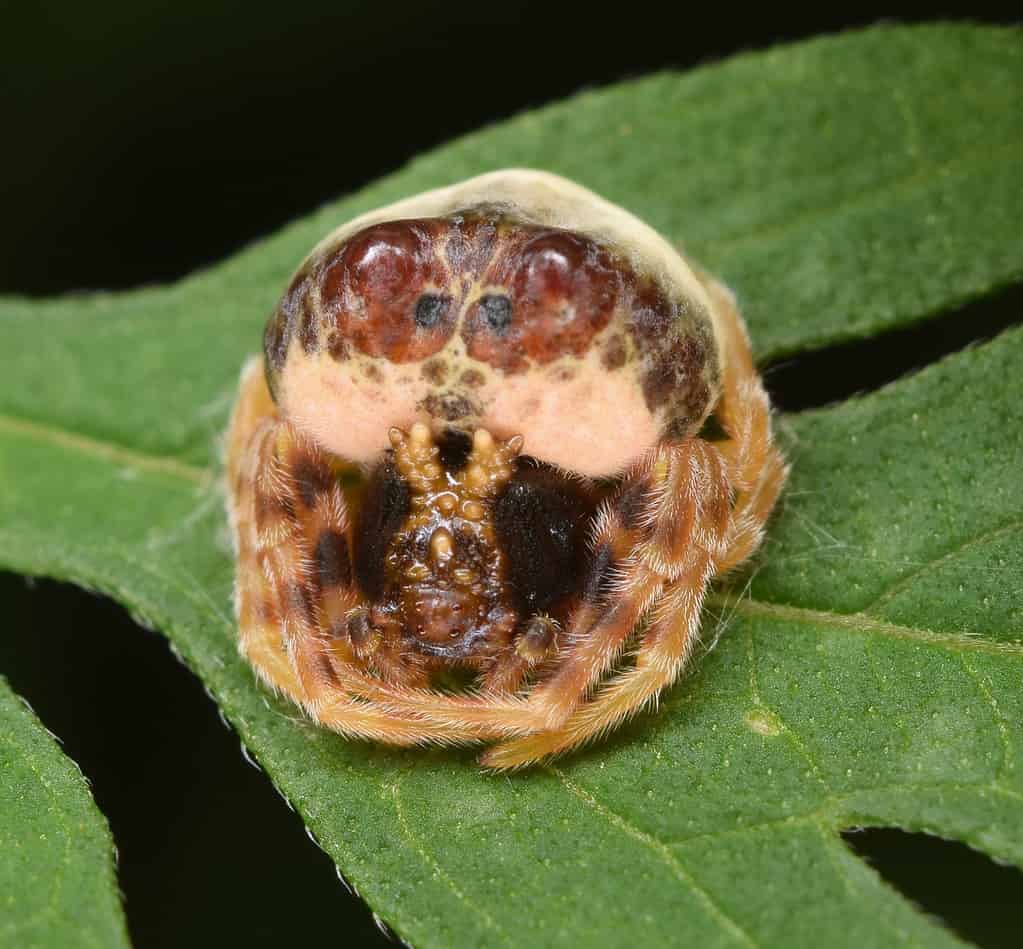
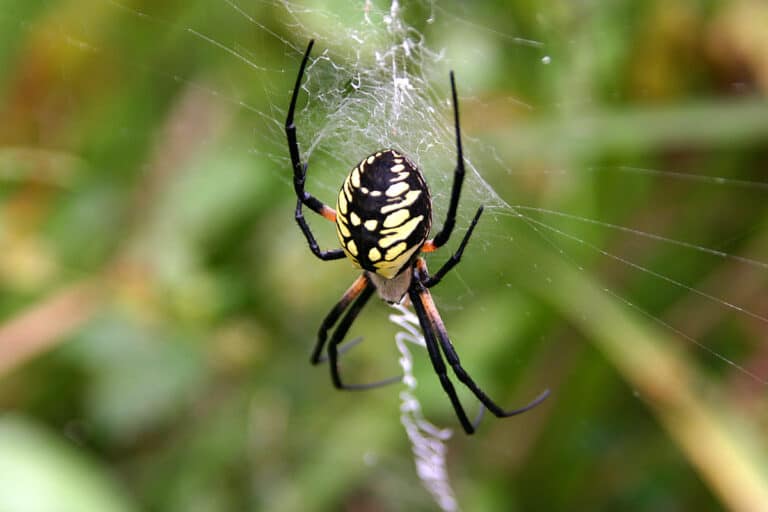
Bolas spiders are orb-weavers that use biochemicals to catch their prey.
©Christina Butler from Georgia, United States / CC BY 2.0 – Original / License
Once these pheromones are produced, the bolas spider also releases them into the air to increase its chances of catching prey. Even more fascinating is that some species of bolas spider can alter their synthesis to match a moth’s nighttime patterns. If a moth species is more active during one specific hour of the day, a bolas spider might alter the chemical composition of its pheromone to match this timing. This is a process called chemical mimicry, observed in only a small percentage of insects.