
Quick Take
- Animal testing in cosmetics today often targets ingredients rather than the finished product.
- Testing can be commissioned by suppliers or contractors, so supply-chain verification is essential.
- Regulations vary by market; the US does not require cosmetic animal testing, but some rules exist.
What do you know about our modern era of brands and product testing on animals? Animal testing was once a routine part of product safety measures, particularly in the beauty industry. But is this still a mainstay of the industry, or have brands transitioned to other methods? What exactly happens when products are tested on animals?
Today’s animal testing differs from how it was back in the day. It’s typically done on a specific ingredient rather than a finished product, and there are often regulatory requirements based on specific markets or product categories. Still, are animals safe during this process, and how are these tests performed?
Because rules and market policies frequently change, we have uncovered some of the key details and methods behind animal testing. We’ll go over the history of these tests, what modern alternatives look like, the details involved in legal animal testing, and some brands that no longer perform tests on animals. Is animal testing still a vital process for brands? Let’s take a closer look.
What Is Animal Testing?
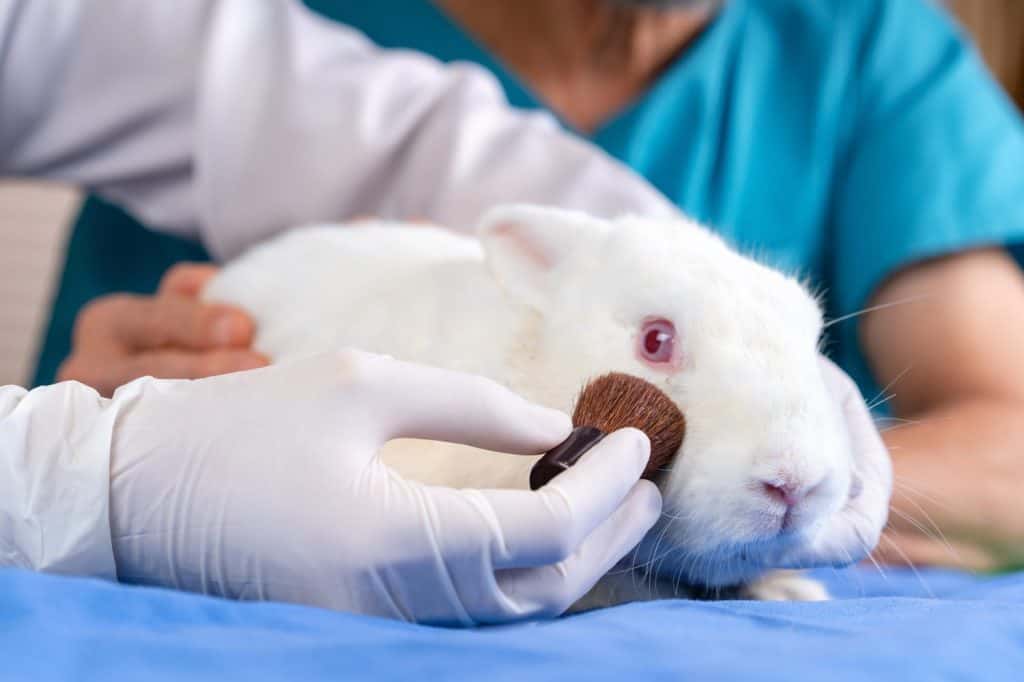
Brands can still test products on animals, but it is largely considered a risky endeavor.
©PlNA/Shutterstock.com
In beauty and personal care products, animal testing is often listed on branding packaging nowadays. The phrase itself can refer to testing at the ingredient level, the finished-product level, or both, depending on the product. It can also mean a brand ran the study, paid a contractor to run it, or benefited from testing done elsewhere in its supply chain, not that it performed tests on its own.
As with most businesses, phrasing and legalities are crucial, especially when it comes to a hot-button issue like animal testing. Here are some of the ways brands maintain animal testing in legal, less image-harming ways.
Ingredients Vs. Finished Products
Most large brands prefer not to test their finished products on animals because it is expensive and poses reputational risks. It’s also often unnecessary when their specific ingredients already have existing safety data. However, when a company introduces a new ingredient to its product line or uses an ingredient in a novel way, it often needs specific safety data to ensure the product can be sold.
In the United States, cosmetics are not required to be tested on animals, but companies still must ensure that their products are safe. The FDA has a guidance page on animal testing and cosmetics, which explains in detail the delicate dance brands must do to maintain the compliance of their products.
Who Actually Does the Testing Matters
A brand can honestly say that it does not test on animals but still be connected to animal testing. This can happen if a supplier commissions certain studies and a contractor runs them. That is why the strongest cruelty-free brand standards consider whether animal tests were commissioned anywhere in the supply chain, not just whether the brand conducted the tests itself.
Why Did Animal Testing Become Standard?
Animal testing reached its peak during a particular era in the United States.
©New Africa/Shutterstock.com
Animal testing became common in personal care brands and businesses alongside the development of 20th-century toxicology standards. Companies were expected to be able to defend product safety with standardized methods, and this is the history behind these methods.
Safety Standards in U.S. Law
Product safety expectations grew significantly over the 20th century, including the U.S. framework involved in the 1938 Federal Food, Drug, and Cosmetic Act. This framework pushed companies toward animal studies and testing, as they were widely treated as the most defensible choice for many categories of consumer products.
Irritation Tests on Animals
Some of the best-known cosmetics-related tests focused on irritation, including what’s known as the Draize test. Developed in the 1940s to evaluate eye and skin irritation, this test and many others became iconic in the public debate surrounding animal testing because of their obvious potential to cause harm and involve cruelty.
Public pressure and outcry built up over time, especially as animal welfare groups and scientists found out two clearly cruel facts: animals can easily suffer during product testing, and animal data isn’t always the best predictor for how these products can affect humans.
What Changed in Animal Testing and Why?
Consumers demanded more from the brands that were once tested on animals, and scientists did, too.
©AndriiKoval/Shutterstock.com
Public outcry was one of the first steps leading to changes in animal testing, but scientists also needed to be on board before true change was ever going to happen.
Introduced in 1959, the “3Rs” concept provided valuable insight from scientists seeking ways to test products while minimizing harm to animals. Standing for replacement, reduction, and refinement, the 3Rs are discussed in the USDA National Agricultural Library, which explains how animal testing has evolved from a simple choice of testing or not testing to using the most predictive and least harmful methods.
By 1981, the Johns Hopkins Center for Alternatives to Animal Testing (CAAT) was founded, a center that establishes methods capable of meeting safety needs without relying on animal models. The scientific push for animal safety, paired with consistent animal rights advocacy, led to the animal testing standards we know today.
Consumer campaigns and protests also brought this topic into our everyday shopping decisions. For example, the Body Shop has a long-running stance of being forever against animal testing, and similar campaigns helped bring this practice into the forefront of our minds. If consumers do not support brands that test on animals, their sales reflect this, which is more likely to lead to change.
Different Cosmetic Regulations in Animal Testing
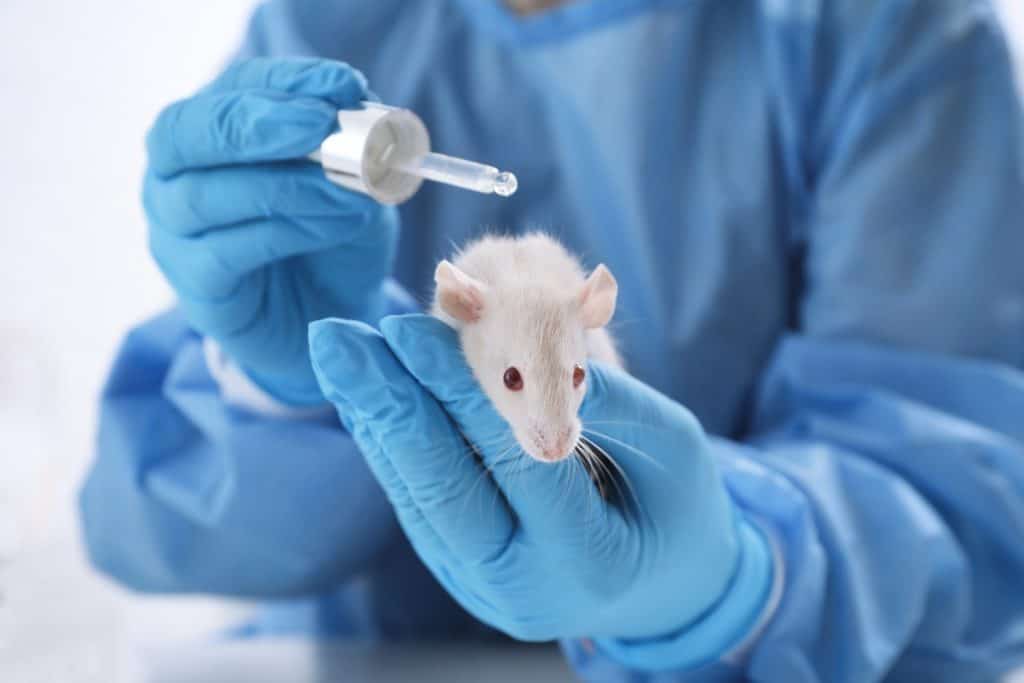
Certain products can be tested more like drugs rather than beauty items, which means animals may be involved in different tests depending on the product.
©New Africa/Shutterstock.com
Part of the confusion surrounding animal testing is that products can fall under multiple different legal categories. Additionally, animal testing rules are not standardized around the world, meaning some brands can conduct more testing depending on where they are located.
For example, certain personal care products are regulated more like drugs than cosmetics. Drug-related regulations have different expectations for the data that is requested and how the safety of a product is demonstrated. One of the biggest products treated this way is a common one: sunscreen.
Sunscreens are regulated as over-the-counter drugs in the U.S., and as of late 2025, the FDA is required to implement non-animal testing strategies for evaluating sunscreen ingredients, moving beyond merely encouraging alternatives. However, for products of all types, animal testing today likely does not resemble what you might imagine, especially compared to how it used to be.
What Modern Animal Testing Actually Looks Like
Guinea pigs and other rodents are common subjects in animal testing.
©Arcady/Shutterstock.com
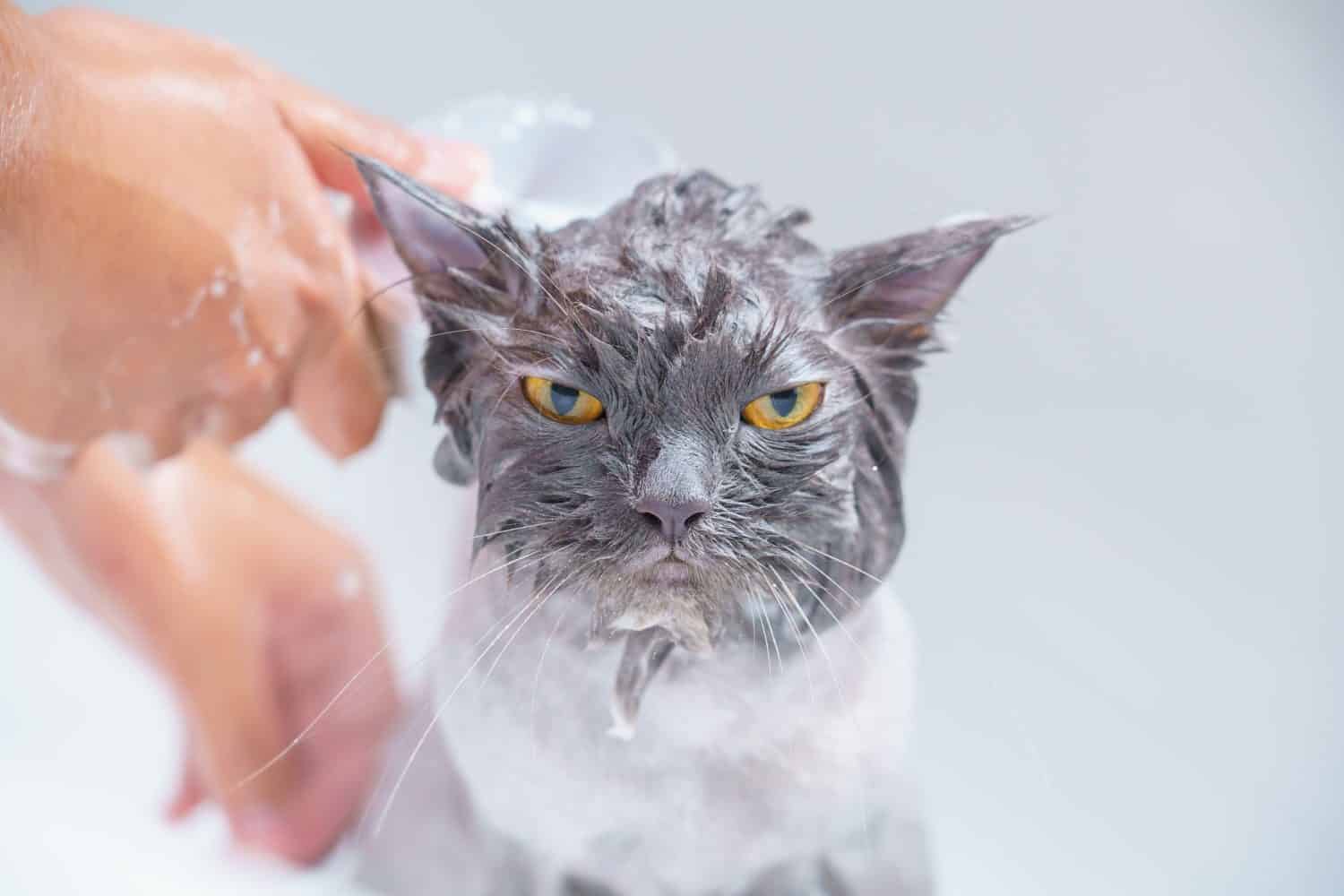
While it may seem that brands test their products on animals in the exact same way humans will eventually use them, this is not the case. There are standardized toxicology tests designed to measure irritation, corrosion, sensitization, or systemic effects on animals. While still potentially unpleasant, scientists aren’t washing a cat’s hair or putting mascara on a mouse’s eyelashes.
Anything from eye irritants to skin allergies is tested in small, scaled-down batches on animals. They are closely monitored for changes and reactions, with any adverse side effects noted for future testing. However, many modern product tests are moving away from animals, as these side effects can still cause harm.
Reconstructed human tissue models are becoming more popular for testing skin irritation, as replacing animal skin with lab-grown human tissue helps avoid many issues surrounding animal testing in general. For eye irritation testing, human corneas are also being reconstructed in similar ways to standard tissue, making it clear that avoiding animal testing is becoming a priority.
What It Means When a Modern Product Still Tests On Animals
Certain modern products are legally required to list that they still test on animals, depending on their practices and locations.
©Roman Chazov/Shutterstock.com
In real-world product branding, some still indicate that they test on animals. However, this is usually legal shorthand for a variety of possibilities.
“Required By Law” Policies
Some companies state they don’t test their products on animals unless laws require it in certain markets. For example, Estée Lauder Companies lays out this position in its statement on animal testing and global regulatory requirements, stating that, while most regulators accept non-animal approaches, requirements can still exist in some rare cases, even today.
Supplier Or Contractor Testing
Even if a brand avoids animal tests within its own facilities, animal testing can still occur through suppliers or contracted testing facilities. This is why many advocates and responsible business owners pay attention and advocate for supply-chain controls. Cruelty Free International describes its Leaping Bunny approval program as involving supplier monitoring and independent auditing, ensuring that brands wishing to be labeled free of animal testing understand every level where this testing can occur.
Brands That Don’t Test On Animals Vs. Cruelty-Free Practices
Some brand announcements regarding animal testing feel impersonal, as if they are merely making these statements to gain consumer trust. Are there any brands that truly do not test their products on animals, and what about brands that label their products as cruelty-free? Let’s break down some wins and differences between these concepts.
In 2018, CoverGirl earned a Leaping Bunny certification, describing it as a major milestone the company was proud to reach. This was a significant moment for animal rights advocates, as a mass-market brand chose to align with a program that focuses on supply-chain standards rather than relying on a simple marketing phrase such as ‘cruelty-free.’
Part of the issue with the term ‘cruelty-free’ is that this phrase and ‘not tested on animals’ can be used inconsistently, sometimes interchangeably, especially depending on where you live. Additionally, some of these phrases are not regulated as consumer guarantees.
To help make sense of it, Humane World’s guidance on interpreting brand labels explains why third-party verification can be far more meaningful than trusting a brand. Doing your own research is necessary today, even if a brand has demonstrated its reliability and commitment to animal welfare.
How to Be a Consumer in a World That Still Tests On Animals
Animal testing is becoming a thing of the past, but it isn’t over yet.
©ElenaYakimova/Shutterstock.com
The average consumer is likely not aware of supply chains, product categories, regulatory markets, or whether a company can absolutely guarantee that no animal testing occurred during the making of its products. However, it’s important to keep in mind that alternatives to animal testing are becoming more commonplace, and more modern brands are pledging to avoid this option as often as possible.
There is a real reason many companies and regulators now treat animal tests as something to avoid, rather than as a default. However, these tests can, and unfortunately still do, happen even when a brand has good intentions. The lesson you can remember as a consumer in our modern world is to treat any marketing phrase regarding animal testing as a reason to ask better questions. Ask who commissioned the product’s testing, what kind of testing was conducted, and seek out brand standards that address these concerns as a starting point.