
Quick Take
- When infected, these tadpoles broke a rule that every other animal follows, and the reason why could flip what scientists thought they knew about fighting disease. See the experiment →
- There's a specific reason fever is the wrong response to some viruses, and that reason comes down to what the virus itself actually needs to survive. Understand the cooling strategy →
- A simple environmental tweak could dramatically change survival odds for tadpoles facing a disease with no cure, though the effect depends on something most wetlands lack. Discover the survival tweak →
Like other evolutionary adaptations, fevers are something of a gamble. The body recognizes a foreign pathogen or potential infection, and it springs into action. It essentially tells the invader: “You might kill us, but not if I kill you first — even if that means destroying myself with increasing amounts of heat.” Where the adaptive immune system is precise, specifically targeting pathogens with antibodies, the innate immune system is a carpet bomber. It triggers a fever response and relies on this general defense mechanism. Fevers are one of the best mechanisms the body has for combating infections. They operate on the principle of “good enough,” even if they put your body in serious jeopardy.
Most animals increase their body temperature through internal regulation and metabolic transformation. Ectothermic animals like fish and reptiles, however, usually have to find warmer environments to get the same effect. Even more rarely, some ectothermic animals do the opposite by fighting off pathogens through cooling. This is an uncommon strategy in the animal kingdom, but European researchers have now demonstrated it experimentally. Below, we explore this new study and what researchers discovered about how agile frog tadpoles change their temperature preferences after being infected with ranavirus.
Continue reading
Cooling Off
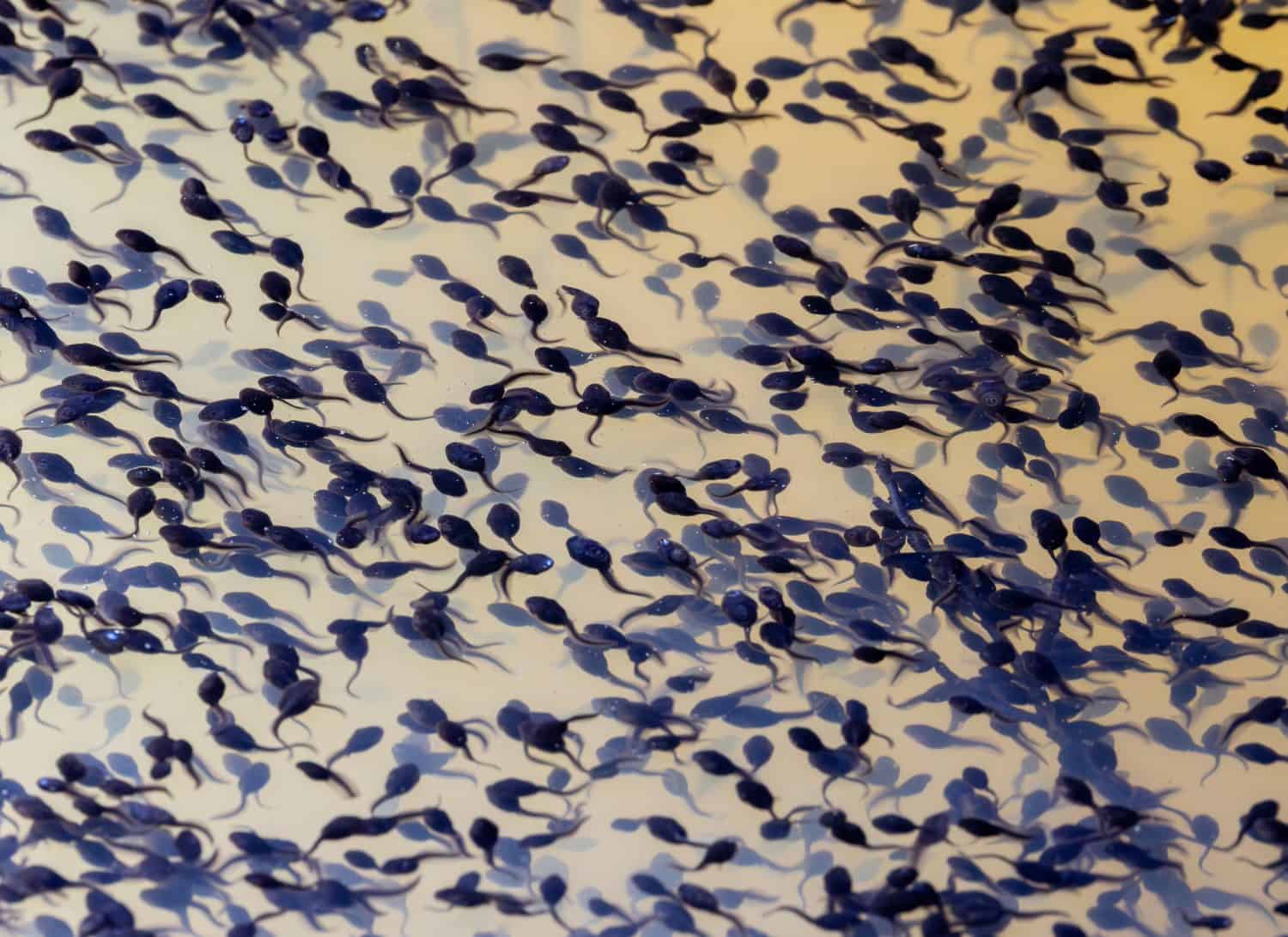
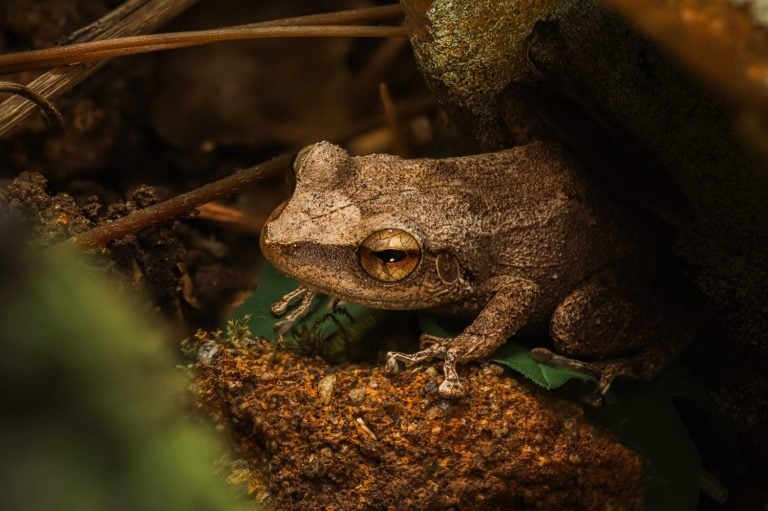
The latest research shows that agile frog tadpoles will seek cooler temperatures in an attempt to reduce the viral load of deadly infections like ranavirus.
©Sebastian_Photography/Shutterstock.com
Ranavirus is one of the most destructive pathogens in the world of amphibians. While it does not affect humans, ranavirus causes catastrophic symptoms in frogs and turtles. It causes lethargy, swelling of the limbs or body, fluid accumulation, skin hemorrhages, and even ulcers in affected animals. In susceptible amphibian populations, ranavirus can cause mass mortality events. Spread via direct contact, ingestion of infected tissues, or contaminated water, ranavirus kills between 90 and 100% of the amphibians it infects.
Hungarian researchers from the HUN-REN–ELTE–MTM Integrative Ecology Research Group and ELTE Eötvös Loránd University set out to learn more about how amphibians respond to the presence of this virus. To do so, the researchers placed one group of agile frog tadpoles in an artificial thermal gradient, allowing the tadpoles to freely regulate their body temperatures. They placed another group in consistently cool conditions. Over five days, they monitored the temperatures the tadpoles selected. Then, they used molecular techniques to quantify the amount of virus present in the tadpoles’ tissues.
They found that infected tadpoles kept choosing cooler water than their non-infected counterparts. It appeared that the higher the viral load a tadpole group faced, the cooler the temperatures it chose. Furthermore, infected tadpoles increasingly regulated their body temperature by restricting themselves to narrower temperature ranges. Meanwhile, the tadpoles kept in consistently cool conditions had significantly lower viral loads by the end of the experiment.
Different Viruses, Different Approaches
The findings, published in the journal BMC Biology, initially surprised researchers. Temperature is a major factor in the growth and development of tadpoles. Low temperatures mean low body weight. Cool conditions can make it harder to fight off pathogens.
As the study’s first author and research fellow, Dr. Dávid Herczeg explained to Phys.org, “Our results suggest that infected tadpoles fine-tune their body temperature to slow viral replication while avoiding the detrimental physiological consequences of excessively low temperatures. It is well known that low temperatures can slow growth and development in tadpoles and may also reduce the effectiveness of their immune system.”
Fever may be the best defense against infections, but only when the elevated temperature is detrimental to the invading pathogen. However, ranavirus thrives at higher temperatures, rapidly replicating and overwhelming the immune systems of amphibians. Tadpoles sought cooler temperatures because such conditions made it harder for ranavirus to proliferate. As another researcher, Dr. Attila Hettyey, explained: “Our study provides the first direct experimental evidence that ectothermic vertebrates can employ behavioral cooling in response to pathogens. These findings also demonstrate that behavioral responses to disease are far more diverse than previously recognized.”
The Amphibian Scourge
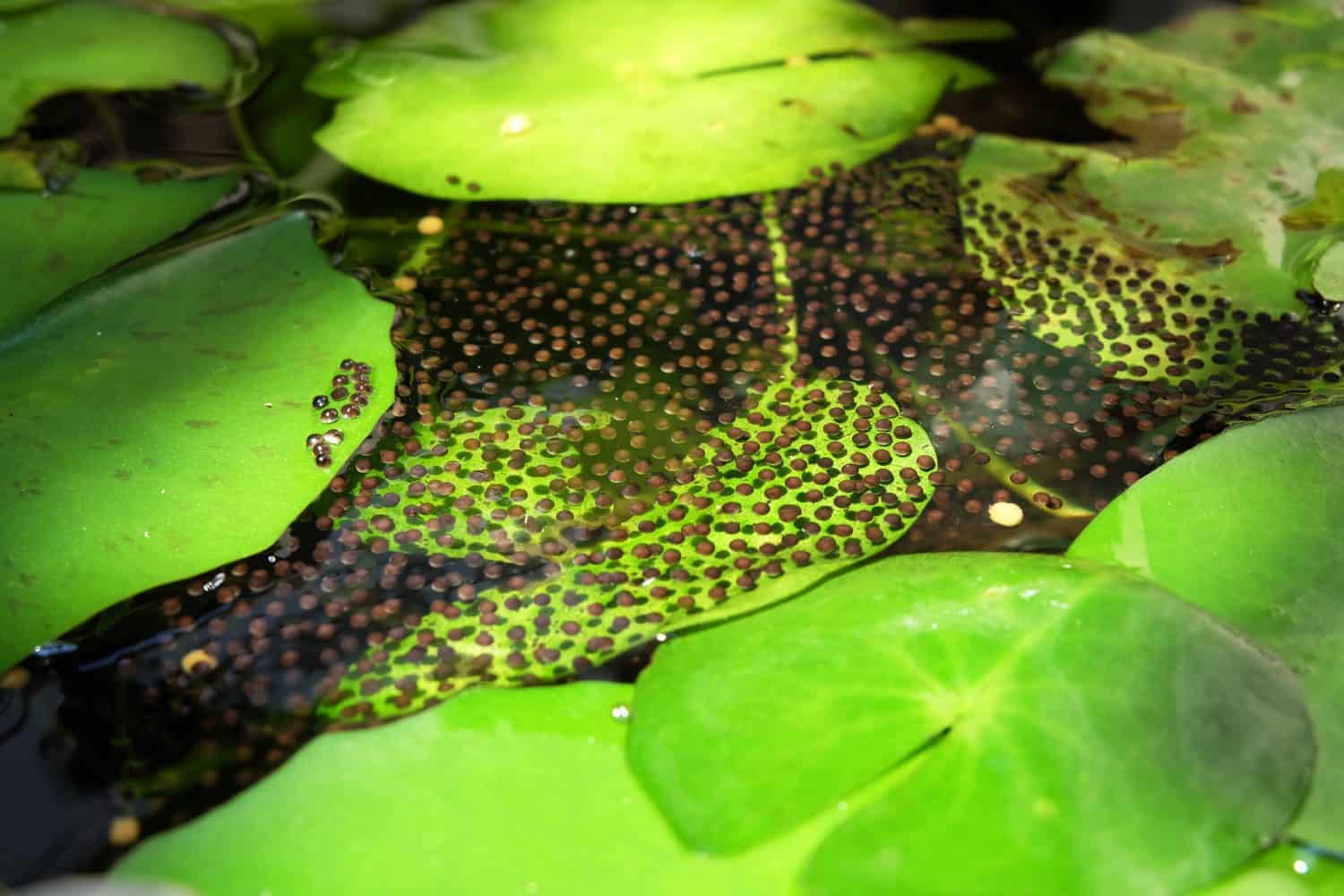
The latest research suggests that amphibians could face improved survival outcomes if provided with thermally diverse microhabitats.
©K.Yas/Shutterstock.com
Ranavirus is arguably the worst disease in the amphibian world. It causes turtles and frogs to break out in sores, become lethargic, develop internal hemorrhaging, and suffer severe fluid buildup. A single outbreak in a wetland or pond system can wipe out tens of thousands of amphibians in less than a week. Such die-offs, when aggregated globally, account for millions of deaths each year. Plus, over 263 species of amphibians, reptiles, and fish are affected, including at least 177 amphibian species, 49 fish species, and 37 reptile species.
Like many viruses, ranavirus exploits vulnerabilities in its hosts. Mortality from ranavirus infections is highest during larval and metamorphic phases. This means that tadpoles are at the highest risk of dying from the infection. Worse, no cure or preventative vaccine exists. Currently, the best researchers can do is implement strict biosecurity protocols or use bleach treatments to slow the spread of ranavirus.
This new research, however, offers a glimmer of hope for treatment. It appears that tadpoles already have a natural mechanism to combat ranavirus infection. The results suggest that providing thermally diverse microhabitats within wetlands could considerably improve survival outcomes for affected amphibians.