
Ever wonder why a spider picks your bathroom ceiling or basement corner to build their web? Spiders are incredibly selective when choosing a place to call home. Now that we’re nearing autumn, which is peak spider mating season, you’ll likely notice more spiders becoming visible in your house as males become more active in search of mates. It helps to understand where these little critters are hiding.
“Spiders build their webs for protection, as well as catching prey,” says Jacob Cohn, A.C.E., COO & Associate Certified Entomologist at Arrow Termite & Pest Control. “Depending on the species, spiders have multiple factors to consider before building.”
Wondering where you might catch those creepy crawlers this autumn season? Here are five factors that influence where spiders camp out in your home.
1. Food and Water Availability
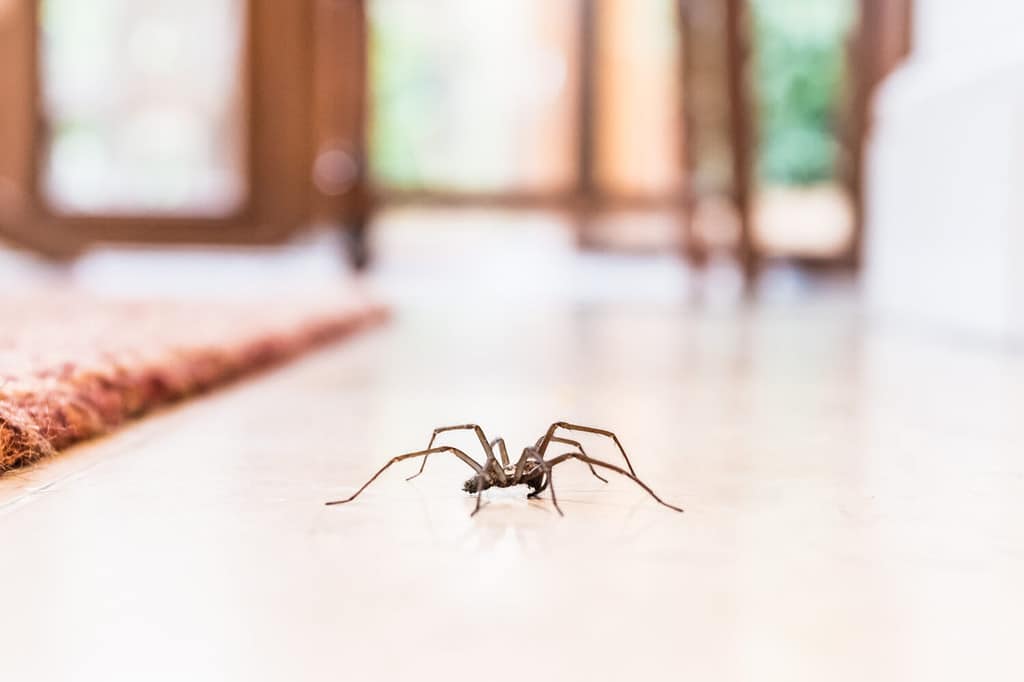
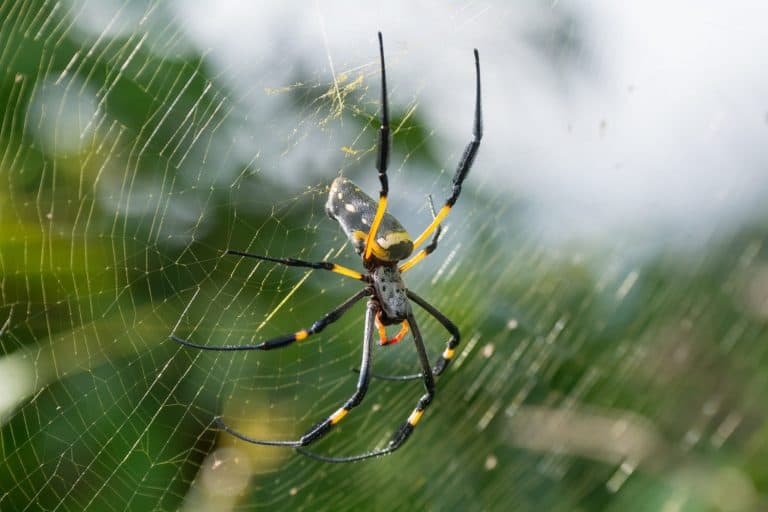
Spiders spend time in locations that provide access to prey.
©Christine Bird/Shutterstock.com
When spiders search for an ideal location to take shelter or build their webs, they keep food and water at the top of their minds. The arthropods typically will choose areas that experience a high volume of insects. For example, since many bugs are attracted to lights, they might spend time near a light fixture in your home. That’s why you might notice webs around your front porch lights or even near a lamp in your home.
“They’ll take things like food and water availability as the nest will serve as their hunting grounds,” says Cohn. “Places with lighting that attract flying insects will be more attractive than an open field with no light.”
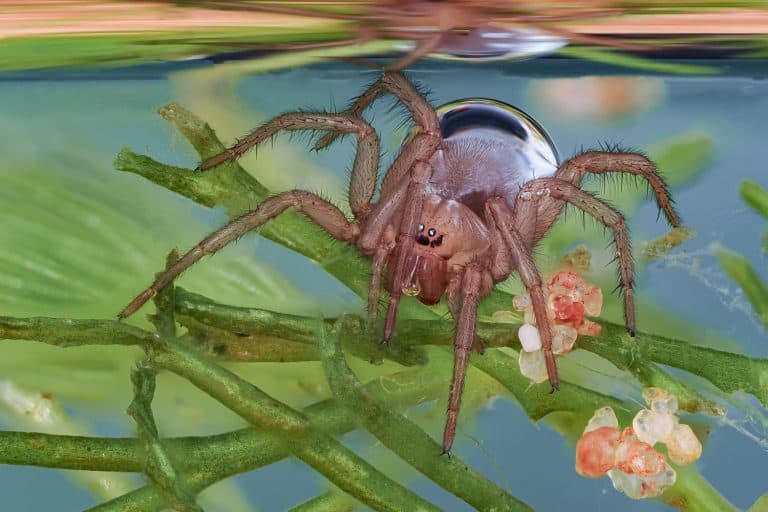
Additionally, like most animals, spiders need water to survive. Some are attracted to moist areas where water is more accessible, like bathrooms and kitchens. These locations also often attract insects for spiders to prey on, making them even more appealing.
2. Humidity and Temperature
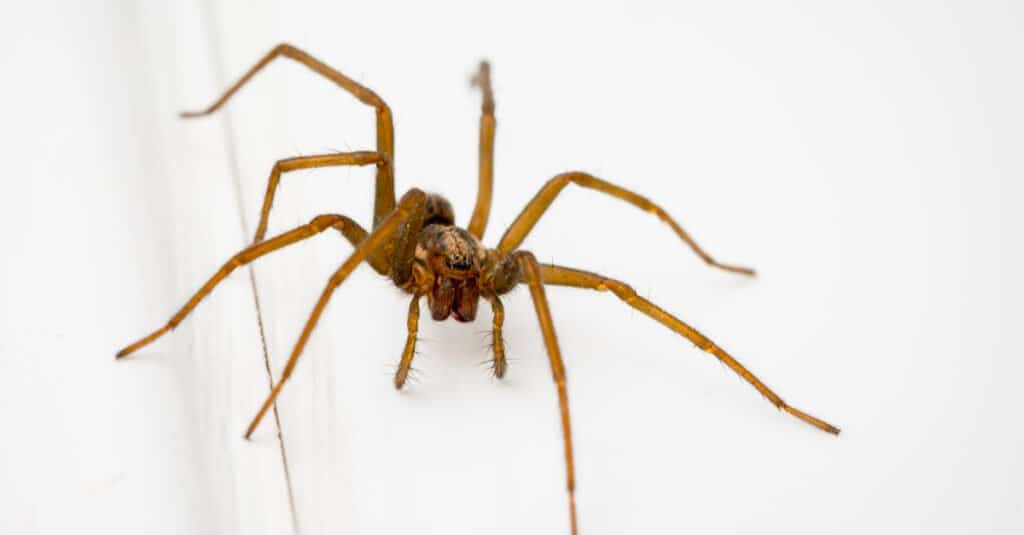
Spiders will often hide in bathrooms for their moist environments and water supplies.
©Sample Stars/Shutterstock.com
As mentioned, spiders are particularly drawn to moist and humid environments. Not only does this increase their access to nearby prey, but it also can help keep them nourished, as it typically means there’s water nearby.
That fact aside, humidity is actually crucial for spiders’ survival. The animals endure a molting process called ecdysis, during which they shed their exoskeletons. Without humidity, the spider could actually dry out and die.
As for temperature, according to the Burke Museum of Natural History and Culture, it’s actually a myth that spiders seek warmth inside our homes. Most spiders don’t attempt to get into our houses for protection; they likely already exist there, as house spiders have adapted to indoor environments and cannot survive outdoors.
Spiders are cold-blooded animals that rely on their environment for temperature regulation. That being said, when it’s cold, outdoor spiders typically become less active and dormant, so to speak. The warmer the location, the more active they become.
If you notice more spiders in your home during autumn, it’s likely because it’s mating season and male spiders become more active and visible as they search for partners, not because they are entering from outside.
3. Shelter and Stability
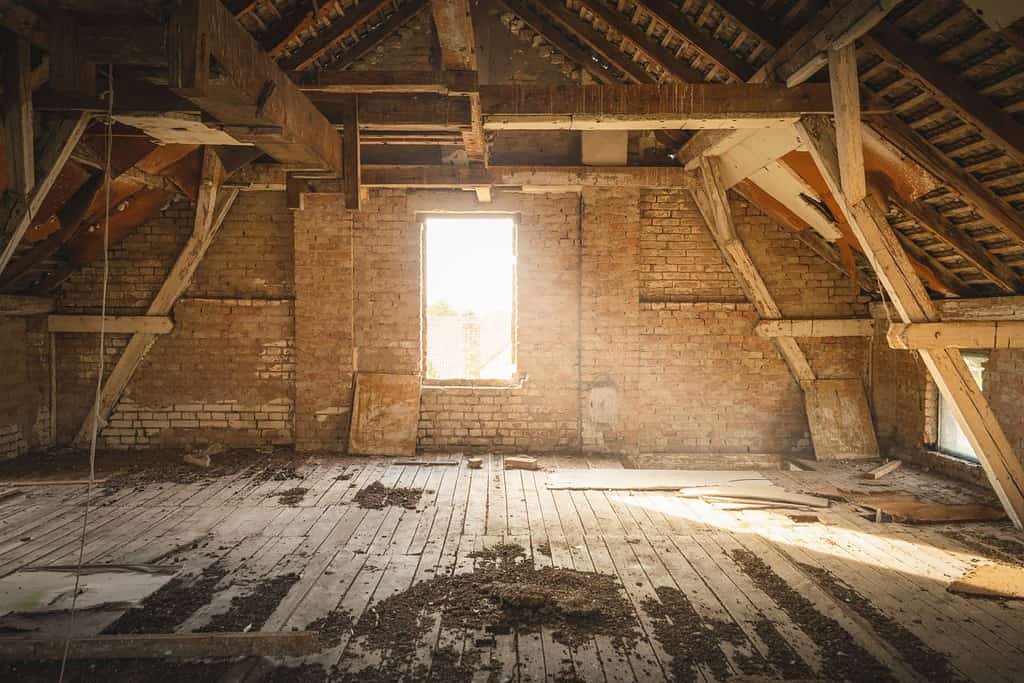
Attics are a prime home for spiders.
©Beliphotos/Shutterstock.com
Think about how easy it is to completely destroy a spider web. Spiders intentionally seek stable environments to build their webs, so as to avoid any potential threats. This is why they’ll build in the corner of a high ceiling or in cluttered yet low-volume areas like attics.
Places with lighting that attract flying insects will be more attractive than an open field with no light.
Jacob Cohn, A.C.E., COO & Associate Certified Entomologist at Arrow Termite & Pest Control
“The web may get damaged, and the spider is forced to make a repair or a move,” explains Cohn. “In either case, they’re going to consider the level of danger in doing so.”
Spiders will also often find secluded areas that are far from predators to keep themselves safe. These undisturbed locations usually boast abundant food sources. Not to mention, spiders (not just the brown recluse species) are incredibly reclusive animals, meaning they often seek secluded spots to nest.
4. Size
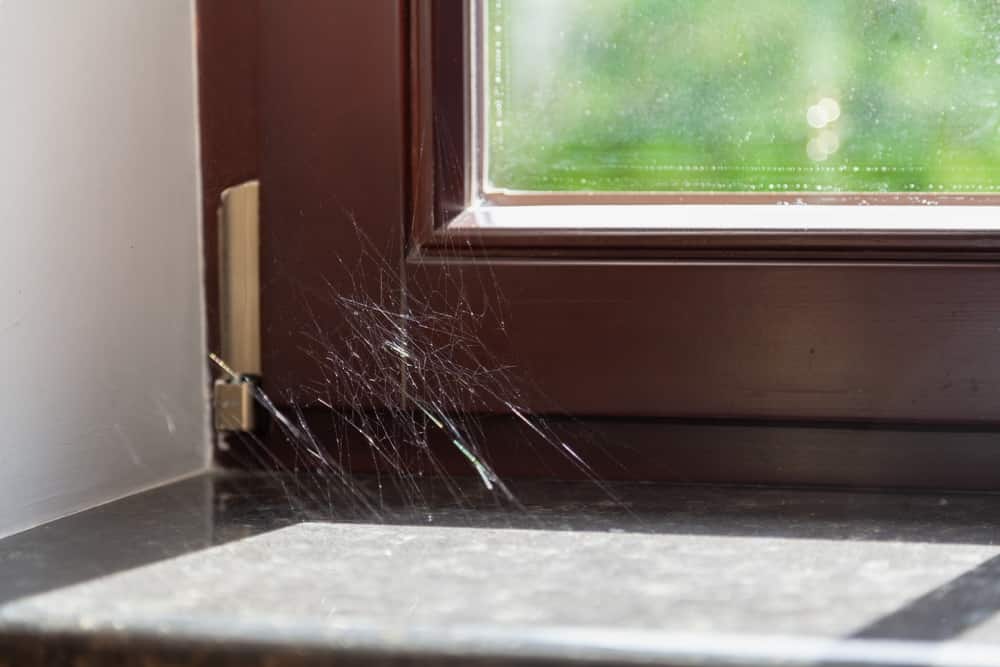
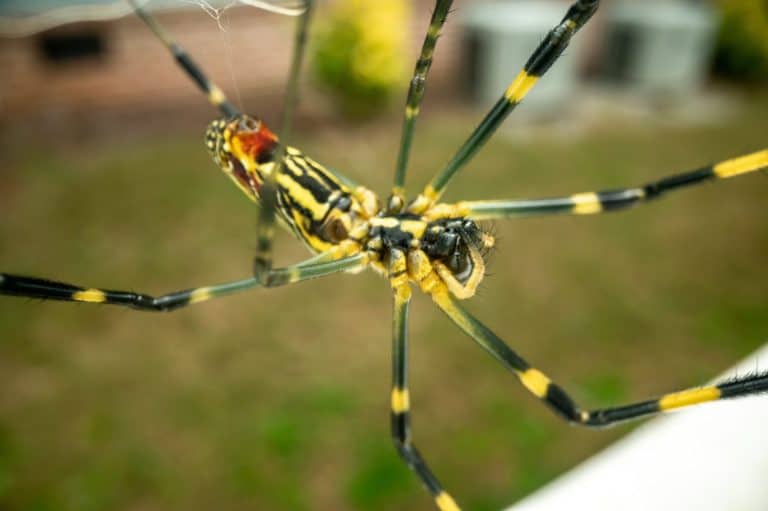
Spider web sizes vary depending on the species and prey type.
©glebchik/Shutterstock.com
Spiders will typically consider their ideal web size when choosing where to build. If they require a larger web for their hunting grounds, they might have to settle for whatever location they can get that provides them with ample room.
“As time goes on, some spiders may be forced to relocate to find an area to create a larger web, as they’ve grown too large for the current location,” Cohn says. “Spiders are incredibly adaptable and can even learn to make adjustments in space, like Nefertiti, the jumping spider who learned to catch prey in a gravity-free environment.”
5. Wind
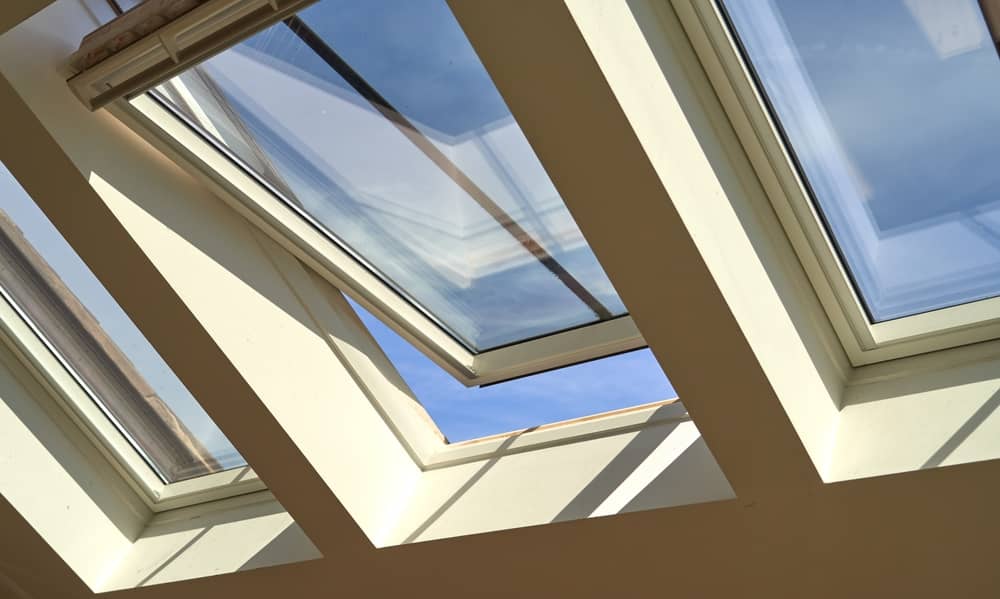
Breezy windows might dissuade spiders from building webs.
©Simon Annable/Shutterstock.com
Spiders cannot easily build or maintain their webs in areas with high wind. Even indoors, they will avoid locations that are far from any drafts.
According to Cohn, when choosing where to nest, spiders will “consider wind, as their silk can often cross significant gaps as they start building and setting up anchor points, as you’ll see with Orb Weavers.”
That being said, they will likely choose a spot far from open windows or doors to avoid any sort of breeze. Additionally, they’ll likely steer clear of any vents or fans around your home.