
When many people think about getting a starter pet, a hamster is often what comes to mind. They’re small, adorable, and full of energy. However, even though they are great entry-level pets, they still require a fair amount of care and maintenance. Part of the attention you’ll want to provide is knowing the signs that your hamster is unhappy. Just like many other creatures, hamsters can become unhappy or stressed, and you should be aware of the signs so you can take action. If you’re thinking of getting a hamster, consider this guide to potential signs of your pet’s unhappiness and tips to help improve their well-being.
If Your Hamster Is More Vocal Than Usual
In addition to believing that they’re relatively low-maintenance, another reason that folks often consider hamsters to be good starter pets is that they’re quiet. That’s typically the case, but it could change if your pet is unhappy. Then, they may be more vocal than usual. Hamster vocalizations can include screeching growls or continuous high-pitched hissing. The sounds can go on for a long time, and it can be hard to hear, mostly because you know your hamster is in some type of discomfort.
Your hamster is likely making noise on a consistent basis because it’s stressed or sick. Finding out why it’s stressed is essential. You can inspect your pet for injuries or sickness while looking for symptoms like discharge from the nose and eyes, a cooler body temperature, diarrhea, and anything else that looks suspicious. If you’re new to hamsters, consider bringing your pet to the vet.
It’s also possible that your hamster is stressed due to one of the other reasons on this list.
If Your Hamster Shows Signs of Aggression

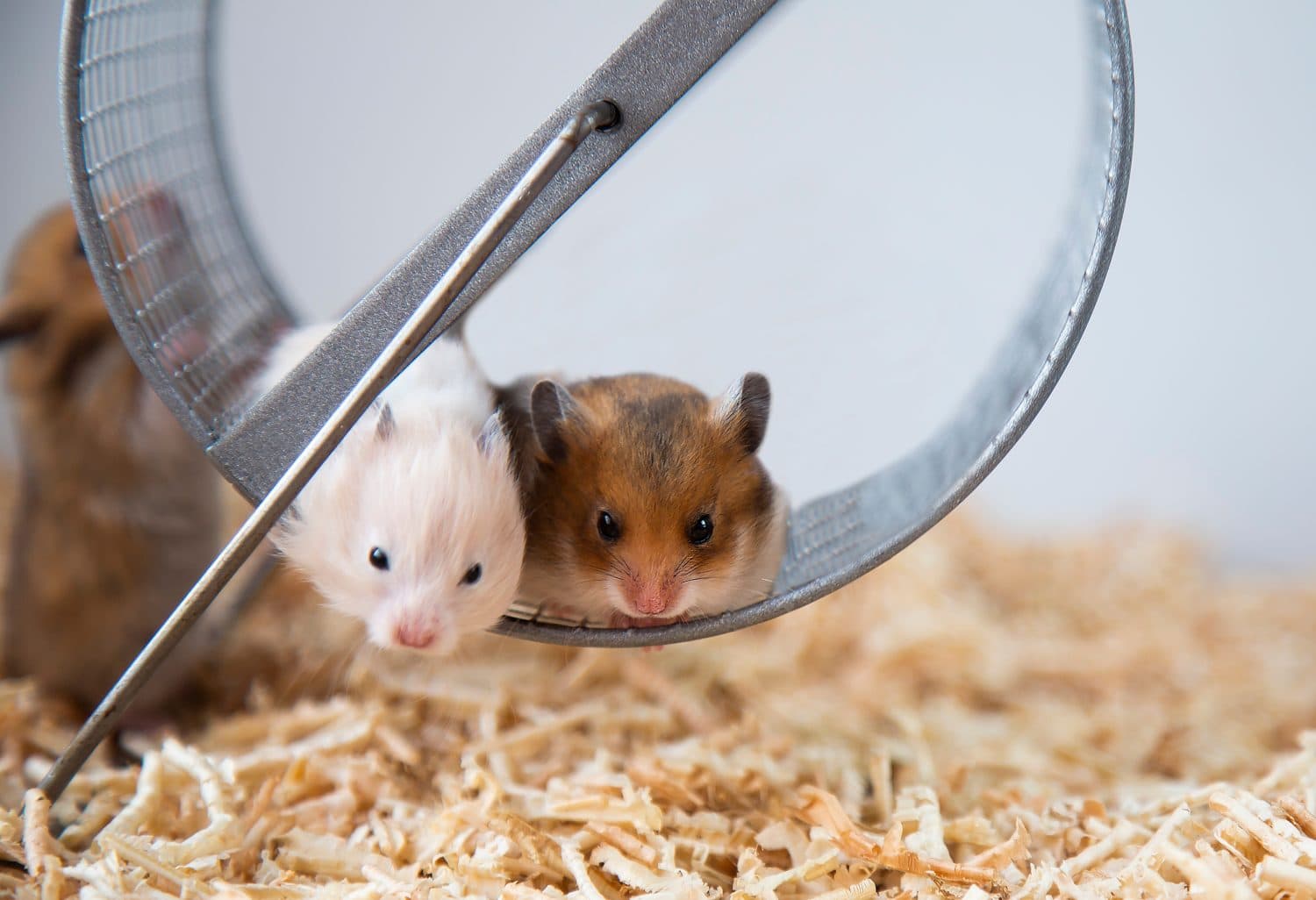
If your hamster continuously bites the bars of its cage, it may be a sign of stress due to cramped quarters.
©sethislav/Shutterstock.com
One of the indicators that your hamster is unhappy is if it suddenly starts showing more aggression than previously. Hamsters are typically docile creatures, so acting out is going to be one of the more obvious signs of irritation or stress. Common signs of aggression may include:
- Lunging at the sides of the cage
- Spitting
- Biting
- Chasing other hamsters
- Baring their teeth
- Flattening its ears
- Biting the bars of their cage
If you notice that your hamster is showing recurring signs of aggressiveness, try to find out why. There may be many reasons, from improper handling as a baby that has caused socialization issues to health problems, which may include sickness or overgrown teeth.
There’s also the condition known as cage rage, which typically occurs when an animal is kept in a cage that’s too small. The most common signs of cage rage include biting the bars, racing around in the cage, and having exceptionally red eyes. The remedy is to find a cage that fits the size of your hamster now and as it grows. Some hamster breeds are more at risk, including the Syrian hamster, which can grow quite large, so ask an expert about a suitable cage size if necessary.
If Your Hamster Keeps Trying to Escape
Since they are commonly known as household pets, it can be hard to remember that there are also wild hamsters out in nature. When they’re in the wild, they are very excitable creatures that love to run and expend energy. If your hamster cage is not large enough, then your unhappy hamster may continuously try to escape so they can get the exercise they need. Signs of attempted escaping may include:
- Continuously climbing the cage bars
- Chewing on the cage
- Repeatedly tunneling into corners.
- Spending a lot of time along the cage walls
An almost guaranteed way to make your hamster happier and less willing to escape is by providing it with a larger enclosure. The smaller, colorful cages that most people purchase at the pet store are often not large enough, at least not for long. Over time, you’ll need to expand your hamster’s world. It may require you to build your own cage. As a rule of thumb, a hamster cage should be a minimum size of 39.37 x 19.69 inches. You’ll likely need to create a larger enclosure as your hamster grows. A larger cage generally equates to a happier hamster.
If Your Hamster Has Repetitive Behaviors
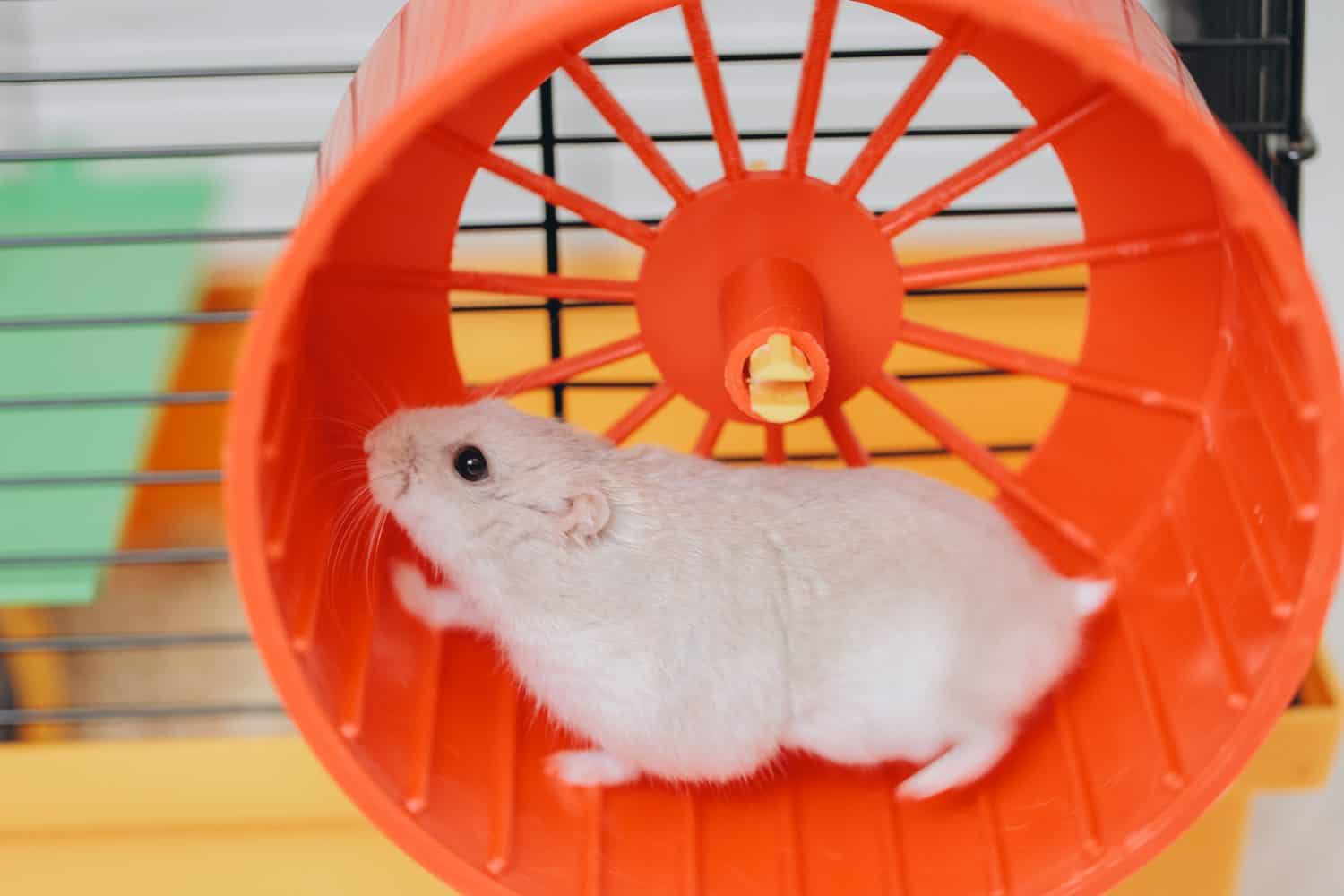
A wheel in a hamster cage is essential so your pet can get the exercise it craves.
©Anatoliy Cherkas/Shutterstock.com
It may not seem obvious that your hamster is trying to escape, but if you see your hamster constantly pacing or cycling in their cage, it’s likely a sign that your hamster is unhappy. This repetitive movement is likely because they’re trying to expend built-up excess energy. In addition to putting them in a larger cage, there are other ways that you can help your pet get the exercise it requires:
Exercise Wheel
No hamster cage would be complete without a wheel. They were designed to allow your pet to get the necessary exercise while in its cage. When you’re looking for a hamster wheel, find one that’s large enough for your specific pet. Your hamster should be able to run with its back straight. Many experts recommend going with a plastic wheel instead of a metal one, as it will be less painful if your hamster’s foot slips through one of the rungs.
Chew Toys
A favorite pastime of hamsters is chewing on items in their cage. It’s both entertaining and it can help to expel some of that pent-up energy. There are many different materials that they like to chew, including hay cubes, seagrass, and coconut shells. Every time you clean their cage, give them something new to chew.
Tubes and Tunnels
To provide a bit of variety, you can add a series of tubes and tunnels to their enclosure. You can purchase full sets or purchase different components and create your own setup. If you’re on a budget, then get an empty toilet paper or paper towel roll and put it in the cage. Your hamster will have a ball going in and out of the tube and exploring every square inch. Plus, hamsters like to chew on these materials, so it’s a great and affordable option.
Toys
There are various toys you can put in the cage to keep your hamster happy and entertained, from toy cars to blocks and chew toys. Provide a variety of activities to keep your hamster engaged and happy.
Outside of the Cage
Finally, with proper supervision, you can bring your hamster out of its enclosure so it can roam around the house. Create a maze or obstacle course in your house and see if your hamster can find its way out. Spend time holding and cuddling your hamster to strengthen your bond. With patience, you may also be able to teach your hamster tricks, such as standing on its hind legs.
If Your Hamster Is Lethargic
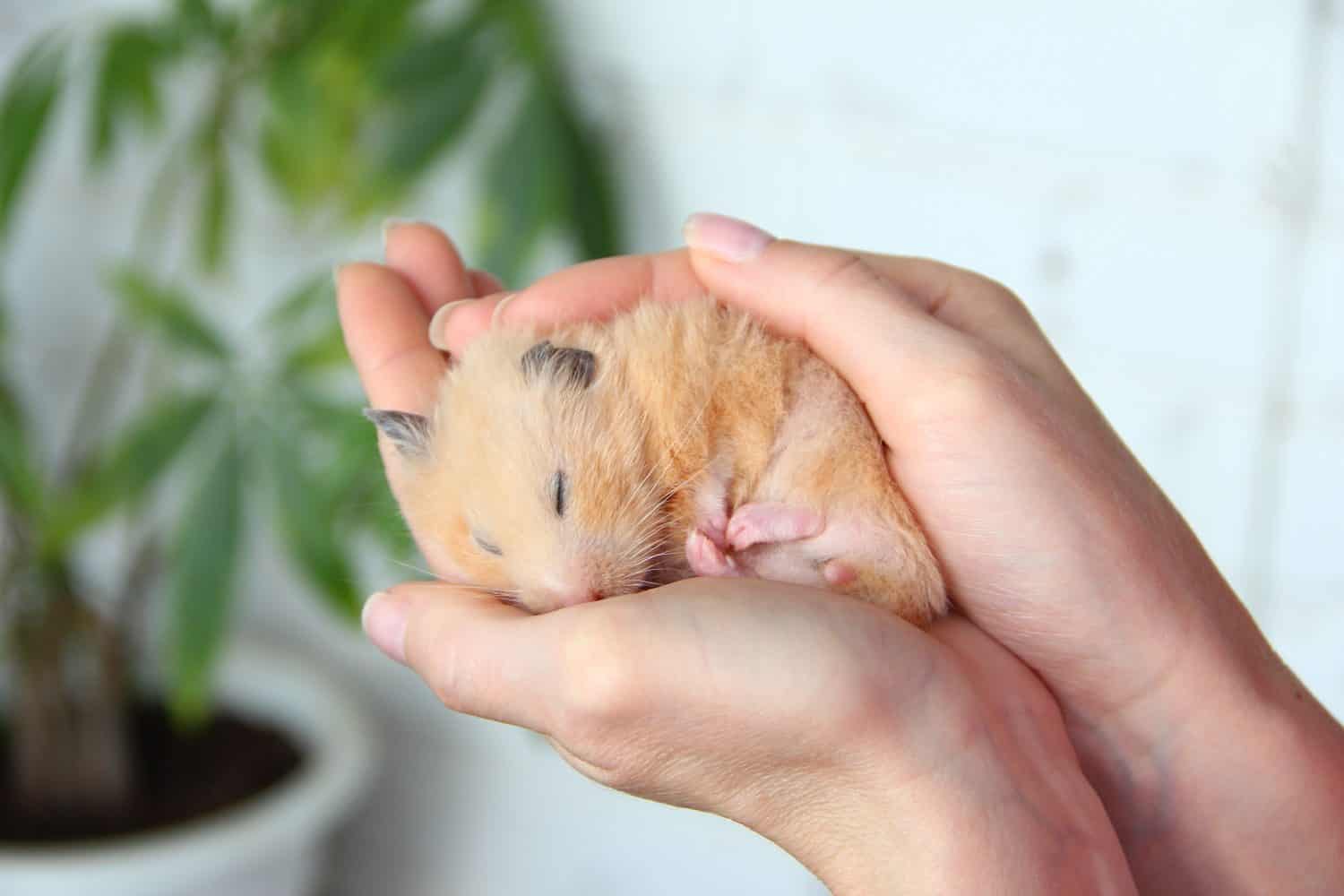
One of the signs of unhappiness in hamsters is when your pet stops being energetic and becomes more lethargic.
©Alex Milan/Shutterstock.com
Since hamsters are known to be energetic animals, you can imagine that one sure way to tell that your hamster is unhappy is when it’s suddenly slow and lethargic. There may be many reasons why your hamster lacks its usual energy. One reason may be that your hamster is upset because its enclosure is too small. Your pet may also have an illness. There’s also research that shows that hamsters can become sad and experience seasonal depression.
Take action when you notice your hamster acting differently. Ensure that their enclosure isn’t too hot or too cold. Verify that you’re feeding your pet a balanced diet of fruits, vegetables, pellets, and seeds. Check their cage and look for any environmental issues like poor ventilation or uncleaned waste. If all else fails, bring your hamster to the veterinarian for an examination.
If Your Hamster Is Over-Grooming
Another sign that your hamster is unhappy is if it’s over-grooming. You’ll need to watch this one closely because hamsters are naturally very clean animals that will groom themselves a lot. However, you need to watch for when your hamster overdoes their grooming due to stress. Negative signs could include redness, sores, hair loss, and flaky skin. The stress that leads to over-grooming can have many sources, such as constant loud noises, changes in the environment, or health issues, including infections, allergies, and parasites.
If you’re new to hamsters, a trip to the vet may be ideal. You can also do a health check on your hamster by looking them over from head to toe. Check their nose, ears, fur, skin, and teeth for signs of irritation or hair loss. If you notice anything alarming, inform the veterinarian. There’s also the possibility that its teeth could grow too long, and a vet can take care of that as well.
You can ensure a happy hamster by pampering it a bit. While most hamsters can take care of their own grooming, some, like the Syrian hamster, have longer hair and need a weekly brushing. There’s also the option of giving your hamster a sand bath to clean it and remove excess oil. Your hamster may also lose hair if its nails are too long and scratch its skin. Take care of your hamster, and your furry friend will provide you and your family with years of joy and companionship.