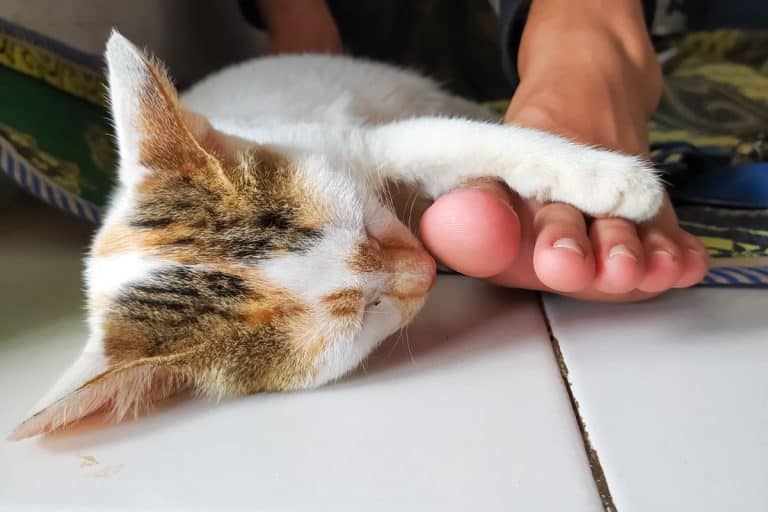
Cats may seem fearless as they stalk through living rooms and leap onto counters, but even these confident companions can be set running (or diving under the bed) by unexpected noises. Anyone who’s witnessed a feline bolt at the pop of a balloon or the rumble of a vacuum knows how truly sensitive these animals are to sound. But what exactly are the noises that strike fear into even the boldest kitty’s heart—and what’s behind their dramatic reactions? Let’s explore 12 scary sounds around your house and how they activate instincts tied to their wild ancestry.
How Cats Hear the World
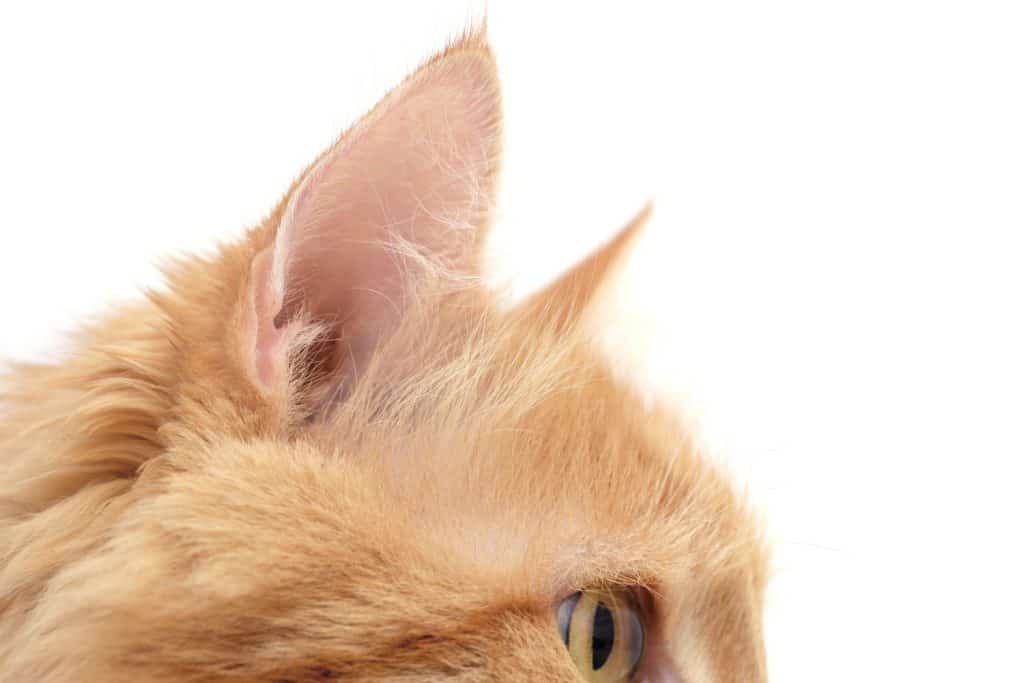
Cats’ hearing is vastly more sensitive than humans’.
©Africa Studio/Shutterstock.com
Cats live in a world of sound that is richer and sharper than our own. Their ears can rotate like little satellite dishes, zeroing in on faint noises, and their hearing range extends far beyond ours—up to 85,000 Hz compared to a human’s 20,000 Hz. This means the smallest squeak of a mouse or the highest beep of an appliance lands directly in their sensitive zone. What to us is a background hum can feel to a cat like a piercing alarm.
The Health Effects of Loud Noise On Cats
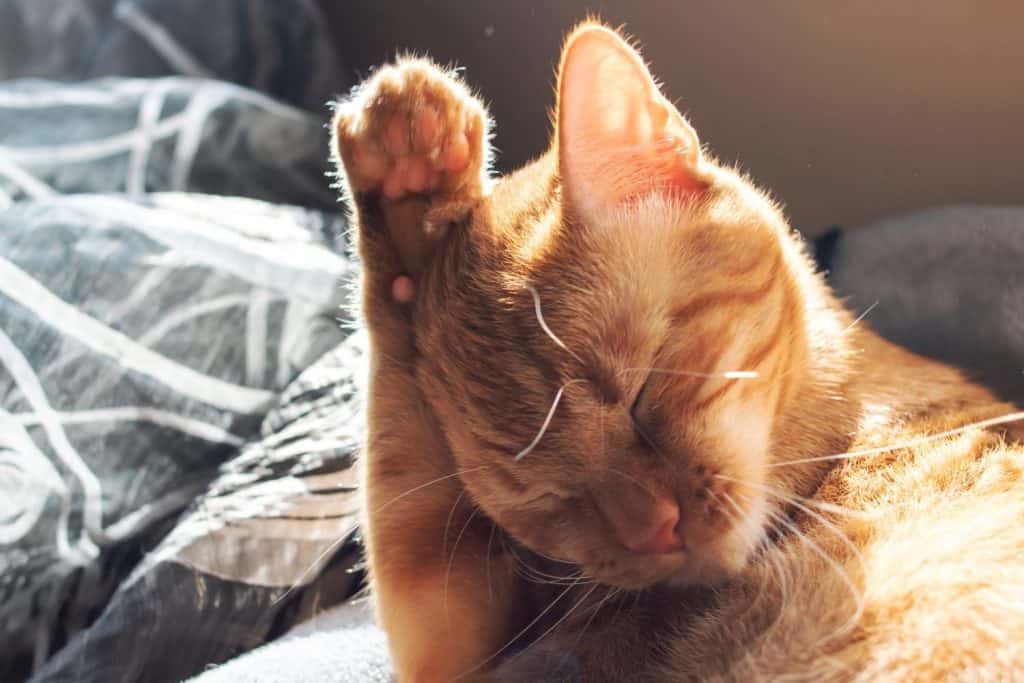
Long-term exposure to noisy environments can cause a feline to suffer from chronic stress.
©Vera Aksionava/Shutterstock.com
Startle responses aren’t just about a moment of fright. When cats are exposed to loud, unpredictable noises over and over, it can cause long-term anxiety. Their bodies release stress hormones that keep them on high alert, leading to changes in appetite, sleep, and behavior. Those living in consistently noisy environments—near construction zones, in busy city apartments, or with frequent fireworks—may develop chronic stress, which weakens their immune systems and can contribute to illness. Anxious cats may groom themselves excessively, to the point of removing all the fur from their legs and bellies. They can also develop potentially deadly urinary tract blockages or inflammatory conditions, such as feline idiopathic cystitis, as a reaction to stress. Protecting cats from noise isn’t simply about preventing a dash under the couch; it’s about safeguarding their overall health and well-being. Here are 12 examples of noises to protect your cat from as much as possible.
1. Vacuum Cleaners
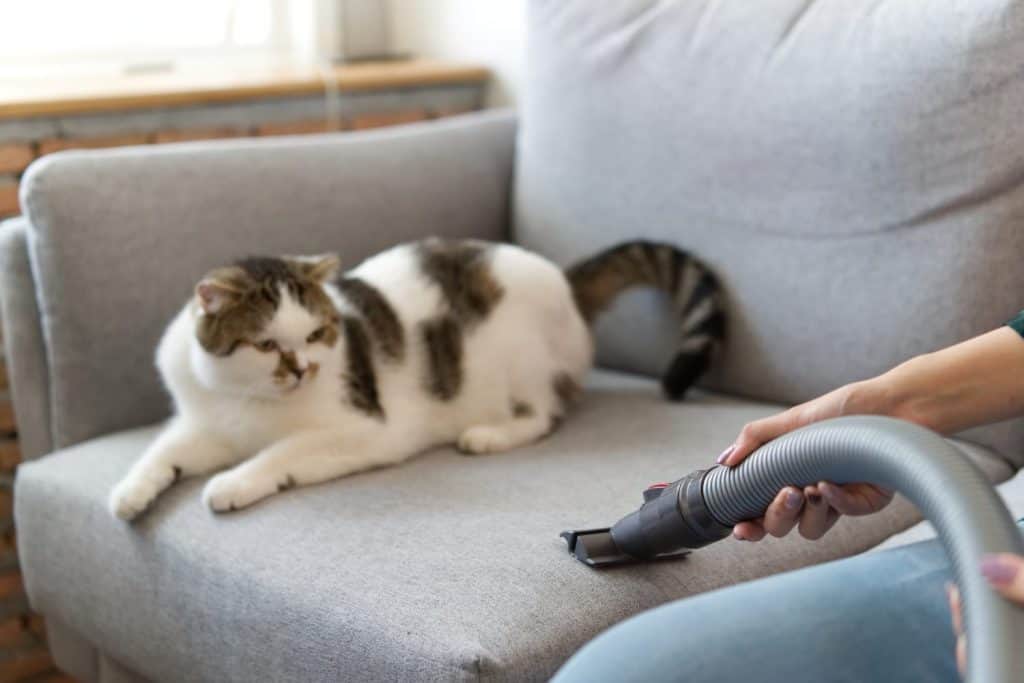
Though conventional vacuum cleaners are often too noisy for cats, some are intrigued by robotic vacuums and will even ride on them.
©Hananeko_Studio/Shutterstock.com
For most cats, nothing triggers a panicked retreat quite like the roar of a vacuum cleaner. It’s the combination of loud, unpredictable noise and jarring vibrations. Vacuums hit many frequencies that cats find unpleasant and are often wheeled directly toward areas cats consider safe, as owners try to clean up their fur. To your kitty, this noisy “predator” is both too loud and too close for comfort.
2. Fireworks
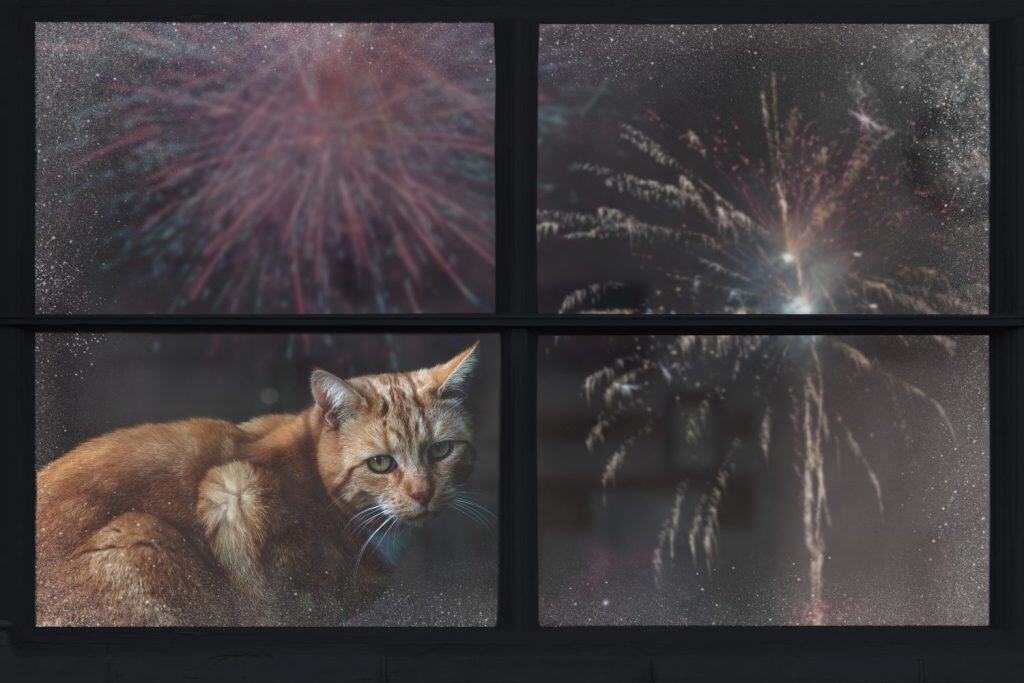
Fireworks are confusing and nightmarish to cats.
©Vince Scherer/Shutterstock.com
Fireworks are a nightmare for sensitive feline ears. They’re not only deafening, but also unpredictable and accompanied by vibrations and bright flashes. In the wild, sudden booms and cracks could signal falling trees, thunder, or other threats. During fireworks displays, many cats hide for hours, their bodies reacting as if facing a true, life-or-death danger.
3. Thunderstorms
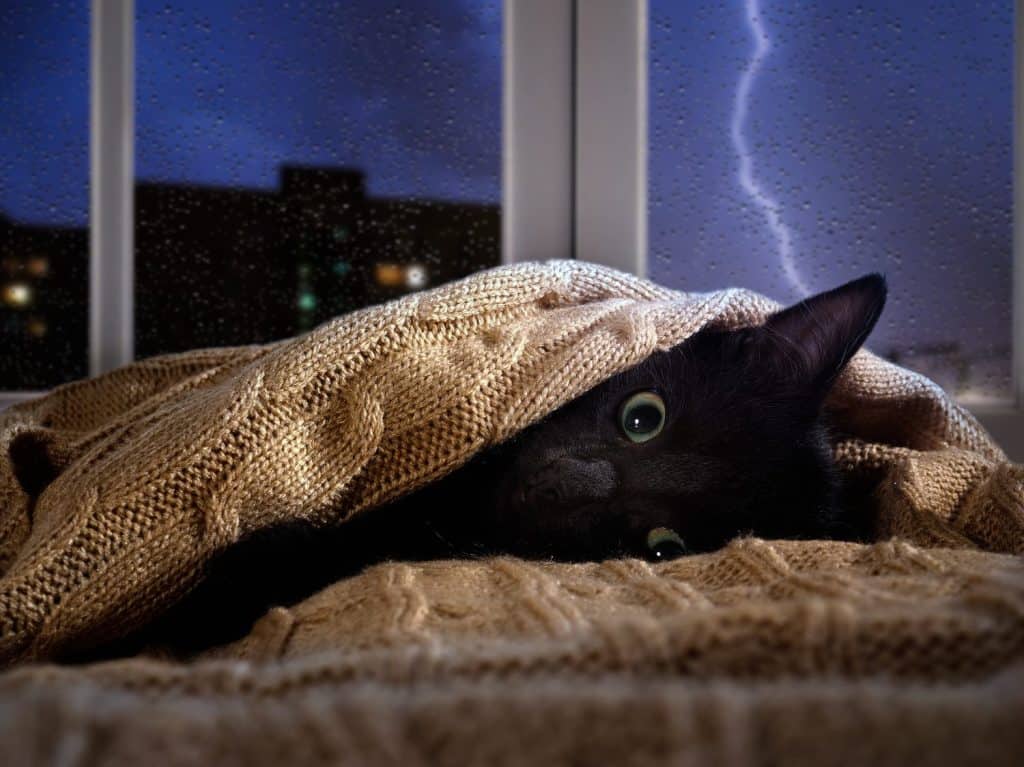
Kitties often want to hide during thunderstorms.
©Irina Kozorog/Shutterstock.com
Thunder is low, deep, and often felt as much as heard. Combined with lightning flashes and gusting winds, a storm becomes an overwhelming sensory event for felines. Generations of wild ancestors passed down the instinct to fear sudden storms, since they often brought flooding, falling trees, or predators on the move. Even cozy indoor cats can’t quite shake that inherited caution.
4. Hissing
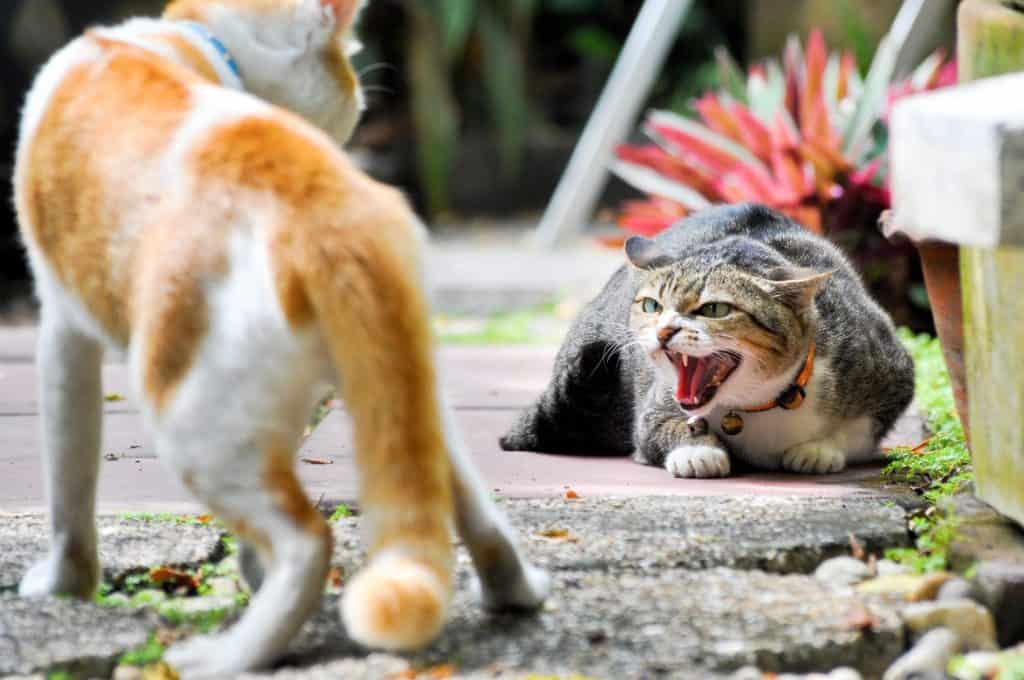
In a cat’s world, hissing is never followed by anything good.
©Glue Promsiri/Shutterstock.com
A hiss is the universal animal signal for “back off.” Cats themselves hiss when threatened, so the sharp spray of an aerosol can, the hiss of a snake, or even a radiator’s steam valve triggers an instinctive reaction. In the feline brain, these sounds are hardwired to mean danger.
5. Yelling and Loud Human Voices
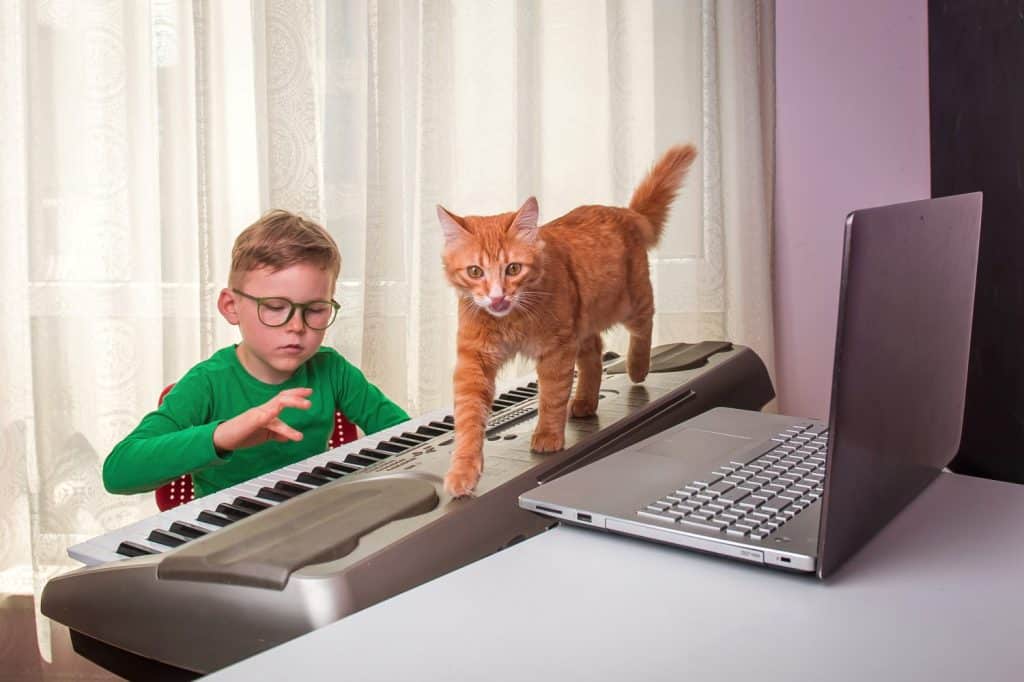
Loud noises, to a cat, are signs of an unsafe environment.
©Sharomka/Shutterstock.com
Raised voices—whether from arguments, cheering, or booming movie soundtracks—can unsettle cats quickly. Unlike dogs, which have been bred to respond confidently to loud human commands, cats are more solitary by nature. To them, sudden shouting feels like chaos, and chaos means risk.
6. Loud Music
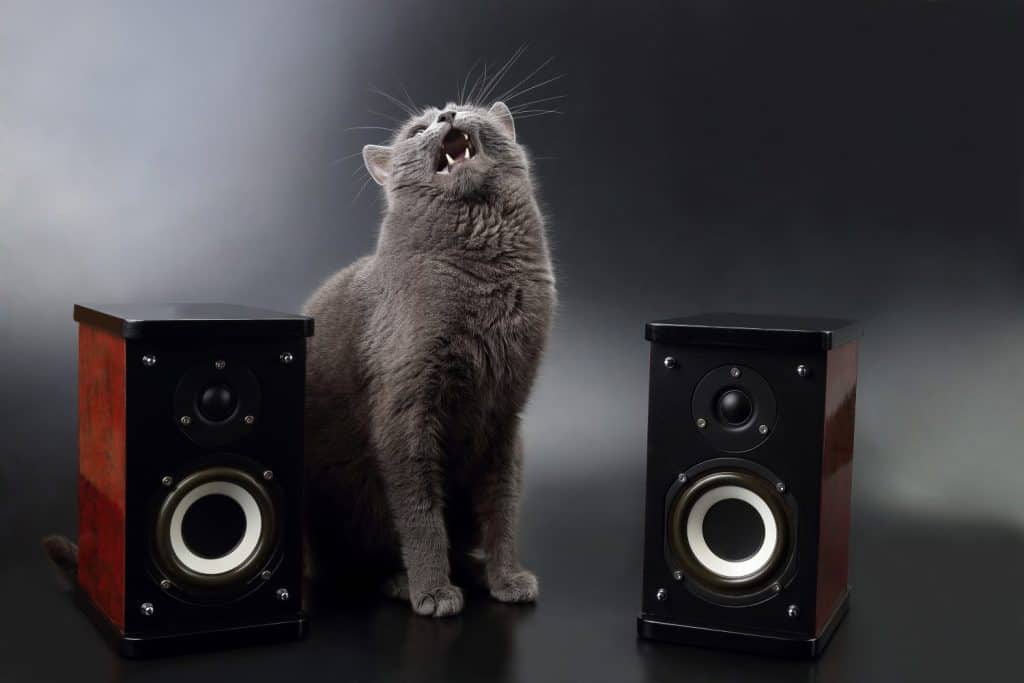
Higher pitches in loud music can sound like distress calls.
©Oleg Troino/Shutterstock.com
Some cats will happily nap through soft classical or gentle jazz, but pounding bass or shrieking guitars are another story. The higher pitches overlap with distress calls cats use among themselves, while the thumping vibrations unsettle them. Loud music may not only annoy your cat, it can cause them to associate gatherings or parties with stress.
7. Doorbells and Banging Doors
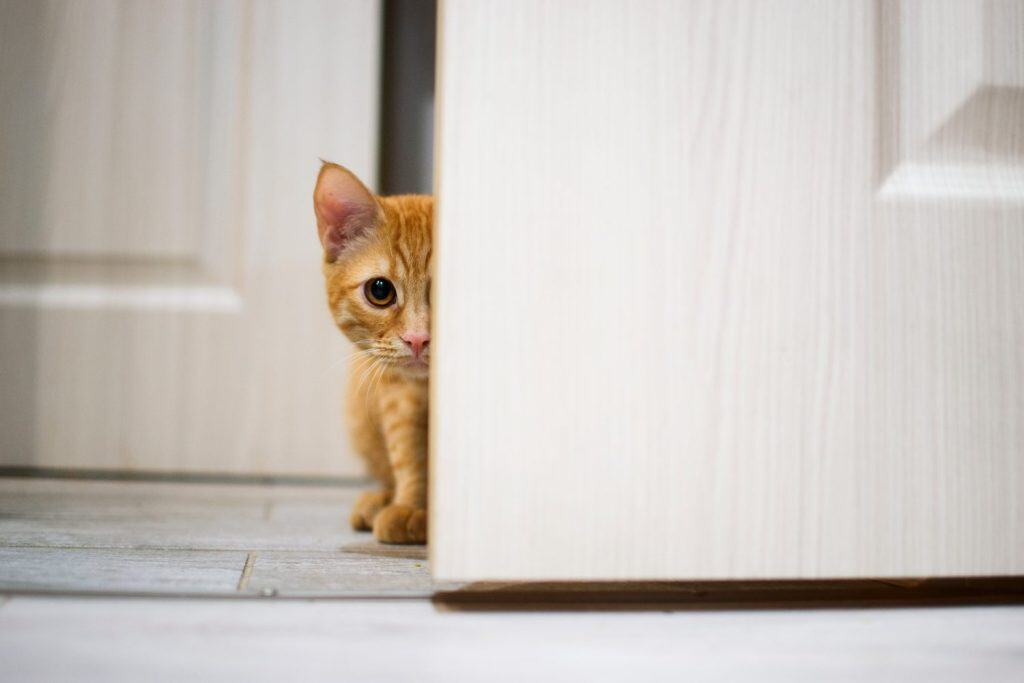
Any sudden loud noise can startle a cat. A slamming door also sends vibrations through the floor and walls that signal approaching danger.
©Noskov Vladimir/Shutterstock.com
A doorbell is the ultimate “intruder alert” for a cat. It signals disruption, strangers, and possibly danger entering their territory. This can be reinforced if sometimes that ringing bell is followed by a lot of people coming over for a barbecue, or rowdy neighbor children visiting to play. Likewise, the sudden slam of a door can send vibrations through the whole house, startling a cat into hiding. These abrupt, out-of-place sounds flip a feline’s mental switch from “relax” to “prepare for trouble.”
8. Kitchen Appliances
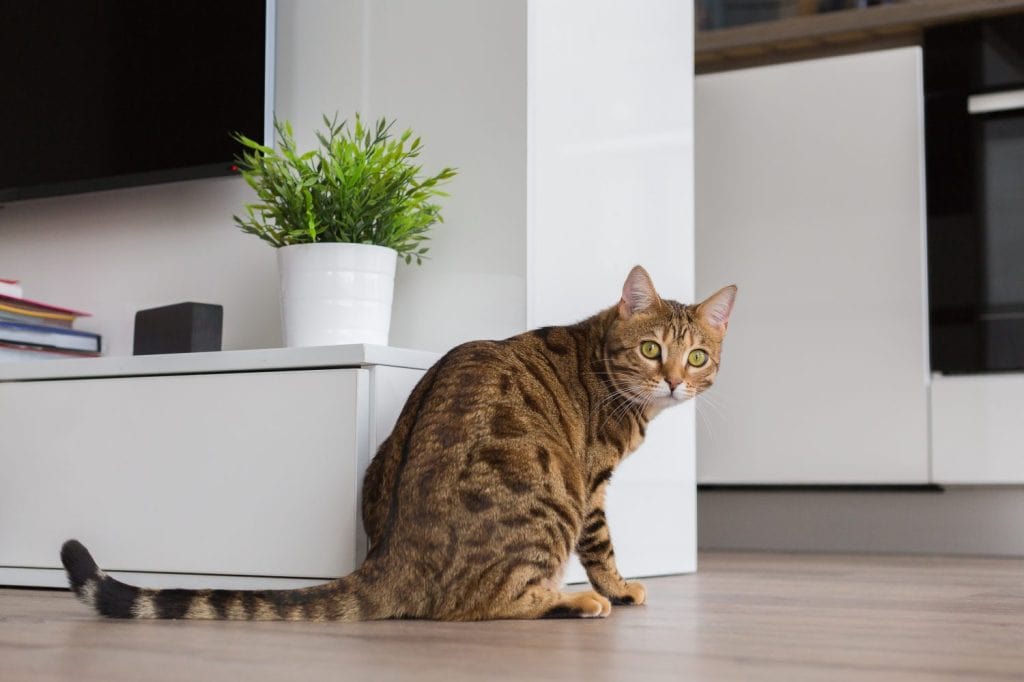
A cat hanging around the kitchen for a treat gets a nasty surprise when its owner unpredictably turns on a kitchen appliance.
©Pandora Pictures/Shutterstock.com
Blenders, food processors, or mixers create shrieks and whirs that overlap a cat’s most sensitive hearing ranges. Add in the unpredictability—sometimes it’s silent, then suddenly roaring—and it’s no wonder many cats dart away the moment the blender lid clicks shut.
9. Construction and Power Tools
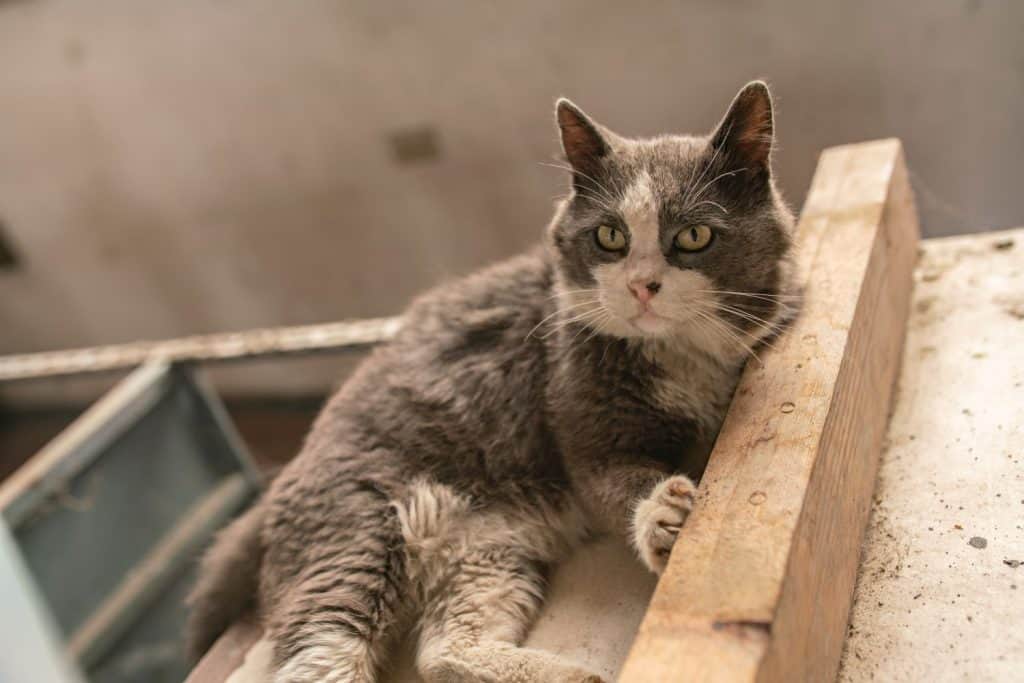
The noises of power tools make a construction site a nightmare for a cat.
©Filippo Carlot/Shutterstock.com
Drills, saws, and hammers produce a cacophony unlike anything in the natural world. Cats have no way to categorize these sounds, and their sheer volume can overwhelm even the calmest pet. If you’ve ever had home renovations done, you’ve likely found your cat hiding under the bed for hours afterward.
10. Sirens

City living can be hard on a kitty if the apartment isn’t insulated from the noise of emergency sirens.
©VAKS-Stock Agency/Shutterstock.com
Ambulance, police, and fire sirens ramp up in pitch and volume, often echoing across neighborhoods. To a cat, these resemble distress calls that trigger an ancient survival instinct. The unpredictability and shrillness make them some of the most frightening sounds in the urban soundscape.
11. Crying Babies and Children’s Screams
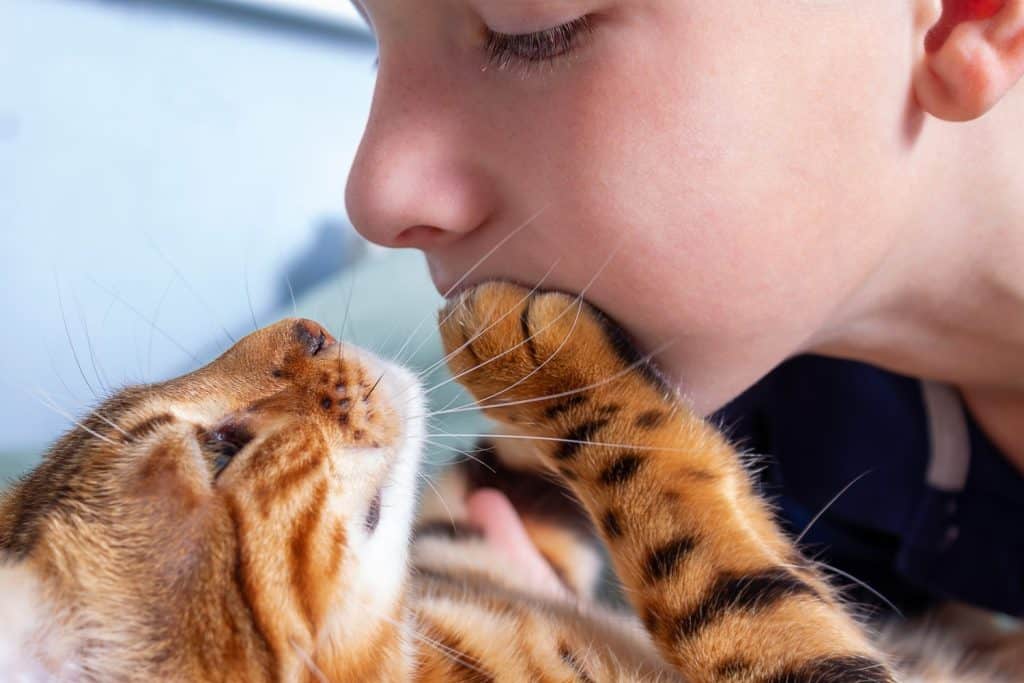
The screams of babies and children pierce a cat’s most sensitive hearing range.
©antibydni/Shutterstock.com
To humans, a baby’s cry calls for nurture and comfort. To cats, it can feel like a piercing alarm. These sounds often fall directly in their most sensitive hearing range, making them impossible to ignore. Children’s shrieks carry the same effect, adding unpredictability and suddenness to the mix.
12. Balloons Popping
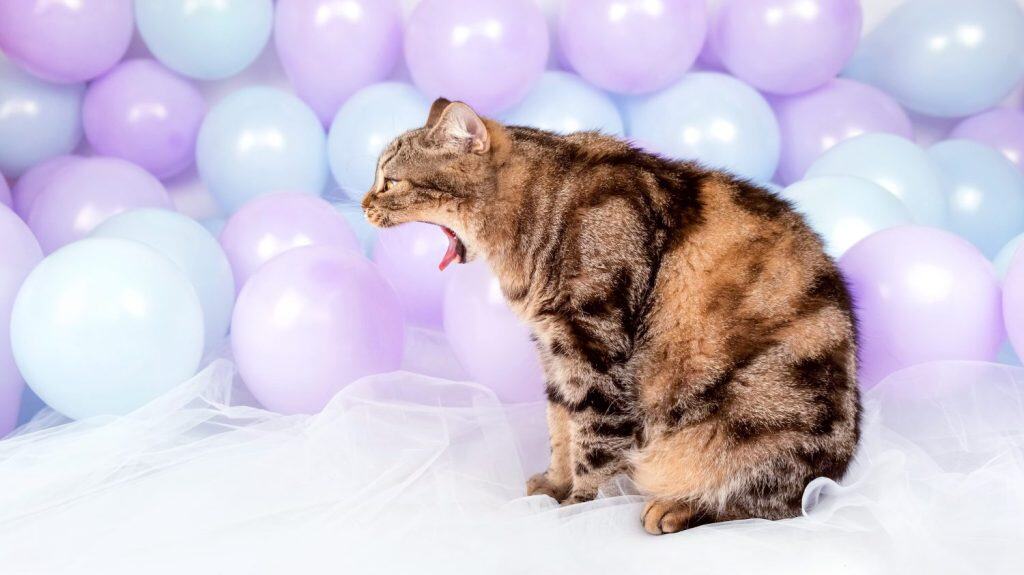
Cats and people alike are startled by the gunshot sound of a popping balloon.
©OlgaBartashevich/Shutterstock.com
Few things make a cat leap higher than the explosive pop of a balloon. This sharp, startling sound is nearly impossible for a cat to process calmly—it mimics breaking branches, gunshots, or other dangerous noises. The unpredictability only magnifies their panic.
Helping Your Cat Cope with Scary Sounds
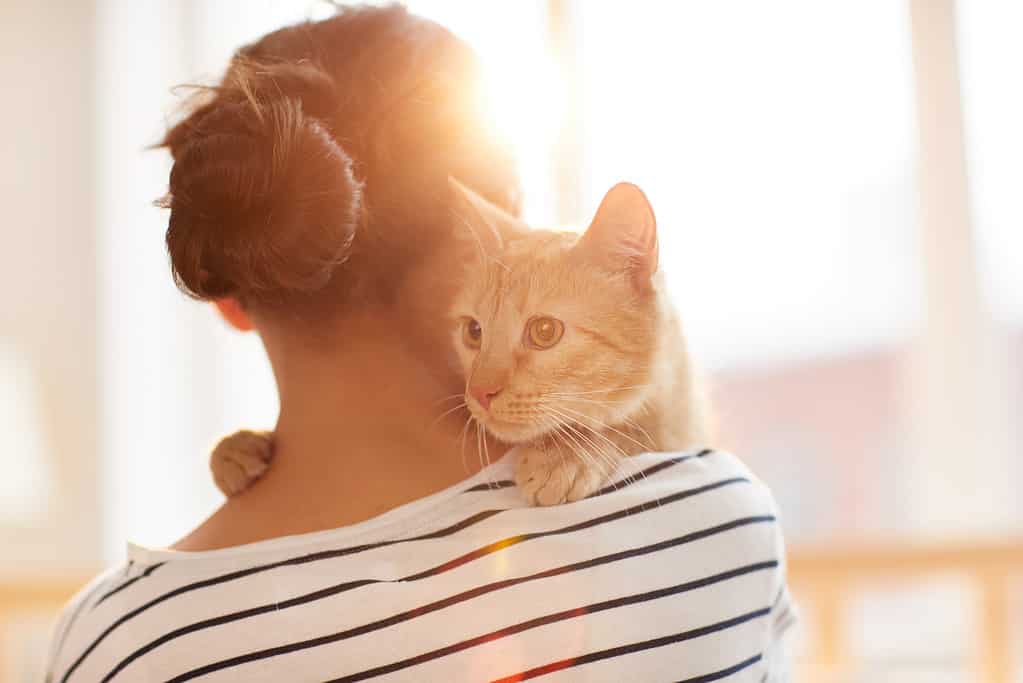
Staying calm yourself can help your cat not be so afraid of noises.
©SeventyFour/iStock via Getty Images
While you can’t shield your cat from every unexpected noise, there are many ways to reduce their stress and protect their health.
- Create safe havens. Give your cat access to quiet hiding places—a covered bed, a box, a closet, or a cozy nook with blankets—where they can retreat when frightened.
- Anticipate noise. If you know fireworks, storms, or construction are coming, prepare early. Close windows, draw curtains, and play soothing background noise like soft music or a fan for white noise.
- Use calming aids. Products such as pheromone diffusers, calming sprays, or vet-recommended supplements can take the edge off anxious moments.
- Stay calm yourself. Cats often mirror their owners’ emotions. If you react calmly to loud noises, your cat may learn there’s no true threat.
- Practice gradual exposure. For some cats, gentle desensitization—playing recordings of thunder or fireworks at very low volume while rewarding them with treats—can help reduce future fear.
- Never punish fear. A cat cowering from sound is acting on instinct. Punishment only adds to their stress. Offer comfort or simply give them space until they feel safe again.
A Quiet Retreat in a Noisy World
Happy cat, happy house.
©Hadrian/Shutterstock.com
For cats, hearing isn’t just another sense—it’s one of their primary senses for survival. But the very same sensitivity that once helped them survive in the wild now makes them vulnerable to the overwhelming noise of modern life. From fireworks to vacuums, the sounds that frighten them are not quirks or overreactions; they’re deeply ingrained survival strategies.
Taking the time to insulate your cat as much as possible means you’ll be removing some noise from your life as well. And you might find that all that noise was actually stressing you out just as much as the cat. So your cat will teach you to make your home a quiet retreat for you both. And when your happy, warm, furry friend curls into your side with a contented rhythm of purring, you’ll realize that no matter what is going on outside, you’re not missing a thing.