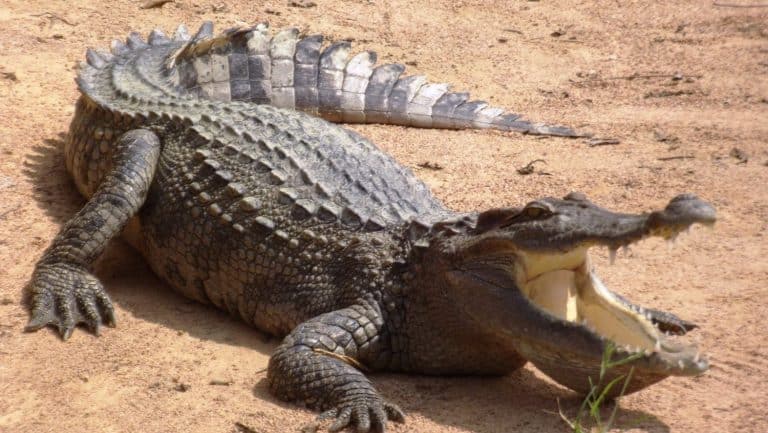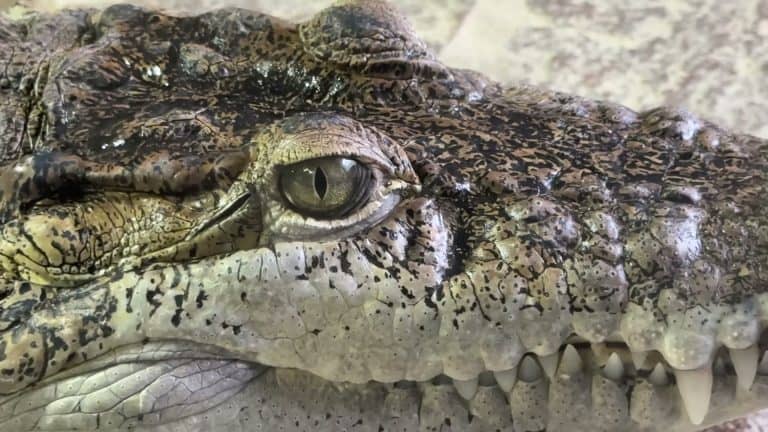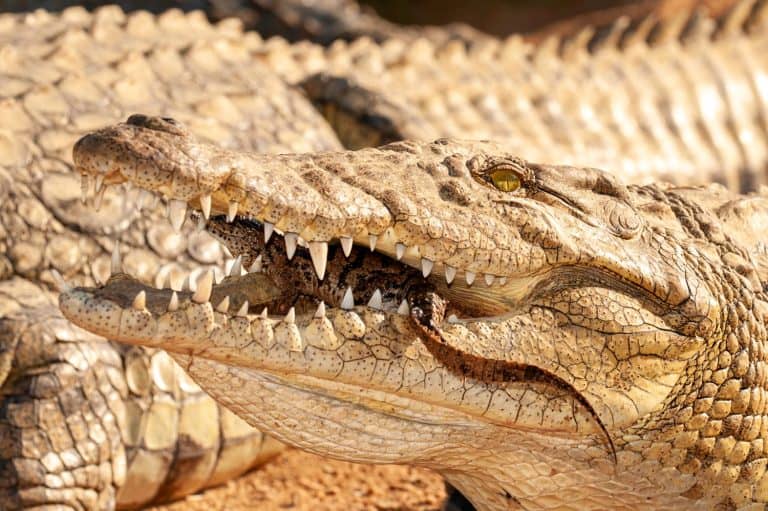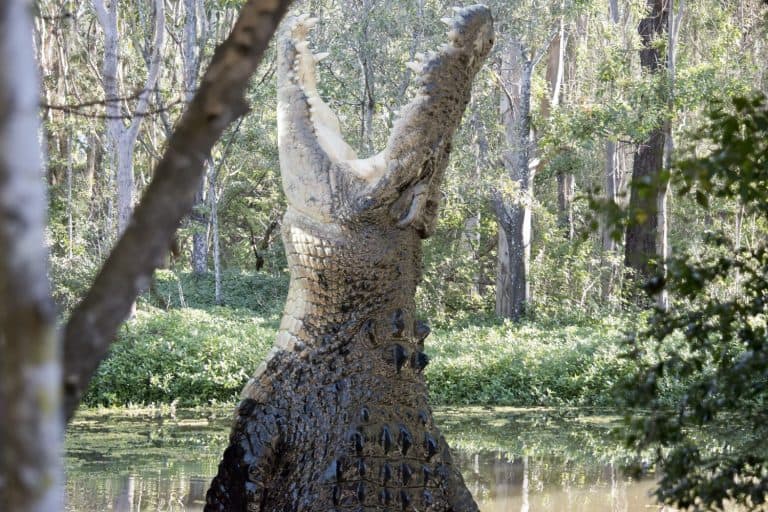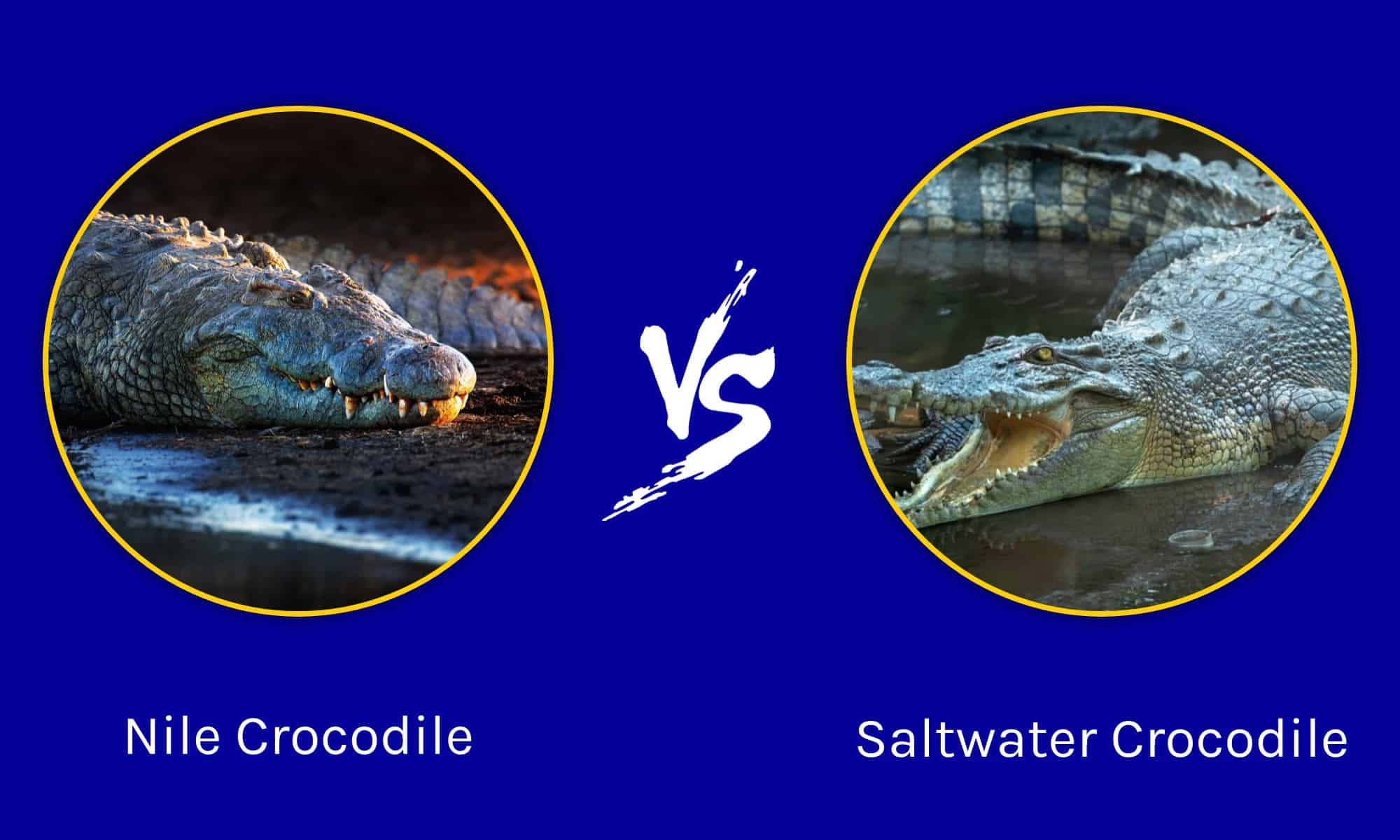

Crocodiles are the largest reptiles on the planet today. They are surprisingly fast, powerful, and deadly to anything that crosses their paths. While not all crocodile species are the same, it can be hard to tell them apart. They have many similarities in their looks and preferred habitats. Two of the largest crocodiles are the Nile and the saltwater crocodiles. We’re going to perform a Nile crocodile vs saltwater crocodile comparison and show you what makes these creatures special and tell you where you’re most likely to see them!
This post was updated on August 26, 2025 to clarify information related to size, anatomy, and attacks.
Comparing a Nile Crocodile and a Saltwater Crocodile
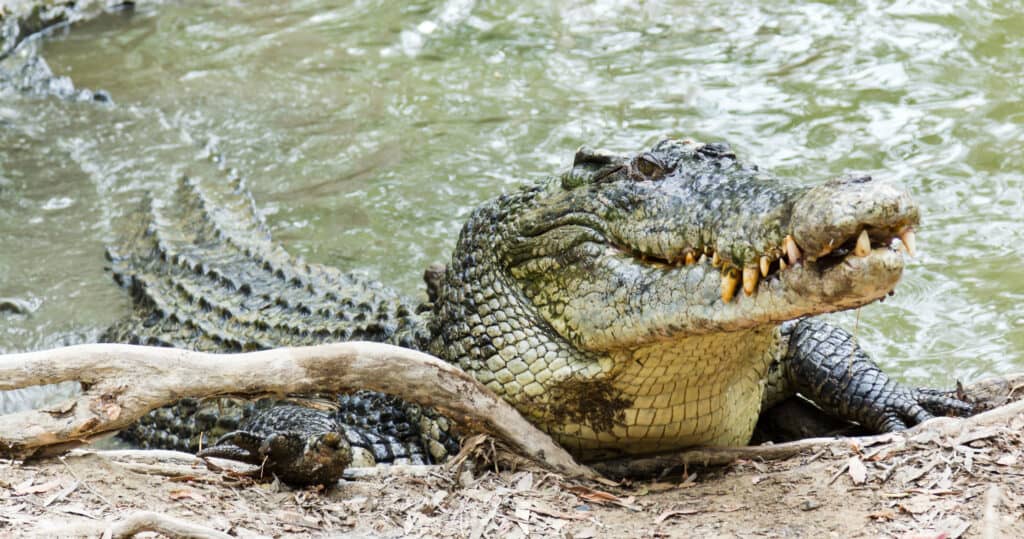
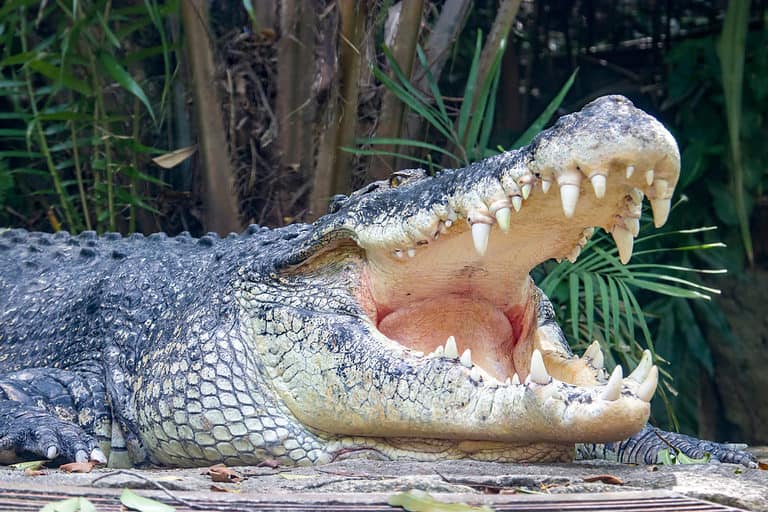
Saltwater crocodiles are primarily concentrated in Southeast Asia and Australia, living in saltwater such as swamps, rivers, and coastal waters.
©iStock.com/DianaLynne
| Nile Crocodile | Saltwater Crocodile | |
|---|---|---|
| Size | Weight: 500-910 lbs, up to 2,400 lbs Length: 9-15 feet, up to 21 feet | Weight: 400- 1,150 lbs, up to 2,200 pounds Length: 10-21 feet, up to 23 ft or longer |
| Species | Crocodylus niloticus | Crocodylus porosus |
| Morphology | – Quadrupedal – Bronze color on top of its body with yellowish-brown on its sides – Cream-colored underside with spotted sides – Has scutes running down its body | – Quadrupedal – Wider snout than other species – Small scutes compared to other crocodiles – Greenish color on top, with tan or gray colors on the side, and yellowish or white underside – May have spots or stripes on its sides |
| Location | – Found throughout sub-Saharan Africa, including Madagascar – A population may be growing in the U.S. – Can tolerate saltwater, but it’s usually found in freshwater rivers – Prefers rivers, streams, tidal lakes, estuaries, | – Found in coastal areas from eastern India to Southeast Asia and Australia – Typically lives in rivers, mangrove swamps, and coastal waters – Can spend long periods of time at sea, swimming between islands and countries |
| Prey | – Apex predator in its range – Reptiles, birds, zebras, wildebeests, frogs, waterfowl, and others – Capable of eating just about anything in its range, including people | – Various fish, crustaceans, snakes, birds, cattle, boar, crabs, insects, turtles, and humans – An apex predator that can consume just about anything in its range |
| Relationship to Humans | – Considered to be far more aggressive than the American crocodile toward humans – Responsible for about 1,000 human deaths every year. | – Not believed to be as aggressive as Nile crocodiles – Still attack and kill dozens of people per year and |
The Key Differences Between a Nile Crocodile vs Saltwater Crocodile
The most significant differences between a Nile crocodile and a saltwater crocodile are their size, color, and preferred habitats.
Saltwater crocodiles are larger than Nile crocodiles on average, weighing between 400 and 1,150 pounds, while the Nile crocodile averages between 500 and 910 pounds.
Nile Crocodile vs Saltwater Crocodile: Size
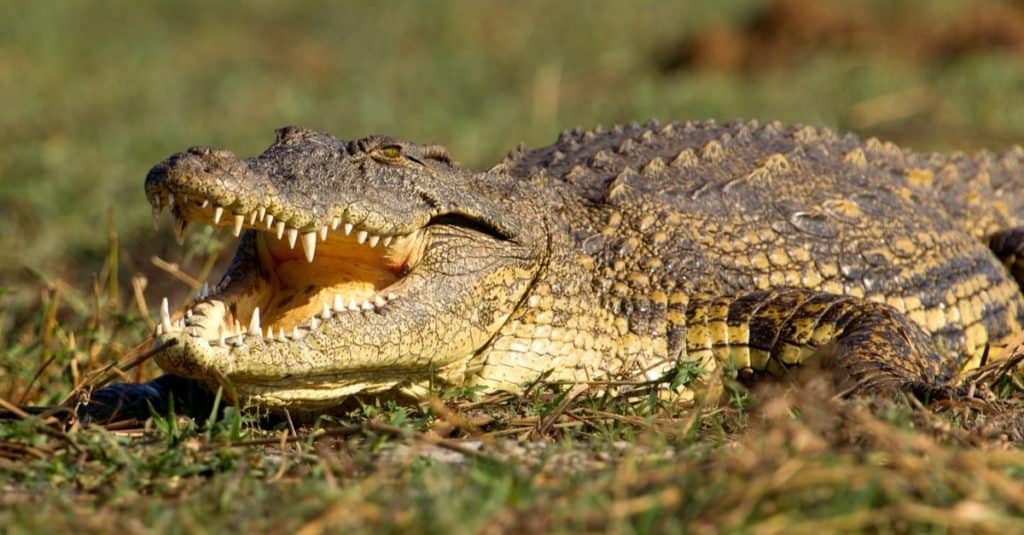
The largest Nile crocodile measured about 21 feet and weighed upwards of 2,400 pounds.
©Gaston Piccinetti/Shutterstock.com
On average, saltwater crocodiles are larger than Nile crocodiles, but they both have similar maximum sizes. The largest saltwater crocodiles are believed to reach close to 21 feet in length and weigh over 2,200 pounds. They are between 400 and 1,150 pounds.
However, Nile crocodiles have an average size of 500 to 910 pounds and between 9 and 15 feet. They tend to max out at between 16 and 18 feet.
Overall, the saltwater crocodile is considered the largest reptile species alive today.
Nile Crocodile vs Saltwater Crocodile: Species
The Nile crocodile belongs to the species Crocodylus niloticus, and the saltwater crocodile belongs to the species Crocodylus porosus.
When you hear the term “saltwater crocodile,” it’s easy to become confused. After all, crocodiles can abide living in saltwater and freshwater for the most part. For example, the American crocodile spends most of its life in or near saltwater, but the Nile crocodile prefers freshwater.
Saltwater crocodile refers to a specific species and not necessarily the creature’s habitats.
Nile Crocodile vs Saltwater Crocodile: Location
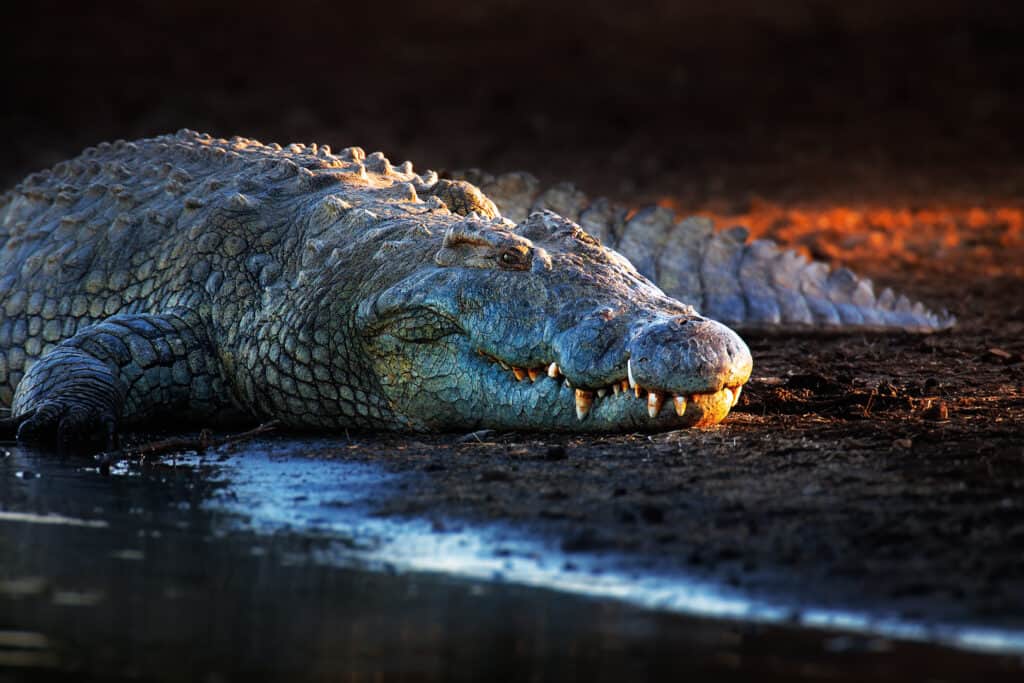
. The range of the Nile crocodile stretches to the southern portions of the continent and even to Madagascar.
©Johan Swanepoel/Shutterstock.com
The Nile crocodile lives in sub-Saharan Africa, in the freshwater river from which it gains its name along with many others on the continent. Their range stretches to the continent’s southern portions and even Madagascar.
Also, humans have found Nile crocodiles within the United States in the Florida Everglades. However, studies suggest that they were likely released from the exotic pet trade. There is no evidence of an established reproducing population.
The saltwater crocodile is found in both saltwater and freshwater environments like rivers, swamps, and coastal waters. They inhabit waters from the east coast of India throughout much of Southeast Asia and to the northern coasts of Australia. These crocodiles can spend significant amounts of time at sea, and they can swim long distances.
Nile Crocodile vs Saltwater Crocodile: Prey
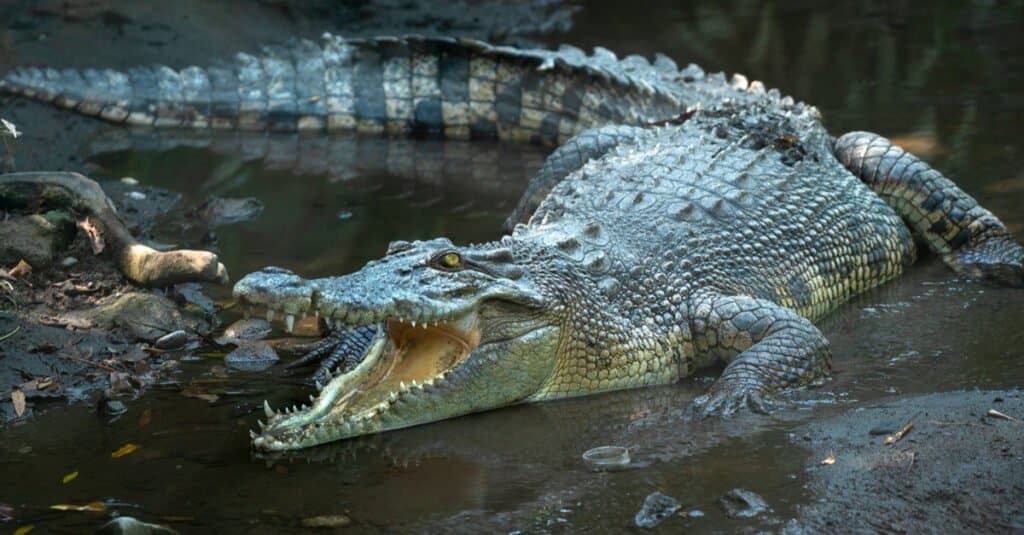
The largest living reptile documented by science, the saltwater crocodile, ambushes its prey before drowning it or swallowing it whole.
©Pius Rino Pungkiawan/Shutterstock.com
Both Nile and saltwater crocodiles are apex predators. They hunt without fear of being killed. Yet, their different living areas give them access to different prey. For example, saltwater crocodiles can eat water buffalo, cattle, boar, crabs, turtles, snakes, fish, and humans.
Nile crocodiles attack zebras, wildebeests, frogs, waterfowl, other reptiles, and human beings. Both of these creatures are highly effective predators that attack and consume just about anything in their range.
Nile Crocodile vs Saltwater Crocodile: Interactions with Humans
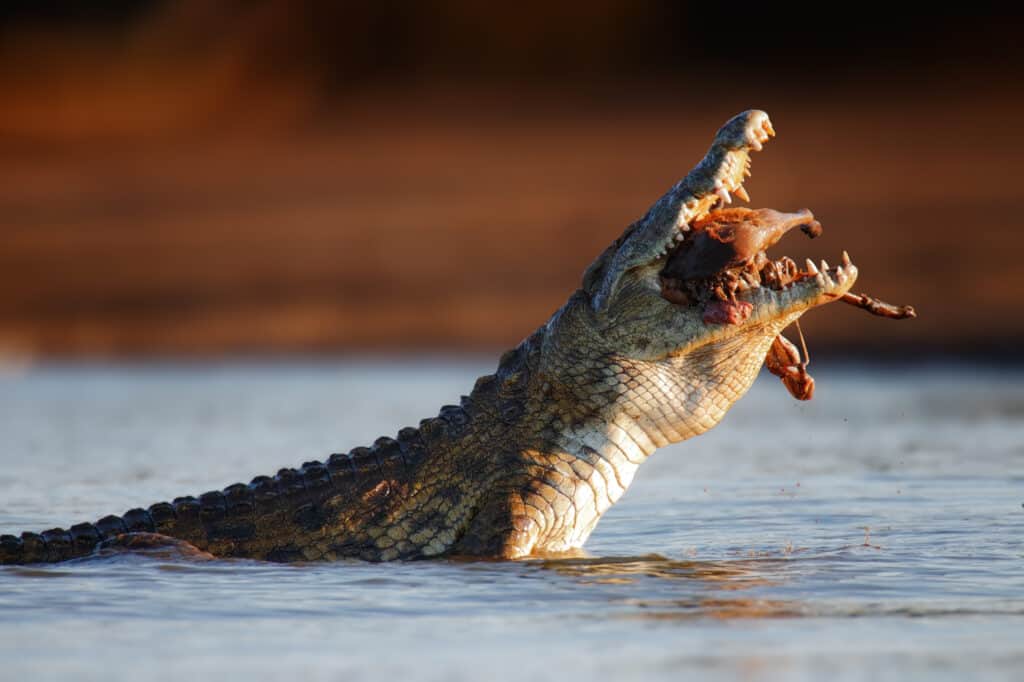
Nile crocodiles pose a significant threat to human life. It’s estimated that they attack and kill hundreds of people per year. These crocodiles are very aggressive toward people.
Though the Nile wins the award for most aggressive croc, saltwater crocodiles are also certainly aggressive toward human beings. They attack and kill dozens of people yearly.
Interestingly, the deadliest crocodile attack in human history is said to have been committed by saltwater crocodiles. The attack occurred in the mangrove swamps on Ramree Island, Myanmar during World War II. British soldiers claim they witnessed crocodiles attack hundreds of Japanese. However, modern historians say this figure is highly unlikely.
It’s estimated that 500 soldiers died in the mangrove swamps on Ramree Island as they blindly fled into crocodile territory. We’ll never know how many the crocodiles took for certain, though.
As you can see, the saltwater crocodile and the Nile crocodile are similar creatures. However, the Nile crocodile is more aggressive, lives in a different part of the world, and averages a smaller size compared with the saltwater crocodile. Your best bet is to stay far away from either one of these massive reptiles in the wild!
Bonus: How Can You Tell an Alligator and a Crocodile Apart?
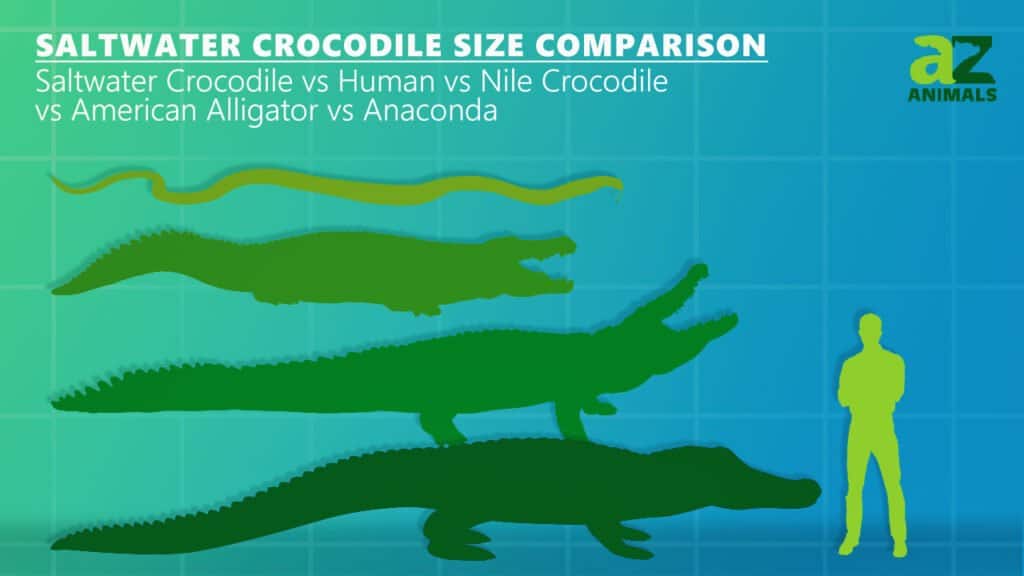
We’ve looked at some differences between the Nile crocodile vs saltwater crocodile and have seen that the Nile crocodile is a smaller but more aggressive creature than the saltwater variety. But what if you were in an area where modern-day alligators and crocodiles co-existed–would you be able to tell them apart?
In terms of physical characteristics, an alligator has a U-shaped snout, webbed feet, a wide upper jaw that hides the lower teeth and overlaps the lower jaw, and roughly 80 teeth. Its teeth measure from 1 inch for its smaller teeth to as much as 2 ½ inches for its largest. In color, alligators are dark gray or black with a cream underbelly.
Crocodiles, by comparison, have V-shaped snouts, less pronounced webbing on their feet than in alligators, and upper and lower jaws that are roughly the same size, allowing the teeth to interdigitate. Crocodiles possess 60-70 teeth that are slightly curved and conical and protrude when their mouths are closed. They are sharp enough to pierce flesh, though not designed for chewing. Saltwater crocs have 66 teeth, some of which grow as long as 5 inches.
Crocodiles’ teeth are not sharp, but are blunt, as they use them to hold prey tight rather than ripping them apart. Crocodiles are mostly olive green or light brown with a mottled pattern.
Alligators can be found in 2 locations–America (the American alligator) and China (the Chinese alligator). Crocodiles can be found in many more places worldwide: Egypt and 25 other countries in Africa (Nile crocodile), Asia, Oceania, South Florida, and South America (American crocodile). Regarding habitat, alligators prefer freshwater areas like swamps, rivers, lakes, ponds, and wetlands, while crocodiles are able to tolerate salt water, enabling them to inhabit lagoons and islands, as well as rivers, lakes, and mangrove swamps.
As far as prey goes, you’d likely observe either the alligator or crocodile eating the same animals: fish, birds, turtles, and various mammals. They are both apex predators that primarily consume other animals as their sole source of nutrition.
Finally, they differ in size. While alligators weigh from 400 lbs to 800 lbs and range in length from 8.2 feet to 11.2 feet, crocodiles are larger animals, measuring 10 feet to 20 feet long and weighing 300 lbs to 2,000 lbs. So if you are observing one of these reptiles in the wild, you’ll need to take into account its unique characteristics, its size, and the area you are observing it in to determine whether it’s an alligator or a crocodile.