
When it comes to danger in the natural world, size does not matter. Some of the most dangerous and deadly creatures are tiny, capable of delivering fatal blows despite having bodies smaller than a fingernail. The United States is home to all manner of creatures, both big and small, but some of the insects found in the U.S. are the deadliest.
While the tropics are home to a litany of deadly, poisonous insects, North America in general—and the United States in particular—gives warmer climates a run for their money. From life-threatening parasitic worms to mosquitoes that spread dangerous diseases, the United States is home to plenty of deadly insects. Fortunately, these deadly effects are pretty rare when it comes to North American insects. Most fatalities are from allergic reactions, but that doesn’t make these insects any less scary. Let’s explore 10 examples.
Parasitic Worm
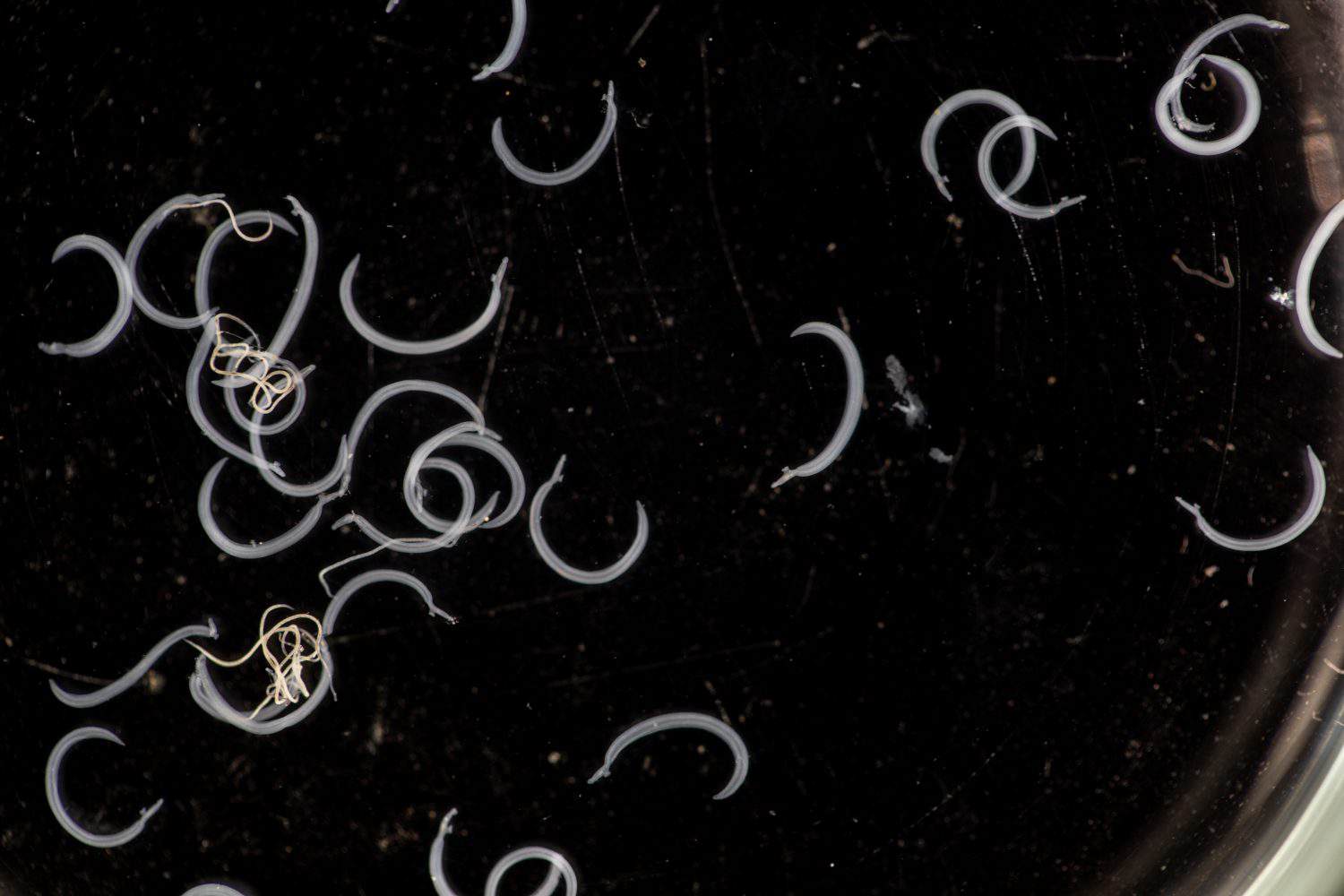
Parasitic worms thrive in warm soil and unsanitary conditions, transferring to hosts via soil, skin contact, and more.
©Sinhyu Photographer/Shutterstock.com
Parasitic worms, or Helminths, denote various intestinal worms, including roundworms and flatworms. In truth, helminths are an artificial term used to account for hundreds of thousands of parasitic worms. There are about 300 that affect humans. Parasitic worms lay thousands of eggs at a time, which enter the soil before infecting human hosts. They can enter the body through soil, ingestion, or even through the skin.
Once inside the body, some parasitic worms can grow up to three feet long (yikes). If left untreated, these unwelcome parasites can cause a range of health problems, including coughing, vomiting, fever, and stomach pain. Over time, the parasites can spread and lead to serious issues such as malnutrition (as they consume nutrients from food), pancreatitis, or dysentery. While parasitic worms are rare in the United States, they still cause problems. Hundreds of thousands of Americans are estimated to be affected by parasitic worm infections.
Bed Bug
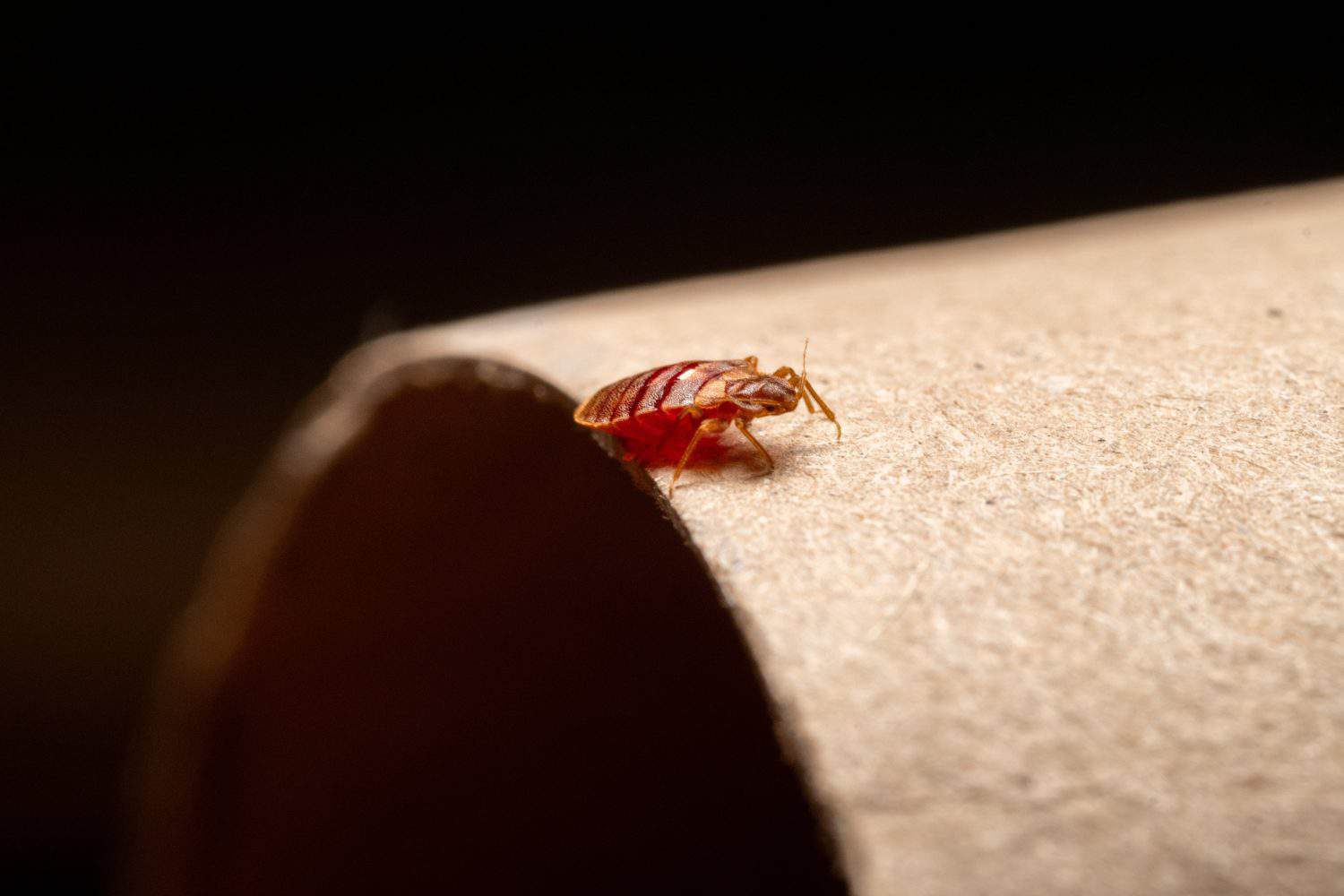
Bed bugs aren’t necessarily deadly, but they cause serious infestation problems in high-traffic areas.
©Antidote Nuisibles/Shutterstock.com
There’s no bug that strikes fear in the heart of the populace quite like bed bugs. While they aren’t as deadly as other insects on this list, bed bugs are tenacious, aggravating, and nearly impossible to get rid of. These micropredators feed on mammal blood at night like vampires. No bigger than apple seeds, bed bugs travel from place to place via animal hosts. In heavily populated areas, they can cause serious infestations, especially in locations with a lot of out-of-town traffic like hotels.
They are called bed bugs because they have a penchant for infesting beds, bed frames, and sheets. Their vampiric bites typically result in itchy blisters, but serious health problems have been known to affect humans. These include possibly deadly allergic reactions, skin infections, and more.
Kissing Bug
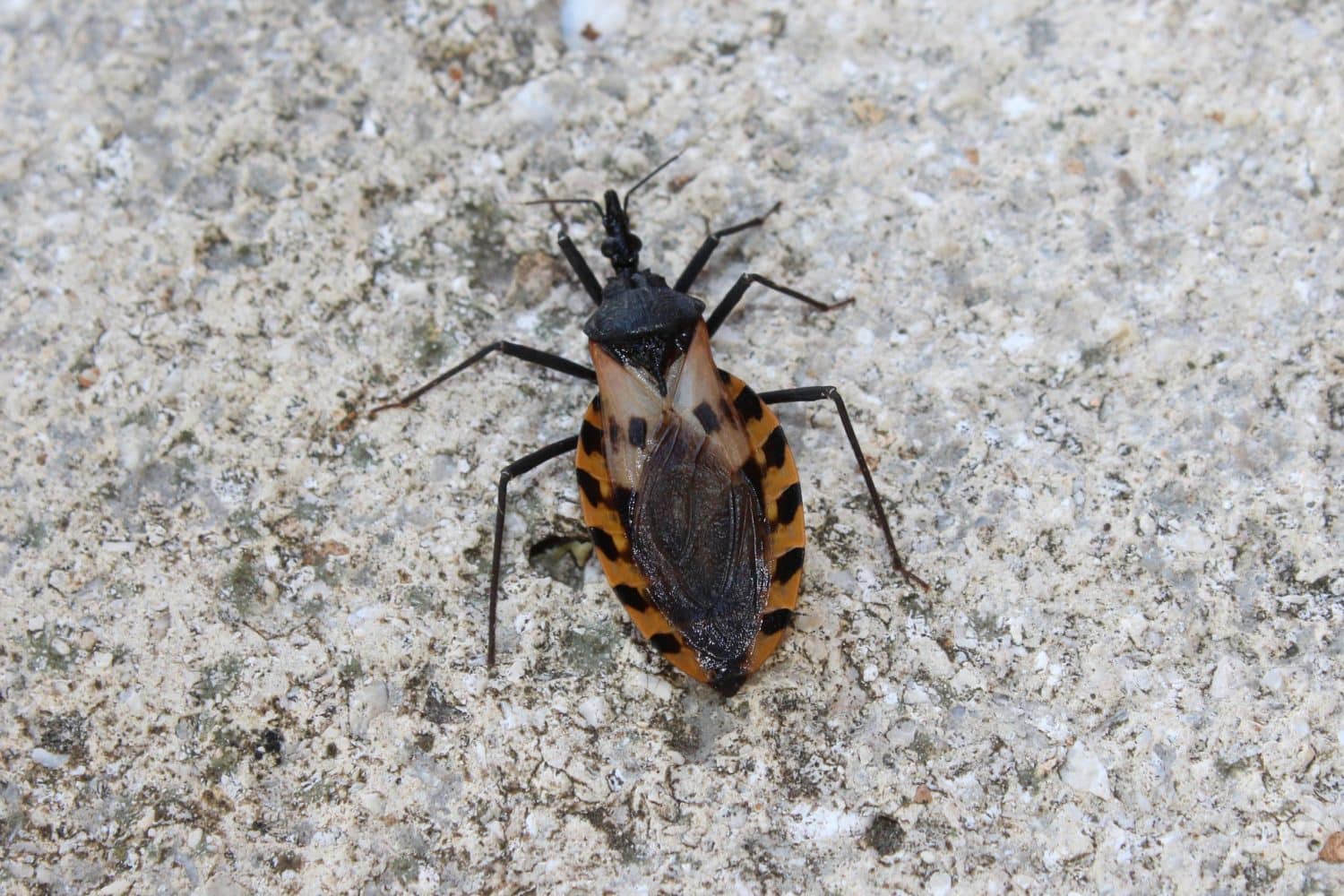
Kissing bugs are also called vampire bugs because they bite people’s mouth areas at night to drink blood.
©Vanessa Becker-Miller/Shutterstock.com
Members of the Triatominae subfamily, kissing bugs, are named for their penchant for biting people around their lips. They are less than an inch long and are characterized by oval bodies with black stripes and orangish-brown coloring. Like parasites, kissing bugs usually shelter alongside nesting vertebrates to suck their blood. They are hard to spot during the day and often bite people around the mouth while they sleep, going undetected.
What makes kissing bugs so dangerous is that they can sometimes be vectors for the deadly Chagas disease. Though it’s a tropical parasitic disease, kissing bugs in the southern and western states are known to carry it. Symptoms start with swollen lymph nodes. Over time, however, nearly half of the people infected with Chagas disease develop heart disease. About a quarter of infected people develop enlarged colons, and ten percent may experience nerve damage. Kissing bugs seem to prefer older wooden dwellings, so it’s important to check for their white or pink eggs in wall crevices.
Mosquito
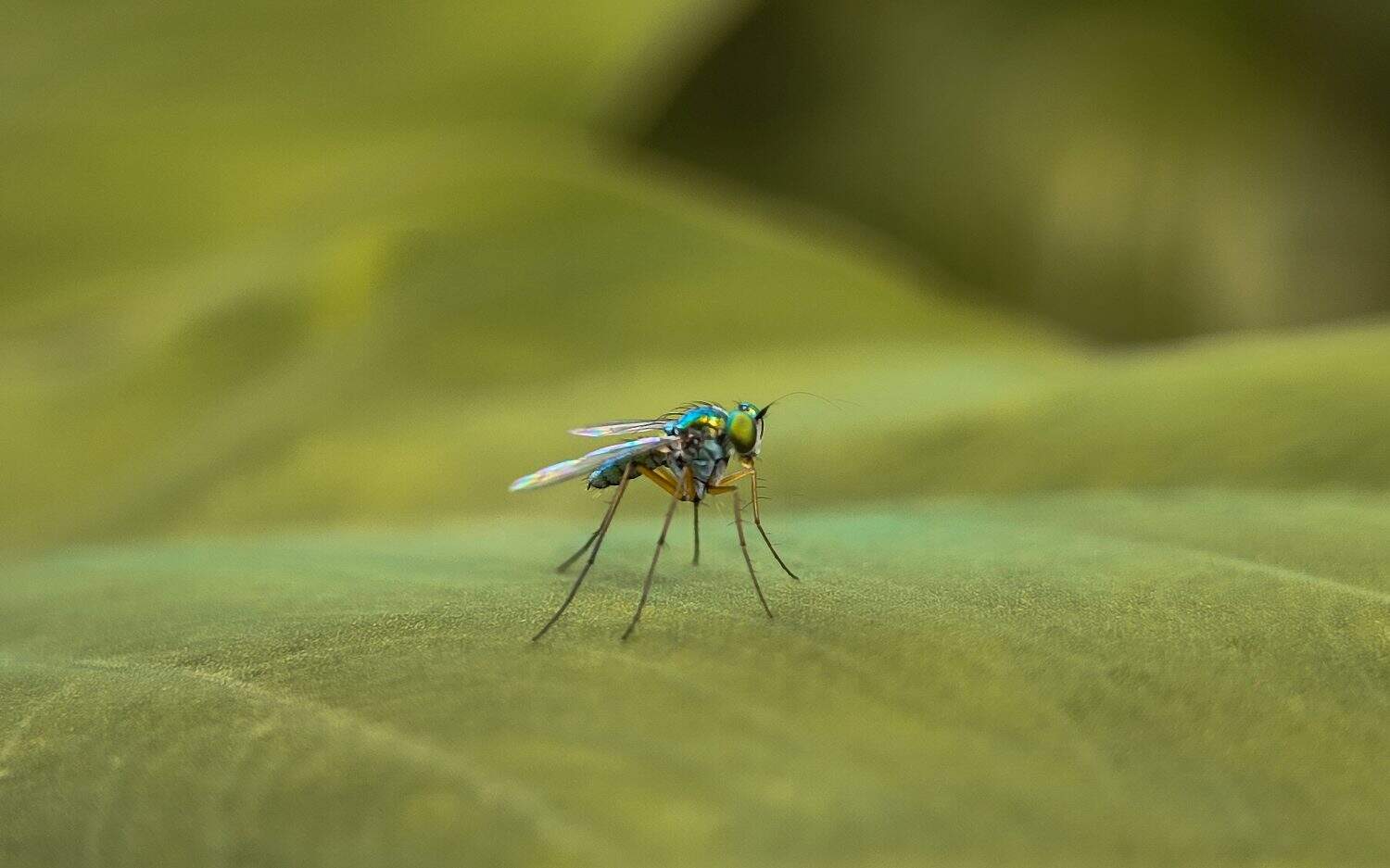
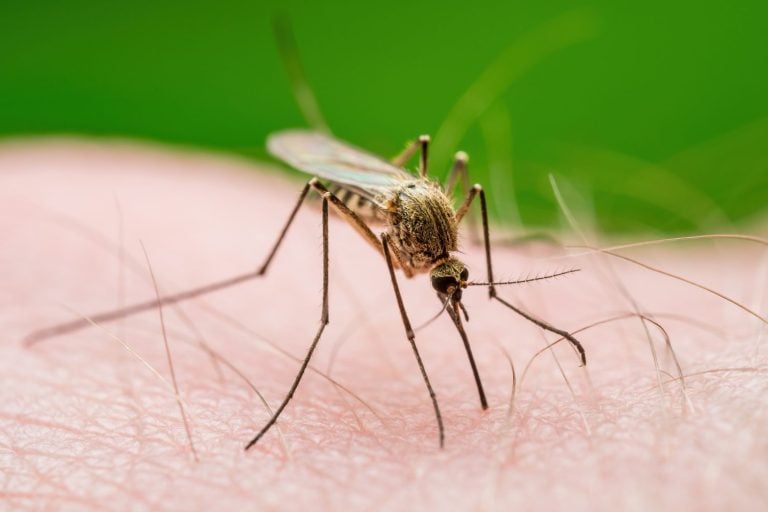
Mosquitos are small and annoying, but can be seriously deadly if they carry West Nile Virus.
©Tasif4545/Shutterstock.com
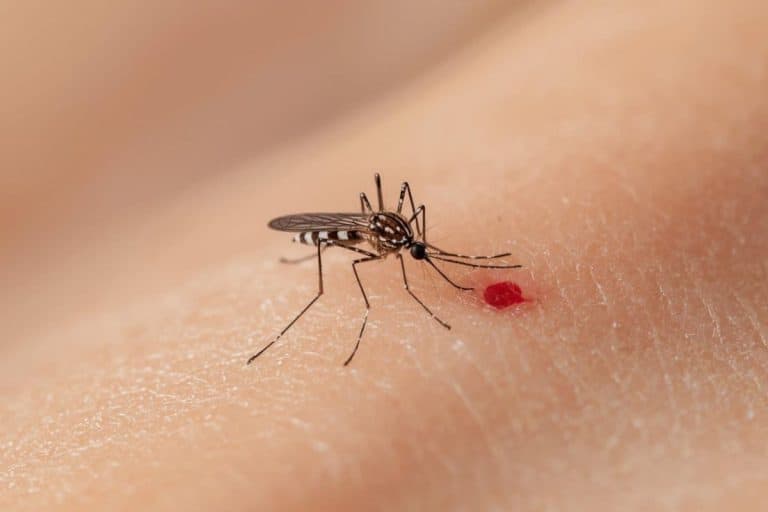
Mosquitoes might be the smallest insects on this list, but they cause a lot of health problems. These little blood and nectar suckers account for some 3,600 species in the family Culicidae. They live all across the United States but can usually be found around standing bodies of water, especially during sunset hours. While harmless—if annoying—on their own, mosquitoes are serious vectors for disease across the world.
In the United States, mosquitoes transmit deadly diseases like West Nile Virus and, more rarely, Dengue Fever, Zika Virus, and Chikungunya virus. West Nile Virus alone causes dozens of fatalities each year. This is especially the case with elderly people bitten by West Nile Virus-carrying mosquitoes. To make matters worse, there is no vaccine or specific treatment for West Nile Virus. Infections like Dengue Fever and Zika Virus, transmitted by mosquitoes, are much rarer.
Deer Tick
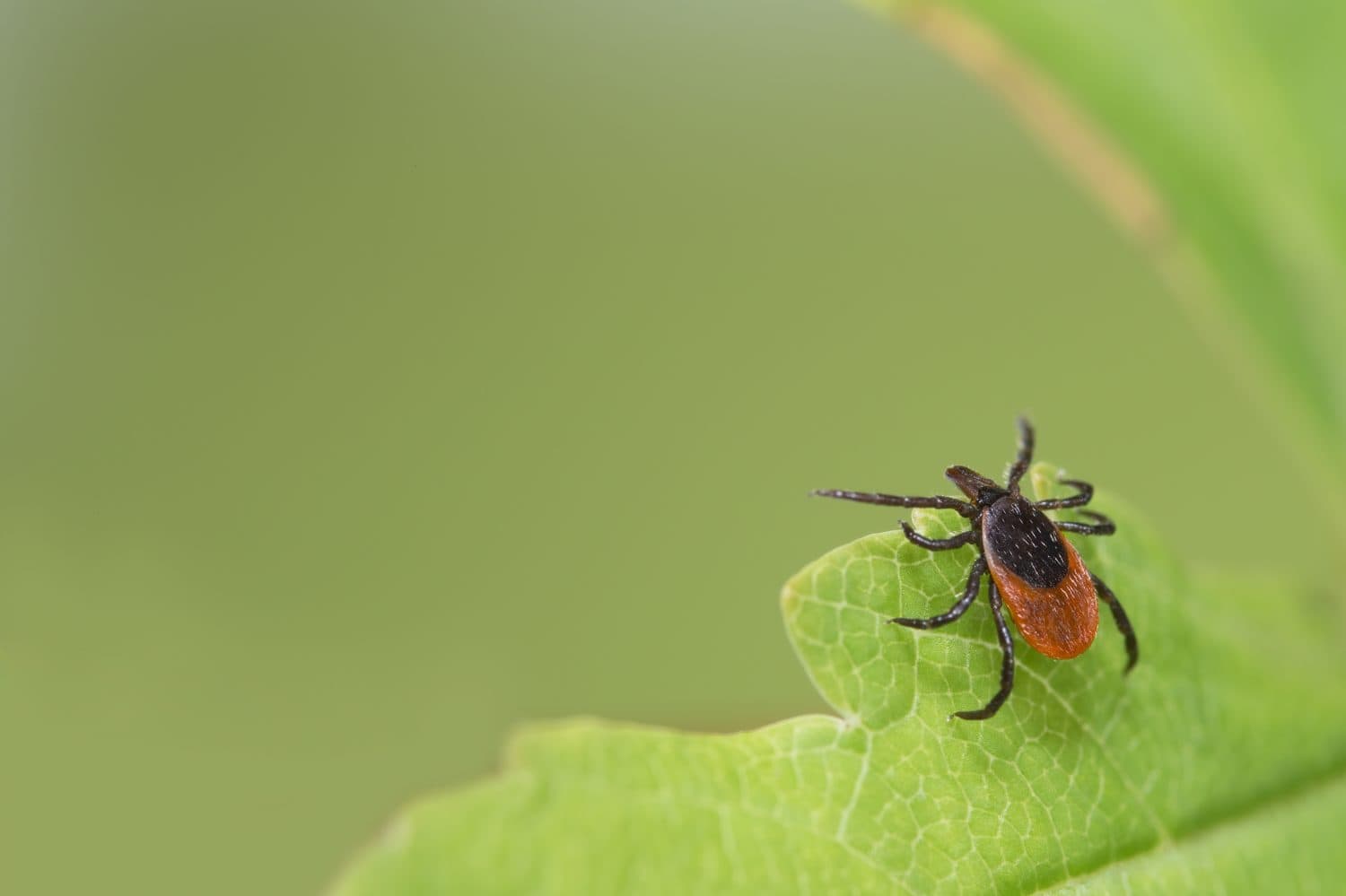
Ticks like Deer Ticks spread potentially deadly diseases like Lyme Disease and Rocky Mountain Spotted Fever.
©KPixMining/Shutterstock.com
One of the most subtle but pervasively dangerous insects in the United States is the deer tick (either Ixodes scapularis or Ixodes pacificus). Also known as black-legged ticks, these tiny insects live across the United States. About a tenth the size of a dime, ticks of different shapes and colors prefer tall grass near bodies of water, where they latch onto passing animals to suck their blood. Once they get their teeth sunk in, ticks will expand to several times their normal size because they are filled with blood.
They aren’t very picky about their food source; cows are prime targets, but so are humans. Normally, tick bites result in bumps or irritation, but they can be deadly. That’s because ticks like the deer tick are notorious vectors for disease. Most cases of Lyme disease in the United States are caused by tick bites. They are also known to transmit deadly illnesses like Rocky Mountain Spotted Fever, Bourbon Virus, Anaplasmosis, and more. Fortunately, most of these diseases require ticks to be attached to human hosts for over 36 hours. Even still, these little critters are surprisingly deadly when considering infection rates.
Fire Ant
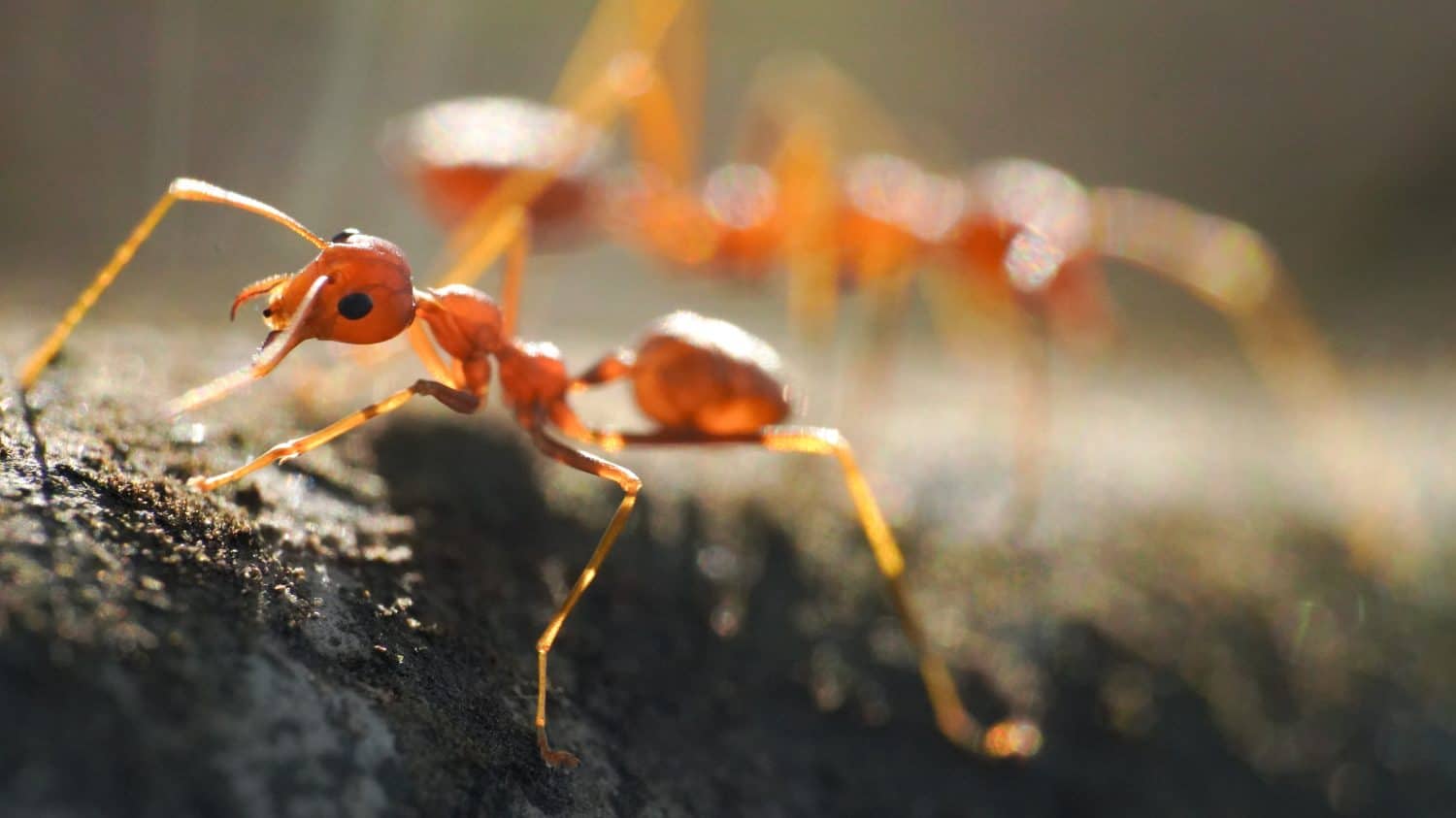
Their bites can cause deadly anaphylactic shock in allergic individuals.
©Dafi Yasin Addafi/Shutterstock.com
Fire ants work well as a team, especially when they viciously attack anyone or anything disturbing their mounds. Comprised of over 200 species of ants in the Solenopsis genus, fire ants are small, red, and fierce. They live across the southern United States, especially in states like Texas, Georgia, and Florida. As for their diet, fire ants eat practically anything; they will devour animal carcasses, insects, and plant material. Incredibly resilient insects, fire ants collaborate, improvise, and adapt in colonies that feature hundreds of thousands of individuals.
This preternatural teamwork extends to their defense. When their mounds are disturbed, fire ants will appear by the thousands and inject venom into incoming creatures like humans. Not only do these venomous bites cause intense pain, but they can also lead to anaphylactic shock in people allergic to them. Even for those not allergic, fire ant bites can cause scarring or infections if left untreated.
Honeybee
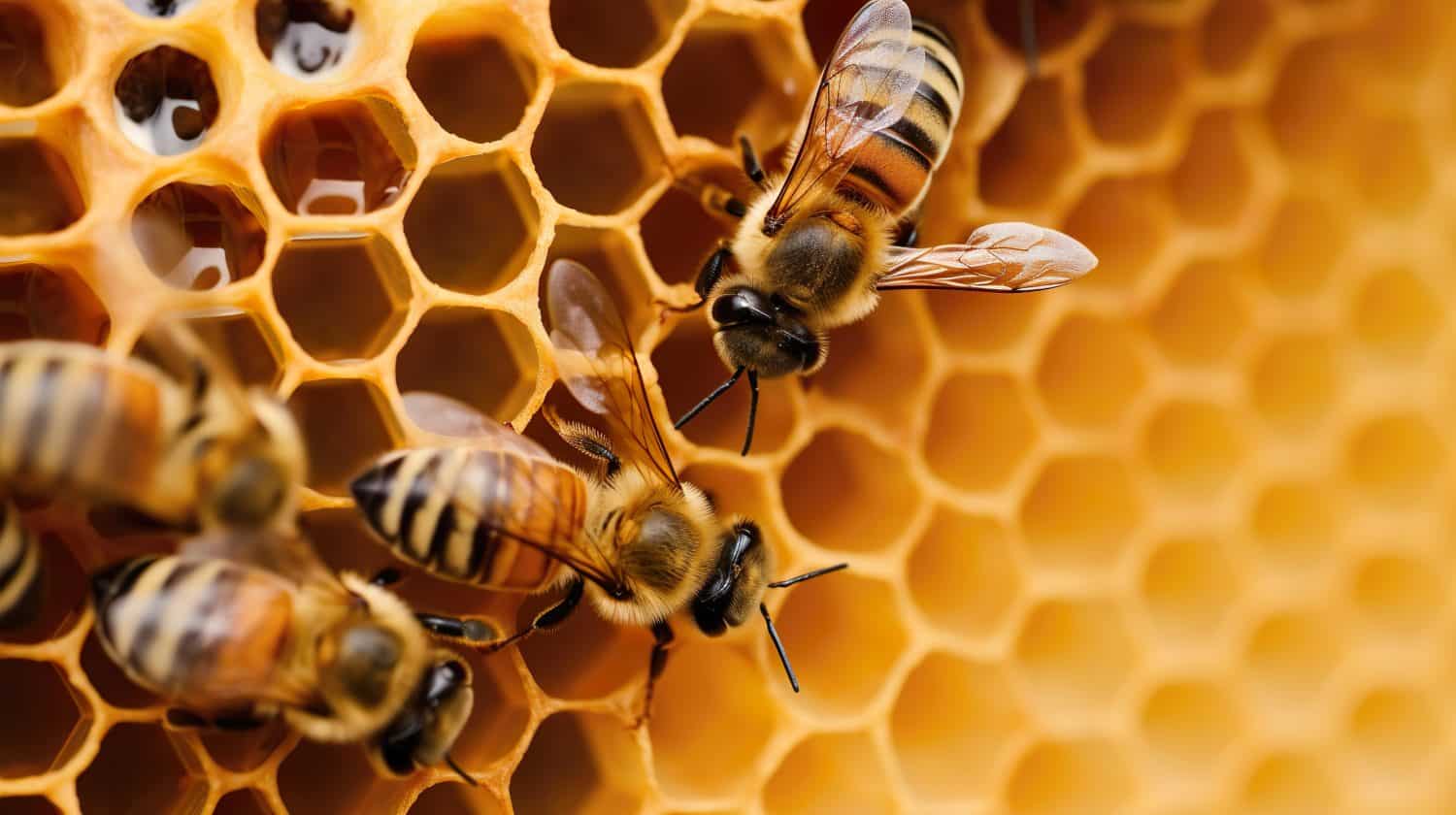
Honeybee stings can produce potentially deadly anaphylactic shock in allergic people.
©Tools Konten/Shutterstock.com
Bees are essential for ecosystems, but they are also among the deadliest insects in the United States. Technically native to Afro-Eurasia, honeybees were introduced to the New World (North America) during the Age of Discovery and have flourished on the continent since. While they only represent a small fraction of the approximately 20,000 species of bees, honeybees are well known to humans thanks to their importance in agriculture and horticulture.
They are typically quite docile, more concerned with gathering nectar and pollinating plants in the process. That said, bees have a serious defense mechanism in the form of barbed stings. For some allergic people, however, honey bee stings can be deadly, as one sting can throw them into anaphylactic shock. Over 60 deaths from honeybee stings happen per year in the United States. The more aggressive Africanized “killer bee” variety, however, is more likely to attack humans than its more docile relative, the honeybee.
Asian Giant Hornet
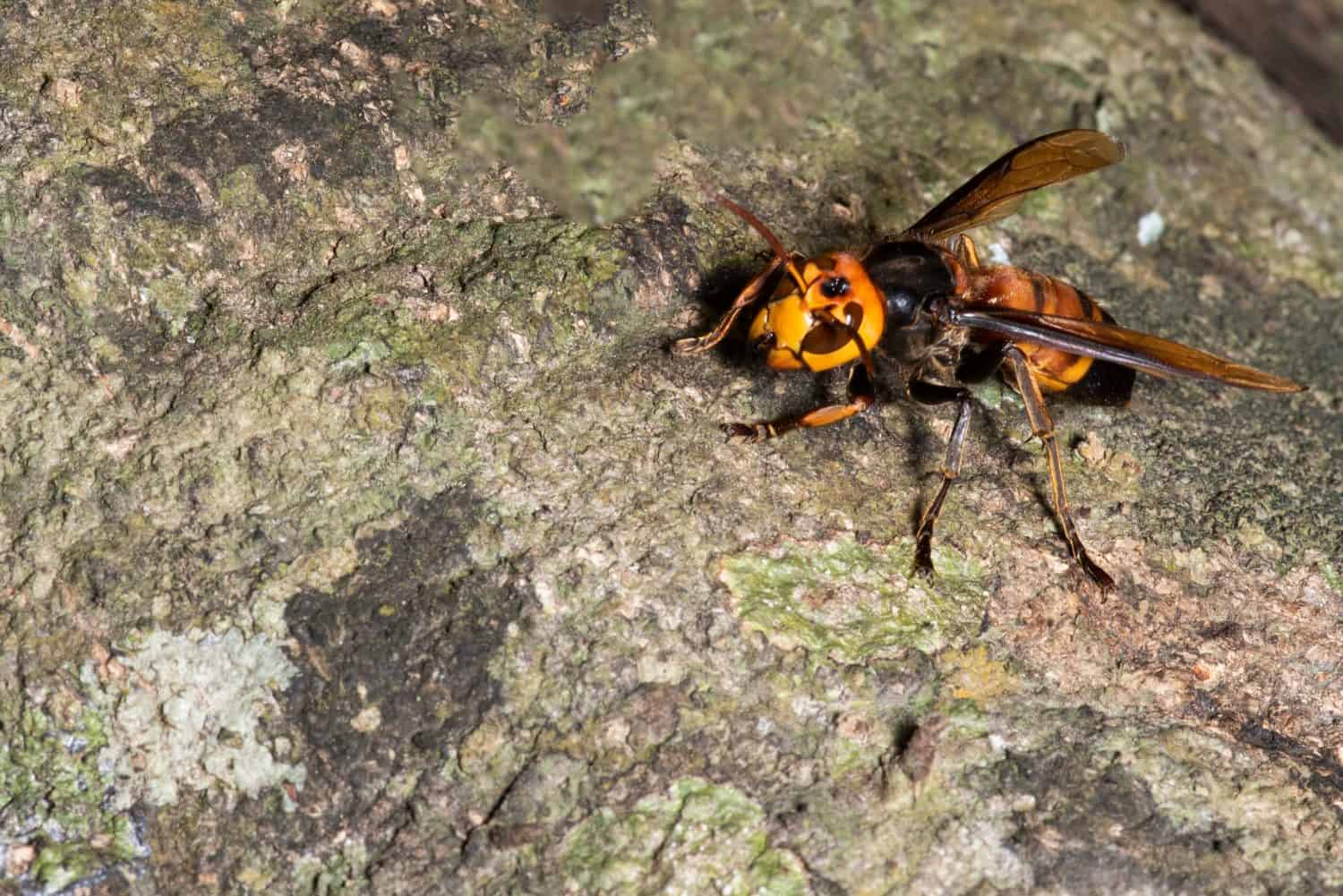
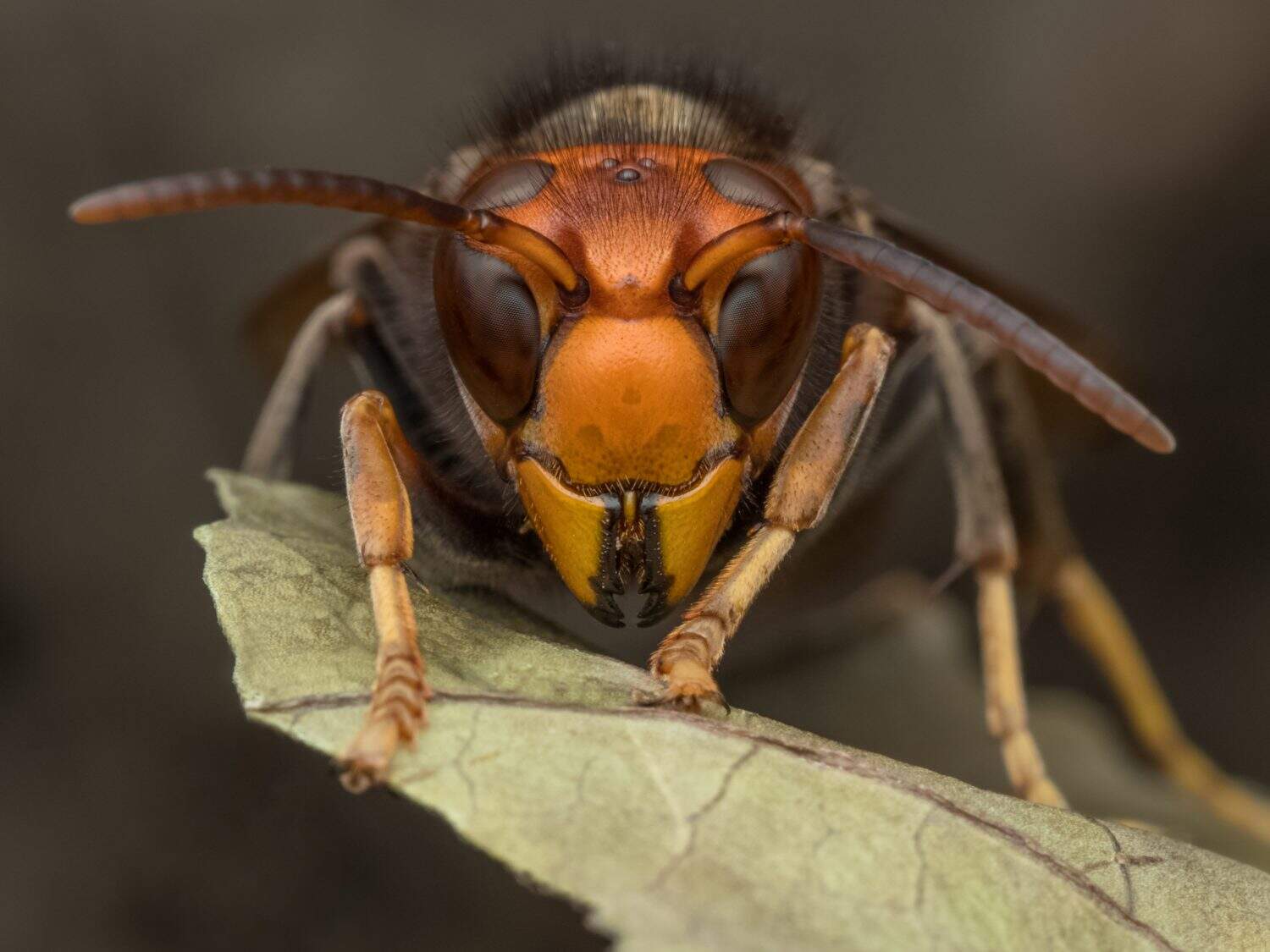
Asian Giant Hornets are over two inches long and can cause anaphylactic shock in allergic individuals.
©KE.Take a Photo/Shutterstock.com
If honeybees are easygoing, hornets are looking for fights. The largest of the wasps and members of the genus Dolichovespula, hornets build big nests featuring one queen, which lays eggs and is surrounded by a phalanx of workers. Hornets, like bees, feed on plant nectar. However, they are much more aggressive and will readily kill large insects such as grasshoppers, locusts, and honeybees. Due to this aggression and strong guarding tendencies, hornets are considered pests. Normal hornets seem tiny in comparison to the Asian Giant Hornet. Not seen in the United States before 2019, they’ve since spread across Washington state.
They are deadly pests, too. Like honeybees, hornets can put an allergic person in anaphylactic shock. Plus, like other wasps, hornets release an attack pheromone that will mobilize an entire nest of hundreds, if not thousands, of individuals ready to fight. Multiple stings from a hornet, especially from an Asian Giant Hornet, can cause severe toxic reactions. These include abdominal pain, weak or rapid pulse, swollen features, nausea, vomiting, and diarrhea.
Human Bot Fly
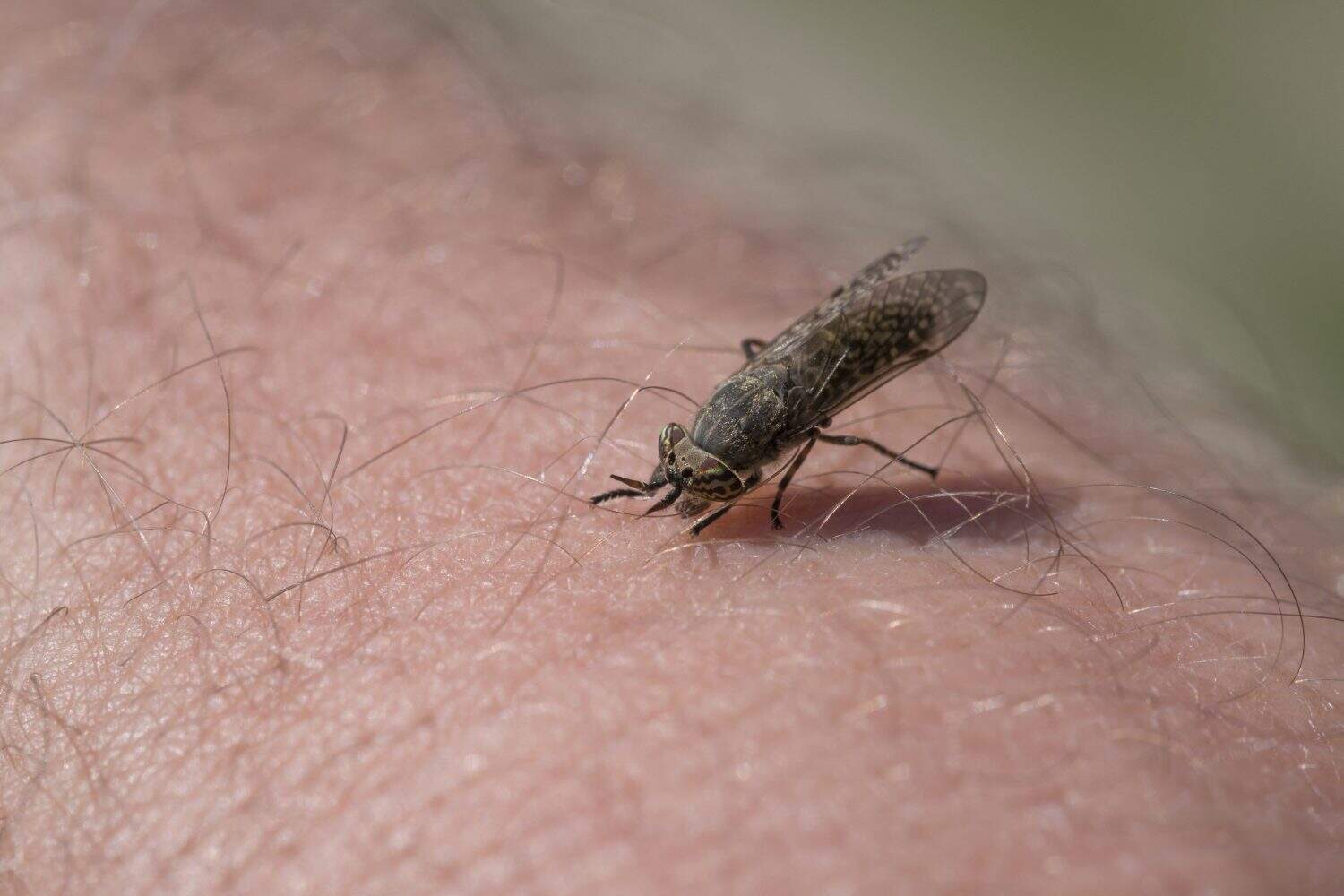
Botflies don’t pose much danger to humans, but can seriously injure livestock.
©Gabi Wolf/Shutterstock.com
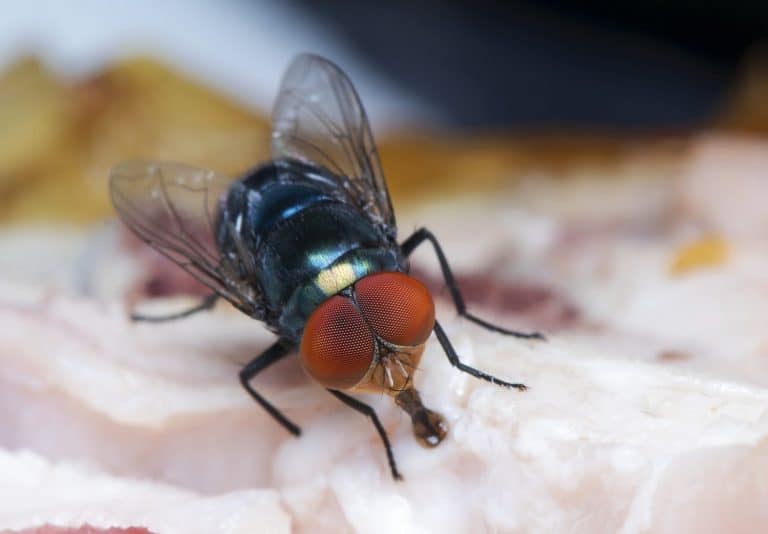
One of the nastier parasitic insects in the United States is the human bot fly (Dermatobia hominis). While not native to the United States, rare cases occur when travelers return from Central or South America carrying bot fly larvae. It’s not the mature botfly that’s dangerous so much as its larvae. They burrow into human skin, often using mosquito bites as entry points.
There, they develop in the human skin’s subcutaneous layers. After around eight weeks, they drop out and pupate in soil for about a week before flying off. While they are gross, they don’t really pose any risk to humans. That said, bot flies that target animals can injure livestock by interfering with proper nutrition and impeding breathing. They can also cause serious distress to livestock by swarming around the nose and mouth areas.
Cockroaches
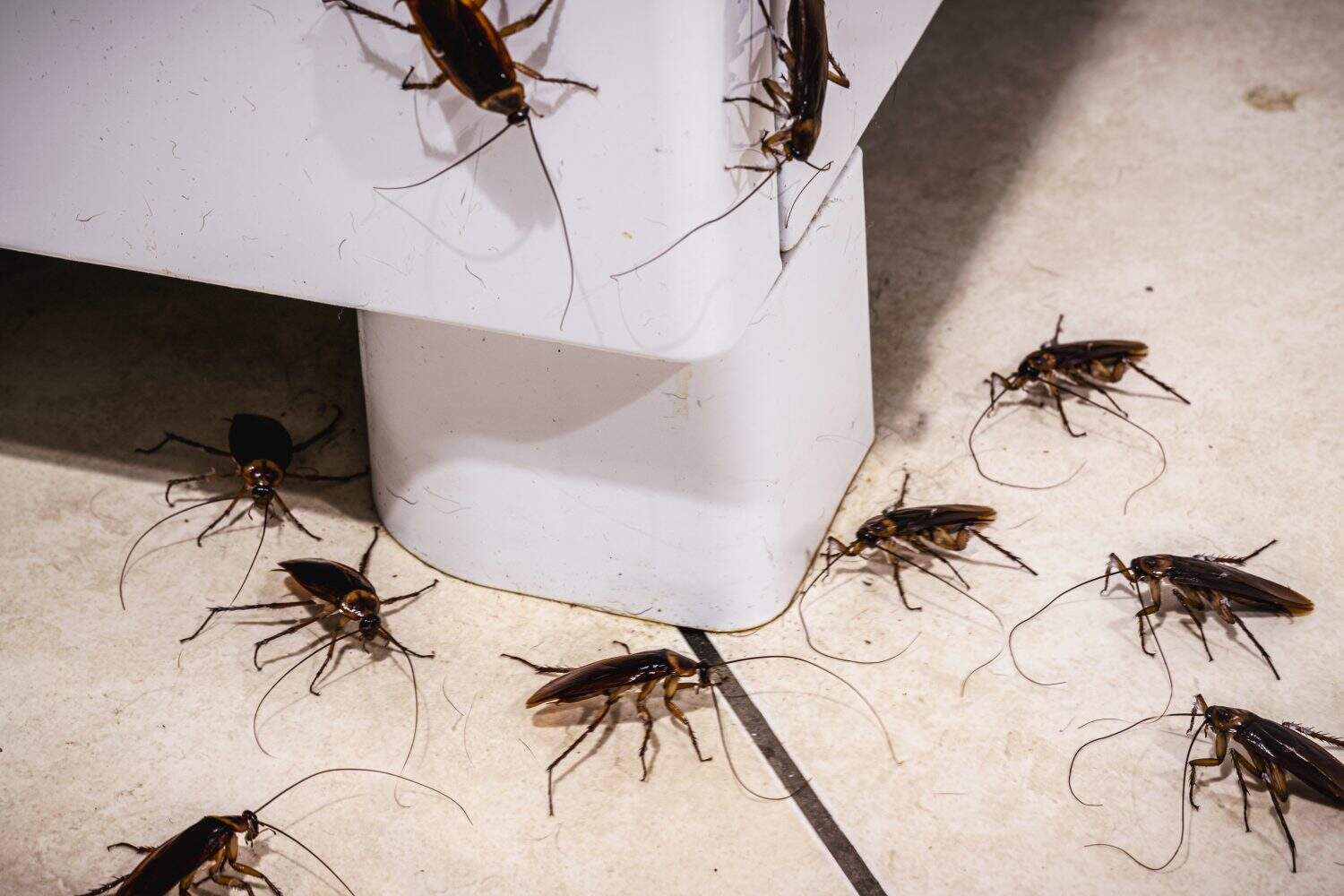
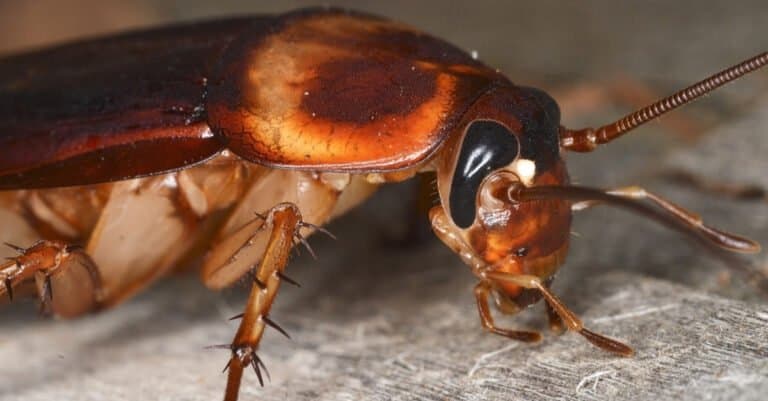
Cockroaches are deadly secondhand; they trigger allergens, spread bacteria, and act as vectors for disease.
©RHJPhtotos/Shutterstock.com
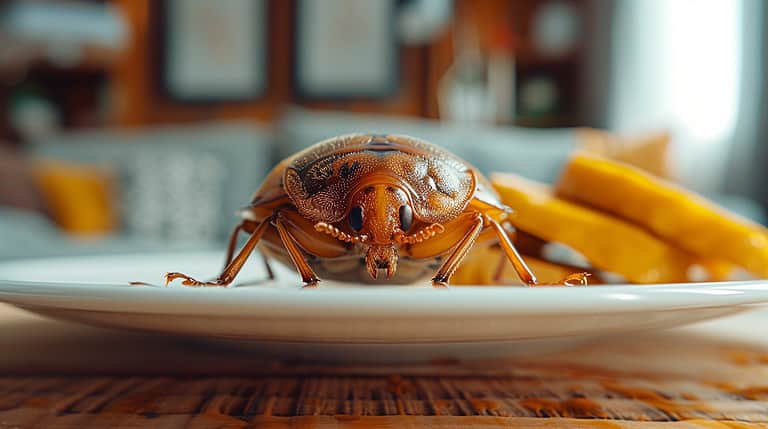
People think of cockroaches as nasty, unsanitary pests. They would be right, but what’s less known about cockroaches is how effectively they can trigger dangerous and potentially deadly reactions. Only 30 of the 4,600 species of cockroach are associated with humans. That said, some of those 30 species can cause serious problems through infestation. Anyone who has lived with cockroaches can attest to how distressing the experience can be.
As for health problems, cockroaches are known to be dangerous indirectly. They can trigger allergens, asthma in children, spread bacteria, and act as vectors for disease. Though their effects are secondary, cockroaches are arguably the deadliest insects on this list due to their real, if rare, ability to spread fatal diseases like E. coli, cholera, typhoid fever, plague, polio, leprosy, and more.