
Honeybees face numerous enemies throughout their relatively short lives. Pesticides, starvation, and parasites are three common causes of the death of a colony. However, there is one other threat that strikes fear into the hearts of both bees and humans: the Asian giant hornet. This merciless hornet is out for blood, specifically that of honeybees. It feasts on entire colonies and can decimate a hive in just a few hours. This YouTube short shows exactly how an Asian giant hornet attacks unsuspecting honeybees, but there’s a significant plot twist. In this scenario, the honeybees fight back, and, for once, they win.
How a Giant Asian Hornet Attacks Hives
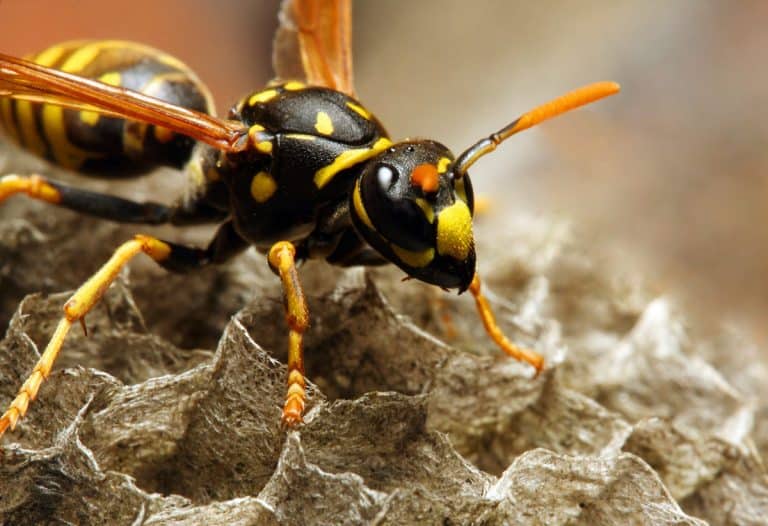
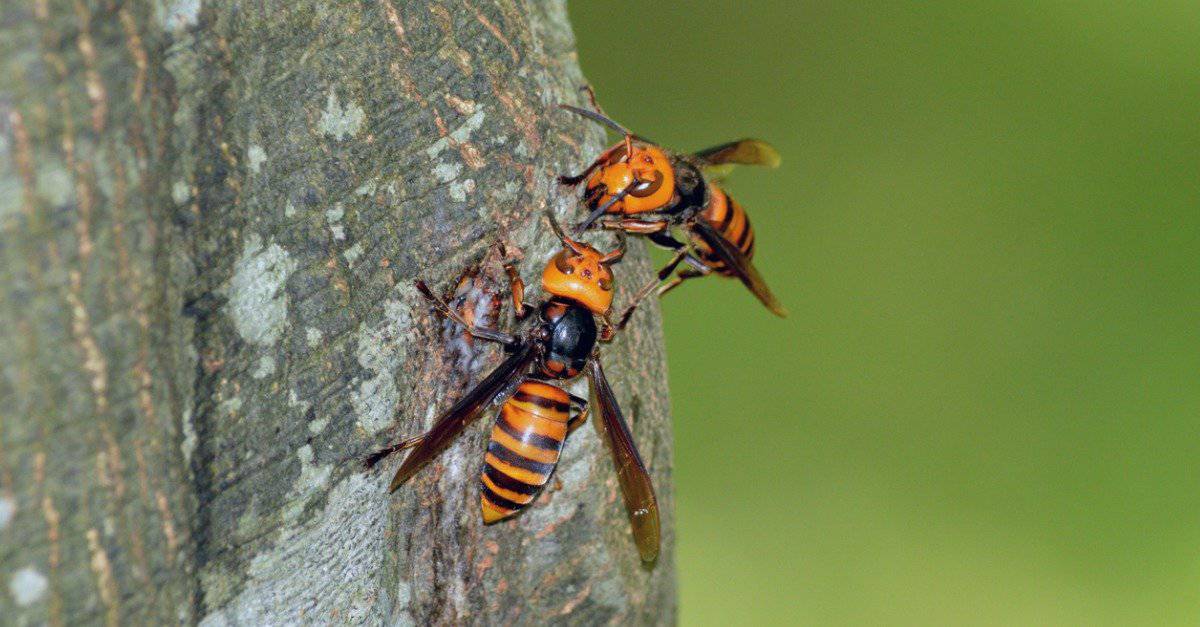
According to The Guardian, sightings of the hornet were recorded in the early spring of last year. This spelled bad news for local honeybee populations. The Asian giant hornet is an apex predator among the bees’ enemies and has the potential to destroy entire colonies. This hornet doesn’t just prey on bees—it actively hunts them. Asian giant hornets are drawn to the pheromone released by the bees, which pulls them to their hive. This video was likely taken during the late summer or early fall, when the hornets are most likely to attack.
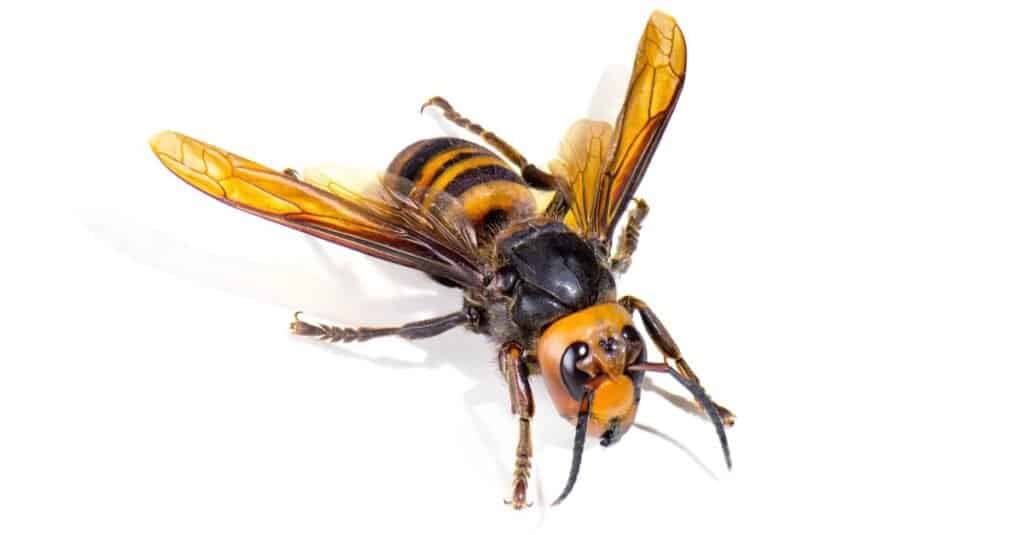
Asian giant hornets decapitate bees.
©iStock.com/kojihirano
When it comes to these attacks, Asian giant hornets are ruthless. They begin by decapitating honeybees, which effectively immobilizes them. The head of the bee is useless to the hornet, but it does fly away with the bee’s thorax. The hornet feeds this to its larvae, which are the primary consumers of the bee’s thorax. These hornets are highly efficient at killing entire colonies due to their large size. Enormous mandibles at the front of their bodies help with dismembering bees, allowing them to cut down hundreds in the span of a few hours.
Honeybees Have a Surprising Weapon
While this unfortunate turn of events sounds grim, not all hope is lost. Honeybees are incredibly adept at adapting to sudden changes and have learned how to counter the threat of the Asian giant hornet. This hornet may have gotten one victim in the video, but the honeybees stage a brutal counterattack. Their secret weapon is something no one would expect, especially not from a hornet that is ten times their size. By huddling together and vibrating at full force, honeybees create a natural defense: Heat.
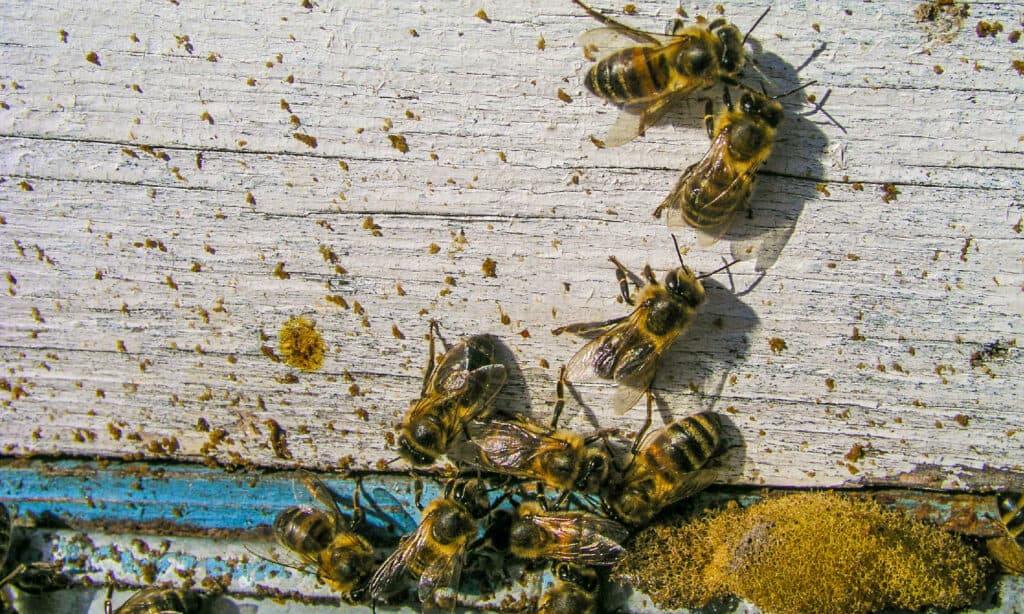
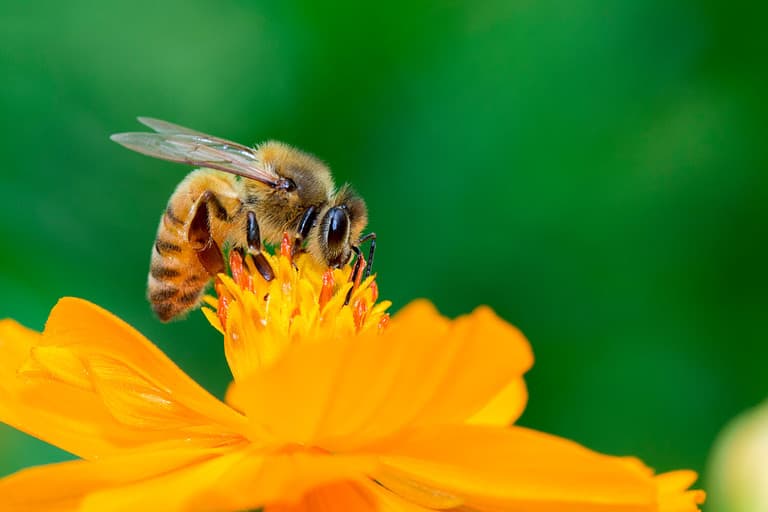
Honeybees can generate heat up to 114 degrees Fahrenheit.
©Lipatova Maryna/Shutterstock.com
Japanese honeybees have the extraordinary ability to withstand a heat level two degrees hotter than that of the giant Asian hornet. When a hornet trespasses into a hive, honeybees lure it into the hive center. They wait for the hornet to take its first victim, and then they strike. Hundreds of honeybees pour down from the hive, covering the hornet in a mass of buzzing. They generate enough heat to raise the temperature to a whopping 114°F. This effectively cooks the hornet, pushing it past the limits of its heat tolerance. They may have lost one member of their hive, but the bee’s sacrifice saved the entire colony.
The Effectiveness of “Bee Balling”
This process of generating enough heat to fry an enemy is called “bee balling.” It has also been observed in other colonies against smaller wasps, not just against the Asian giant hornet. Honeybees have strength in numbers, and an entire colony is capable of truly great things. When it comes to defense, there’s perhaps no better rally than several hundred bees buzzing together while emitting warcries and defensive pheromones. Sometimes, honeybees will sting while forming a bee ball. Once the enemy is subdued by enough bees, the colony may either generate heat to kill it or simply immobilize it. Usually, the combination of suffocation and stinging is enough to rid the hive of most wasps.
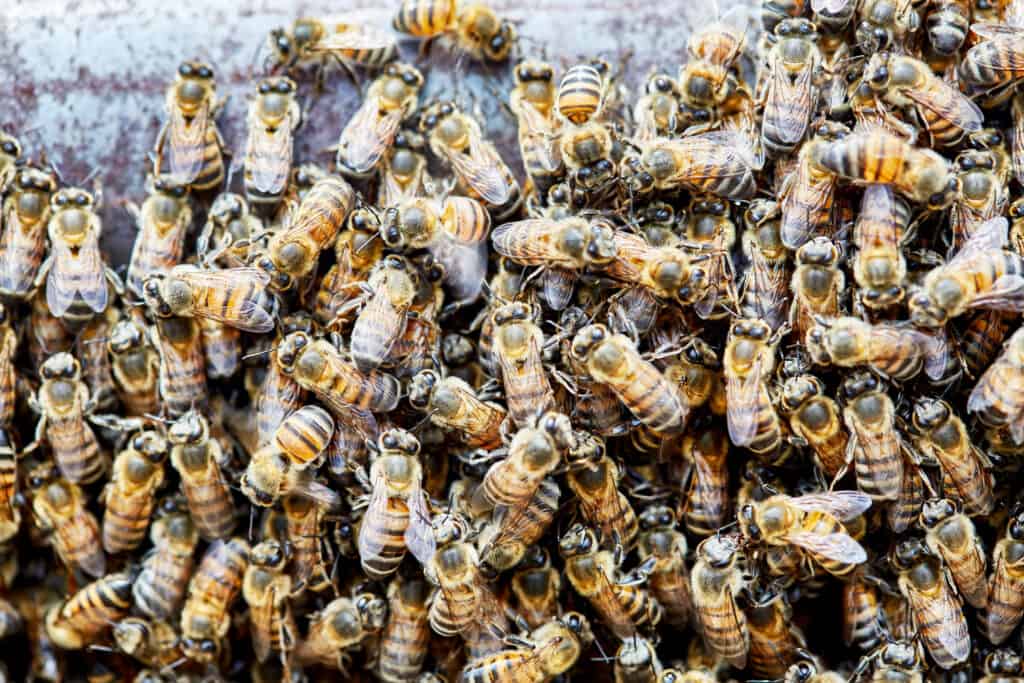
Sentry bees are the true MVPs of honeybees.
©Pamela Au/Shutterstock.com
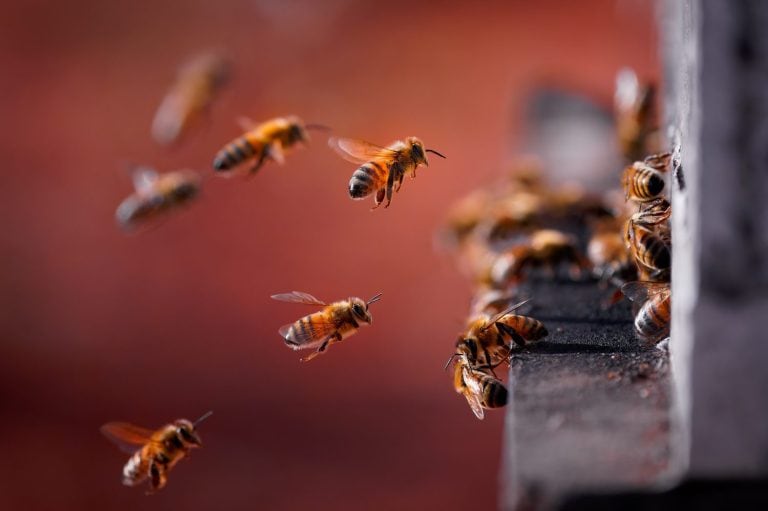
The true MVPs of honeybee hives are the sentry bees, which keep guard over the hive entrance. These bees have the responsibility of alerting the rest of the colony to the presence of an intruder. When this Asian giant hornet entered the hive in the video, the sentry bees emitted a pheromone that communicated to the colony to attack. Once the signal has been sent, a team of soldier bees begins the fight. These are a combination of foraging and nurse bees, which have slightly larger bodies than other worker bees. According to Revive a Bee, these soldier bees continue releasing defensive pheromones, rallying the rest of the hive while they initiate the first attack. The number of soldier bees depends on the needs of the hive, a decision made by the queen when she lays larvae.