
Sea slugs are one of the world’s most stunning, diverse, and adaptable animals. Not only are sea slugs beautiful to look at, but their methods of survival are unparalleled. While some marine species possess one or two unique attributes, nudibranchs are amazing in every way. From its color-changing appearance to its ability to regenerate, here’s why it’s one of the ocean’s most fascinating mollusks.
What Is A Nudibranch?
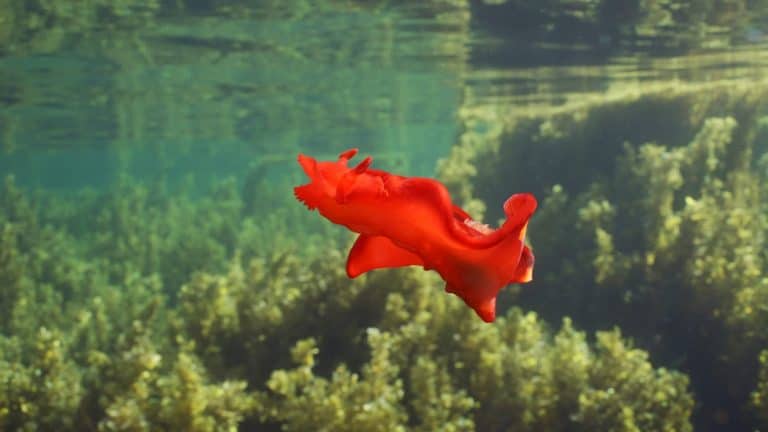
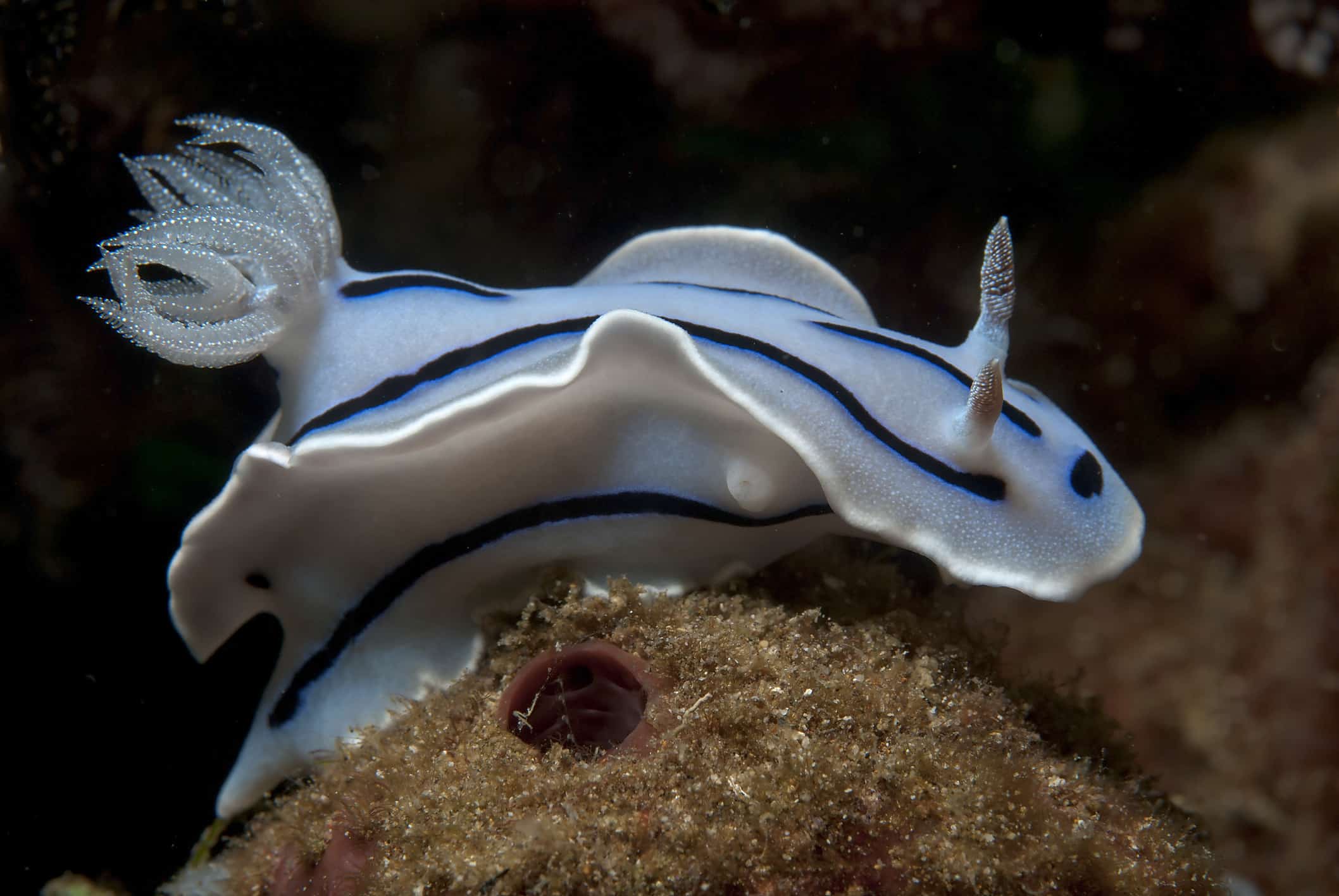
The nudibranch is a species of sea slug, which might sound bland. In reality, they are masters at evading predators and finding innovative ways to adapt and evolve. They’re also part of the order Nudibranchia, which means they shed their mollusk shells after reaching full maturity. This results in breathtaking coloration and body shapes, which are the first things most people notice about nudibranchs. Each one is unique, and some can change their color based on their diet. Nudibranchs are soft-bodied mollusks, allowing their bodies to flex and bend easily. Like land slugs, they leave a slimy trail as they move forward using a muscular foot on their underside.
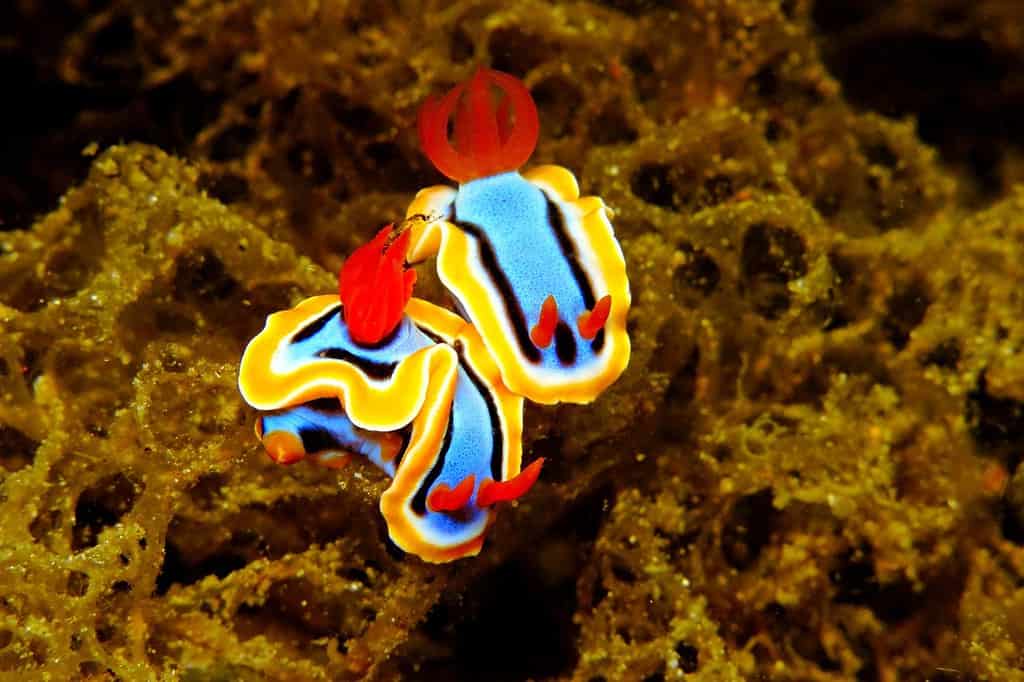
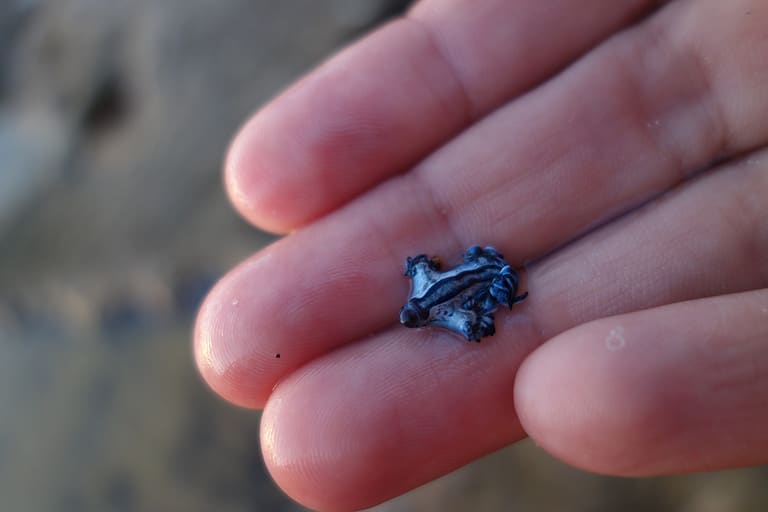
This nudibranch is primary-colored.
©blue-sea.cz/Shutterstock.com
Most nudibranchs move only to evade predators, and their lives are relatively stationary. The undulating flaps on either side help propel them through the water, but they do not move quickly. They spend their lives on the seafloor close to their food source. The nudibranch’s diet consists primarily of corals, anemones, bryozoans, tunicates, and sponges. Sponges, in particular, give most nudibranchs their neon coloring and signal to predators that they may be toxic if eaten. Aposematism is one natural defense nudibranchs use against predators, but it’s not their only survival strategy.
The Incredible Regeneration of Sacoglossan Sea Slugs
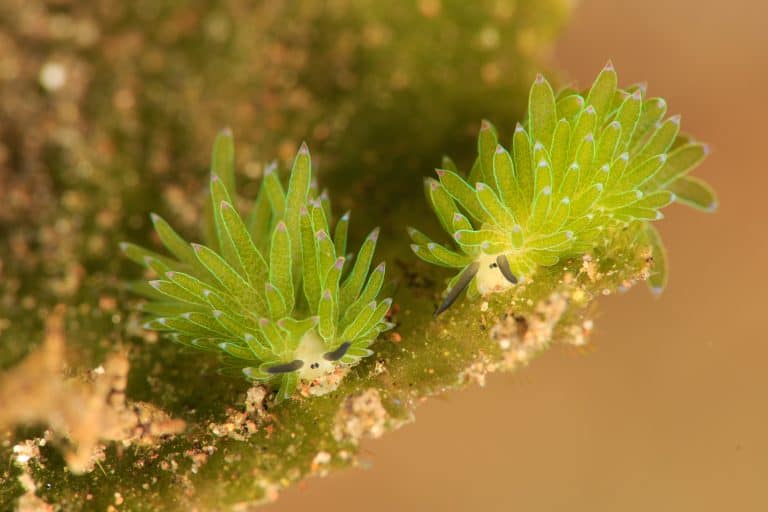
Many animals use regeneration as a defense mechanism against predators. Starfish, axolotls, salamanders, crabs, and even deer can regenerate lost antlers, while spiders can regenerate lost legs. Some sacoglossan sea slugs, such as Elysia, possess this remarkable ability and can regenerate from the head down. This includes any body tissue, as well as vital organs like the heart. It may sound like a science fiction novel, but this is one marine animal that defies the odds when it comes to survival. Some nudibranchs, particularly aeolid species, can autotomize their appendages. This is a defense mechanism used to evade predators, whereas whole-body autotomy and regeneration are traits found in specific sacoglossan sea slugs.
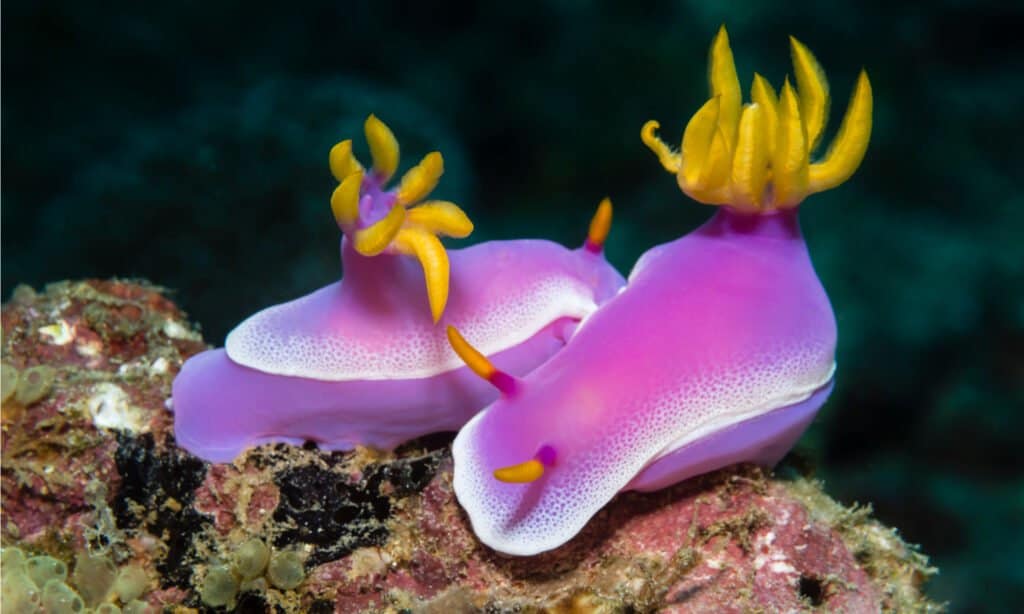
Some sacoglossan sea slugs can survive with just their heads.
©kaschibo/Shutterstock.com
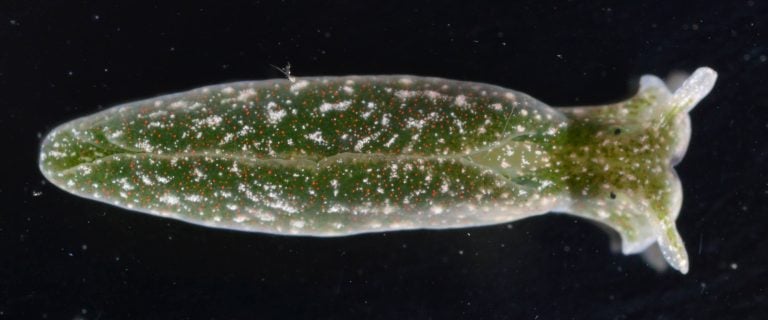
Surprisingly, some sacoglossan sea slugs can shed most of their bodies and even survive with only their head intact. The head is initially attached to the rest of the body but can detach quickly and survive independently. Even after losing their entire body, including the heart and other organs, certain sacoglossan sea slugs can regenerate from their head downward after shedding. The discarded body eventually shrivels and dies, but the lost organs are not necessary for the slug’s survival. According to Science News, a recent study revealed a groove in the Elysia sea slug’s neck, facilitating even easier detachment.
Nudibranchs Wear Many Defensive Hats
Nudibranchs are masters of defense, and shedding their bodies to exist only as a head is an extreme survival strategy. Shedding their shell early in life also enhances their chances of survival. Without the burden of a heavy shell, nudibranchs can perform other extraordinary feats, such as camouflage. A nudibranch’s coloring reflects its environment. Because it rarely strays from its food source, what it eats often influences its appearance. Brightly-colored nudibranchs frequently consume a diet that’s heavy with sea sponges. The toxins in these sponges do not harm the nudibranch but become part of its skin. This gives them a neon appearance and a toxic exterior, making them both undesirable to predators and difficult to spot among sea sponges.

Jellyfish are prey of some aeolid nudibranchs.
©Pearawas Tangjitaurboon/Shutterstock.com
A testament to the nudibranch’s evolution lies in its ability to ingest stinging anemones. Just as the toxins from a sea sponge are absorbed into its skin, the stinging toxin from an anemone is equally potent. This adaptation provides the nudibranch with yet another potent defense against predators. This defense is particularly used by the aeolid nudibranch, which often eats stinging anemones. These stinging tentacles are stored in the nudibranch’s cnidosacs and can be deployed when it feels threatened. Some aeolid nudibranchs have been known to eat other stinging creatures, such as jellyfish and specific types of coral. In the world of natural defenses, the nudibranch would (literally) give an arm and a leg to survive, with some stinging for good measure.