
Quick Take
- One creature hauled up from the deep has only a single other known specimen on Earth, and the nickname scientists gave it is one that will stick with you. Meet the named specimen →
- Scientists say roughly 9 out of 10 animals they pull from this region shouldn't exist yet in any scientific record. See the staggering numbers →
- Photographs of these creatures misled researchers for years, and it took physically holding them to understand why. Why photos weren't enough →
- The clock on cataloguing these species isn't set by science. Something else entirely is driving the deadline. The race against mining →
In the remote depths between Hawaii and Mexico, a stretch of Pacific seabed known as the Clarion-Clipperton Zone (CCZ) is giving up its secrets. Scientists probing this vast, five-million square kilometer region have encountered creatures no one expected, and possibly no one has ever seen before.
Discovery in the Uncharted Deep
Leading the effort is Guadalupe Bribiesca-Contreras of the U.K.’s Natural History Museum. Her team set out with a remotely operated vehicle, venturing far below the ocean surface into the shadowed world of the CCZ. Their mission: to bring back specimens for scientific study, not just photographs. The result was the collection of 55 specimens representing 48 distinct species.
The excitement was palpable with each new find. “It’s always exciting every time that we’re doing the work and he’s like, oh, I cannot identify this to anything known. And you start getting kind of excited because it’s probably a new species,” Bribiesca-Contreras shared.
New Species And Many More Unnamed
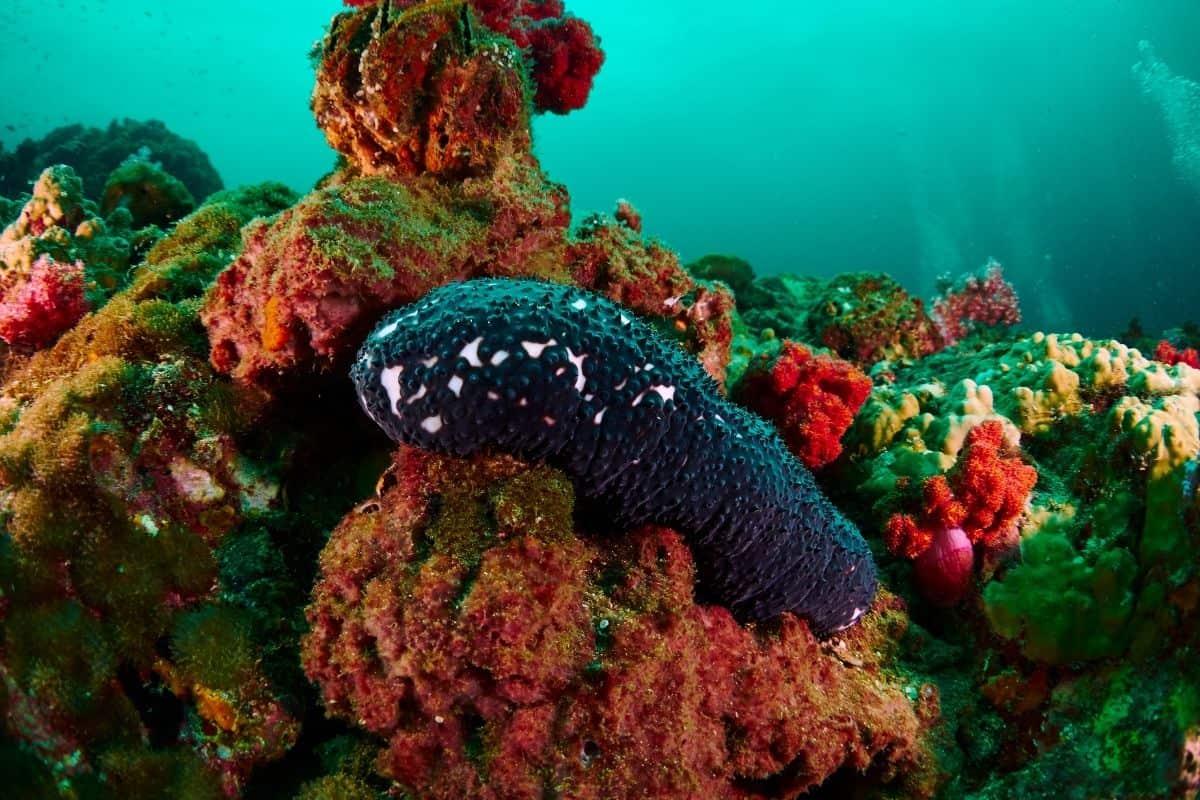
The tally is remarkable. Seven of the species are already confirmed as new to science, while 32 more are believed to be previously unknown, pending further analysis. The organisms include sea cucumbers, starfish, corals, and sponges. All are classified as macrofauna: animals that, while bigger than single-celled organisms, might measure only centimeters or even millimeters in length.
For many of these animals, it’s the first time scientists have handled them in person. Whereas much of what is known about deep-sea macrofauna comes from images alone, actually possessing specimens allows researchers to count tentacles, record subtle features, and even unlock data from their DNA. This hands-on science marks a significant leap for deep-ocean biology.
One standout: a Psychropotes dyscrita, a yellow sea cucumber stretching 30 centimeters, affectionately dubbed the “gummy squirrel.” Bribiesca-Contreras points out that only one other specimen of the species is known to exist.
The Significance of Each Find
Marine biologist Verena Tunnicliffe of the University of Victoria praised the work, describing the researchers as “an excellent team of scientists” who are making real advances in a little-understood region. “I love new species,” Tunnicliffe wrote. “Each tells a different story about adaptation to a unique and specialized habitat. A name can help with general adaptations but ‘new’ means something that is, indeed, novel.”
Bribiesca-Contreras underscores the odds: in these explorations, maybe 90 percent of the animal specimens found turn out to be new to science. For researchers, that sense of the unknown is constant, deep-sea studies routinely turn up life forms that defy existing catalogs. The implication: The deep ocean remains one of Earth’s last great frontiers.
What Lies Beneath and What’s at Stake
The science isn’t just curiosity-driven. The CCZ is rapidly becoming a focus of both research and intense commercial interest. Its seabed holds minerals, cobalt, nickel, manganese, and copper, vital for modern technology. While no mining is underway yet, parties with an eye on exploitation are already exploring the possibilities.
“Obviously there’s a lot of commercial interest in the area. And even though there’s no exploitation happening at the moment, there’s a lot of exploration from the parties that are interested in exploiting the resource,” Bribiesca-Contreras explained.
For her, the priority is clear: before industry descends, scientists must understand precisely who and what inhabits these isolated expanses. “It’s very, very important that we, as scientists, understand the ecosystem. And the first thing to…really understand the ecosystem is to know exactly what lives down there, to describe the diversity.”
This effort to catalog deep-sea life reminds us: for all our technology, the world below the waves is still brimming with mysteries, waiting for their turn in the light.