
Quick Take
- No single common green darner dragonfly completes the full migration, as it takes multiple generations to pull it off, and the way they divide the labor is stranger than you'd expect. See the generation cycle →
- Miss the migration window by even a little, and the consequence for a dragonfly isn't a delay but something fatal, and for a reason most people wouldn't guess. Why timing is fatal →
- These dragonflies don't follow a fixed route south the way birds do, and what steers millions of them in the same direction each year turns out to be more surprising than instinct alone. Discover what steers them →
- One common backyard habit could be quietly sabotaging dragonflies mid-migration, and most people doing it have no idea. Avoid harming migrants →
Many are familiar with the southward migration of butterflies each fall. However, few are as familiar with dragonfly migration.
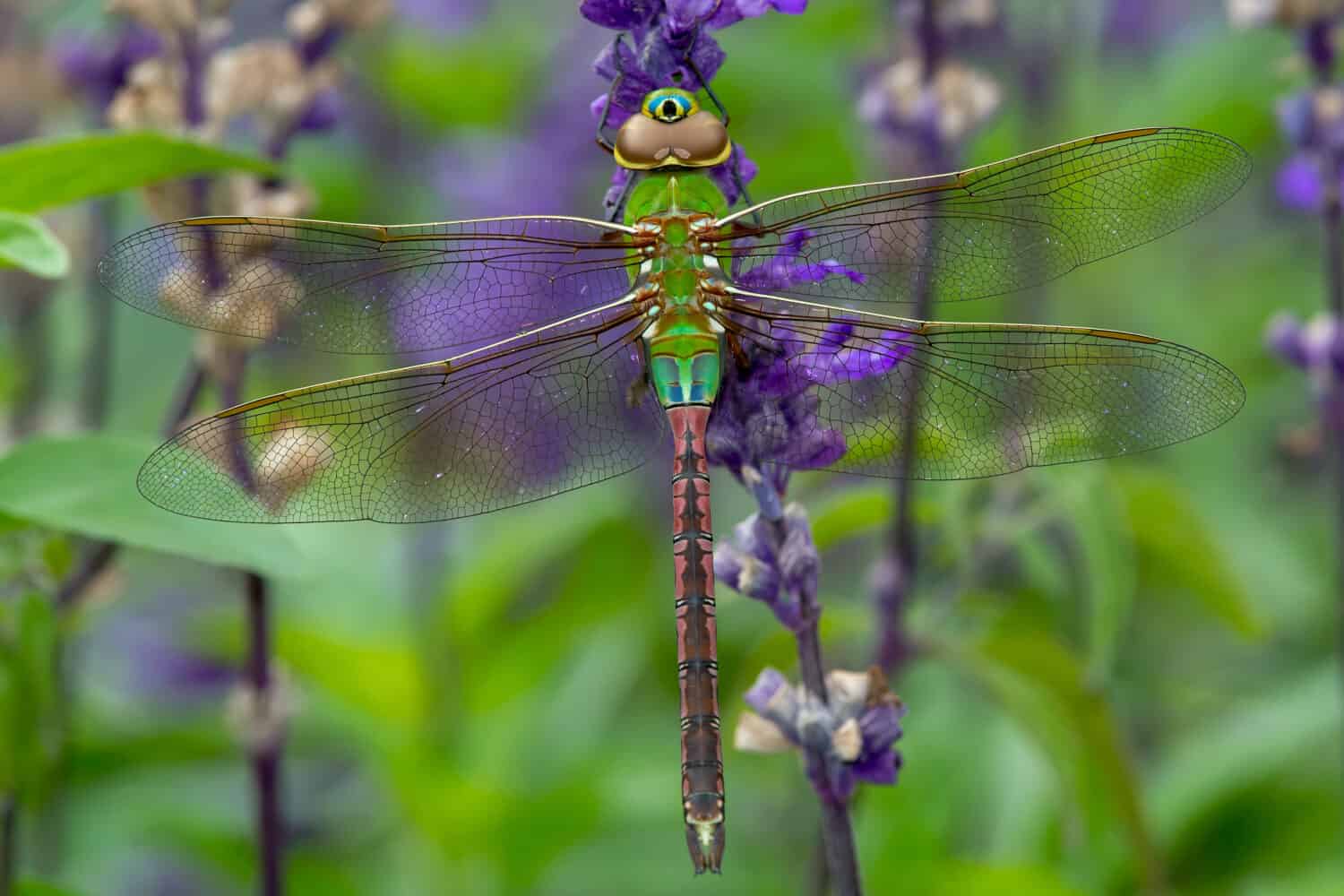
Each September, millions of dragonflies take to the skies to migrate from Canada and northern U.S. states to the Gulf Coast and Mexico. But blink, and you might miss them. The common green darner dragonflies are fast-moving, sometimes leaving only a bright green flash in their wake as they zip by on their migration journey.
Continue reading
Common Green Darner Dragonflies Migrate in the Millions in September
Each September, millions of common green darner dragonflies take to the skies in migration. These dragonflies will travel great distances at high speeds, all in the name of returning to warmer weather before the chill of fall and winter sets in.
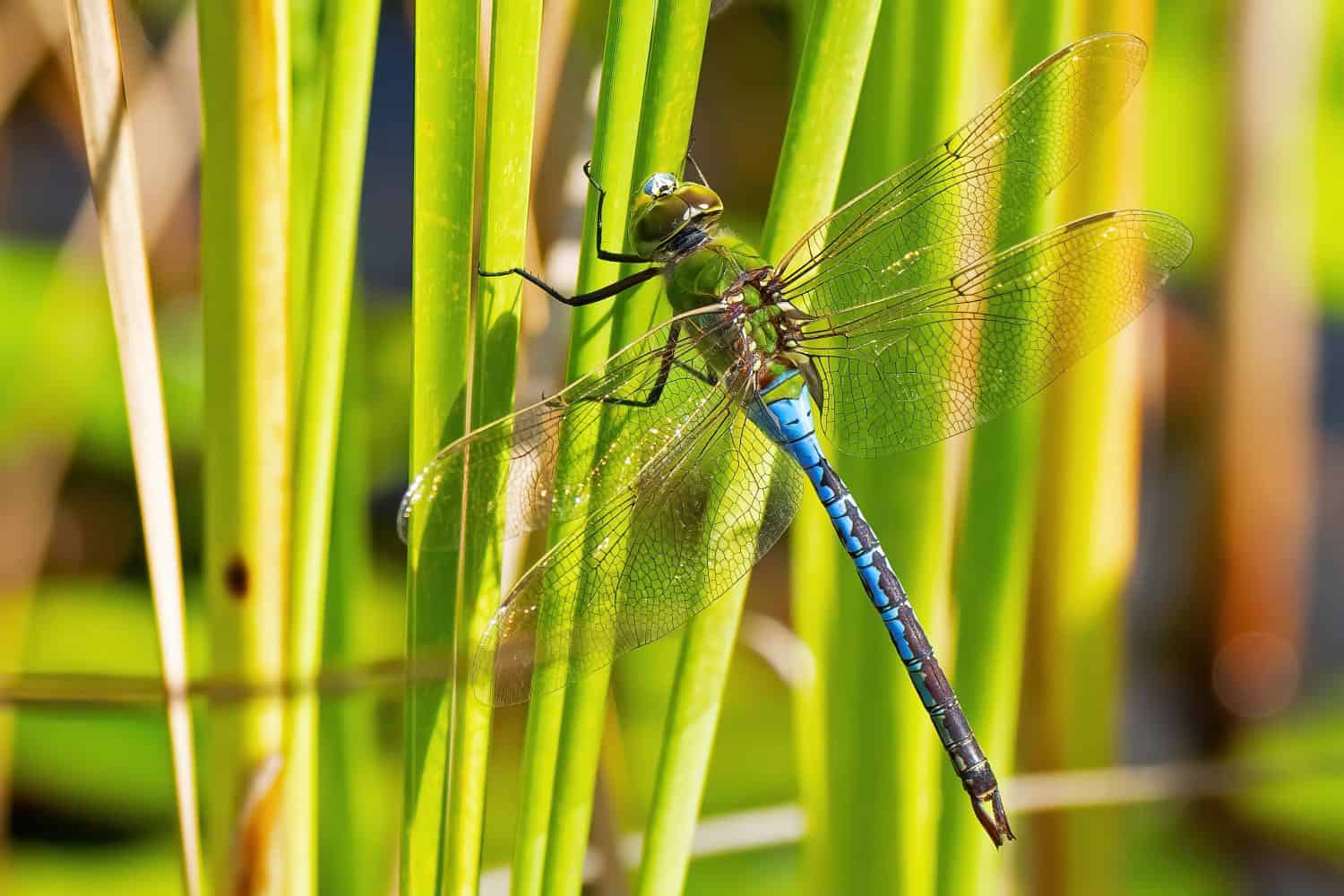
Common green darner dragonflies travel 375 miles during migration, with some individuals traveling much farther.
©Brian E Kushner/Shutterstock.com
The common green darner dragonflies that migrate south will travel approximately 375 miles to make it to their wintering locales. However, some will fly even farther, with individuals noted to have traveled over 1,550 miles in one migration.
The dragonflies that travel south were born in the north. In the spring, they will migrate back north, lay eggs, and thus complete the life cycle of the common green darner dragonfly.
Why September is Key Migration Time for Common Green Darner Dragonflies
To complete the full migration cycle, it takes three generations of common green darner dragonflies to do so. There are those who fly northward to lay eggs in the spring, those who fly southward in the fall, and others who remain resident during the winter. The dragonflies that migrate south in September need to hightail it out of the north before weather conditions become too cool for common green darner dragonflies to survive.
The common green darner dragonflies that migrate south are those that emerge from eggs in the north. After migrating south, they move north again in spring to lay their eggs. Those eggs remain in the aquatic environments where they were laid until spring approaches, and the adult common green darner dragonflies die.
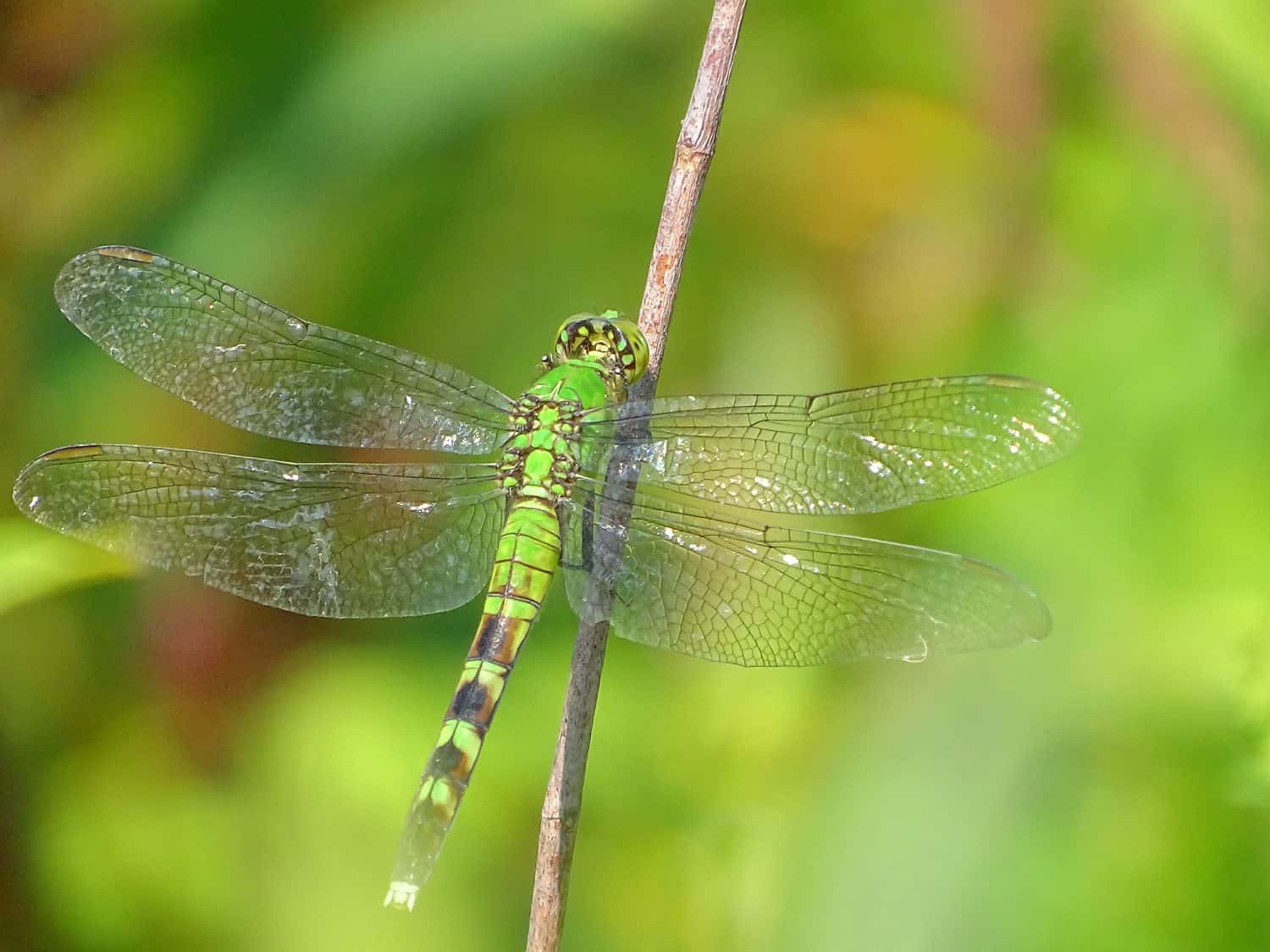
Common green darner dragonflies migrate in September to beat the fall and winter chill.
©Carl Reader/Shutterstock.com
The newly hatched common green darner dragonflies will remain in the north during spring and summer, taking advantage of the warm temperatures and abundant prey. During this time, they build up their fat reserves. Fat reserves are necessary for their migration back south when temperatures begin to fall.
If common green darner dragonflies do not respond to environmental cues, they will miss their migration window. If this happens, they will stay in the north too long and ultimately perish from the cold, as they cannot regulate their temperature and stay warm.
How Do Common Green Darner Dragonflies Know When to Migrate?
Common green darner dragonflies migrate around the same time each year. This is not by chance. Instead, it has to do with environmental cues that signal to the dragonflies that their time is done in the north and their journey south awaits them.
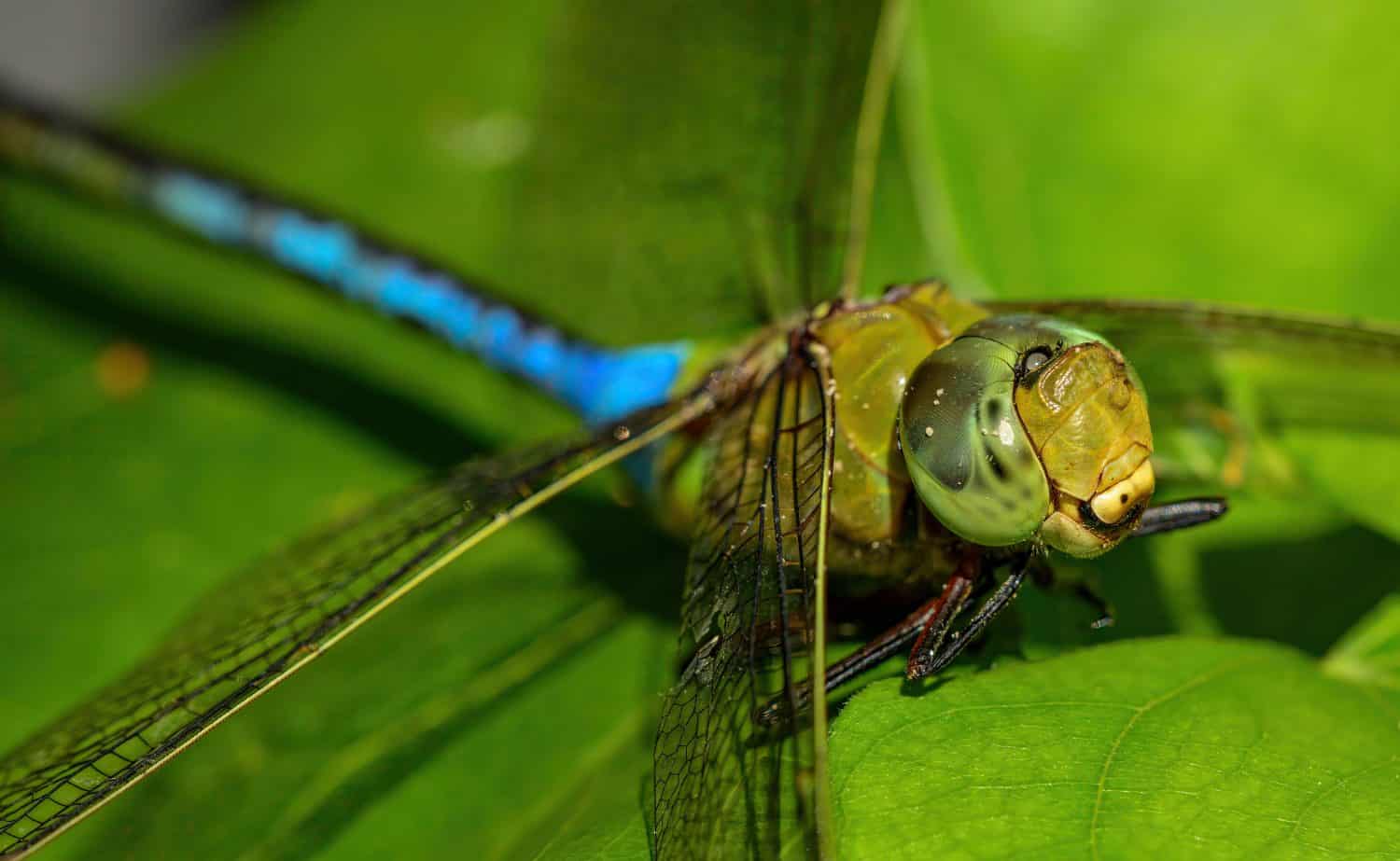
Common green darner dragonflies rely on environmental cues to begin migration.
©Mathew Risley/Shutterstock.com
Some of the most common environmental cues that the common green darner dragonflies rely on include:
- Air temperature
- Water temperature
- Shorter daylight hours
- Decline in prey abundance
- Wind patterns
As long as the common green darner dragonflies are fully developed, when conditions are right in September, they will take flight. Because these dragonflies all rely on the same cues, hundreds of thousands to millions take to the skies, creating swarms that many in their migration path have grown accustomed to witnessing annually.
Migration Route for Common Green Darner Dragonflies
As common green darner dragonflies take to the skies en masse, they have several paths they will follow each fall. Unlike birds, which tend to follow a similar migration pattern, common green darner dragonflies are influenced by weather, wind, and habitat availability. Therefore, these dragonflies have “corridors” they follow, but can change course to reach their final destination if necessary.
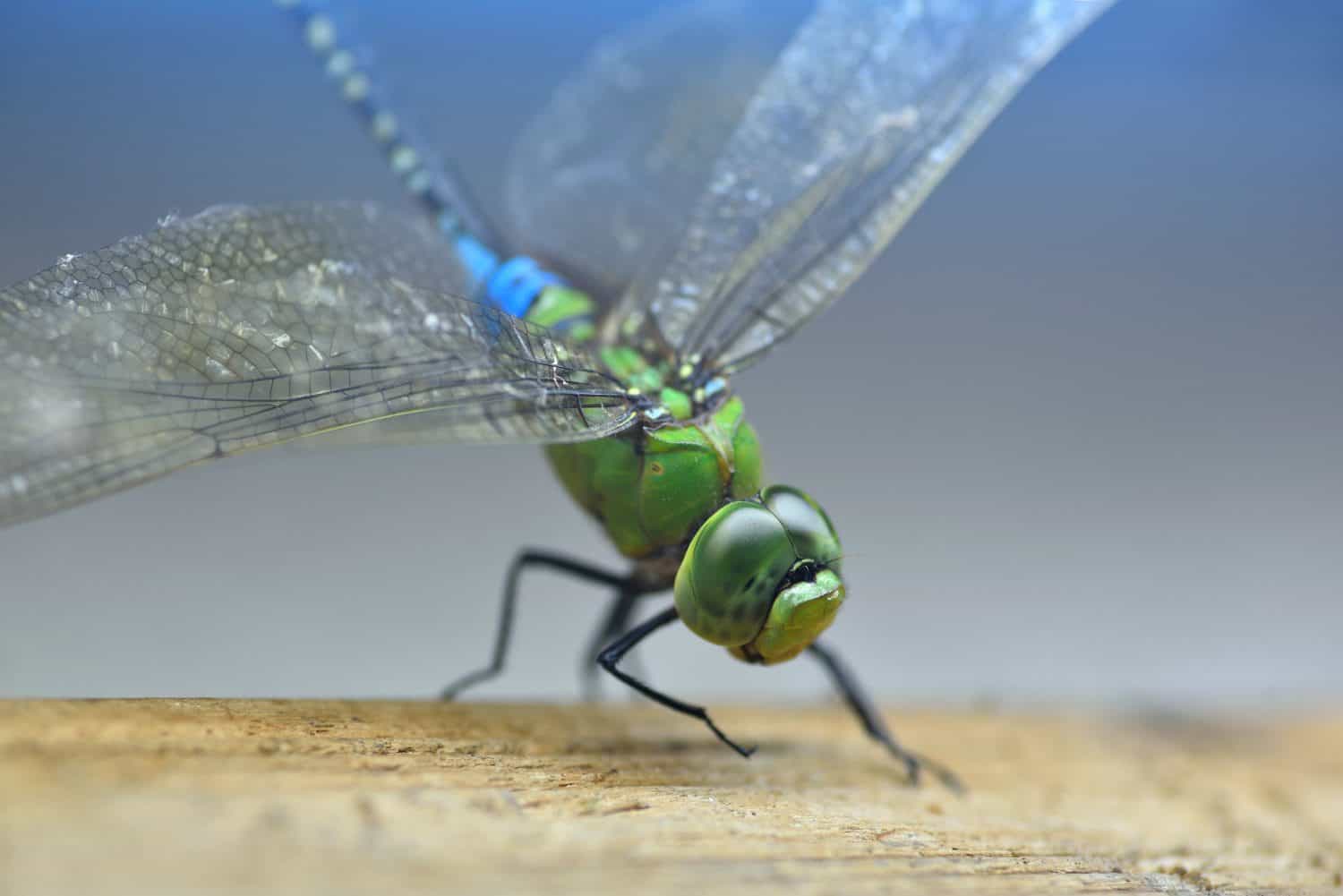
Common green darner dragonflies follow “corridors” southward, but their exact routes can vary each year.
©Photoongraphy/Shutterstock.com
During the spring, these dragonflies will migrate northward to lay eggs. It is when these eggs hatch in the summer that they create a generation of swarming dragonflies in late summer to early fall. These are the common green darner dragonflies that will migrate southward, toward the southern United States, the Gulf Coast, and Mexico.
Common green darner dragonflies will follow large bodies of water in the inland west to reach their final destinations. Therefore, places like major basins and river valleys, irrigation ponds, wetlands, marshes, and seasonal floodplains all play an important part in helping common green darner dragonflies as they migrate.
What Can People Do to Help Common Green Darner Dragonflies During Migration?
Like many migrating creatures, common green darner dragonflies need stopover sites to rest and replenish their fuel for their long journey. With fewer riparian habitats available today than in the past, migration is becoming more difficult. However, with a little help from the public, more green darner dragonflies—and dragonflies in general—would stand a better chance of surviving migration.
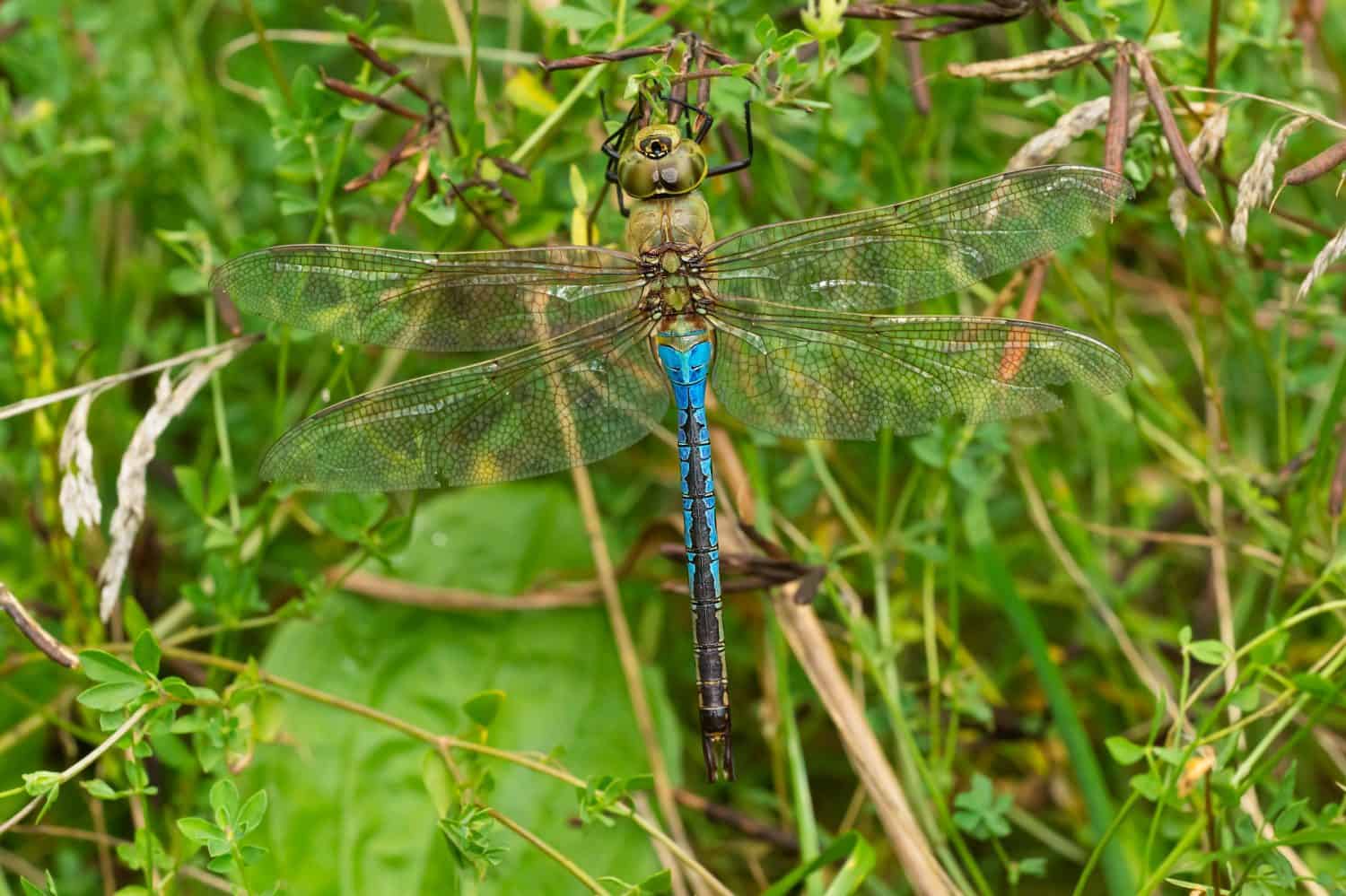
Common green darner dragonflies can be supported on their migration journey through restored waterways, native plant planting, and citizen science participation.
©Paul Reeves Photography/Shutterstock.com
People can support common green darner dragonflies during migration in several ways. Some of those ways include:
- Restore and protect breeding grounds
- Help to ensure that ponds, wetlands, and the like remain intact rather than drained
- Do not use pesticides or chemicals in home gardens
- Keep backyard decorations at a reasonable height to avoid obstructing dragonflies as they pass through during migration
- Plant flowers and vegetation native to the region in backyards that both support the life cycles of insects that dragonflies prey on and provide shelter to dragonflies during times of extreme heat
- Participate in citizen science and help track the movements of migrating dragonflies
- Do not use flash photography on dragonflies, as it can scare and disorient them
It does not take much to support common green darner dragonflies as they migrate. If more people took these actions, dragonflies would have a much easier migration journey, and local population declines could be reversed, restoring common green darner dragonfly numbers to historic levels.