
Quick Take
- Modern whale flippers evolved from hooves used by land species 50 million years ago.
- The auditory bulla solved the technical challenge of long-distance hearing while submerged in water.
- The 1978 discovery of Pakicetus proved whales evolved from wolf-like land mammals, not fish.
- A shifting environment 30 million years ago created a survival hurdle for species with teeth.
For tens of millions of years, whales have been a part of the oceans. Because of this, it would be easy to believe that whales evolved from aquatic creatures as the oceans warmed and became more habitable for mammals. However, this would be incorrect. This is because whales’ ancestors were actually terrestrial animals.
Nearly 50 million years ago, a creature roamed the planet that looked nothing like contemporary whales. Looking more like canines, these mammals walked on four legs, living on land. However, looks can be deceiving. The bone structure of these animals was more similar to that of today’s whales than to that of canines, specifically when it comes to the flippers. Eventually, these terrestrial animals went from walking to swimming, and whale flippers evolved from mammal limbs.
Whale Flippers Began As Hooves
Whales were not always creatures that lived in the sea. Unlike water-dwelling animals that eventually evolved to live on land, the ancestors of whales began life on land before transitioning to the ocean.
Before whales had flippers, the animals they evolved from had hooves. Unlike sharks, whose fins are made of cartilage, whale flippers retained their bone structure. Instead of transforming into cartilage, the bones in their limbs elongated. Whales retained the bones that once allowed them to walk on land millions of years ago, which now help them steer and navigate through the water.
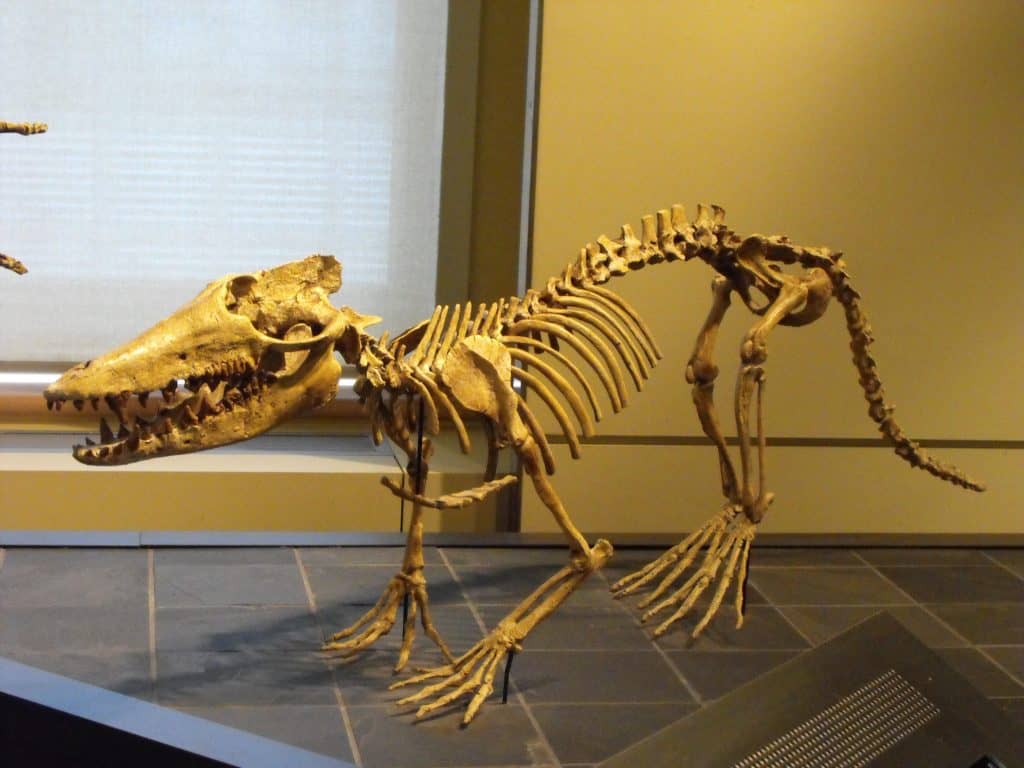
The bones in whales’ flippers are elongated versions of those of Pakicetus.
© – Original
This bone structure is not unique to the mammals that whales evolved from; humans also share a similar arrangement in their limbs. This indicates that, at some point in evolutionary history, humans and whales shared a common ancestor. While it is unknown whether this creature will ever be discovered, it shows that, even as evolution occurs, remnants of ancestral traits are retained. This indicates that land and aquatic mammals are not as distantly related as once believed.
Whales Evolved From Wolf-Like Mammals
During the early Eocene epoch, life on Earth was changing dramatically. The warmer weather allowed not only different plant species to emerge, but also new mammals. This period lasted between 56 million and 33.9 million years ago.
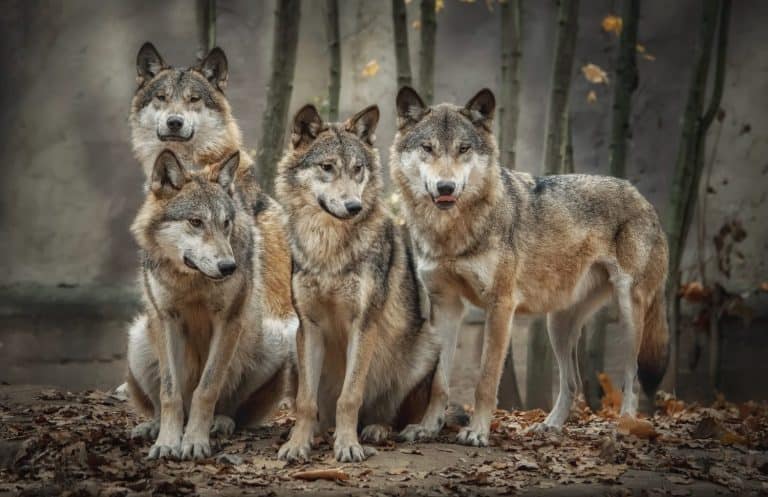
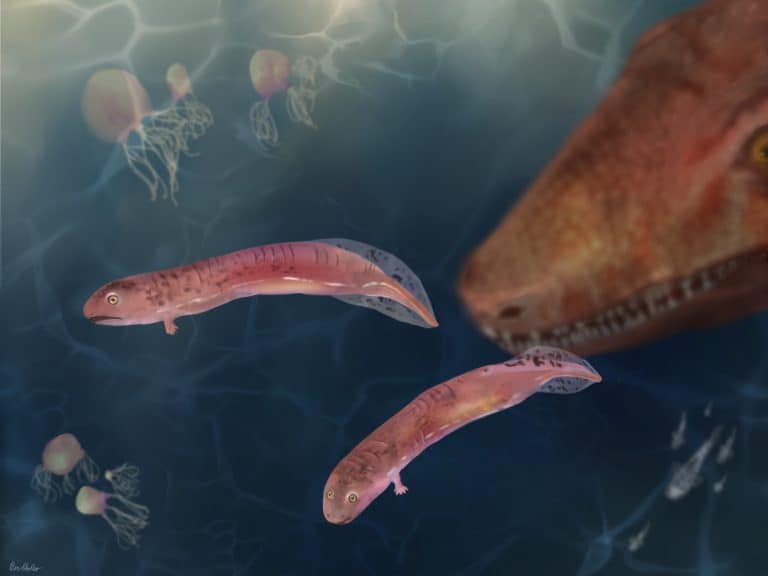
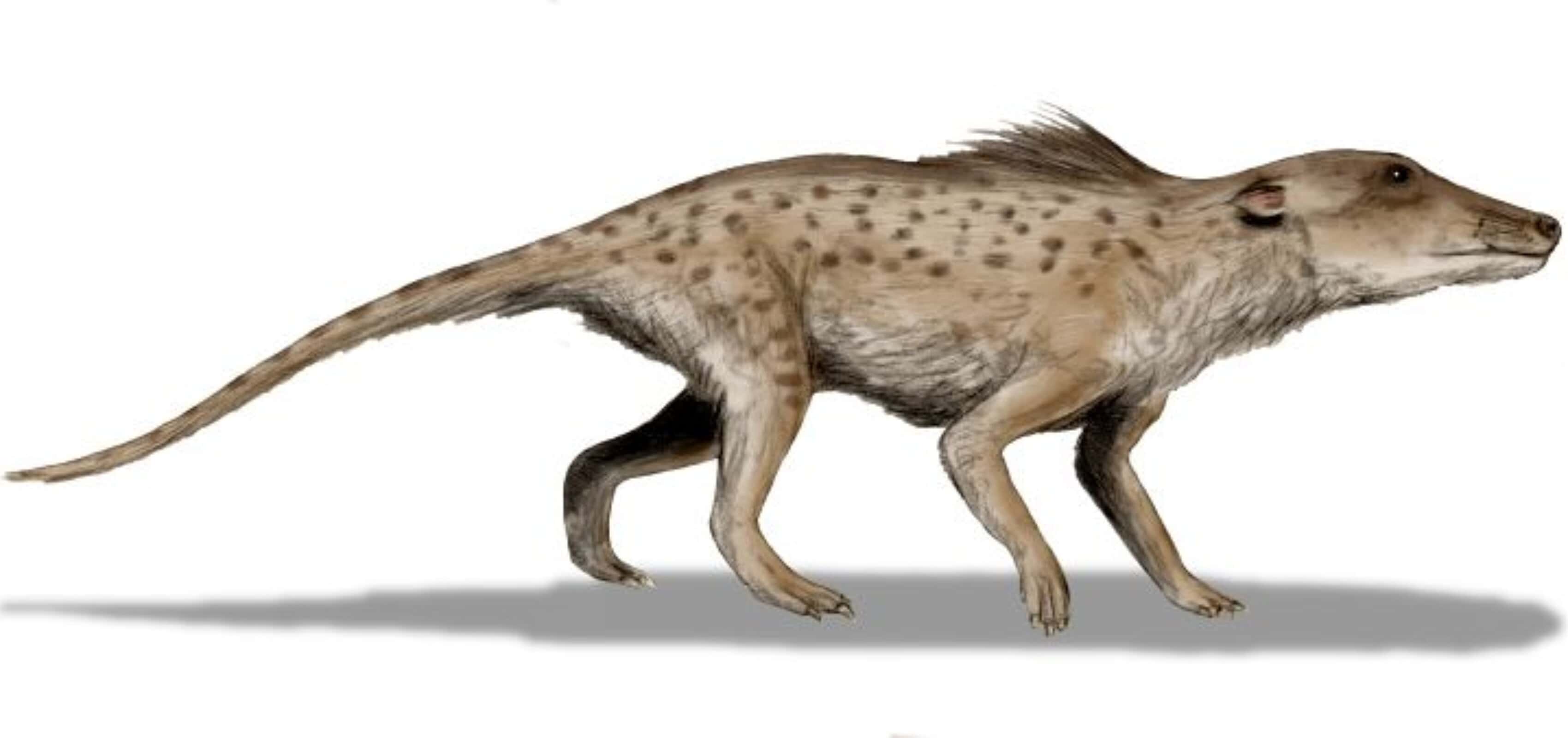
It was during this period that the Pakicetus lived. The mammal is described as the size of a dog or a wolf, with a light coat of fur. Like canines, Pakicetus walked on four legs and had sharp teeth. However, unlike dogs and wolves today, Pakicetus had eyes that were closer together and positioned higher on its head. This adaptation was necessary because they were not only meat eaters but also hunted fish.
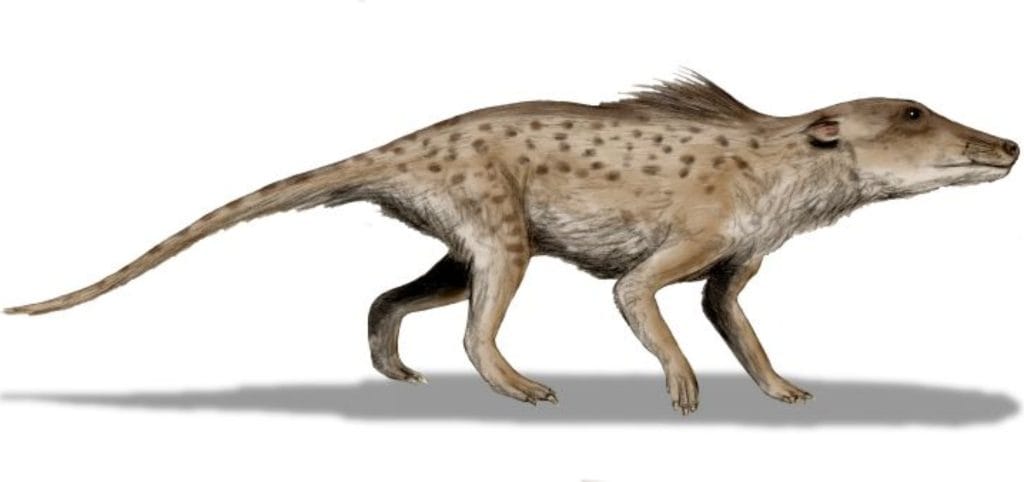
Pakicetus looked more like a canine, but had the bone structure akin to that of today’s whales.
© – Original
Pakicetus lived on the planet for a few million years during the early Eocene, around 50 to 47 million years ago. During this time, the mammal began to evolve into what would eventually become the modern-day whale. The skull of the Pakicetus was more elongated, like a whale’s would be, and had an auditory bulla, which was enclosed in the skull. Until the discovery of the Pakicetus in 1978, it was believed that only whales had this structure in their skulls. Similarly, whales retained the auditory bulla, a feature that allows them to hear over long distances while submerged.
Mammals Who Transitioned From Land to Sea
It was not only the Pakicetus that eventually evolved into contemporary whales. In addition to there being multiple types of Pakicetus, other similar mammals transitioned into whales as well during the early Eocene epoch. These mammals included:
| Mammal | How Long Ago It Lived | Characteristics |
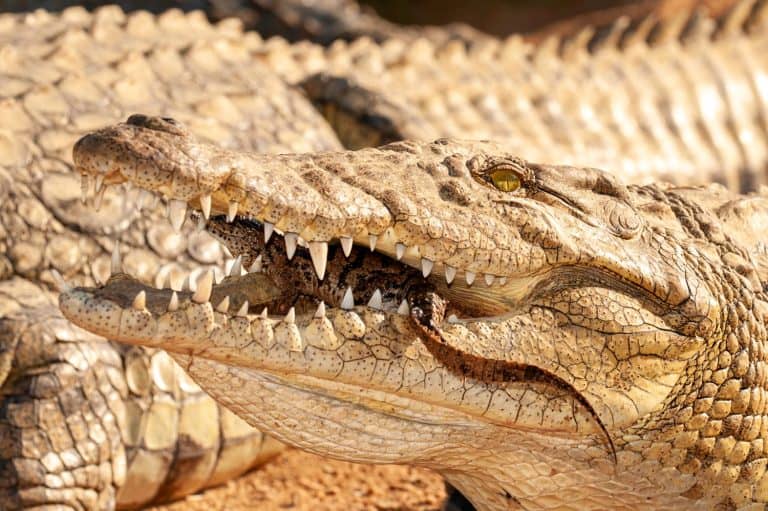
| Ambulocetus | 50 million years ago | Similar to that of a crocodile, Ambulocetus would live both on land and in the water, ambushing creatures from the water’s edge |
| Kutchicetus | 55 million to 48 million years ago | Able to live on land and in the water, Kutchicetus had limbs similar to those of an otter. |
| Rodhocetus | 47 million years ago | Rodhocetus could live on land and water, but its body, with short, webbed arms and legs, was better adapted to an aquatic environment. |
By the time of Dorudon, which lived around 40 million years ago, whales had become fully aquatic mammals. While the Dorudon did have tiny back legs, they were not creatures that ventured out of the ocean. Instead, they became sea predators, approximately the size of beluga whales today.
Whales Evolved Similarly, But Not All Had Teeth
The earliest whales did have teeth, just like the Pakicetus did. However, as the oceans changed in what prey was available, this altered how some whales evolved. While some kept their teeth and still have them today, others developed baleen to survive.
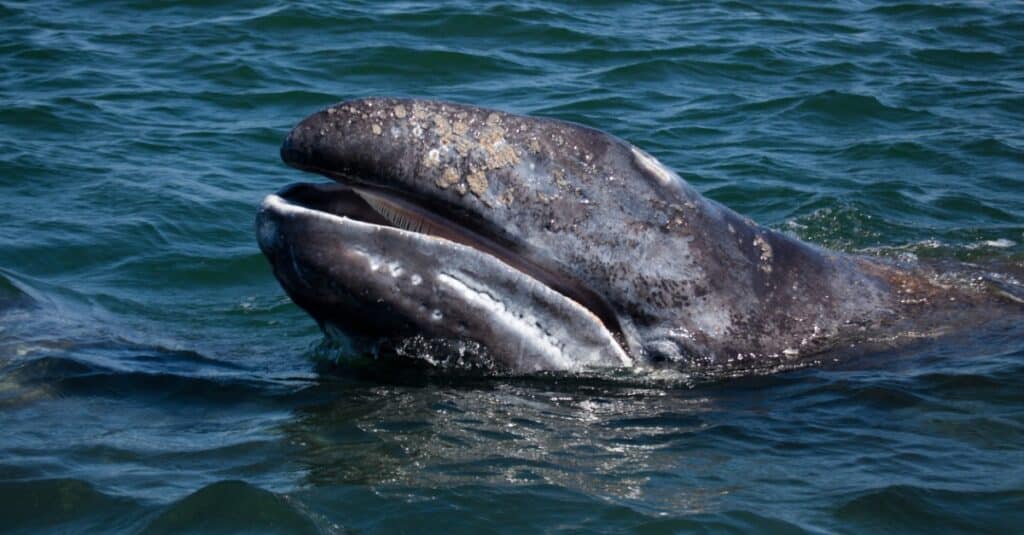
Some whale species, like the gray whale, have baleen rather than teeth to feed.
©Mogens Trolle/Shutterstock.com
It was not overnight that some whales transitioned from having teeth to baleen. Over the course of millions of years, as smaller prey, such as krill, small fish, and plankton, became more readily available in oceans, teeth were not the best way to catch large amounts of these small aquatic creatures. This led some whales to develop a filter-feeding method: they would gulp water into their mouths and then expel it, trapping prey such as krill and plankton inside. However, baleen did not appear in whales’ mouths until about 30 million years ago, at which point this feeding technique was perfected. Some whales, however, continued to keep their teeth. These whales would continue to hunt fish, squid, and other marine mammals, as they do today.
What Is the Closest Living Relative of Whales Living Today?
While whales evolved from Pakicetus, which went extinct 50 million years ago, there is still a close relative of whales that spends at least some time on land today. That relative is the hippopotamus. The hippo is not an ancestor of whales. At the same time that Pakicetus was evolving from a land-and-water animal to a strictly marine animal, the creature that would eventually become a hippo was evolving as well. The most ancient ancestors of hippos are land-dwelling mammals known as anthracotheres.
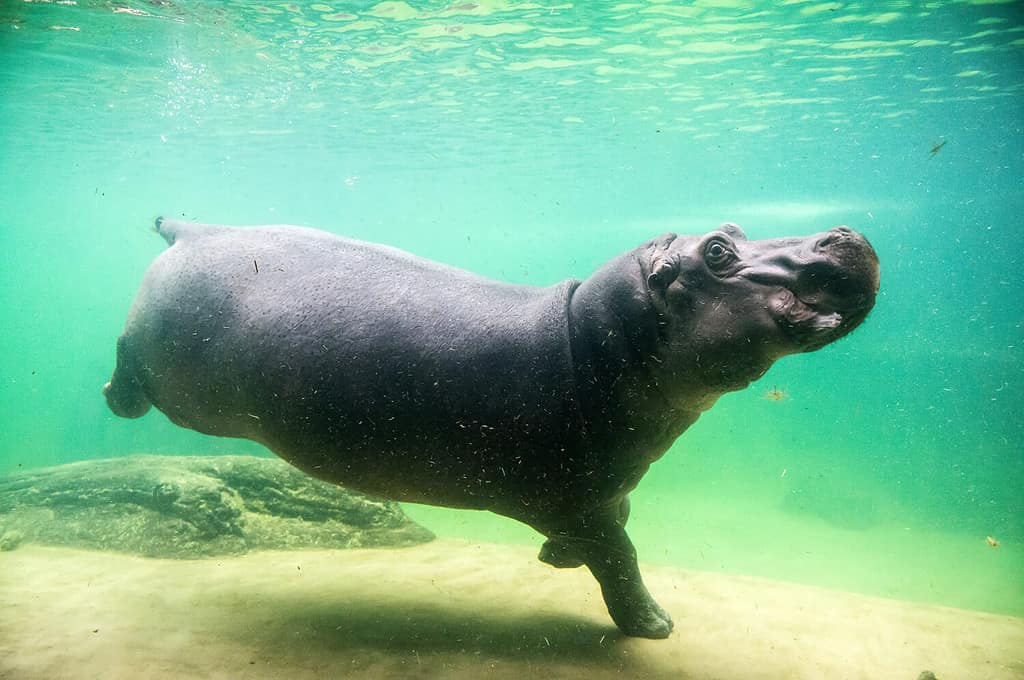
Hippos are not descendants of Pakicetus. However, they are the closest living relatives to whales, as it is believed the two have a common ancestor that lived millions of years ago.
©Lena Ivanova/Shutterstock.com
Interestingly, anthracotheres and Pakicetus are believed to share a common ancestor that lived even earlier than any fossils discovered so far. However, as Pakicetus and other land-and-water-dwelling creatures were evolving into marine mammals, anthracotheres continued to rely on both aquatic and terrestrial habitats to survive. As a result, these animals no longer coexisted in the same habitats and evolved along separate paths.
It is not known what drove Pakicetus and other land-and-water-dwelling creatures to evolve into whales. Given that the transition from land to sea was relatively quick by evolutionary standards, this suggests that the environment could no longer sustain these creatures. With whales facing food shortages and rising ocean temperatures, there is not enough time for these magnificent animals to adapt to life on land again. If changes are not made soon, whale populations will continue to decline, and these descendants of furry, land-dwelling animals may become extinct.