
Quick Take
- One animal on this list can go nearly two full days without sleeping at all, and its reason has nothing to do with predators. Elephant's sleepless travels →
- Some of these animals have evolved a brain trick so bizarre that they can sleep and stay alert at the same time. Half-brain sleep explained →
- One creature on this list may not sleep at all in the way scientists define it, and researchers still can't fully explain what it's doing instead. Bullfrog's mystery rest state →
- A horse's ability to survive on minimal sleep comes down to a single anatomical quirk. Horse's stay apparatus →
Many animals spend a huge portion of their lives asleep, but others get by on surprisingly little shut eye. Most of these creatures stay awake to constantly search for food, watch for predators, or keep moving in some way. Some have evolved unusual ways of sleeping that allow them to stay alert even while resting. Here are eight animals that barely sleep and the reasons they can function with so little slumber.
1. Giraffe
©Balamurugan veerabathiran/Shutterstock.com
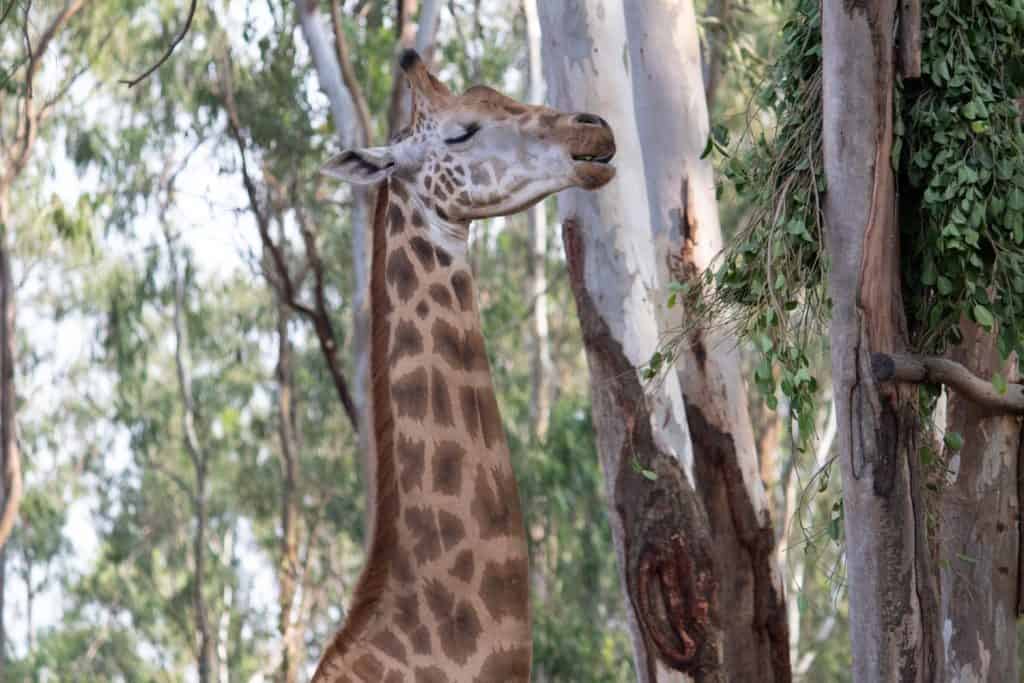
Giraffes are famous for needing very little sleep compared to most mammals. In the wild, they typically sleep for just 30 minutes to two hours each day! Their sleep comes in the form of several short naps that last only a few minutes each. Long periods of sleep would require lying down, which leaves them vulnerable to predators. Additionally, getting back on their feet takes time and effort. Instead of long stretches of sleep, giraffes doze briefly whenever they feel it’s safe enough to do so.
2. African Elephant

©Taken by Oliver Wright, Public domain, via Wikimedia Commons – Original / License
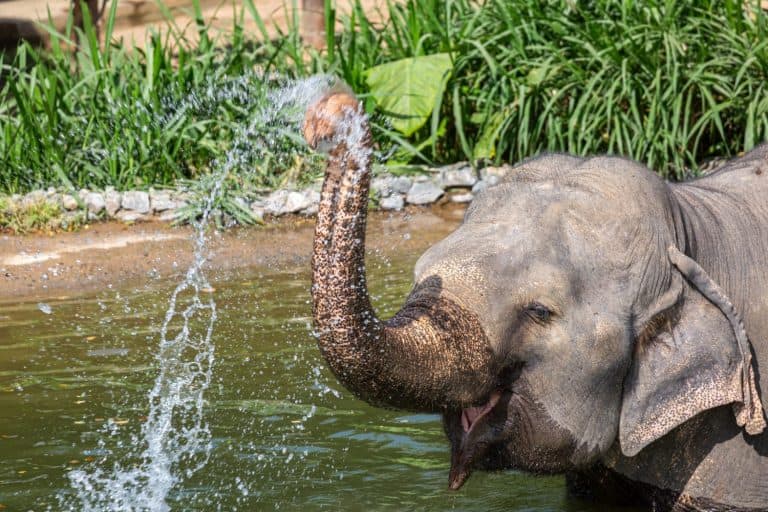
African elephants are also light sleepers in the animal kingdom. Studies have found that wild elephants sleep only about two hours a day. Remarkably, sometimes they can go for close to two full days without sleeping at all. They spend most of their time walking long distances to find the necessary food and water to support their massive size. This leaves little time for rest.
3. Bullfrog
©dwi putra stock/Shutterstock.com
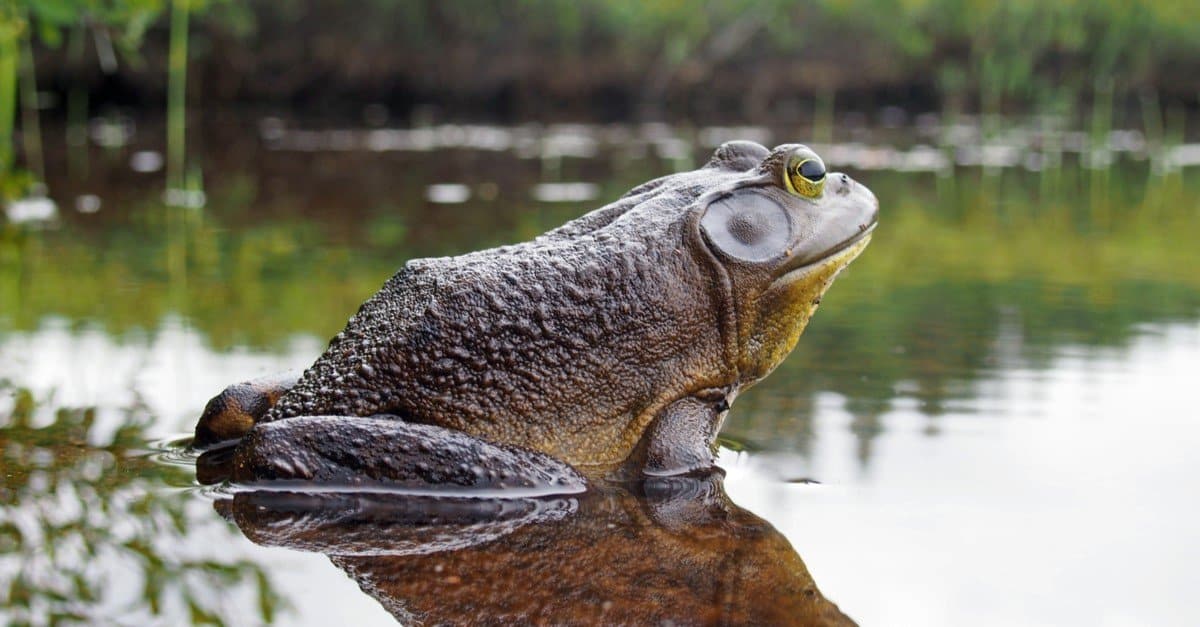
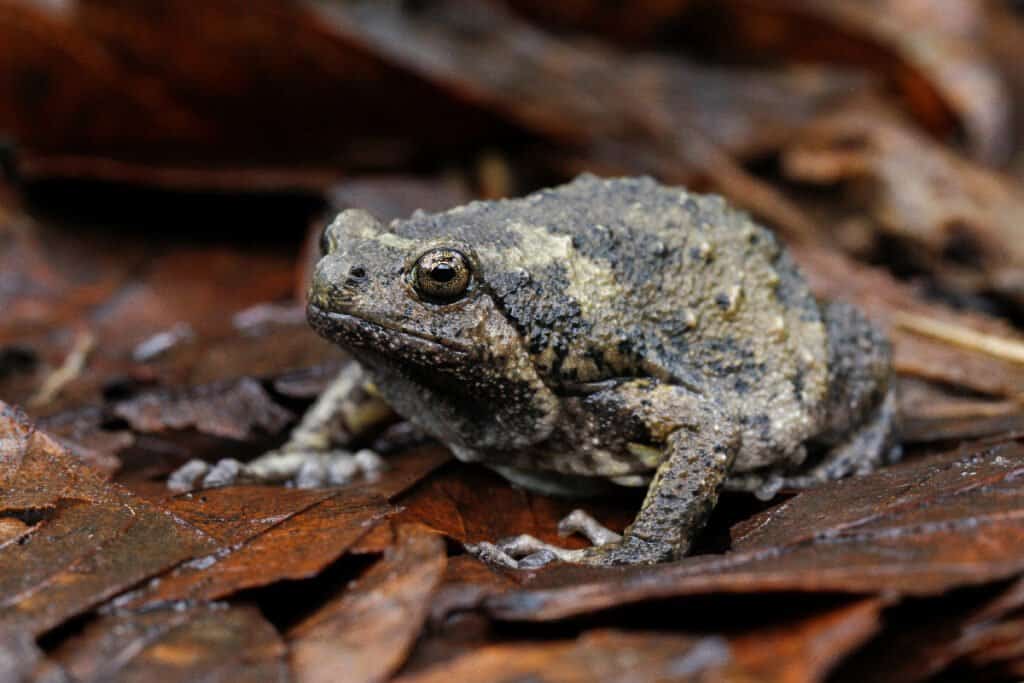
Bullfrogs don’t seem to sleep in the way most animals do. Researchers have found that they stay alert and react to sounds and other stimuli even during their version of rest. Instead of entering deep sleep, bullfrogs stay in a state of quiet inactivity. During this time, the frogs remain aware and ready to react if need be. Their unusual sleep habits intrigue scientists and are still being studied.
4. Bottlenose Dolphin
©gilkop/Shutterstock.com
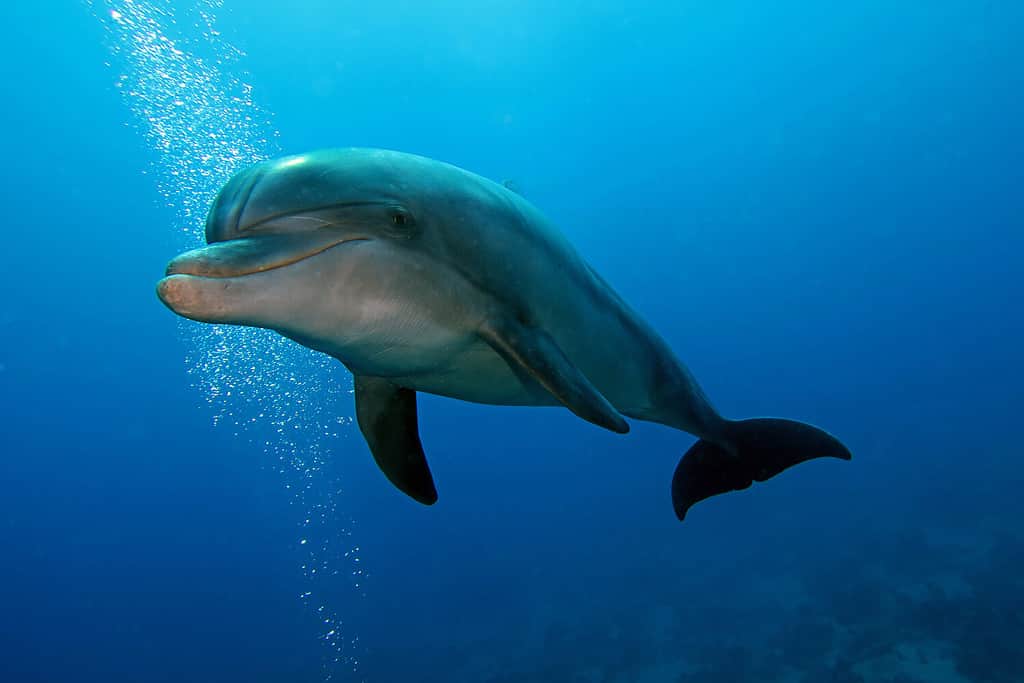
Bottlenose dolphins have solved the problem of needing to breathe while asleep with an incredible adaptation. They rest one half of their brain while the other half stays awake to control breathing and watch for predators. This amazing process is called unihemispheric sleep. Dolphins can continue swimming and surface for air while only one side of their brain sleeps. In this way, they never fully lose consciousness.
5. Orca
©slowmotiongli/Shutterstock.com
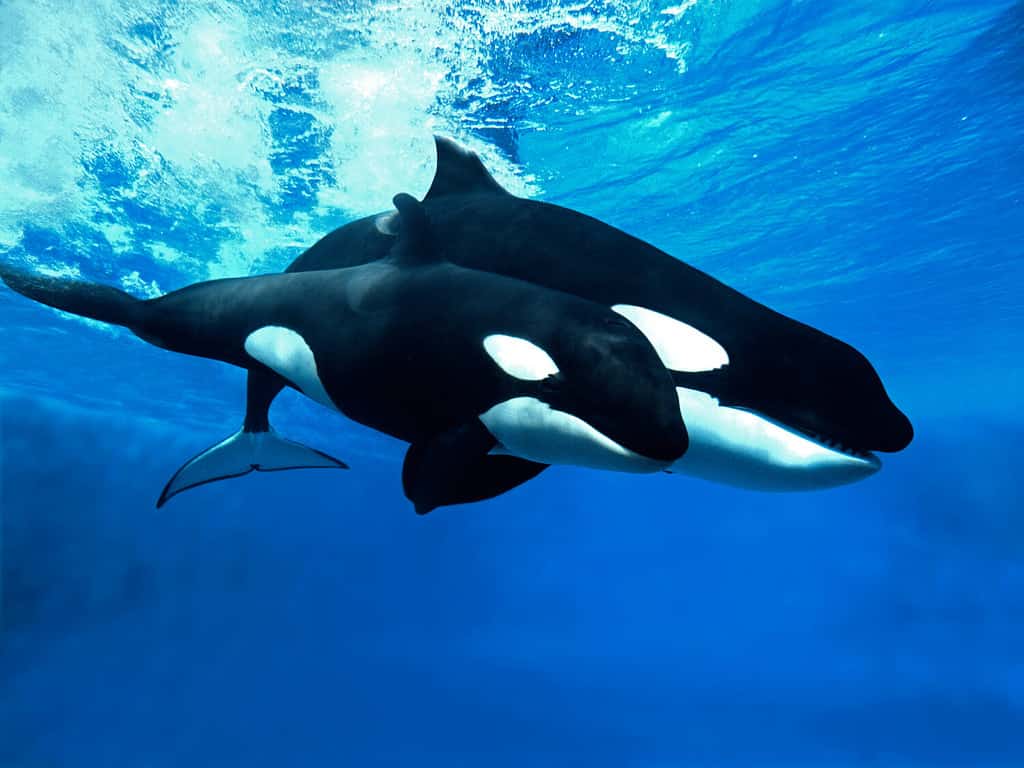
Like other whales and dolphins, orcas also employ one-sided brain sleep. One hemisphere rests while the other stays active, allowing them to continue swimming, breathe voluntarily, and stay with their pod. This adaptation is especially important for young calves, which can stay almost constantly active for weeks after birth. This fascinating form of sleep lets the large marine mammals rest without putting themselves at risk.
6. Alpine Swift
©Toni Genes/Shutterstock.com
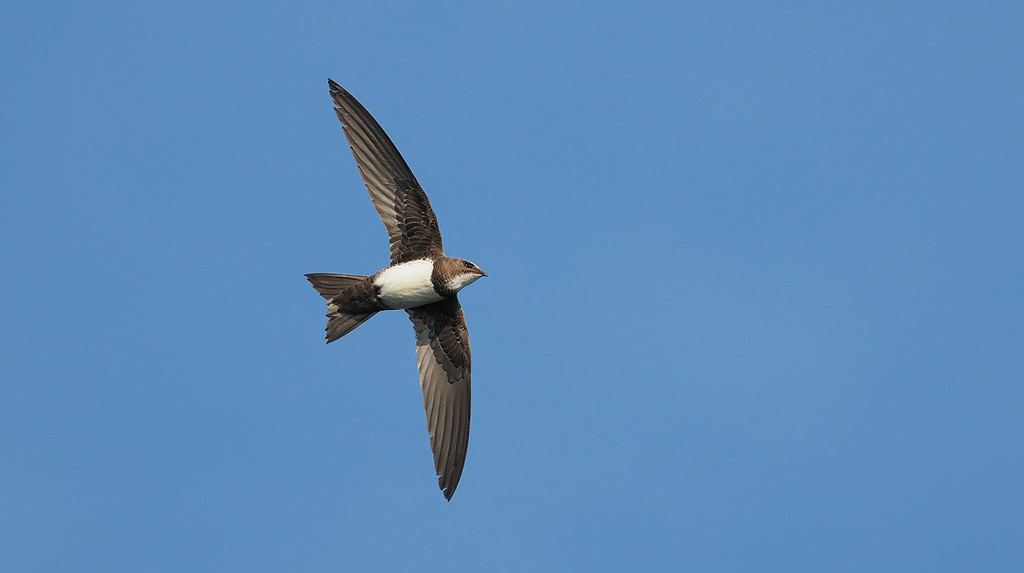
The alpine swift spends a great deal of its life in the air. In fact, these birds can stay in flight for months at a time during migration. During these periods, they sleep for only tiny bits of time while gliding. Scientists believe they too use unihemispheric sleep, using it only for brief periods at a time. Somehow, they manage to stay rested enough to complete the long journey. It’s one of the most remarkable sleep strategies found in any bird.
7. Frigatebird

©Uwe Bergwitz/Shutterstock.com
Great frigatebirds can fly over the open ocean for weeks without landing. While soaring, they sleep only minutes per day by allowing one hemisphere of the brain to rest at a time. But this isn’t sustainable long-term. Once they land, they make up for the lost sleep by resting much longer. However, their ability to function on such tiny amounts of sleep while migrating is difficult to understand and is still being studied.
8. Horse
©Michael Repenning/Shutterstock.com
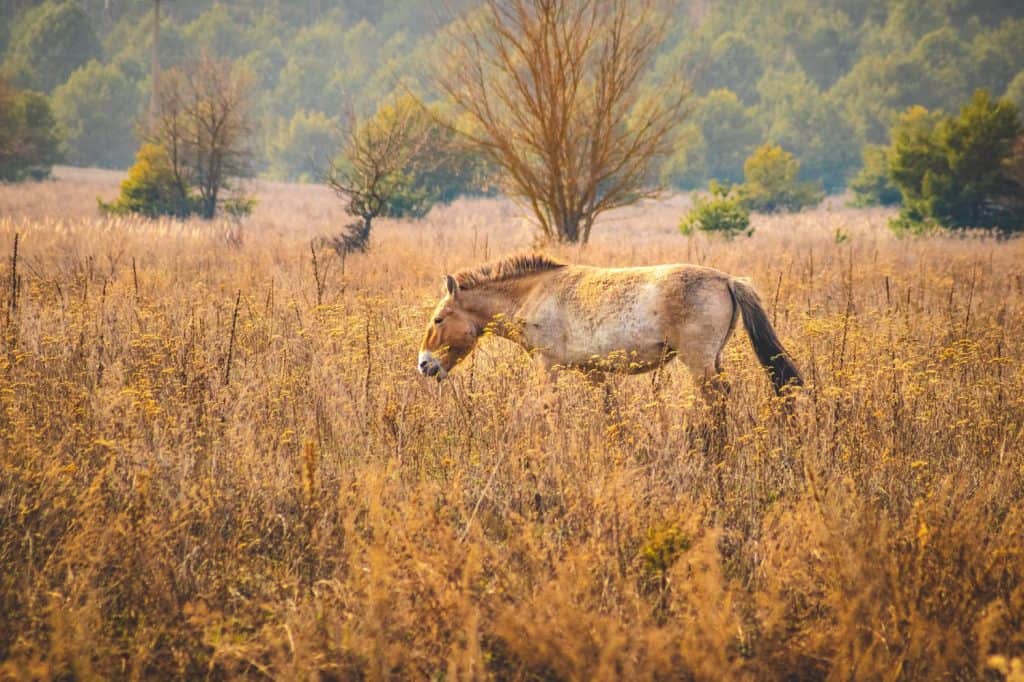
Horses are capable of sleeping while standing thanks to something known as the stay apparatus. This system of tendons and ligaments locks their legs in position. Although they sometimes lie down for deep REM sleep, they generally rest while standing. They usually sleep only about three hours a day. As prey animals, staying in a standing position means they can run from danger if they need to. This strategy has helped horses survive in wide open fields for millions of years.